
Conquering the Rugged Edge: The Railway as Liguria’s Backbone
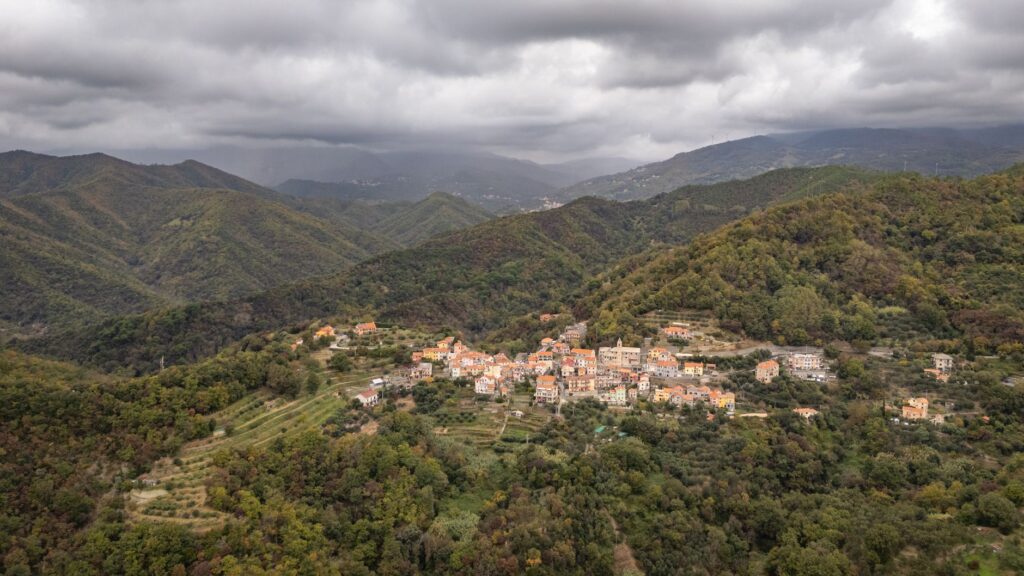
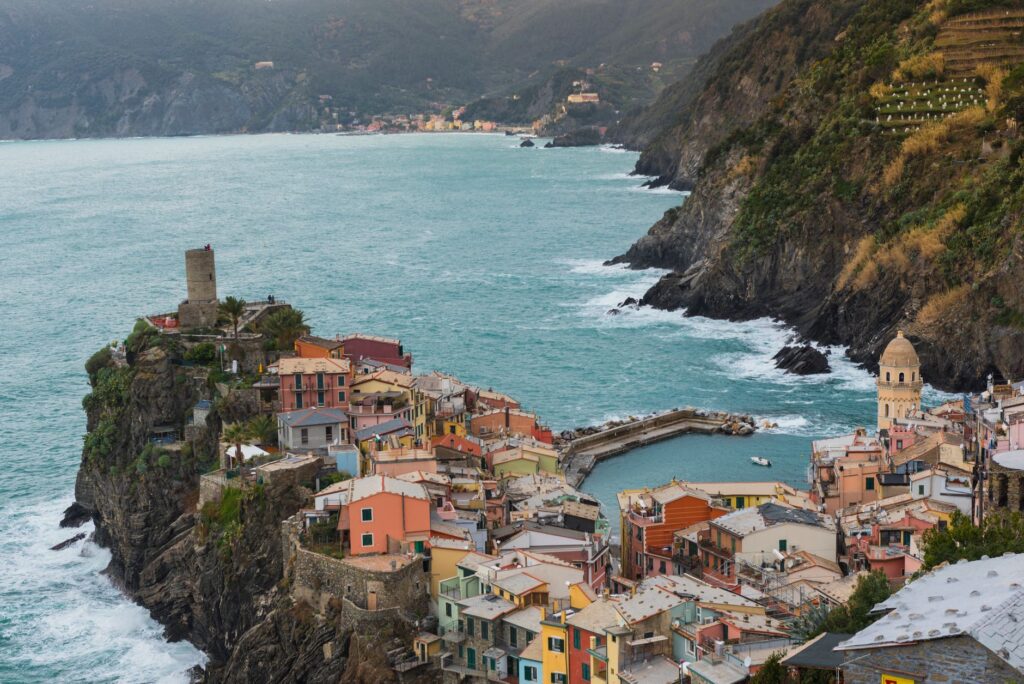
Along the rugged coast of Liguria, where the Apennine mountains plunge abruptly into the crystal-clear waters of the Ligurian Sea, geography has dictated centuries of isolation and perseverance. Before railway tracks completely transformed regional connectivity, the five settlements collectively known as the Cinque Terre—Monterosso al Mare, Vernazza, Corniglia, Manarola, and Riomaggiore—lived in a state of forced self-sufficiency. Mules winding their way among terraced lemon groves and heroic vineyards formed the sole terrestrial link between neighboring communities, a slow transit exposed to rockslides and dictated by the harshness of the terrain. The advent of railway infrastructure in the second half of the 19th century did not merely improve travel times; it represented a radical territorial suture that redefined local economies, agricultural trade, and the demographic survival of the region.
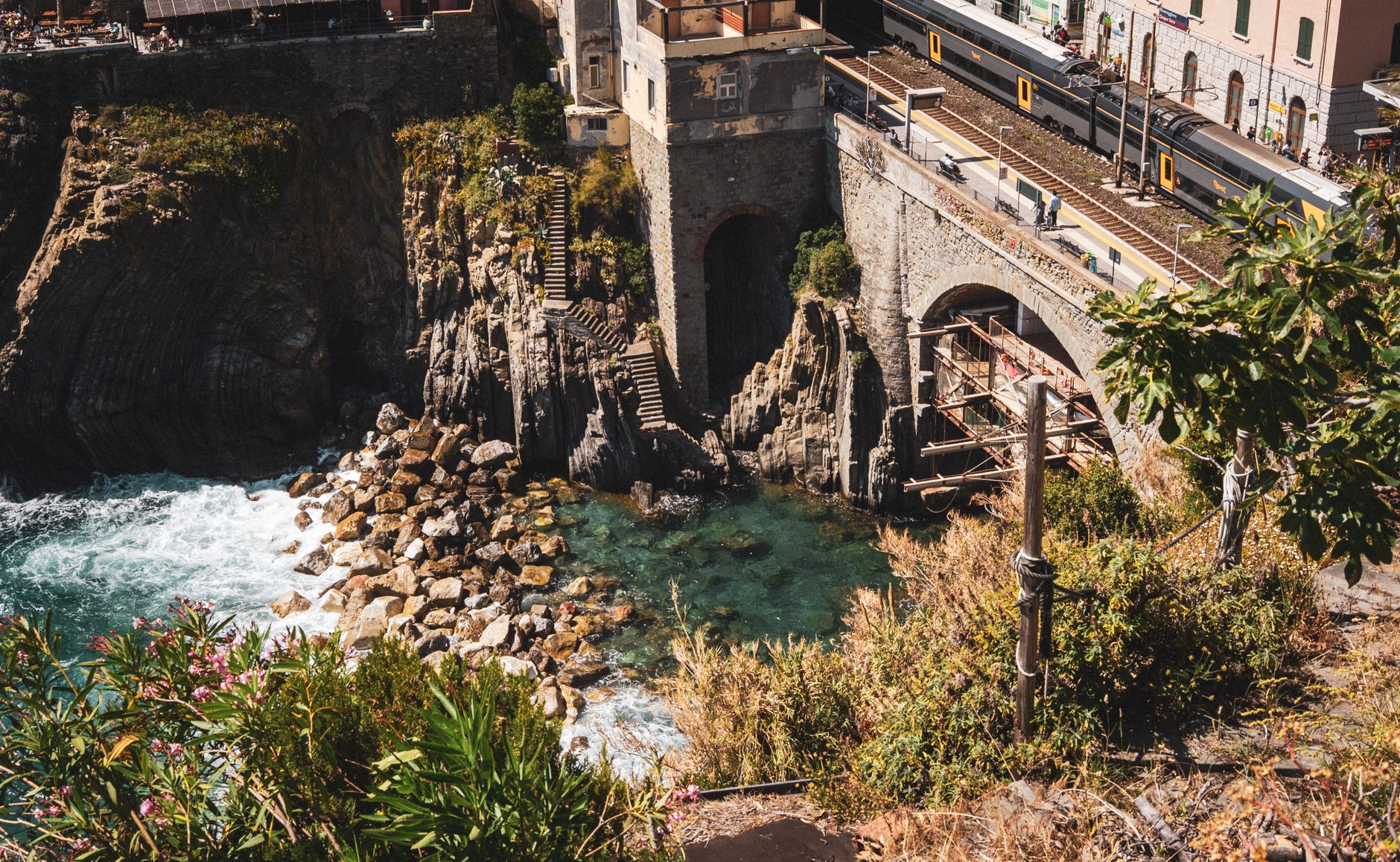
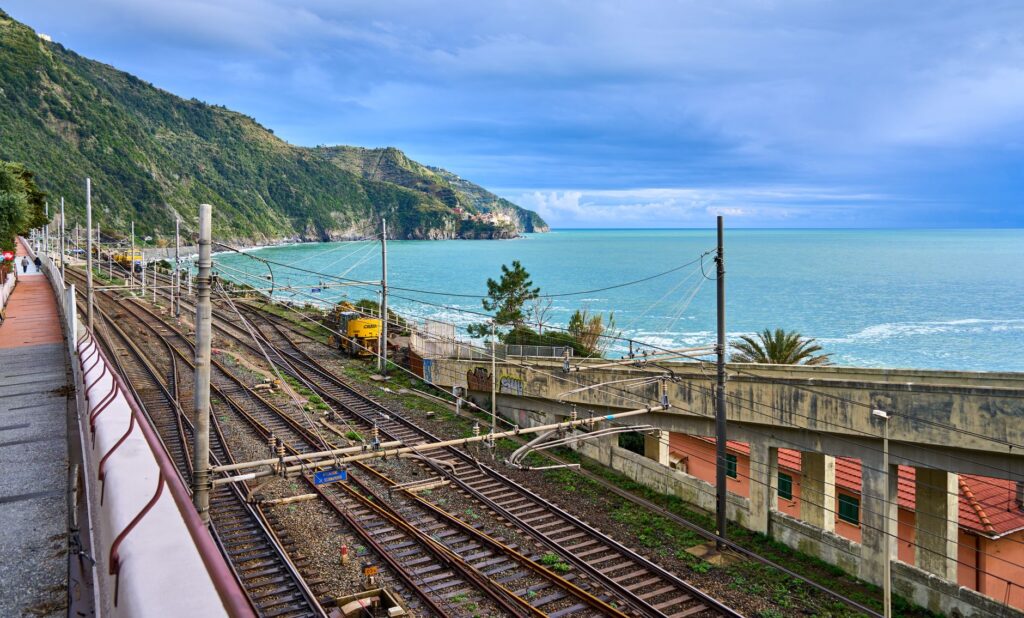
Constructing the rail line that now anchors the coastline required a monumental engineering effort, characterized by the systematic drilling of dozens of tunnels through limestone and schist bedrock. Engineers of the era had to contend with a topography featuring virtually no flat ground at sea level. Every kilometer of track meant carving dark galleries that briefly emerged onto stone viaducts to offer fleeting, dazzling views of the gulf before plunging back into the mountain. This singular routing meant railway stations in the Cinque Terre were built almost at the edge of cliffs or embedded directly into the pre-existing urban fabric of the villages. Stepping off a train is equivalent to landing straight in the historic heart of each locality, with no transition between the high speed of the tunnel and the porticoed square or fishing harbor.
Chronology of a Titianic Undertaking Facing the Tyrrhenian Sea
Work to connect Genoa to La Spezia via the rugged Riviera di Levante began in fragments, but gained definitive momentum in the 1860s and 1870s. The Italian state, conscious of the strategic and economic necessity of binding the northern country together, prioritized expanding the national rail network. However, the section running between Sestri Levante and La Spezia—including the Cinque Terre stretch—presented unprecedented technical challenges due to the geological instability of the cliffs and the constant erosive action of marine storms. Labor crews, popularly known as cavatori, worked under extreme conditions, blasting rock with rudimentary explosives and hand tools while suspended on scaffolding above raging waves.
By 1874, the line was officially inaugurated, integrating the previously isolated fishing villages into the peninsula’s modern transport system for the first time. The initial impact was ambivalent. While it facilitated the transport of local wine and fish to northern markets, it also sparked rural flight, opening a rapid escape route toward the industrial centers of Genoa and Milan. Yet over the decades, as landscape heritage gained appreciation, the railway evolved from an instrument of emigration into the lifeblood of sustainable tourism and the guarantor of the national park’s preservation.
Invisible Architecture: Stations Suspended Between Tunnels and Abysses
Analyzing Cinque Terre railway infrastructure requires examining the singular typology of its stops. Unlike major terminal stations in European metropolises, the stops at Monterosso, Vernazza, Corniglia, Manarola, and Riomaggiore resemble rapid transit walkways integrated into the vertical topography. In Monterosso, the station sits in the newer expansion zone of the town, allowing relatively straightforward access to the seaside promenade. At the opposite extreme, stations like Manarola or Riomaggiore consist of narrow platforms flanked by concrete and masonry retaining walls, where passengers step straight from the train into pedestrian tunnels leading to main streets.
The train in the Cinque Terre is not a conventional means of transport; it is the sole mechanical artery capable of stitching the territory together without tearing the fragile harmony of ancient cliffs.
This extreme urban integration poses complex logistical and spatial challenges. Platforms often lack the length required to host long-distance convoys, forcing operators to run exclusively high-frequency regional trains of moderate composition. Furthermore, constant exposure to marine salinity and moisture from crashing waves demands continuous maintenance of metal structures, signaling systems, and tunnel linings. Specialized maintenance teams routinely work during off-peak hours to inspect slope stability and prevent rockfalls that could disrupt traffic along this vital vein.
The Cinque Terre Express: The Pulse of Modern Sustainable Mobility
Today, the area’s rail service is structured around the Cinque Terre Express model, an initiative managed by Trenitalia in close cooperation with the National Park administration and the Liguria region. During peak tourist months in the European spring and summer, convoys run at intervals of just a few minutes, seamlessly connecting regional stations with the main nodes of Levanto and La Spezia. This operational framework has drastically discouraged private car use, whose local road infrastructure is extremely limited, winding, and prone to severe summer congestion.
The backbone of this transport system relies on the Cinque Terre Card, an integrated travel pass combining unlimited regional train access within the protected corridor with the right to walk the park’s paid hiking trails. This tariff integration fosters a multimodal travel model where visitors can take the train to one village, hike the coastal path to the next, and return by rail. Thus, the railway acts not only as a transit element, but as an instrument for regulating and equitably distributing visitor flows, protecting fragile land and marine ecosystems from unchecked human pressure.
Geology Under Tension: Risks, Mitigation, and Track Maintenance
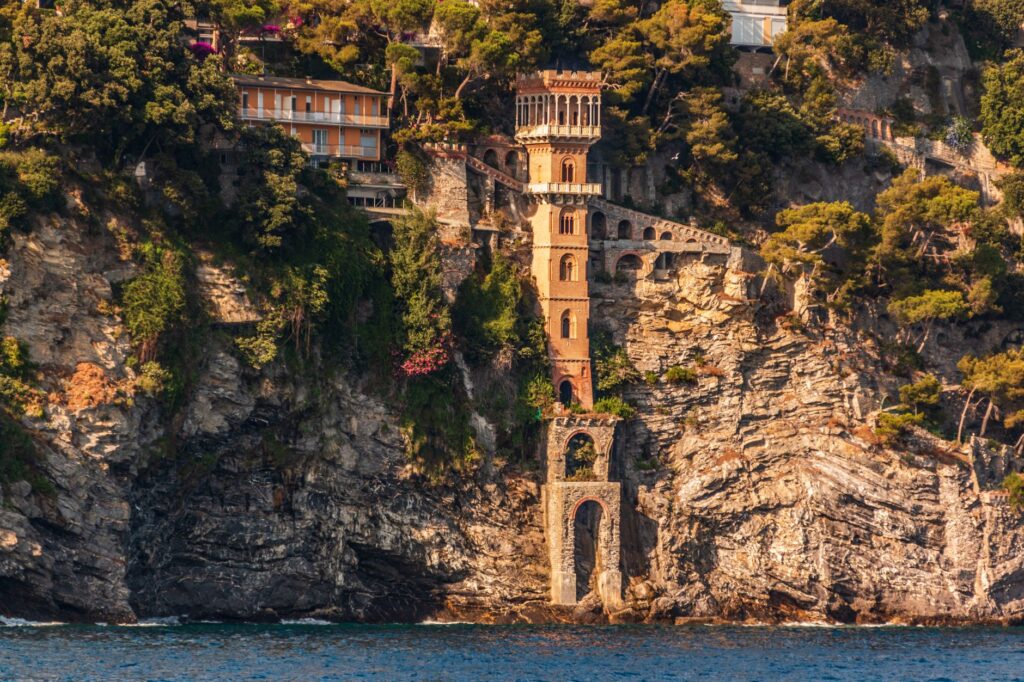
Keeping a railway line operational along a stormy sea and beneath unstable slopes is an ongoing challenge for engineers from Rete Ferroviaria Italiana (RFI). Torrential rain episodes, increasingly frequent due to altered Mediterranean climate patterns, easily trigger landslides and colluvium that threaten to bury tunnel portals or destabilize embankments. To counter this natural vulnerability, cliffs flanking the tracks undergo complex geotechnical engineering interventions, including high-tensile metal mesh installations, deep rock anchor bolts, and riprap sea walls designed to dissipate wave energy.
Beyond passive defenses, telemetric monitoring systems and laser sensors detect millimeter-level slope shifts or anomalous vibrations in historic viaducts. In severe weather alerts, network safety protocols mandate preventive speed reductions or temporary service suspensions on exposed segments, prioritizing passenger safety over strict schedule adherence. This prudent management underscores the subordination of technical infrastructure to the unyielding reality of physical geography.
The Economy of the Rail: Traditional Commerce and Insular Supply
Beyond its obvious role in contemporary tourism, the railway continues to fulfill a vital logistical function for permanent residents of the Cinque Terre. Heavy goods, construction materials for restoring traditional dry-stone walls, and basic necessities arrive daily via adapted freight cars or meticulously planned overnight logistics services. Residents of villages like Vernazza and Corniglia depend on this subterranean and aerial artery to receive what winding local roads or turbulent seas cannot guarantee regularly.
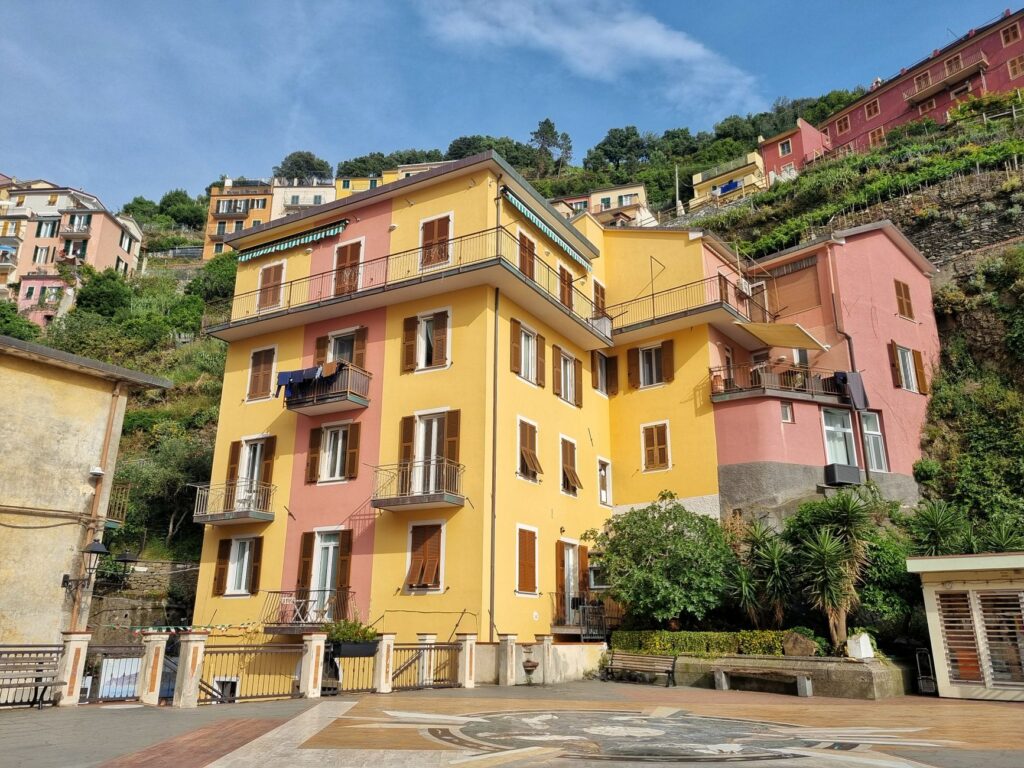
Similarly, local winemakers cultivating steep slopes under the Sciacchetrà DOC denomination indirectly use the transport system to ship their prized sweet raisin wine, whose cliffside vineyards permit only manual harvesting and transport via small rack monorails or baskets carried to rail loading points. The survival of this heroic viticulture, essential for maintaining soil stability and preventing massive hillside erosion, is intimately linked to the existence of a fast communication route connecting producers to regional distribution markets.
Practical Guidelines for Travelers on the Ligurian Rail Route
-
Station Planning: Regional trains stop systematically at all Cinque Terre stations, but it is crucial to check information boards at nodal stations like La Spezia Centrale or Levanto to avoid boarding long-distance services that bypass smaller villages.
Ticket Validity: If choosing the combined Cinque Terre Card Train, it is a legal and essential requirement to validate the ticket at platform validation machines before boarding the first convoy, under penalty of an immediate fine.
High-Season Schedules: During summer months, trains run frequently but also experience high occupancy levels; travelers are advised to ride during early morning or evening hours to avoid crowded platforms.
Respect for the Environment: Stations and trains are shared spaces where international tourists and local workers commute daily, requiring civilized and orderly behavior.
Epilogue on Rails: The Future of a Fragile Coastal Balance
The Cinque Terre railway vividly embodies the paradox of modern development within highly vulnerable natural environments. Conceived in the 19th century to break the historical isolation of an agrarian and maritime community, it has evolved into the primary protective shield against vehicular gridlock and ecological degradation. Without its constant, rhythmic, underground presence, Liguria’s insular landscape would face unsustainable pressure or isolated decline. As travelers pass through the dark stone tunnels connecting one village to the next, they not only experience a masterpiece of nineteenth-century engineering, but step directly into the pulsing heart of a living landscape where stone, sea, and steel achieve a delicate and fragile synthesis.