Introduction to the World’s Largest Intertidal Wetland
The Wadden Sea, stretching along the coasts of the Netherlands, Germany, and Denmark, constitutes one of the most unique and dynamic ecological formations on the planet. It is not merely a conventional coastal strip, but a vast intertidal complex where the North Sea recedes twice daily, exposing thousands of square kilometers of mudflats, sandbanks, tidal channels, and salt marshes. This constantly transforming landscape challenges the traditional perception of static geography, offering a vital sanctuary for Europe’s marine and avian biodiversity.
Recognized as a UNESCO World Heritage Site, this ecosystem functions as a giant nursery. Its ecological value lies in its extraordinary biological productivity. The daily tides act as a nutrient pump that mobilizes organic matter, sustaining dense populations of benthic invertebrates that, in turn, feed millions of migratory birds. Understanding this territory requires immersing oneself in the rhythms of the water and the complex interactions between natural forces and human management aimed at protecting an environment threatened by climate change and anthropogenic pressure.
Geomorphology and the Sculpting Force of Tides
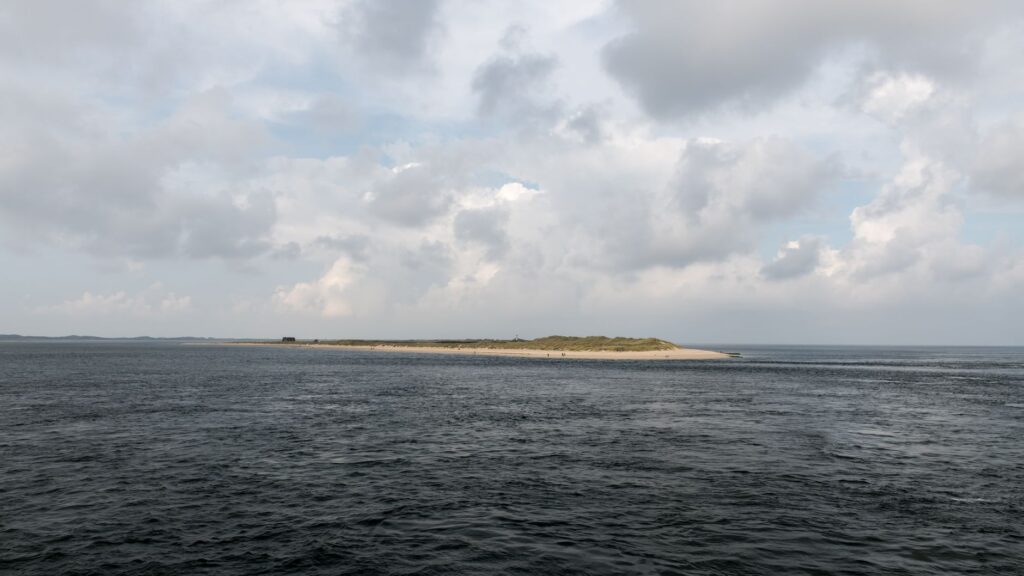
The geomorphological genesis of the Wadden Sea is the result of millennia of interplay between marine sedimentation, fluvial inputs from rivers such as the Rhine, Elbe, and Weser, and the gradual subsidence of the North Sea coast. The barrier islands extending from Den Helder in the Netherlands to the Jutland Peninsula in Denmark act as a protective shield against the forces of the open sea, delimiting a shallow lagoon where waters can calm and deposit fine sediments.

The tidal phenomenon is the conductor of this landscape. Every six hours, the alternating cycle of flood and ebb physically reshapes the terrain. Channels that minutes earlier were navigable by shallow-draft vessels become walkable mudflats, locally known as the Watt. This morphological instability prevents the establishment of terrestrial vegetation in vast areas, limiting flora to highly specialized halophytic species capable of tolerating high salinity and prolonged immersion.
The Migratory Crossroads of the East Atlantic Flyway
For global avifauna, the Wadden Sea represents an irreplaceable strategic enclave. It functions as the ultimate stopover and resting area in the East Atlantic Flyway, connecting Arctic breeding grounds in Siberia and Scandinavia with wintering quarters in southern Europe and West Africa. It is estimated that up to twelve million birds use this wetland simultaneously during the spring and autumn migration peaks.
Species such as the red knot, Eurasian oystercatcher, whimbrel, and northern pintail depend absolutely on the massive availability of bivalves and polychaetes during their stay. Scientists have demonstrated that these birds need to double their body mass through fat accumulation within weeks to undertake nonstop flights to their destinations. Any disruption in food availability or the tranquility of the sandbanks can compromise the survival of entire populations.
Benthic Life: The Invisible Engine of the Ecosystem
Beneath the seemingly barren surface of the intertidal mud lies extraordinary biomass. The upper layer of sediment is densely populated by billions of microorganisms, unicellular algae, and diatoms that engage in active photosynthesis when the sun hits the exposed mudflats. Upon and beneath this microscopic carpet, benthic invertebrates thrive.
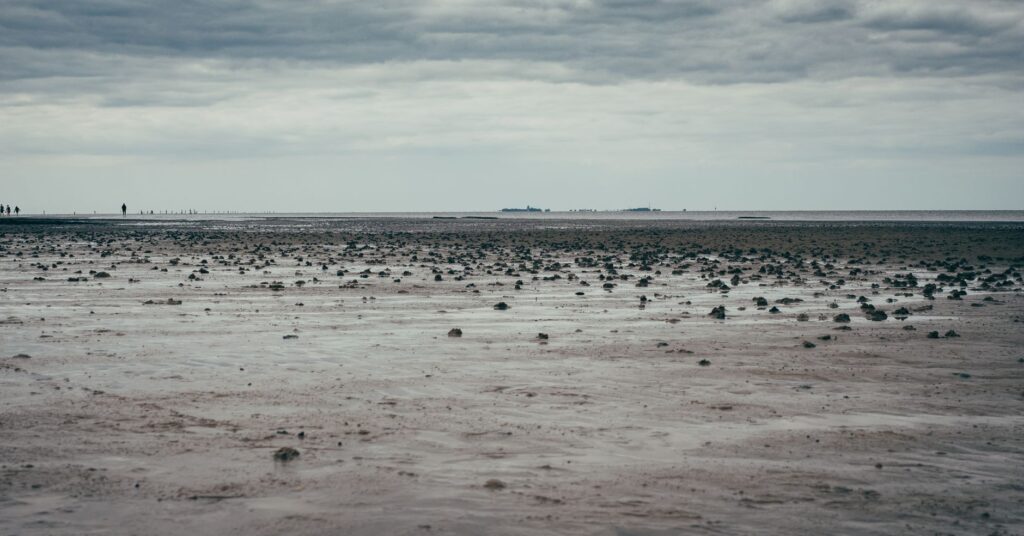
Cockles, Baltic clams, blue mussels, and lugworms form the trophic base supporting not only birds, but also commercial fish species such as sole and plaice, which use shallow waters as nursery grounds. The health of this lower stratum acts as a precise bioindicator of the overall environmental quality of the North Sea, immediately reflecting the effects of chemical pollution or rising water temperatures.
The Wadden Sea is not a passive landscape to be admired from the shore, but a living organism beating to the rhythm of lunar gravity, demanding from the traveler and scientist the same adaptability shown by its tiniest inhabitants.
Marine Mammals and the Recovery of Higher Fauna
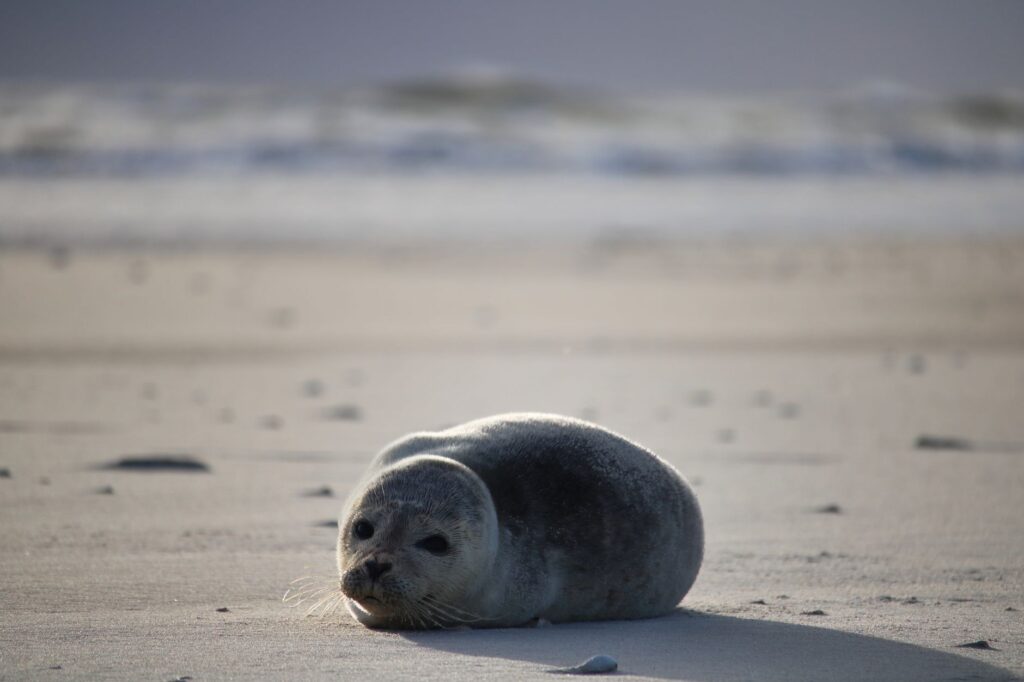
In addition to avifauna, the territory hosts stable populations of marine mammals that have staged a remarkable recovery in recent decades thanks to strict cross-border protection policies. Harbor seals and grey seals use the sandbanks exposed during low tide as breeding and resting grounds, while harbor porpoises frequent deeper channels.
Scientific monitoring of these populations is conducted through aerial surveys and telemetry, allowing biologists to assess pup survival rates and the impact of viral diseases. The presence of these apex predators confirms that the trophic chains of Wadden Sea maintain robust ecological functionality, although challenges persist from underwater acoustic pollution and commercial maritime traffic.
Cross-Border Management: Trilateral Cooperation
The conservation of an ecosystem so politically fragmented yet ecologically indivisible has required unprecedented diplomatic effort. The Netherlands, Germany, and Denmark cooperate closely under the framework of the Wadden Sea Common Secretariat, harmonizing their environmental legislation and management plans since the 1980s.
This trilateral cooperation has enabled the establishment of strict exclusion zones where navigation, intensive bottom trawling, and human access are prohibited during critical bird nesting and molting periods. Joint scientific management committees continuously assess conservation status, demonstrating that marine biodiversity protection requires a vision transcending traditional national borders.
Sustainable Tourism and the Wattwandern Experience
Ecotourism in the Wadden Sea has developed under strict sustainability guidelines to prevent overcrowding. The most emblematic activity is Wattwandern, or guided mudflat hiking during low tide. Accompanied by certified naturalist guides, visitors can walk kilometers of seabed, gaining firsthand insight into tidal dynamics and observing local wildlife without disturbing it.
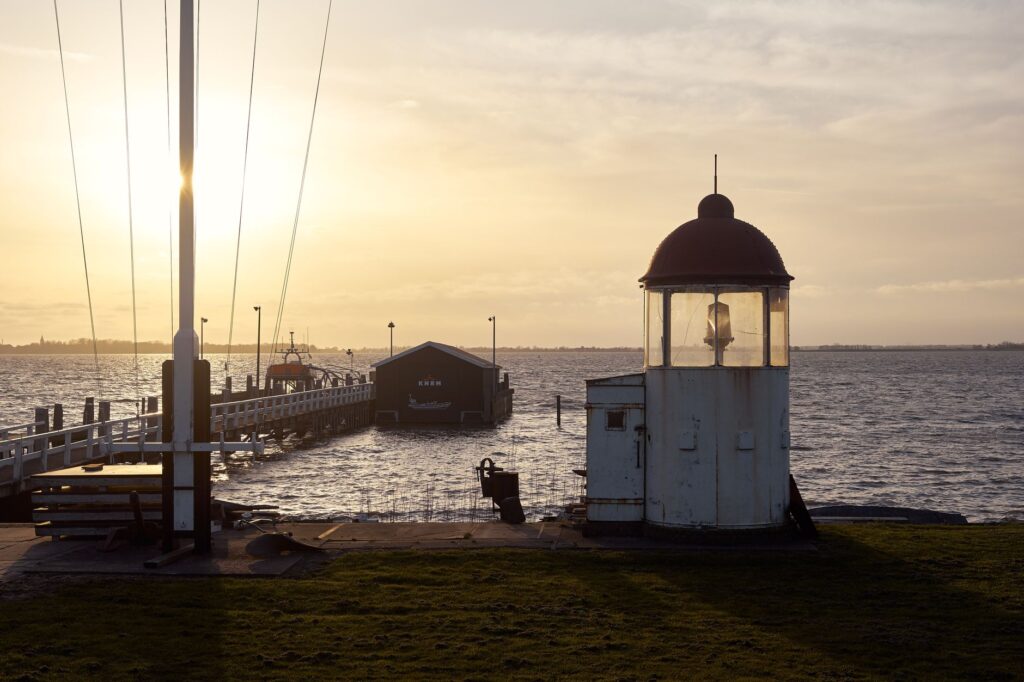
Coastal communities have adapted their tourism infrastructure to integrate into the surroundings. Historic ports such as Cuxhaven and Esbjerg host cutting-edge interpretation centers explaining the area’s geological and biological processes. Local regulations drastically limit coastal real estate development, prioritizing landscape preservation over mass hotel expansion.
Protecting an intertidal wetland requires understanding that the boundary between land and sea is not a fixed line on a map, but a mobile frontier negotiated daily by the indomitable force of the tides.
Practical Information for the Naturalist Traveler
Planning a responsible visit to Wadden Sea demands logistical rigor and awareness of the environmental factors conditioning the experience. Unlike other nature destinations, the calendar here is strictly dictated by tide tables.
How to get there: The main access points are distributed among the three countries. For the Dutch section, the ideal base is Friesland province or Texel island. On the German side, Lower Saxony and Schleswig-Holstein offer efficient rail connections to ports such as Wilhelmshaven and Husum. The Danish portion is easily explored from the coastal city of Esbjerg and Rømø island.
When to travel: Optimal migration periods occur between April and May (spring) and August to October (autumn). For seal watching, summer months offer good weather conditions, though maintaining a prudent safety distance is essential to avoid disturbing breeding seasons.
Recommended equipment: Specialized neoprene footwear or barefoot walking according to official guide instructions is mandatory for mudflat hiking (Wattwandern). Waterproof and windproof clothing is required, alongside high-quality binoculars with optical treatment for birdwatching, and daily updated tide tables. Accessing integral reserve zones without an authorized guide is strictly prohibited.
Conclusion: The Intangible Value of a Dynamic Coastline
The Wadden Sea transcends the category of a mere tourist attraction to establish itself as a living laboratory of ecological resilience. In an era marked by global environmental degradation, this vast wetland demonstrates that concerted action between science, government management, and respectful tourism can reverse negative trends and safeguard complex habitats.
The experience of walking on the seabed that hours later will be reclaimed by the North Sea leaves an indelible mark on the visitor. It reminds us of human insignificance before planetary cycles and the urgency of preserving these sanctuaries where land and sea have conversed without respite since time immemorial.