The Dimness of the Workshop and the Awakening of Embers
There is an exact moment before dawn in the highlands of Burgos and Valladolid when the chill of the barren plateau freezes the breath, and the limestone of the stately manor houses seems to exhale a subtle vapor. It is then that, within the vaulted cellars excavated centuries ago beneath the surface, a liturgy begins that has barely varied since the Middle Ages. There are no digital timers or smart thermostats in these sanctuaries of noble fat; time is measured by the color of the vine shoots as they begin to bend and by the dry crackle of Holm oak wood feeding the hearths. In the Ribera de Duero, cooking is neither a seasonal fad nor an exercise in aesthetic design, but a direct extension of the geological landscape that sustains it.
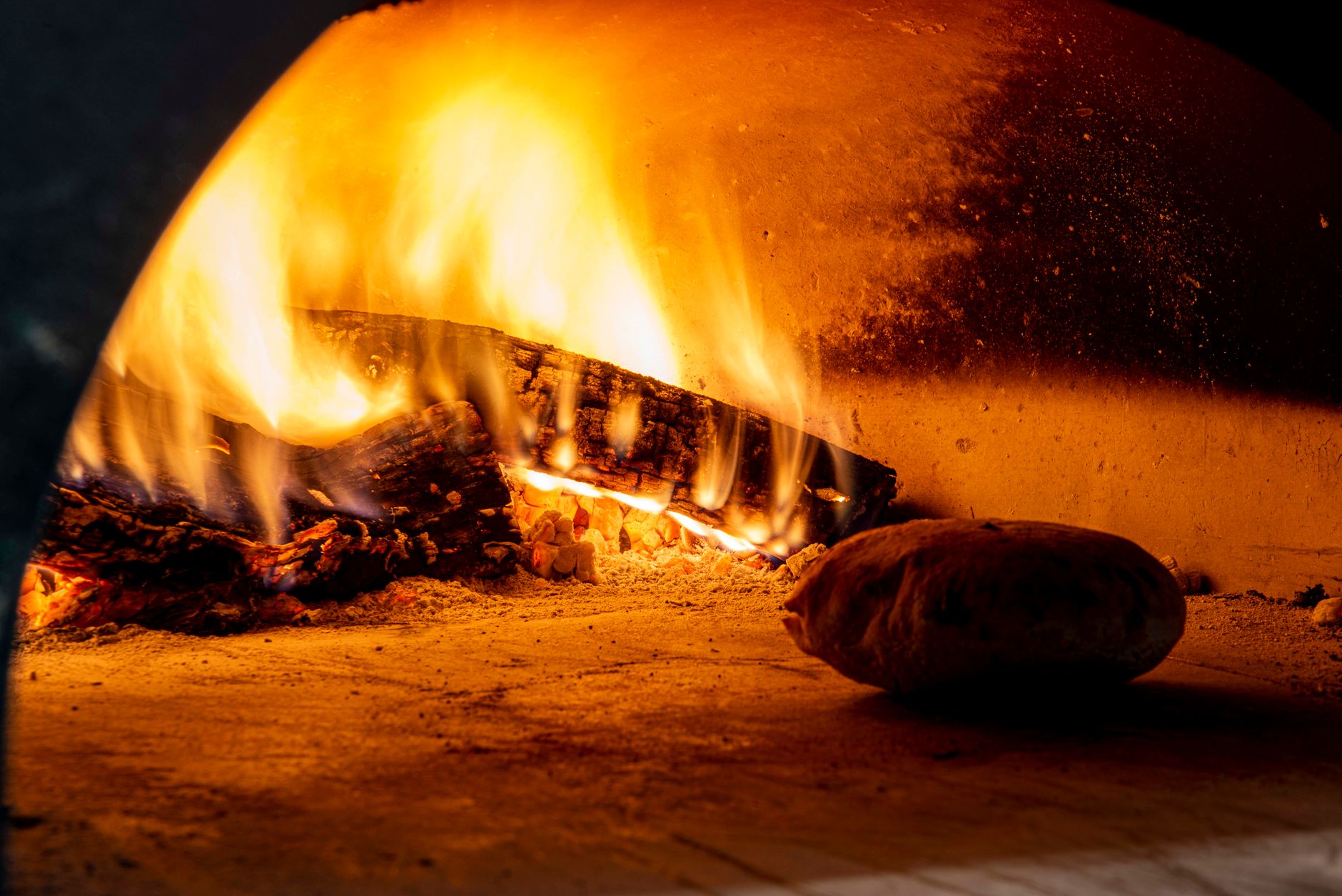
Roast suckling lamb—the undisputed emblem of this wine-growing region—cannot be understood without comprehending the invisible architecture that shelters it. The refractory clay ovens, built by master potters according to proportions passed down from parents to children, accumulate heat within their circular bellies until reaching a temperature that only the expert touch of the roasters can calibrate. Upon crossing the threshold of these centuries-old establishments, visitors do not merely come to eat; they participate in a rite of communion with the earth. The rendered fat of the animal drips onto the clay casserole, generating a dense, earthy aroma that permeates the whitewashed walls and solid oak ceiling beams.
The Raw Material: The Genetic Miracle of the Churra Sheep
For this alchemy to work, the starting point demands implacable precision. Not just any lamb or any livestock farm will do. Unwritten law and the rigor of old shepherds dictate that the protagonist must exclusively be a Churra suckling lamb, indigenous to Castile and León, nourished solely and exclusively by maternal milk during its scarce weeks of life. No compound feed or artificial supplement alters the purity of its meat, which displays a pearlescent, almost translucent tone and a thin yet homogeneous layer of subcutaneous fat capable of protecting the juices during the long exposure to radiant heat.
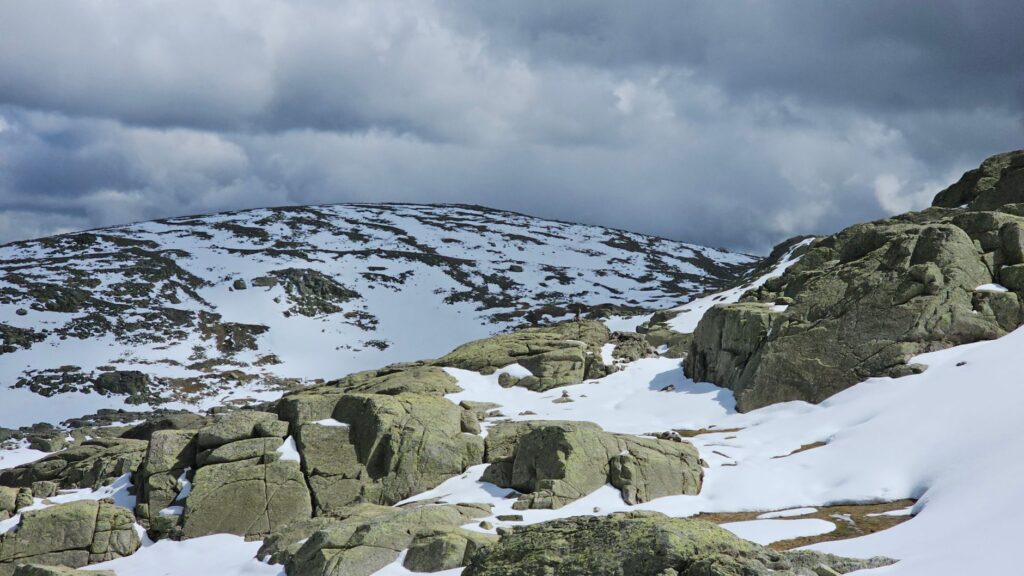
The pastures and high plains where the maternal flocks graze bestow upon the final product unmistakable organoleptic characteristics. The harshness of the climate, marked by scorching summers and unforgiving winters, forces the animal to develop compact musculature and milk with a unique fat profile rich in herbal nuances. It is this millimeter-precise balance between genetics and territory that prevents the recipe from being replicated with identical results outside its geographical sphere of influence. Here, the cook does not create; they interpret and respect a score written by generations of transhumant herders.
The Architecture of Heat: Geometry and Clay Thermodynamics
The heart of any self-respecting roasting house lies in its wood-fired oven. Unlike modern cooking, where heat is distributed uniformly and directly, the Castilian oven operates through accumulation and indirect radiation. The clay pieces, molded from local clays and fired in the area’s ancient kilns, possess exceptional thermal inertia. They are ignited with Holm oak or oak wood until the vault turns completely white, a physical phenomenon known as ‘cleaning the oven,’ which indicates that the walls have reached the exact point of caloric saturation.

Once the embers are pushed to the sides or completely removed according to traditional custom, oval clay casseroles are introduced, in which the chopped lamb rests skin-side up, accompanied strictly by water and coarse salt. The use of added lards, garlic, aromatic herbs, or complex broths is strictly forbidden. The philosophy prevailing in traditional kitchens is radically subtractive: the goal is to strip the food of any interference so that it speaks for itself. The water added to the bottom of the casserole does not seek to boil the meat, but rather to generate a humid vapor that, combined with rendered fat, prevents the surface from drying out before the skin achieves the optimal crunch.
The silence in the workshop before opening the ovens is that of a secular cathedral; no one speaks, everyone watches the surface of the meat searching for the exact hue of toasted amber.
The Ceremony of Carving and the Crispy Crust
The culminating moment of the service has a dimension that is almost theatrical, yet devoid of artifice. When the casseroles leave the mouth of the oven after more than two hours of slow cooking, the lamb’s skin has transformed into a crispy, golden, brittle crust that conceals within it a muscle fiber so tender it dissolves upon contact with the palate. Tradition dictates that the dish must be carved at the diner’s table using only the edge of a white earthenware plate, without the need for sharp knives that would tear the structure of the piece.
This ancient gesture, repeated thousands of times in roadside inns and taverns, tests the roaster’s mastery. If the plate cuts the meat without resistance, the time and temperature were exact. If the fiber offers hardness, the ritual has failed. The sound of the plate slicing through the crispy crust while warm juices well up is the background music defining the gastronomic identity of the region. Accompanied solely by a seasonal lettuce salad dressed with extra virgin olive oil and wine vinegar, and flanked by a bottle of red wine from the Ribera de Duero Denominación de Origen, the ensemble achieves a harmony difficult to match in contemporary haute cuisine.
The Guardians of Fire: Endangered Trades
Behind every seasoned roasting house lies an invisible human chain at risk of extinction. From the lumberjacks who select and cut Holm oak logs with just the right amount of moisture, to the potters who continue to model casseroles by hand in family workshops, the suckling lamb ecosystem depends on artisan knowledge not found in academic manuals. Master roasters spend decades monitoring the behavior of the draft, intuiting the outside wind by how the chimney roars, and calculating the exact amount of wood needed according to the morning’s ambient humidity.
This oral transmission of knowledge faces the challenges of modernity today: a shortage of generational handover, rising energy costs, and the standardization of global tastes. However, the most solid temples of Aranda de Duero, Roa, or Peñafiel stand firm in their refusal to industrialize the process. Buying an electric oven or pre-cooking pieces vacuum-sealed would mean the sudden death of a gastronomic culture whose value lies precisely in slowness, controlled imperfection, and absolute respect for living matter.

The Geological Pairing: Symbiosis with Tempranillo
No analysis of roast suckling lamb would be complete without addressing its symbiotic relationship with local wine, produced primarily from the Tinto Fino or Tempranillo grape variety. The unctuous, powerful fat of the Churra lamb requires a structural counterpart capable of cleansing the palate without masking the milky and toasted nuances of the meat. Ribera de Duero wines, endowed with a solid tannic backbone, vibrant acidity, and a marked fruit profile with notes of aging in noble wood, act as the perfect complement.
Local winemakers explain that the wine’s natural acidity cuts through the persistent fat of the roast, while mature tannins merge with the meat’s proteins in a chemical reaction that softens both textures. Drinking a glass of barrel-aged wine while savoring a crispy rib is to grasp the concept of ‘terroir’ in its maximum expression: limestone soil, extreme climate, grain, vine, and flock converge in a single sensory moment that cannot be relocated to any other latitude on the planet.
Practical Information for the Rigorous Traveler
For travelers wishing to delve into this territory with due respect and rigor, planning the route while keeping local rhythms in mind is essential. Traditional roasting houses typically ignite their ovens only once a day for the midday service, which in Castile and León leisurely extends between 14:00 and 16:30 hours. Advance reservation is imperative, specifying the number of quarters of lamb desired, as cooking is planned with millimeter precision to avoid waste or shortages.

The best season for this journey comprises the autumn and winter months, when the outdoor cold enhances the comforting experience of wood fire. As a complementary route, visiting the artisan potteries of Aranda de Duero is recommended to understand the origin of the clay casseroles, alongside touring the underground wine cellars excavated beneath the historic town center, where thousands of bottles rest in stable natural temperature and humidity conditions. Private vehicle access allows for exploring small wine villages where Churra sheep pastoralism still operates.
Epilogue: The Resistance of Authentic Flavor
In an era dominated by speed, deconstruction, and the tyranny of social media in haute cuisine, the traditional roasting houses of Ribera de Duero represent a bastion of peaceful resistance. They seek neither sensationalist surprise nor fleeting applause. Their culinary proposal is an exercise in memory and fidelity to the laws of elementary physics: wood, clay, fire, meat, and salt. Sitting before a steaming casserole of suckling lamb in a Castilian cellar is a reminder that true sophistication often consists of knowing how to wait, honoring produce without altering it, and understanding that humanity’s finest flavors are those rooted deepest in the earth.