Introduction to the Arctic Sanctuary of the Mind
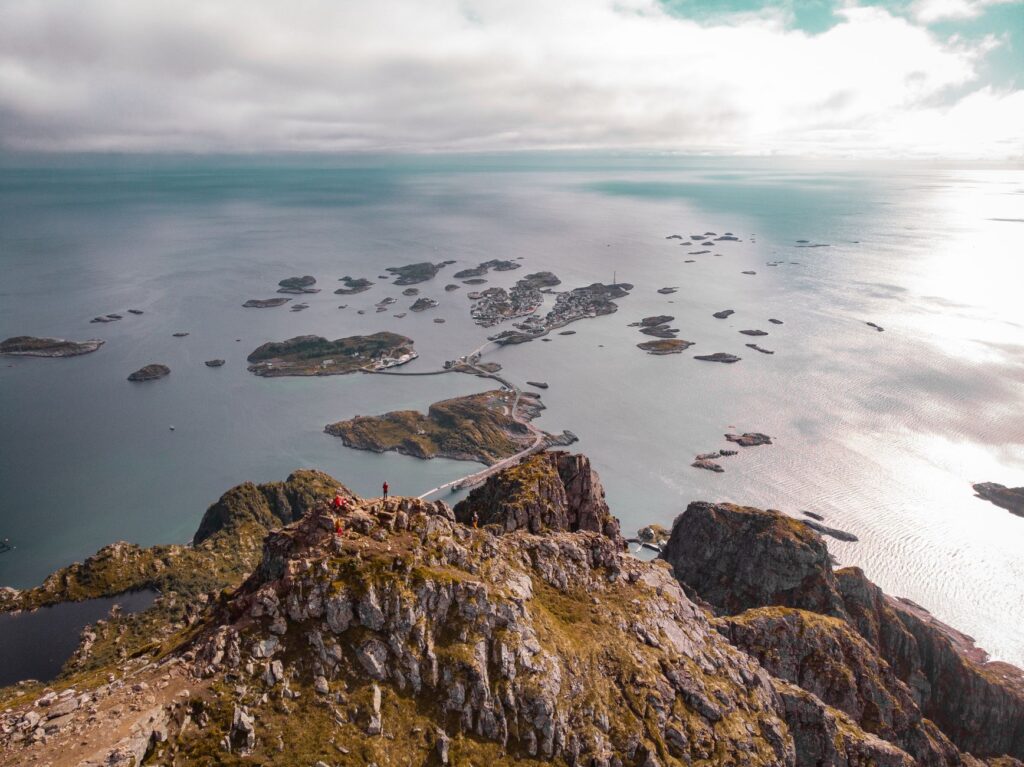
In an era defined by perpetual hyperconnectivity and algorithmic fatigue, the human need for pause has shifted from a vacation whim to a clinical urgency. The Lofoten Islands, a rugged archipelago thrusting into the freezing waters of the Norwegian Sea far above the Arctic Circle, offer far more than postcard-ready scenery: they represent a natural laboratory for cognitive restoration. Here, where granitic peaks plunge precipitously into deep fjords and the rhythm of the days is dictated by seasonal light or total winter darkness, silence is not merely the absence of sound, but a dense presence that reorganizes one’s thoughts.
The concept of wellness has evolved drastically in recent years. While the global wellness industry has historically prioritized conventional spas, tropical yoga retreats, and commercial detox diets, the contemporary traveler seeks something more radical: the suppression of urban stimuli and a reconnection with the human scale against geological immensity. Lofoten, with its traditional rorbuer (former fishermen’s cabins converted into low-impact accommodations) and fragmented island geography, provides the isolation necessary for the nervous system to step down from a state of permanent alert.
The Neuroscience of Extreme Landscapes and Stillness
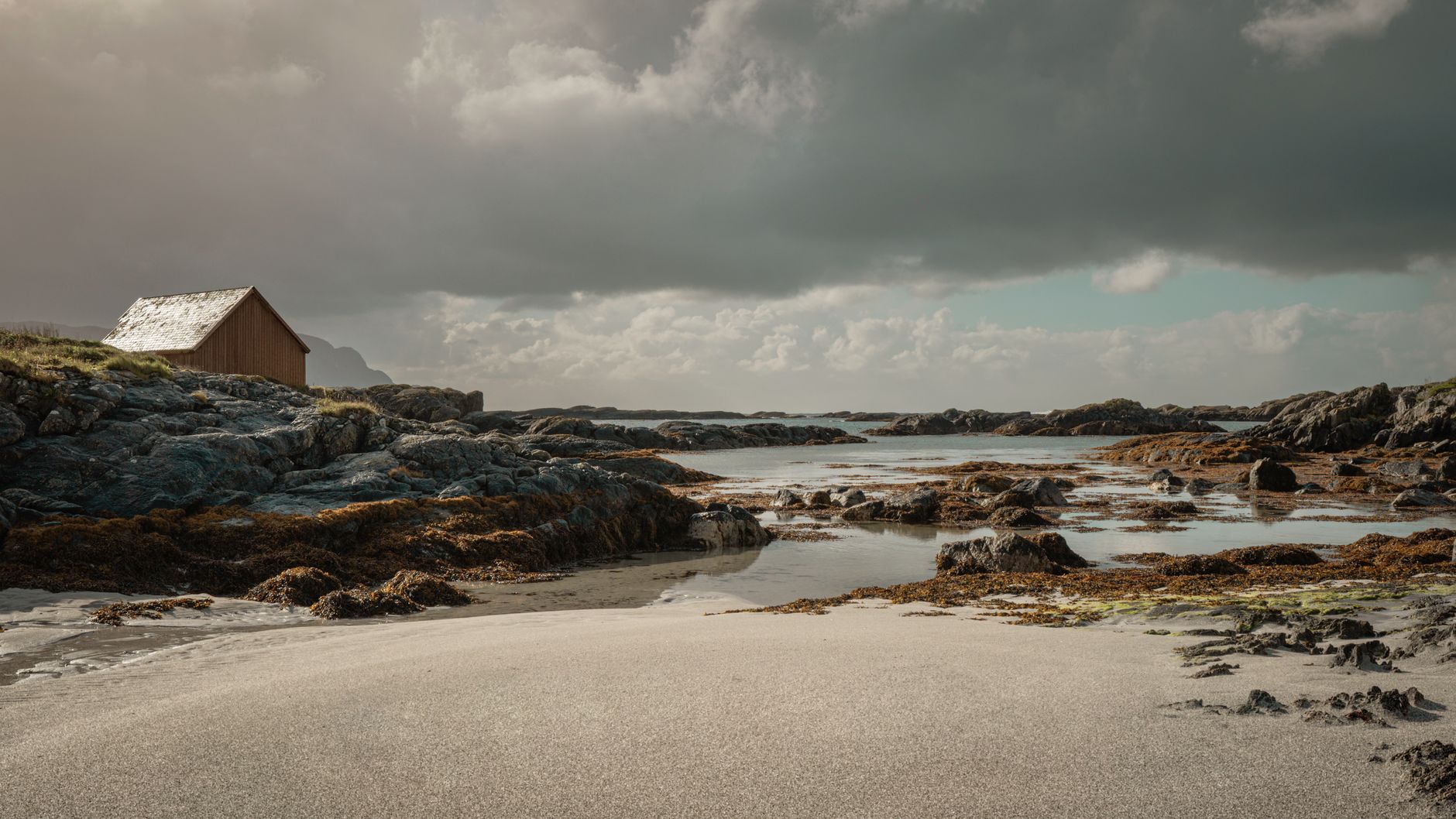
Numerous studies in environmental psychology suggest that exposure to natural environments featuring high visual complexity yet low anthropogenic load—such as glacial cliffs and white-sand beaches whipped by Arctic winds in Lofoten—activates the brain’s default mode network. This network is responsible for self-reflection, autobiographical memory, and deep creativity, functions that are frequently numbed under the constant siege of digital notifications and professional demands.
Unlike traditional wellness destinations where clients are passively tended to via massages or body wraps, in Lofoten, well-being arises from conscious exposure to the elements. Walking along trails where the sole sound is the crashing of Norwegian Sea waves and the distant cry of kittiwakes compels the individual to anchor themselves firmly in the present. The harshness of the Arctic climate acts as an implacable filter that dissolves the trivial worries of modern life, replacing them with the mindfulness demanded by every single step across rocky or muddy terrain.
True luxury in the twenty-first century does not consist of accumulating exclusive experiences, but of reclaiming sovereignty over one’s own time and uninterrupted attention.
The Architecture of Simplicity and Spatial Redesign
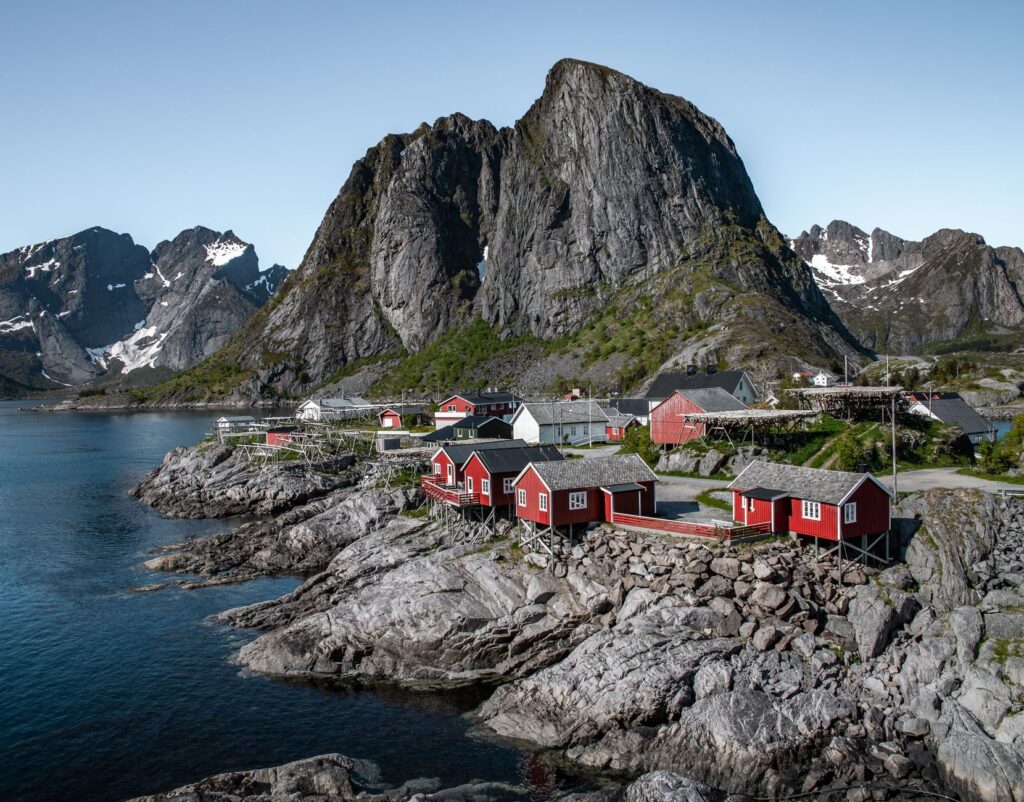
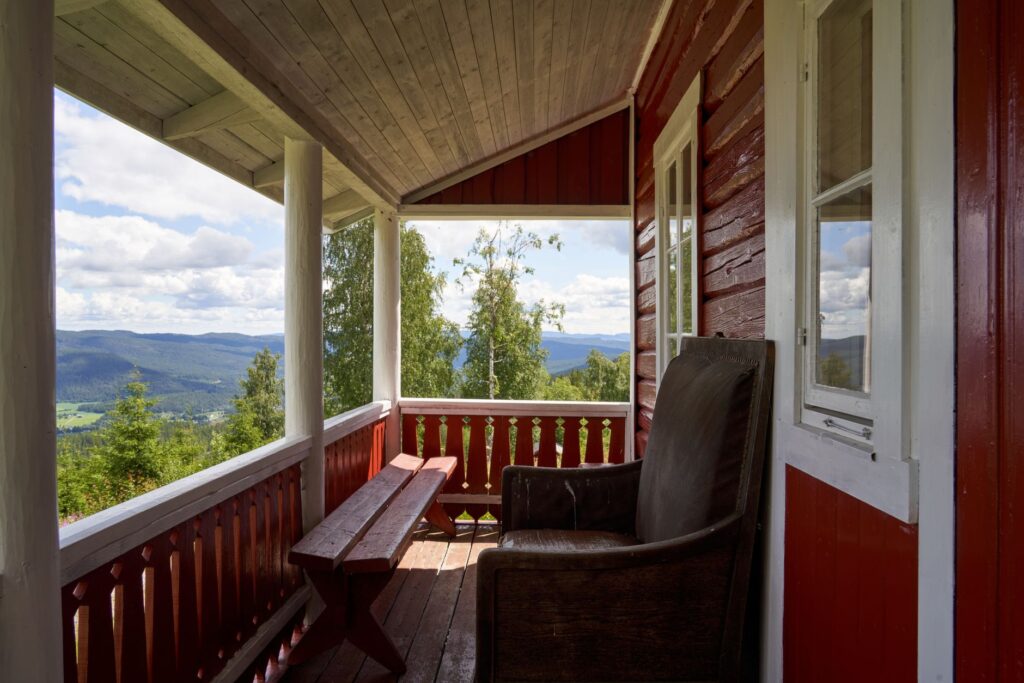
Accommodation in the Lofoten Islands plays a foundational role in this introspective process. The restored fishermen’s cabins, raised on wooden pilings directly over the waters of the fjord, combine a Nordic minimalist aesthetic with absolute respect for the region’s industrial heritage. The absence of superfluous elements in these interior spaces fosters mental calm. Untreated wooden walls, large windows oriented toward the marine horizon, and warm lighting create a protective shelter against the fury of the external elements.
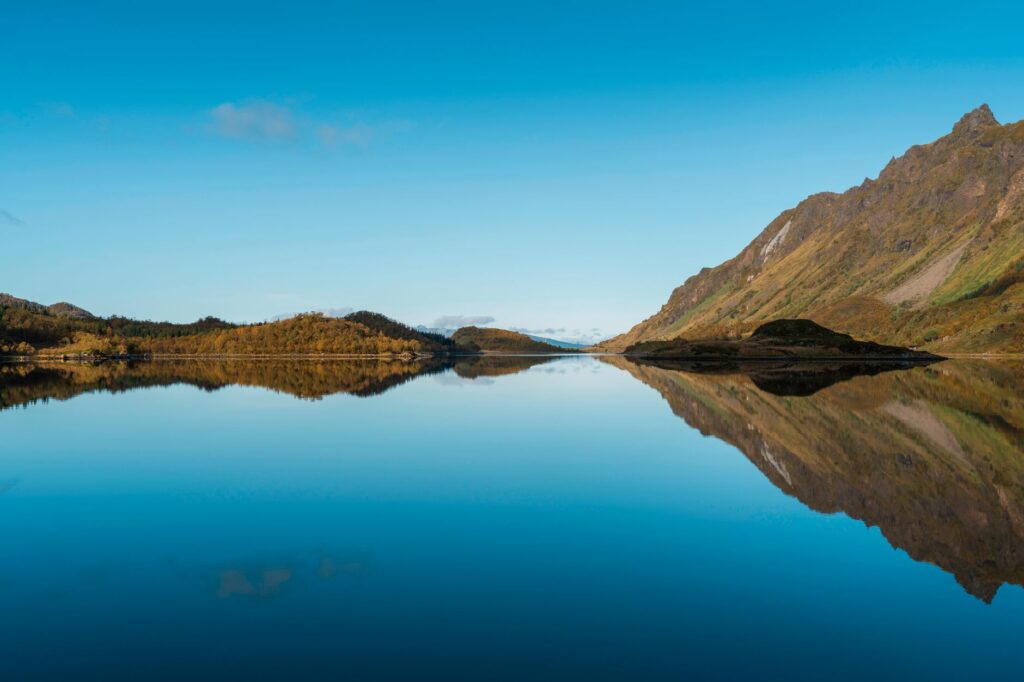
This architecture of containment contrasts sharply with the visual excess of conventional tourist resorts. Here, interior design is subordinated to the exterior landscape. Sitting beside a window to observe the constant shift of Arctic light—from the golden and pink tones of the midnight sun in summer to the deep blue of the polar night in winter—constitutes a form of passive meditation that dramatically reduces blood cortisol levels, as various Scandinavian occupational therapists agree.
Cold-Water Gastronomy as Integrative Medicine
Well-being in Lofoten is also ingested. The traditional diet of these islands, based on Arctic cod (skrei) that migrates each winter from the Barents Sea to spawn in the archipelago’s protected waters, forms a cornerstone of physical health complementing mental rest. This fish, air-dried outdoors on characteristic hjell (wooden racks dominating the coastal landscape since the Viking Age), is an exceptional source of omega-3 fatty acids, high-quality proteins, and essential minerals.
Local chefs and retreats specializing in integrative health have revived this ancestral cookbook, combining it with wild herbs harvested from the tundra and antioxidant-rich seaweeds. Eating here is not an act of culinary ostentation, but a direct communion with the ocean’s natural cycles. The absolute traceability of the food—where the fish may have been caught mere meters from the table hours earlier—reinforces the sense of authenticity and rootedness sought by travelers fatigued by food globalization.
Slow Mobility: Unhurried Hikes and Journeys
Physical exploration of Lofoten is governed by the principle of slow travel. Forsaking packed itineraries that attempt to cram multiple attractions into a few days, the expert recommendation for this type of wellness tourism is to select a single base enclave—such as the villages of Reine, Henningsvær, or Nusfjord—and explore its surroundings exclusively on foot or via traditional wooden boats.

Hiking trails, while demanding in certain sections like the climb up Reinebringen, are designed to connect the walker with the scale of the territory. The goal is not to break personal records, but to regulate breathing to the rhythm of the slope, listen to the crunch of lichens beneath boots, and experience the humility of inhabiting a landscape sculpted by glaciers over millennia. This moderate, steady physical activity stimulates the production of endorphins and facilitates deep, restorative sleep when night falls.
Facing the verticality of Arctic peaks with no tools other than one’s own body returns the traveler to a salutary awareness of their own fragility.
The Role of Light and Darkness in Circadian Health
One of the archipelago’s greatest therapeutic attractions lies in its extreme light regime. During the summer months, the midnight sun bathes the islands in a perpetual clarity that temporarily disorients the biological clock, forcing the mind to abandon the tyranny of strict hours and be guided by genuine physical fatigue. At the opposite extreme, the polar night season (between December and January) offers a bluish darkness broken only by the Northern Lights, a celestial spectacle that induces silent contemplation and profound rest.
Sleep medicine specialists note that these light alterations, experienced in a secure environment free from work stress, act as a reset for circadian rhythms disrupted by blue screen light and urban work shifts. The observation of an aurora borealis, far from being treated merely as a photographic gimmick, functions as a reminder of the universe’s vastness, shrinking everyday problems and facilitating emotional catharsis.
Practical Information for a Conscious Disconnection Journey
Planning an introspective wellness retreat in the Lofoten Islands requires rigorous logistics to deliberately avoid the sources of stress one seeks to leave behind. Essential guidelines are detailed below:
- Getting There: The most efficient route departs from Oslo with a scheduled flight to Bodø Airport, from where you can take the passenger or vehicle ferry to Moskenes, or fly directly to Leknes or Svolvær airports with a layover in Bodø.
- Best Time According to Purpose: For those seeking continuous hiking and infinite light, June through August is ideal. For absolute disconnection under the shelter of the polar night and Northern Lights viewing, October through February offers the most introspective setting.
- Recommended Accommodation: Opt for historical rorbuer managed by local communities in fishing villages such as Nusfjord or Å, guaranteeing a commitment to sustainability and the conservation of architectural heritage.
- Essential Equipment: Technical layering apparel in merino wool, waterproof mountain footwear with high-grip soles, and a firm commitment to keeping electronic devices on airplane mode for the majority of the stay.
Conclusion: The Transformed Return
The journey to the Lofoten Islands with a purpose of mental wellness is not an escape from reality, but a reunion with the essential. Upon returning to their places of origin, travelers who have surrendered to the silence of the fjords, the harshness of the climate, and the simplicity of their wooden cabins experience a lasting transformation. They understand that inner peace does not depend on the absence of noise in the outside world, but on the capacity to build an impregnable refuge within oneself, inspired by the indelible memory of Arctic peaks sinking into the sea.