Origins and Foundation of France’s First Protected Sanctuary
The French Alpine territory harbors one of the most fascinating conservation histories on the European continent within its core. Established in 1963 under the impetus of naturalists and mountaineers who feared the extinction of the alpine ibex, Vanoise National Park stands today as a pioneering model of high-mountain protection. Located in the Savoy department, this massive range borders Gran Paradiso National Park in Italy to the south, sharing a vast natural frontier and a historical commitment to wildlife safeguarding. The genesis of this space did not respond to an aesthetic whim, but rather to an urgent necessity to halt the poaching and industrial exploitation that threatened to empty the summits of life.
Unlike other European enclaves where human intervention has been drastically erased, Vanoise is characterized by a complex zoning system. It features a strictly protected core area where flora, fauna, and geological resources enjoy total immunity from commercial exploitation, surrounded by an inhabited periphery integrating traditional mountain villages. This duality generates an ongoing debate on how to manage visitor flows without altering the fragile balance of boreal and alpine ecosystems. Park managers face the perennial challenge each season of reconciling the public right to nature enjoyment with the preservation of habitats that evolve at an extremely slow pace.
Glacial Geology and Morphology of the High Massifs
The landscape of Vanoise is an open book on the geological history of the Earth. Dominated by major peaks frequently exceeding three thousand meters in altitude—such as Grande Casse, reaching 3,855 meters—the massif combines formations of schistous slates, Triassic limestones, and thick gypsum outcrops. During successive Quaternary glaciations, massive ice tongues carved out U-shaped valleys, leaving behind a legacy of glacial cirques, lateral moraines, and high-altitude crystal-clear lakes reflecting the Savoyard sky. The current retreat of these glaciers, scientifically documented through continuous monitoring stations, constitutes one of the clearest indicators of climate change in the Alpine arc.
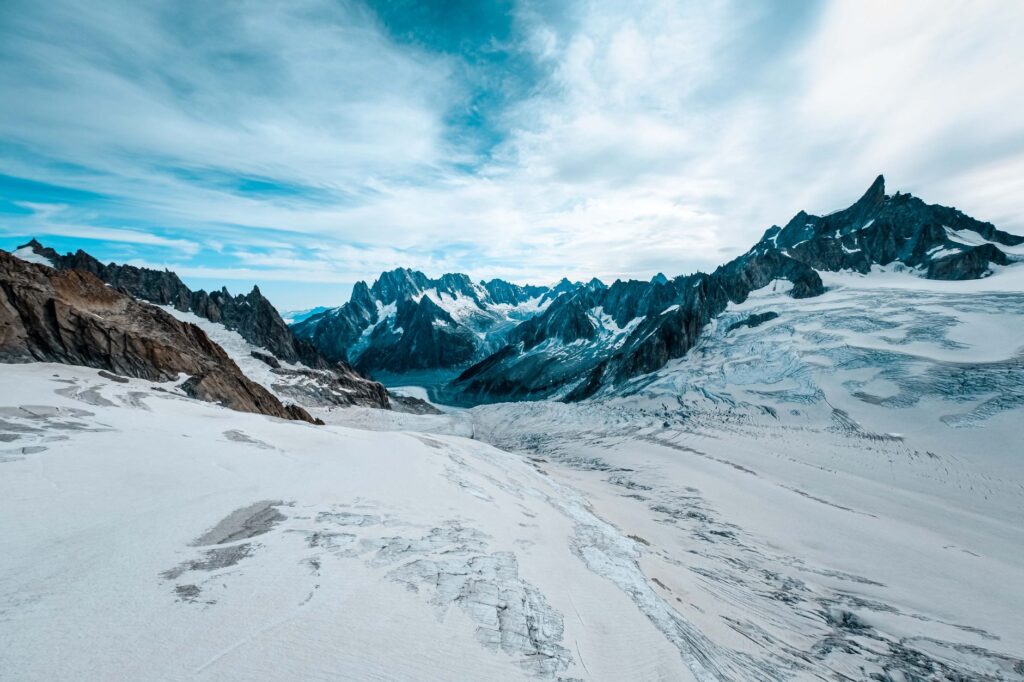
Gypsum and limestone formations grant the terrain a singular permeability, generating complex underground karstic systems that feed mountain springs and swift torrents. This mineral substrate directly conditions vegetation. While north-facing slopes harbor dense forests of spruce and larch in lower tiers, sun-exposed plateaus support alpine grasslands of exceptional floristic wealth. In these high pastures, botanical species adapted to ultraviolet radiation and extreme cold thrive, such as field gentian, edelweiss, and various varieties of saxifrage blanketing the rocks during the brief summer.
Population Dynamics of the Alpine Ibex and Local Fauna
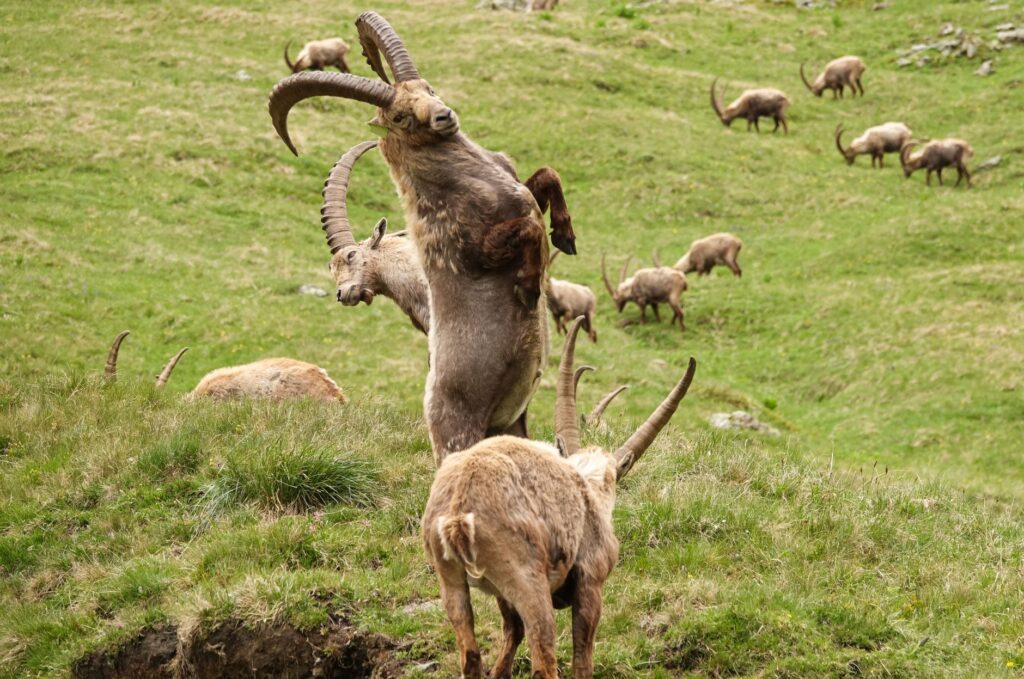
The undisputed symbol of Vanoise is the European alpine ibex (Capra ibex). In the 1960s, the total population in the massif numbered barely dozens of individuals cornered by hunting pressure. Thanks to strict park surveillance and cross-border reintroduction programs coordinated with Italy, the current population comfortably exceeds two thousand individuals. These animals, endowed with astounding agility for climbing impossible rock ledges, graze in subalpine meadows during the warm months and descend to more sheltered slopes when snow covers high elevations. Their observation has become a primary scientific and photographic attraction for naturalists visiting the area.
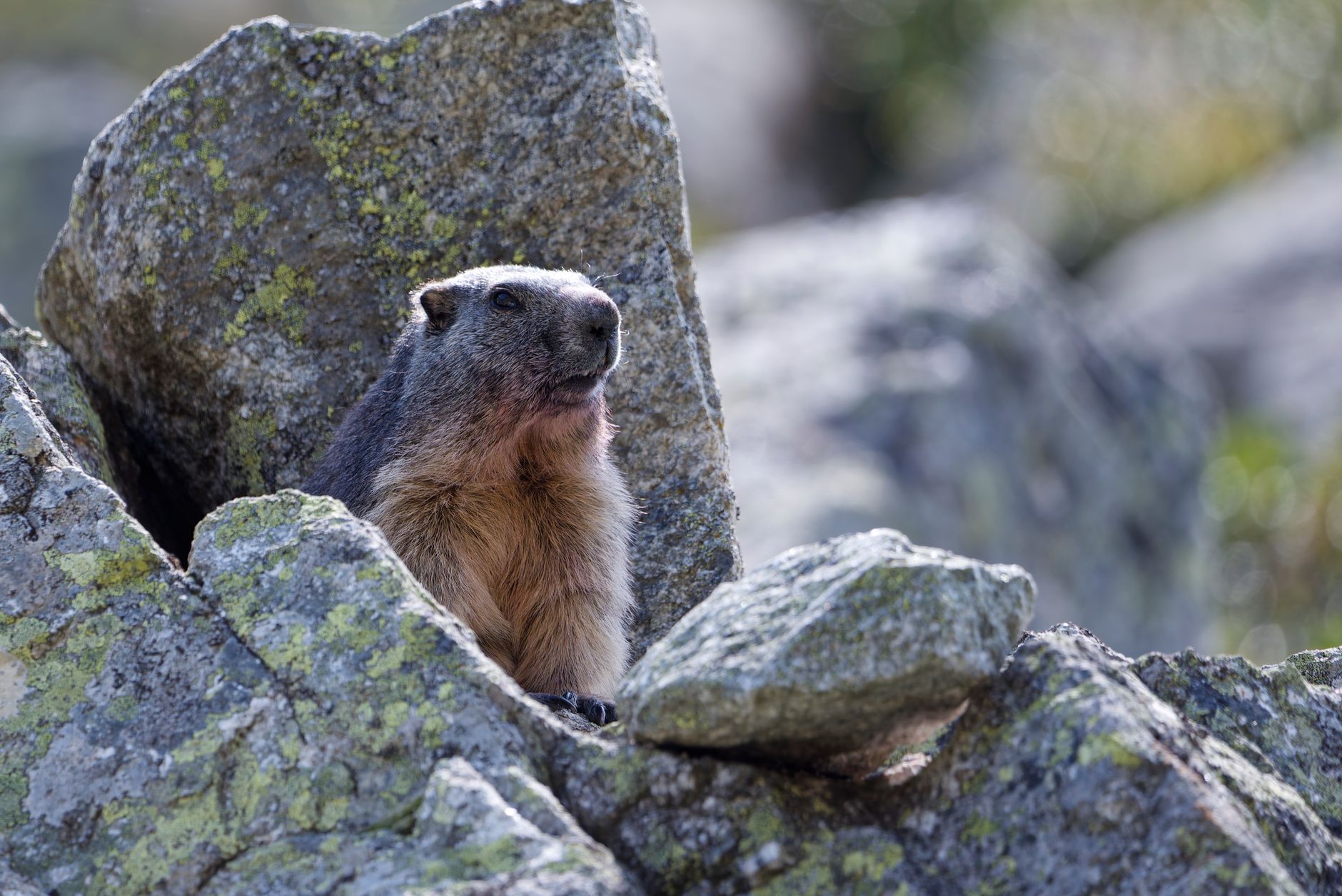
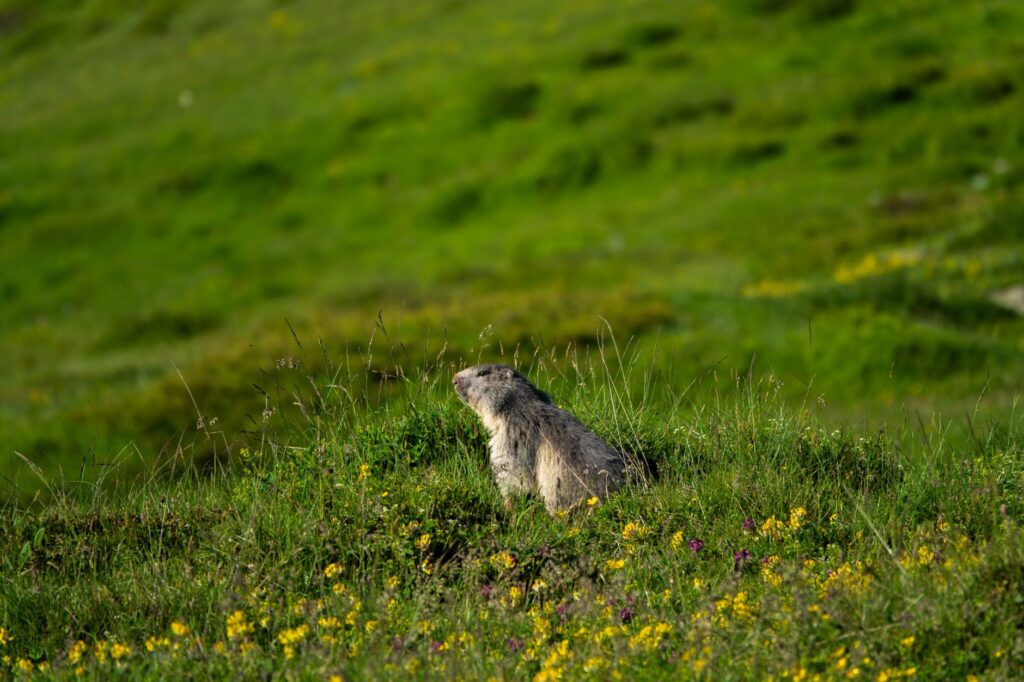
Alongside the ibex, the park hosts a thriving community of chamois (Rupicapra rupicapra), whose population undergoes periodic censuses to assess meadow health. Avian life also achieves exceptional interest. The golden eagle (Aquila chrysaetos) reigns in the skies of Vanoise, nesting on inaccessible ledges of limestone cliffs, while the bearded vulture (Gypaetus barbatus), successfully reintroduced in recent years, soars over crests seeking bones to extract essential nutrients. The alpine marmot (Marmota marmota), meanwhile, animates meadows with its shrill alarm whistles, becoming the easiest mammal to spot for hikers walking traditional trails.
Network of Refuges and High Mountain Architecture
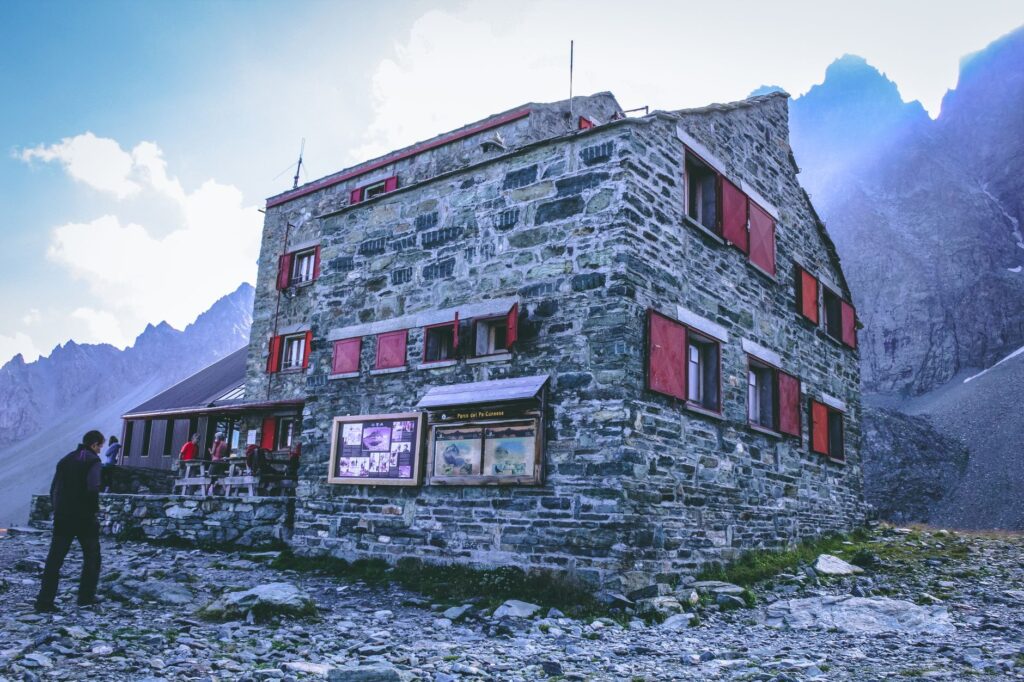
Hiking in Vanoise relies on a historic infrastructure of mountain refuges managed by the French Alpine Club (CAF) and local administrations. These facilities are not mere tourist hostels, but authentic advanced outposts for safety, meteorology, and mountain culture. Many of them were erected in the mid-20th century with materials transported by mules or helicopters, defying the adverse weather of high mountain passes. Staying at a refuge such as La Dent Parrachée or Entre-Deux-Eaux allows travelers to understand the logistical effort required to supply food, energy, and running water to a building situated above two thousand five hundred meters of altitude.
The architecture of these refuges has evolved notably in recent decades. Traditionally characterized by austere functionality and the predominance of local stone and larch wood, they now incorporate cutting-edge energy efficiency technologies. Photovoltaic solar panels, graywater purification systems using high-altitude reed beds, and hydraulic micro-turbines powered by nearby torrents drastically reduce the carbon footprint of these facilities. Sleeping under the starry sky of Vanoise, listening to the distant murmur of a glacial stream, offers a unique perspective on self-sufficiency in remote environments.
The true measure of conservation in high mountains is not gauged by how many people visit the valleys, but by the capacity of ecosystems to maintain their biological cycles intact against external pressure.
The Summer Challenge: Sustainable Hiking and Crowd Control
With the arrival of summer months, Vanoise welcomes thousands of outdoor enthusiasts drawn by the Tour de la Vanoise, a long-distance circular itinerary circumventing the main massif across more than one hundred and fifty kilometers of marked trails. This tourist flow, while indispensable for the economy of peripheral valleys, generates environmental impacts that park management closely monitors. Trail erosion due to massive foot traffic, waste accumulation, and the alteration of wildlife behavior through excessive proximity by photographers are recurrent issues demanding active and rigorous management.
To mitigate these effects, national park regulations are strict and clear. Camping outside authorized zones near refuges, lighting fires anywhere within the protected territory, and flying drones or unmanned aerial vehicles that might stress raptors during breeding season are strictly prohibited. Dogs are barred from entering, even on leashes, to prevent disease transmission to wildlife and discourage harassment of sheep flocks grazing under the protection of guard dogs or *patous*. These measures, often unpopular among certain uninformed visitors, are fundamental for guaranteeing the survival of natural values justifying the park’s creation.
Traditional Grazing and Rural Coexistence
Vanoise is not a sterilized natural museum, but a living territory where millenary agricultural activity still plays a crucial ecological role. During summer, thousands of cows from native dairy breeds, such as Tarine and Abondance, ascend to high pastures in a traditional process known as transhumance. Milk obtained from these high-mountain pastures, rich in wildflowers and herbs, serves as the indispensable raw material for producing cheeses protected by designation of origin, such as the famous Beaufort. This product, known as the *prince of gruyères*, directly links the traveler’s palate with the conservation of open landscapes.
The presence of cattle and sheep flocks in alpine meadows is not without contemporary challenges. The natural return of the wolf to the French Alpine arc has reopened the debate on coexistence between extensive livestock farming and large predators. Vanoise shepherds have long utilized reinforced protection systems, including mobile electrified fencing and the introduction of Pyrenean Mountain guard dogs. This participatory management model seeks to demonstrate that traditional economic activity and wild biodiversity can share the same territory without resorting to the extermination of native species.
Ethnographic Heritage and Vernacular Architecture
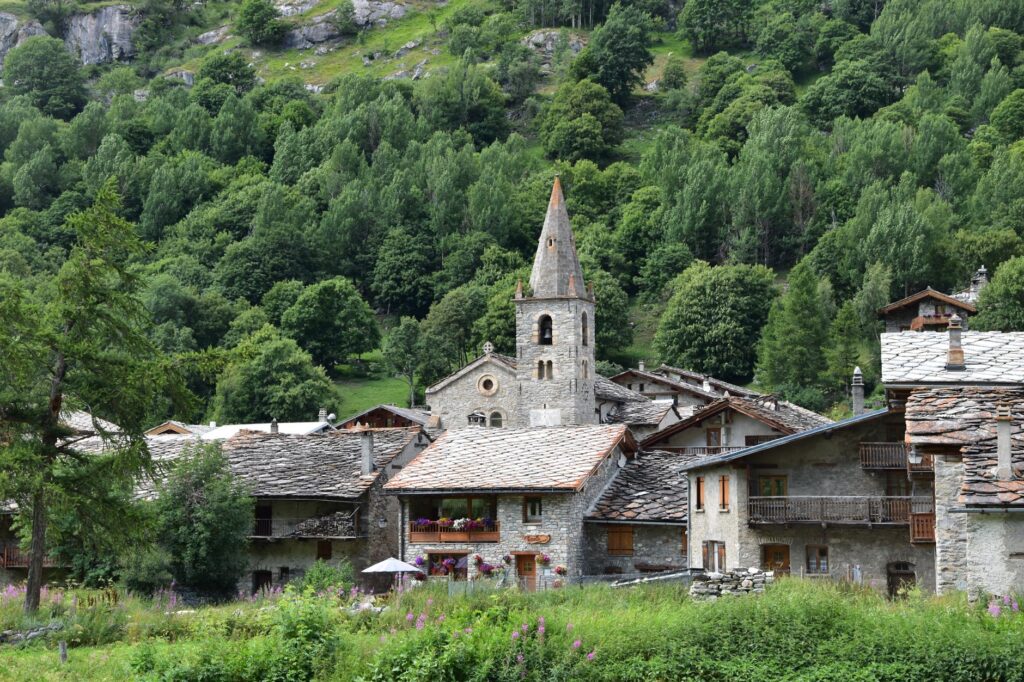
Beyond its summits and glaciers, the periphery of Vanoise preserves cultural and historical heritage of incalculable value. Villages surrounding the park, such as Bonneval-sur-Arc or Champagny-en-Vanoise, retain intact vernacular architecture defying the passage of time. Traditional houses, built with thick local stone walls and heavy slate roofs, feature south-facing wooden galleries to maximize winter sunlight hours. These settlements reflect the adaptive capacity of communities that historically had to produce their own food, textiles, and tools autonomously to survive winters of up to six months of isolation.
Baroque religious art constitutes another cultural surprise of the region. The so-called *Baroque churches of Savoy*, built in the 17th and 18th centuries with economic remittances sent by local emigrants returning from major European cities, surprise travelers through the ornamental luxury of their gilded altarpieces contrasting with the exterior sobriety of alpine stone. Visiting these temples, as well as ancient restored communal ovens and water mills in the valleys, allows travelers to rediscover a profound human dimension complementing the strictly naturalist experience of the park.
Practical Information for the Responsible Traveler
Planning a trip to Vanoise requires rigor and respect for changing high-mountain conditions. The ideal season for summer hiking extends from early July to late September, when most winter snow has retreated from main trails and refuges operate at full capacity. Outside this window, the risk of avalanches and extreme weather conditions makes any excursion without proper technical equipment and proven winter experience highly inadvisable.
To reach the park territory, accessing by train to stations such as Bourg-Saint-Maurice or Modane constitutes the most sustainable and efficient option, connecting directly with local bus lines ascending to the valleys. Consulting the local weather forecast before starting any route, carrying mountain footwear with grippy soles, windproof waterproof clothing, and sufficient water is essential. Scrupulously respecting national park regulations, packing out all waste, and observing a prudent distance from wildlife ensure that Vanoise preserves its majesty intact for future generations.
Walking the trails of Vanoise is an exercise in humility before the scale of geological time and the persistence of a nature that demands our utmost respect.