The Vertical Conquest of the Sacred Mountain
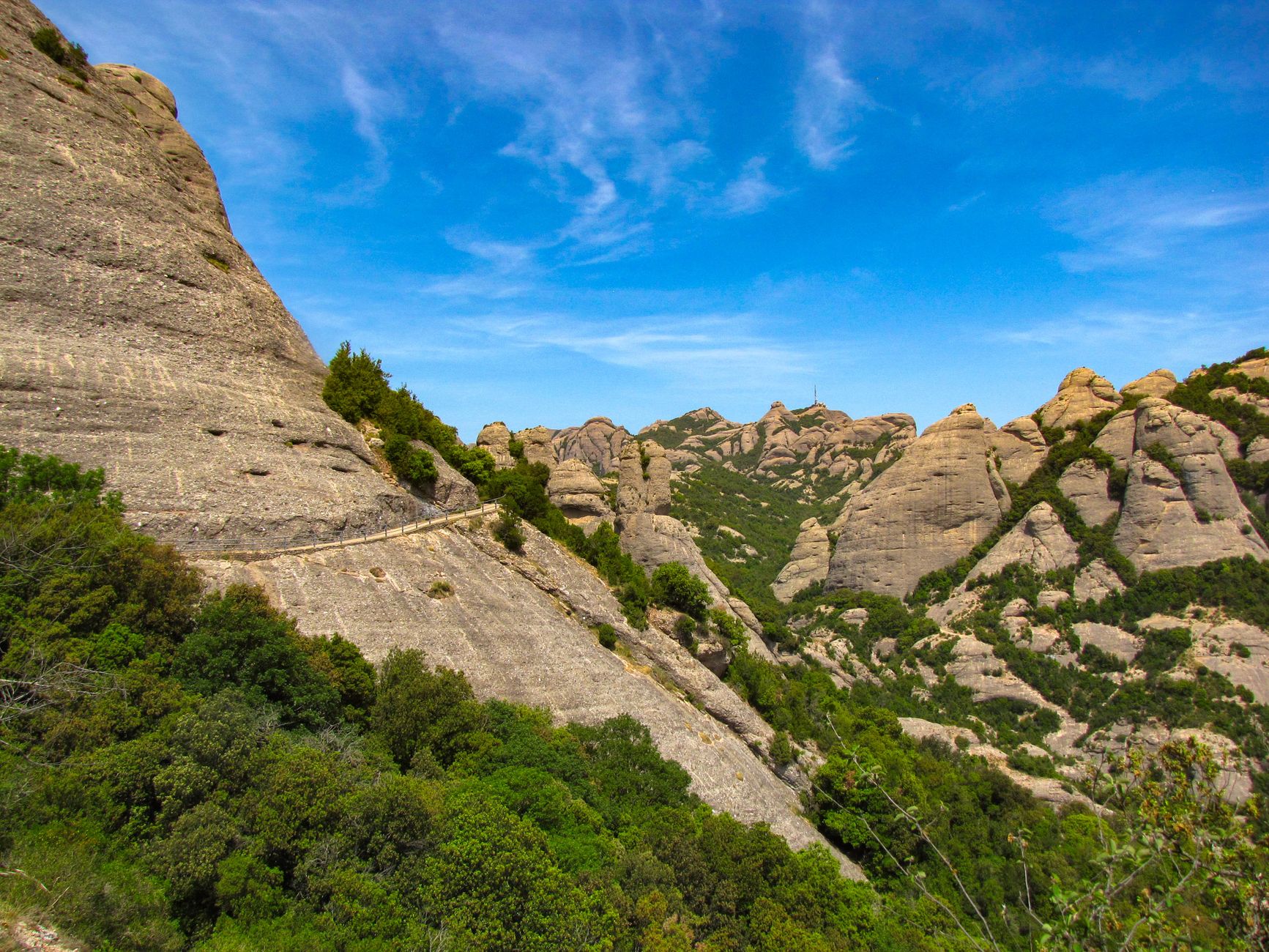
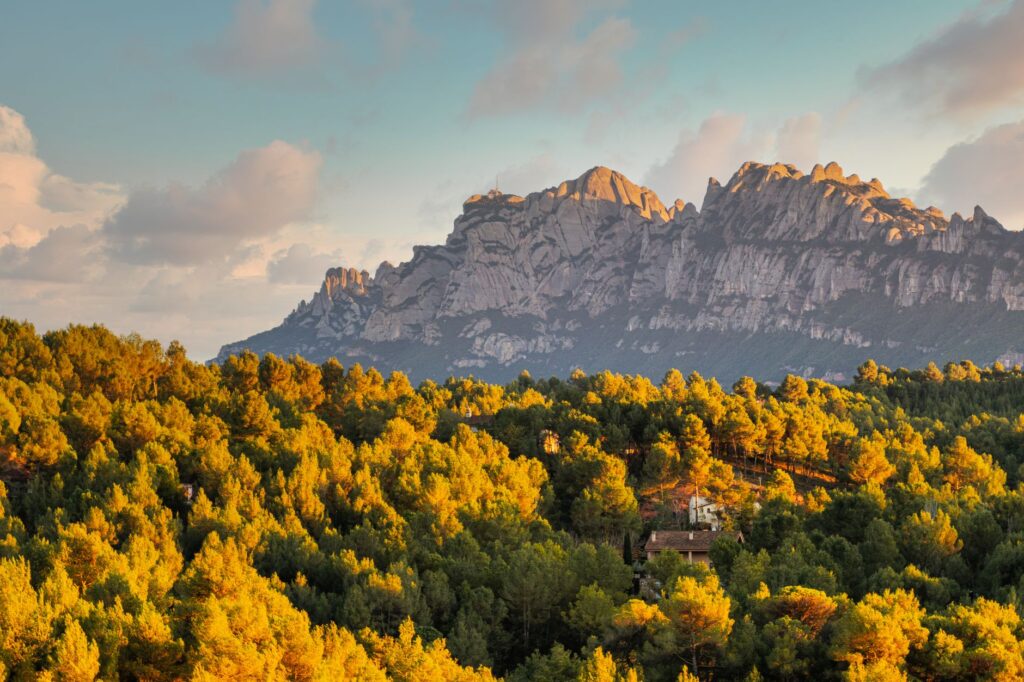
A short distance from Barcelona, rising from the plain like a massive stone wall sculpted by wind and water, stands the massif of Montserrat. Far from the overcrowding of conventional urban circuits, the approach to this ancient sanctuary finds in the Montserrat Rack Railway not merely an efficient mode of transport, but a genuine piece of industrial archaeology in motion. Since its inauguration at the end of the 19th century, this rack railway has overcome impossible gradients to connect the valley floor of the Llobregat River with the heights where the celebrated image of the Virgin of Montserrat rests.
The journey begins at the Monistrol de Montserrat station, a strategic enclave where the history of Catalan transport converges with railway modernity. The transition from the plain to the mountain is far from subtle; as soon as the convoy leaves the station, the motors begin to engage with the central rack of the Abt system, a Swiss invention that revolutionized alpine and high-mountain mobility. This mechanism allows the train to climb slopes of up to 15 percent, defying gravity with micrometric precision as the urban landscape gives way to sheer walls of calcareous conglomerate.
Rack Engineering and Railway Heritage
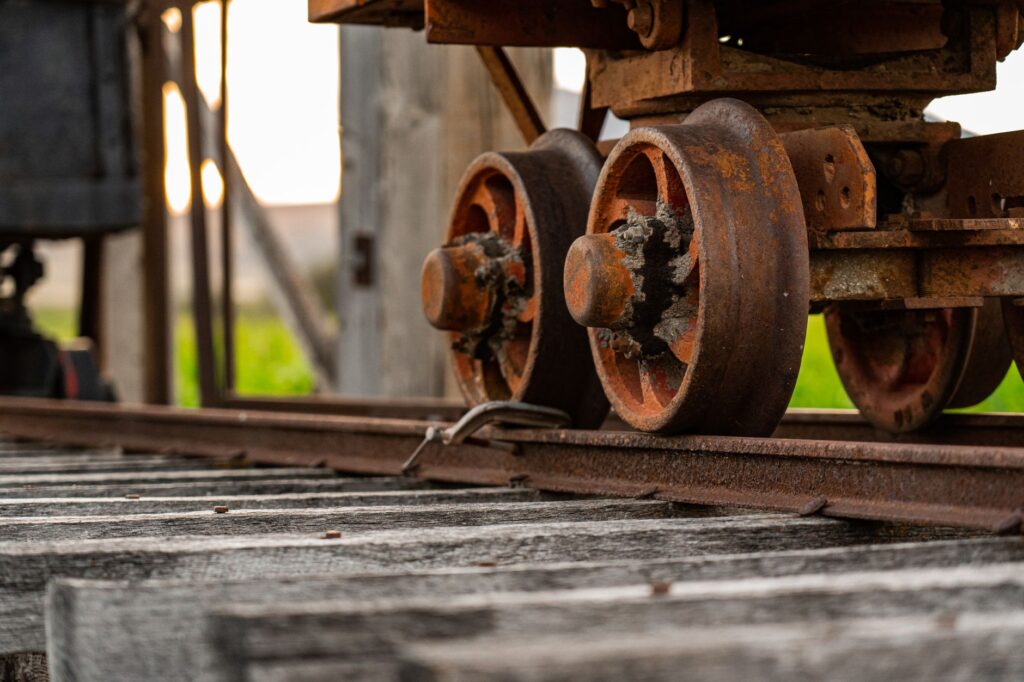
Understanding the technical scale of the Montserrat Rack Railway requires looking back to the industrial Catalonia of the late 19th century. Inaugurated in 1892, the original layout responded to the pressing need to facilitate access to a sanctuary that drew thousands of pilgrims and hikers each year. At a time when roads were precarious and bridle paths demanded exhausting journeys, the arrival of the railway meant a democratic revolution in travel. After decades of abandonment in the mid-20th century—coinciding with the rise of the private car—the line was completely rescued, modernized, and reopened in 2003 under the management of Ferrocarrils de la Generalitat de Catalunya.
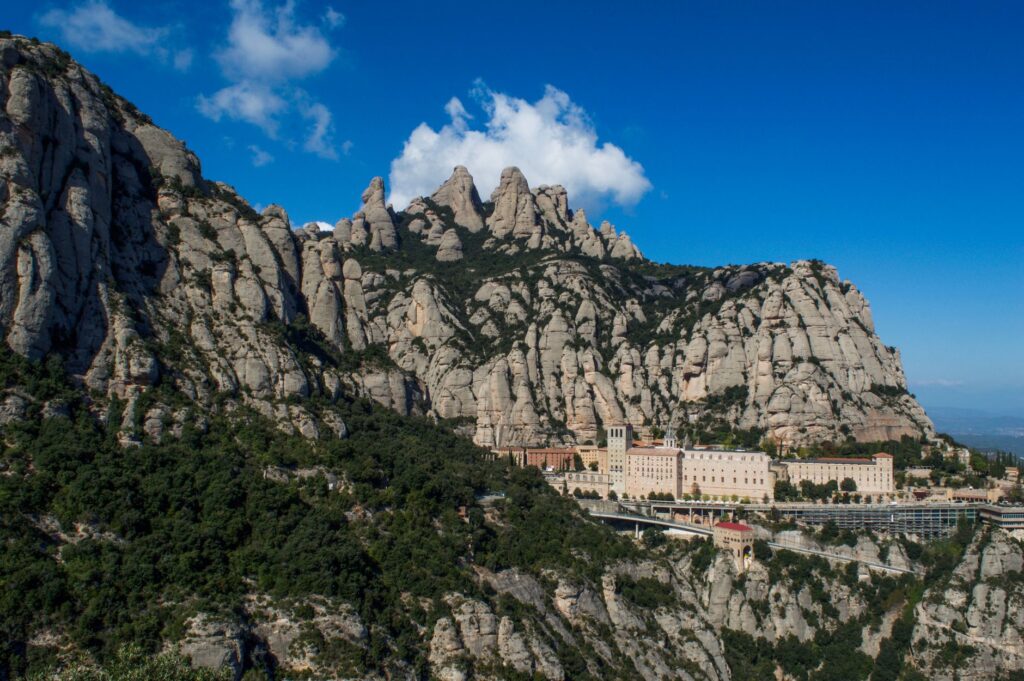
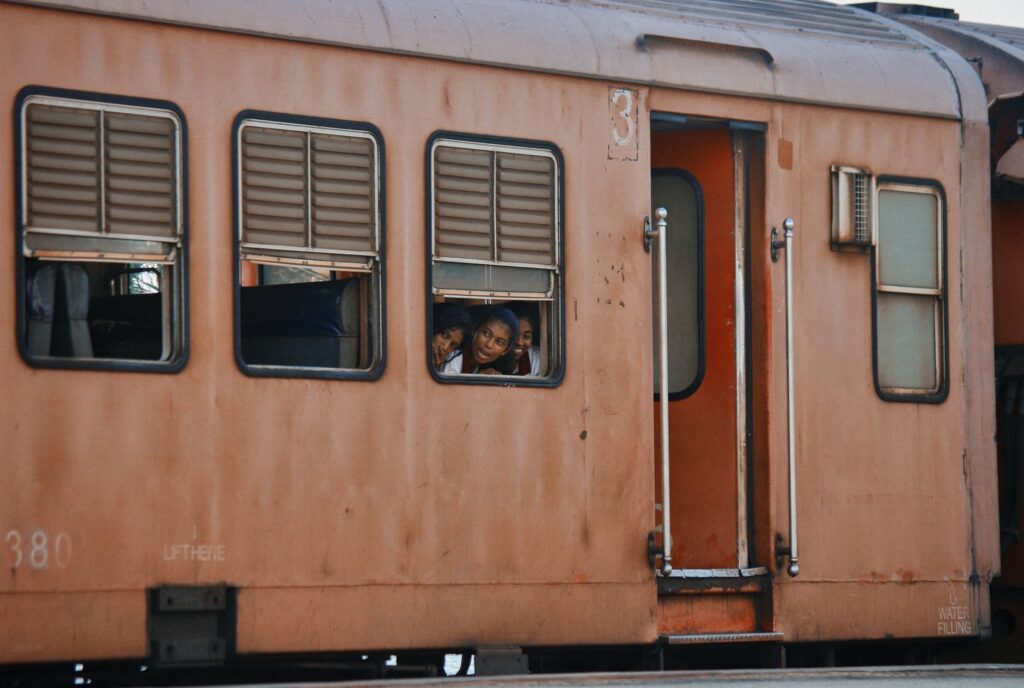
Today, the fleet combines respect for historical aesthetics with the highest standards of safety and contemporary comfort. Modern electric units are designed with wide panoramic windows that function as mobile screens over the landscape. Along the five-kilometer route, the train ascends over six hundred meters of vertical drop. The track meanders embracing the rock, crosses centuried viaducts, and enters tunnels piercing the core of the mountain, offering a unique perspective of the geological erosion that has shaped these rock formations over millions of years.
The rack railway is not merely a logistical resource for tourists; it represents the survival of a railway culture that understood high mountain terrain should not be conquered through asphalt, but respected through the subtlety of rail and mechanical gear.
The Unique Geology of the Montserrat Massif
As the train gains altitude, the surrounding geology becomes the true protagonist of the journey. Montserrat is not a conventional alpine fold belt, but the result of sedimentation from ancient torrents and rivers that, some fifty million years ago, emptied into an inland sea. Deposits of gravel, sand, and rounded pebbles compacted over time to form the conglomerate that defines its famous needles, popularly named with evocative titles such as La Miranda, Cavall Bernat, or La Momieta.
The phenomenon of differential erosion has sculpted columns, towers, and monoliths that seem to defy the laws of physics. From the train seats, passengers can observe how Mediterranean vegetation—composed of holm oaks, pines, and shrubs adapted to water scarcity—clings to rock ledges. This vertical ecosystem harbors rich biodiversity, including raptors like the peregrine falcon and mammals adapted to sheer rock faces. The train journey allows travelers to appreciate this botanical and geological transition without disrupting the fragile balance of the natural park.
The Monastery and the Spirituality of the Landscape
The final stop of the rail route places the traveler directly at the foot of the Monastery of Montserrat, an 11th-century Benedictine monastic complex. The train’s arrival, silent and respectful, contrasts pleasantly with the bustle sometimes generated by tourist buses arriving via the road. Upon stepping off the carriage, the crisp mountain air and the echo of the Escolanía’s chants—one of Europe’s oldest boys’ choirs—envelope the visitor in an atmosphere of secular contemplation.
The architectural complex, reconstructed and expanded several times following the ravages of the Peninsular War and 19th-century confiscations, combines Gothic, Renaissance, and Neo-Romanesque elements. The basilica houses the venerated 12th-century Romanesque sculpture of the Virgin of Montserrat, affectionately known as *La Moreneta* due to the dark patina of its wood. The relationship between the monastery and the iron road has been symbiotic for over a century, making the journey an indispensable prologue to understanding the spiritual and cultural dimension of the site.
Hiking Networks and Upper Funiculars
For travelers seeking to delve deeper into the exploration of the massif beyond the monastery, Montserrat’s transport system offers a logical continuation through its two historic funiculars: Sant Joan and Santa Cova. The Sant Joan funicular, inaugurated in 1918, climbs even more vertically toward the upper part of the mountain, reaching viewpoints situated nearly a thousand meters high where, on clear days, the silhouette of the Pyrenees and the central Catalan plain can be discerned.
These integrated infrastructures allow for the design of hiking itineraries of varying difficulty. The paths departing from the upper station of the rack railway and the funiculars are perfectly marked, leading to cliffside hermitages hanging in the void, such as Sant Jeroni, Santa Cecília, or Sant Joan. Walking these trails means entering a geological labyrinth where silence is only broken by the wind and the distant chiming of the monastery bells, consolidating a slow and mindful travel experience.
Practical Information and Trip Planning
Planning a visit to the Montserrat Rack Railway requires considering several logistical factors to optimize the experience. Main access by car or public transport is to the Monistrol de Montserrat station, which features spacious free parking lots for private vehicles. Those preferring to forgo driving can arrive from Barcelona (Plaça d’Espanya) via the R5 line of Ferrocarrils de la Generalitat de Catalunya, with schedules perfectly synchronized with the rack railway departures.

Rack railway frequencies vary by season, peaking during morning rush hours and tapering off toward sunset. It is advisable to check updated schedules on the official website and purchase combined tickets—which often include the train ride from Barcelona, the rack railway, and access to funiculars or the audiovisual space—to avoid unnecessary ticket office queues. Comfortable footwear with non-slip soles, light warm clothing even in warm months due to altitude, and a reusable water bottle are highly recommended.
Gastronomy and Local Products of Bages
The journey to Montserrat is incomplete without an exploration of traditional pantry items from the Bages region and surrounding areas. Within the sanctuary grounds and foothills villages, local gastronomy reflects the rugged yet generous character of the land. Artisanal goat and sheep cheeses from local farmhouses stand out, alongside the traditional *requesón* (mató) de Montserrat, typically served with local honey or artisanal jams.
Local markets in Monistrol and monastery restaurants also offer traditional stews, mountain cured meats, and wines with the Pla de Bages Designation of Origin, a historic winegrowing region reviving native grape varieties like Picapoll. Consuming these products in local establishments supports the natural park’s circular economy and adds an essential sensory layer to the trip, connecting the palate with the geography of stone and forest.
The Legacy of Sustainable Transport in Catalonia
In a global context where tourism mobility seeks ecological and environmentally respectful alternatives, the Montserrat Rack Railway stands as a pioneering model of transition toward sustainable tourism. By channeling massive visitor flows through an electric railway system, carbon footprints and vehicle congestion on the narrow, winding access roads of the natural park are drastically reduced.
This commitment to rail mobility demonstrates that historical heritage is not merely a past vestige to be preserved behind glass cases, but a living, functional tool to face contemporary ecological challenges. The journey between valleys and peaks continues writing its history, proving that how we travel defines both our destination and our relationship with the territory.
Epilogue on Slowness and Landscape
Traveling slowly along the slopes of Montserrat aboard the rack railway is a reminder that haste is incompatible with a deep understanding of the landscape; every meter gained against the slope is an invitation to pause and contemplate.
As the descent back toward the plain begins, when the jagged silhouette of the massif starts shrinking on the horizon, there remains the certainty of having traversed a space where geology, human history, and engineering meet. The Montserrat Rack Railway transcends its purely utilitarian function to become a ritual of passage, a mobile bridge between the hustle of the modern world and the silent timelessness of the sacred mountain.