Introduction to the South Australian Rail Link
The Australian territory, characterized by vast arid expanses and unique geographical contrasts, has historically depended on overland connectivity to unite its major urban centers. Among the long-distance railway routes that have withstood the test of time and technological shifts, the train known as The Overland holds a preeminent position. Operating uninterrupted for over a century, this service connects the metropolises of Melbourne in the state of Victoria and Adelaide in South Australia. Its existence is not merely a testament to colonial history and nineteenth-century engineering, but a vital transport infrastructure that continues to fulfill a primary logistical and social function in the south of the continent.
Along the 828 kilometers separating both terminal stations, the train meanders through agricultural plains, world-renowned wine regions, and semi-arid landscapes that define the transition between the temperate coast and the deep interior. Analyzing this route provides insight into the technical complexities of operating an interregional rail service in an environment where distances are immense and weather conditions can be extreme. From its nineteenth-century origins to contemporary management under private operators with public oversight, the Overland stands as a case study on the adaptation and resilience of guided transport in Oceania.
Historical Origins and the Convergence of Track Gauges
The history of the rail connection between Victoria and South Australia is marked by one of the greatest infrastructure planning challenges of the nineteenth century: the lack of standardization in Australian railway track gauges. As lines began to extend from Melbourne and Adelaide, each colony adopted different standards for misguided political and economic reasons. Victoria initially opted for the 1.600-millimeter broad gauge, while South Australia combined narrow-gauge sections and later adopted the broad gauge to directly connect both capitals. This discrepancy forced passengers and freight to perform tedious transfers at the border town of Servicerton.

It was not until 1887 that the direct service inaugurating the predecessor of the Overland, initially known as the Adelaide Express, was launched. This milestone drastically reduced travel times and fostered commercial and cultural exchange between two of the most dynamic colonies of the nascent federation. The rolling stock of that era, composed of noble hardwood passenger carriages and gas-lighting systems, reflected both the luxury and the technological limitations of the Victorian era. Despite multiple gauge changes in other regions of the country during the twentieth century, the corridor between Melbourne and Adelaide maintained its viability thanks to the solidity of its original layout and successive infrastructure modernizations.
Railways in Australia were not merely a means of transport; they were the political and physical instrument that stitched together a continent fragmented by deserts and colonial rivalries.
Technical Infrastructure and Topographical Alignment
From a civil engineering perspective, the Overland’s route does not feature the massive elevation changes or endless tunnels characteristic of crossings through the Great Dividing Range in the east of the country. The terrain between Melbourne and Adelaide runs primarily across the Werribee plains, the fertile fields of the Wimmera district, and the rolling hills of the Adelaide Hills region in its final stretch. Nevertheless, maintaining a high-quality track capable of supporting heavy passenger trains and freight compositions on clay soils subject to extreme thermal expansion requires constant infrastructure maintenance.

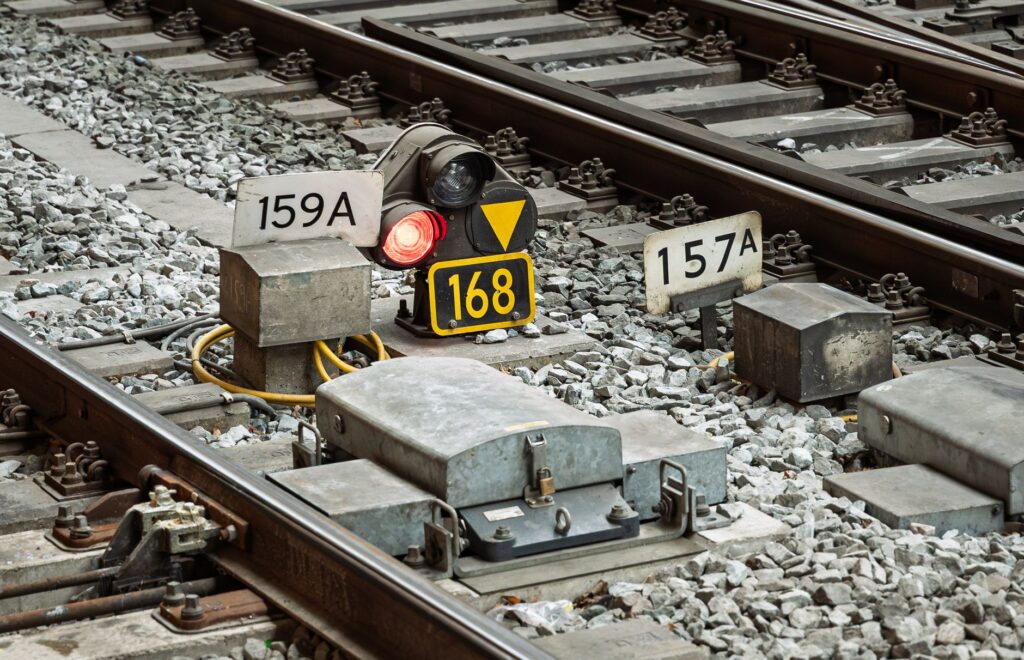
The track is composed of continuous welded high-strength steel rails laid on prestressed concrete sleepers along the vast majority of the route, ensuring a smooth ride and minimizing mechanical wear. Signaling systems have evolved from ancient telegraphs and mechanical block systems to centralized radio-controlled traffic control networks and electronic interlocking systems. These advancements optimize train crossing on a single-track line with strategically distributed passing loops, where the Overland must coordinate its passage with heavy freight trains operated by companies like Pacific National and SCT Logistics, which share this strategic corridor.
Rolling Stock and Contemporary Operational Experience
In current operational terms, the service is managed with compositions adapted to the demands of twenty-first-century travelers, combining technical efficiency with comfort on long-distance journeys. The passenger carriages, maintained and modernized in specialized workshops operated by Great Southern Rail (currently under the Journey Beyond brand), feature advanced climate control systems, ergonomic reclining seats with ample legroom, and large glazed surfaces designed for viewing the Australian rural landscape.
The train typically includes a Cafe Car that acts as the social hub of the journey, where passengers can purchase local products from the wine and agricultural regions traversed by the route, such as Barossa Valley wines or Victorian artisanal goods. Unlike European high-speed trains, the Overland prioritizes the slow travel experience, maintaining a moderate yet steady commercial speed that allows passengers to appreciate the vastness of the territory without the rush of conventional air transport.

Crossing the Border: Wimmera and Mallee
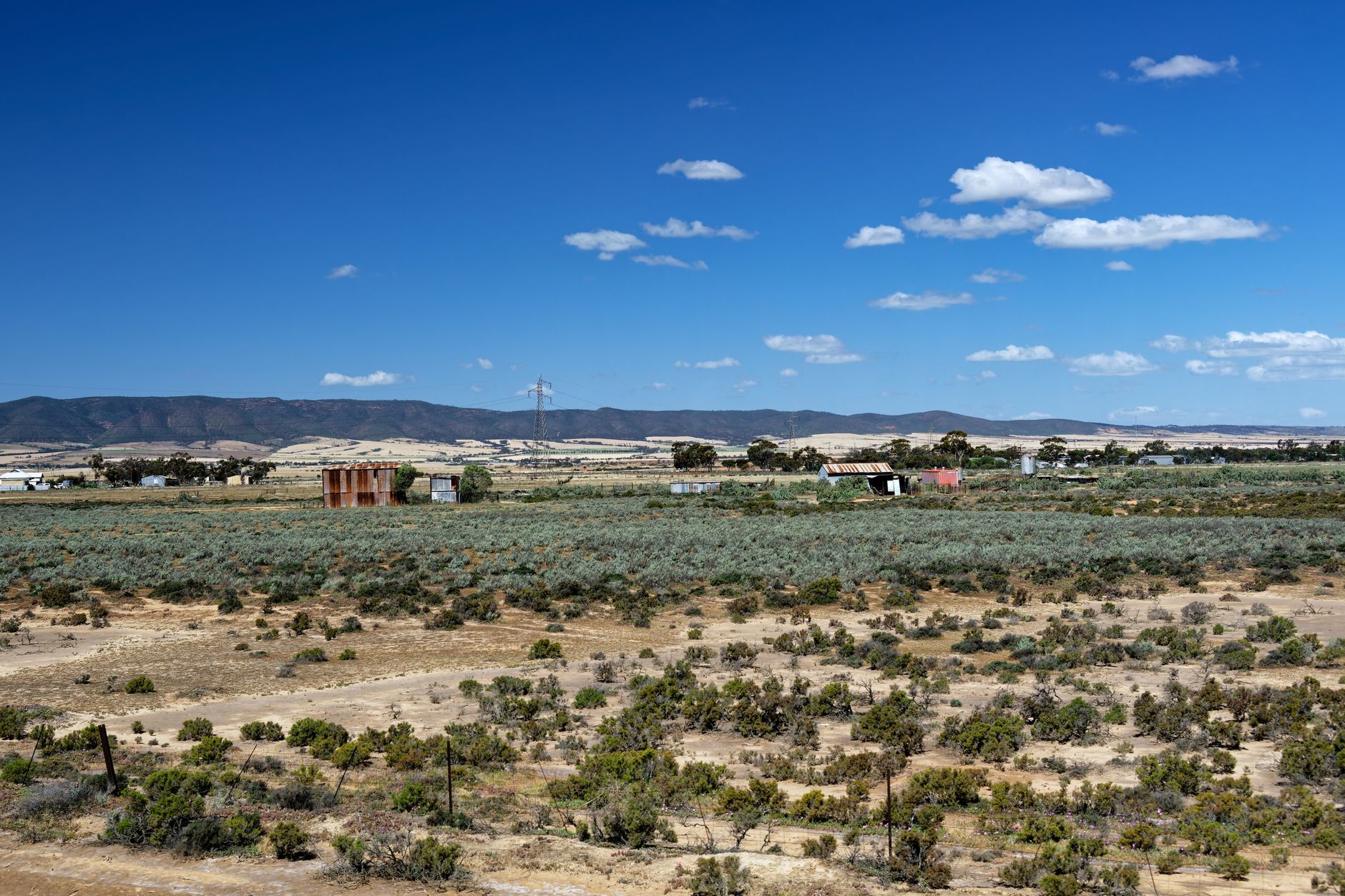
As the convoy pulls away from Melbourne’s urban periphery, the landscape transforms rapidly. After crossing the foothills of the Great Dividing Range in its lowest section, the train runs through the expansive agricultural region of Wimmera, a vital granary for Australia’s internal supply. Here, wheat and barley fields stretch to the horizon, interrupted only by historic grain silos and small rural settlements whose very existence is tied to the presence of the railway.
Further west, the environment becomes progressively more arid as it enters the Mallee zone, characterized by dwarf eucalyptus vegetation and sandy soils. This stretch of the route highlights the capacity of rail infrastructure to penetrate fragile ecosystems without permanently altering them. Intermediate stations, though many no longer permanently staffed and operating on demand or as simple halts, retain heritage buildings recalling the golden age when the train was the only reliable connection to the outside world for the region’s pioneers and farmers.
Intermodal Connection Logistics and Trip Planning
For the global traveler and transport analyst, the integration of the Overland with other mobility networks at its terminals is a critical aspect of its operation. In Melbourne, Southern Cross Station acts as Victoria’s primary multimodal hub, connecting long-distance services with Metro Trains’ suburban rail network, urban trams, and regional buses. Similarly, in Adelaide, the Adelaide Railway Station, located in the historic Casino building on North Terrace, offers direct connections with city trams and diesel metropolitan rail services.
However, due to logistical constraints and the prioritization of freight routes on the national corridor, the frequency of the Overland is limited, typically operating with reduced weekly departures compared to high-frequency European or Asian networks. This characteristic requires travelers and planners to meticulously synchronize their itineraries, checking updated timetables in advance on official transport platforms and securing reservations weeks ahead, especially during holiday periods and peak tourism months in southern Australia.
The scarcity of frequencies on transcontinental lines forces a reevaluation of the long-distance train’s role, not as a mass commuter service, but as an irreplaceable heritage and logistical experience.
Socioeconomic Impact and Sustainability in the Southern Corridor
The socioeconomic impact of the Overland Railway transcends the annual passenger figures. For rural communities situated along the line, the presence of the train symbolizes a vital link to the health, educational, and commercial services of major state capitals. Likewise, from the perspective of sustainable mobility, medium- and long-distance rail transport emits a significantly lower fraction of greenhouse gases per passenger-kilometer compared to short-haul domestic flights operating between Melbourne and Adelaide.

Nevertheless, the economic viability of these secondary routes requires ongoing government subsidies and public service agreements to ensure that access to intercity mobility remains guaranteed for all sectors of the population. Victoria and South Australia transport authorities periodically evaluate the energy efficiency of rolling stock and the need to renew critical components of the track superstructure to ensure this historic corridor continues operating with the highest safety and environmental standards for decades to come.
Practical Information for the Traveler
Planning a journey aboard the Overland requires attention to several essential operational guidelines to ensure an optimal and seamless experience:
- Frequency and Schedule: The service typically operates with a reduced frequency of two weekly trips in each direction. Consulting the seasonal calendar on the official Journey Beyond website before making any accommodation or connecting flight bookings is mandatory.
- Seating Classes: Two main comfort tiers are offered: Red Service (standard high-comfort reclining seats) and Red Premium (extra legroom, in-seat catering service, and priority access).
- Luggage Allowance: Being a long-distance train, strict regulations apply to checked and hand luggage. Each passenger is permitted a generous allowance of bags, which must be tagged and checked in prior to departure at the station.
- Onboard Connectivity: Mobile phone coverage can be intermittent or nonexistent in the more remote stretches of the Mallee region and agricultural plains, so downloading entertainment content in advance is strongly recommended.
- Accessibility: Main carriages feature adaptations for passengers with reduced mobility, including wheelchair spaces and access ramps assisted by onboard personnel, though notifying any special requirements at the time of booking is necessary.
Conclusion: The Relevance of a Railway Icon
The Overland Railway represents much more than a simple transport line between two of Australia’s most important cities. It is a moving monument to human perseverance against the continent’s vast distances, an engineering exercise adapted to the territory, and a strategic corridor balancing freight logistics needs with the preservation of passenger railway heritage. As climate change challenges and energy efficiency reshape global transport priorities, historic routes like this demonstrate that conventional rail remains an irreplaceable backbone for territorial cohesion, offering a slow and contemplative perspective on the geographical immensity of southern Oceania.