

Introduction to the Great Southern Alps Divide
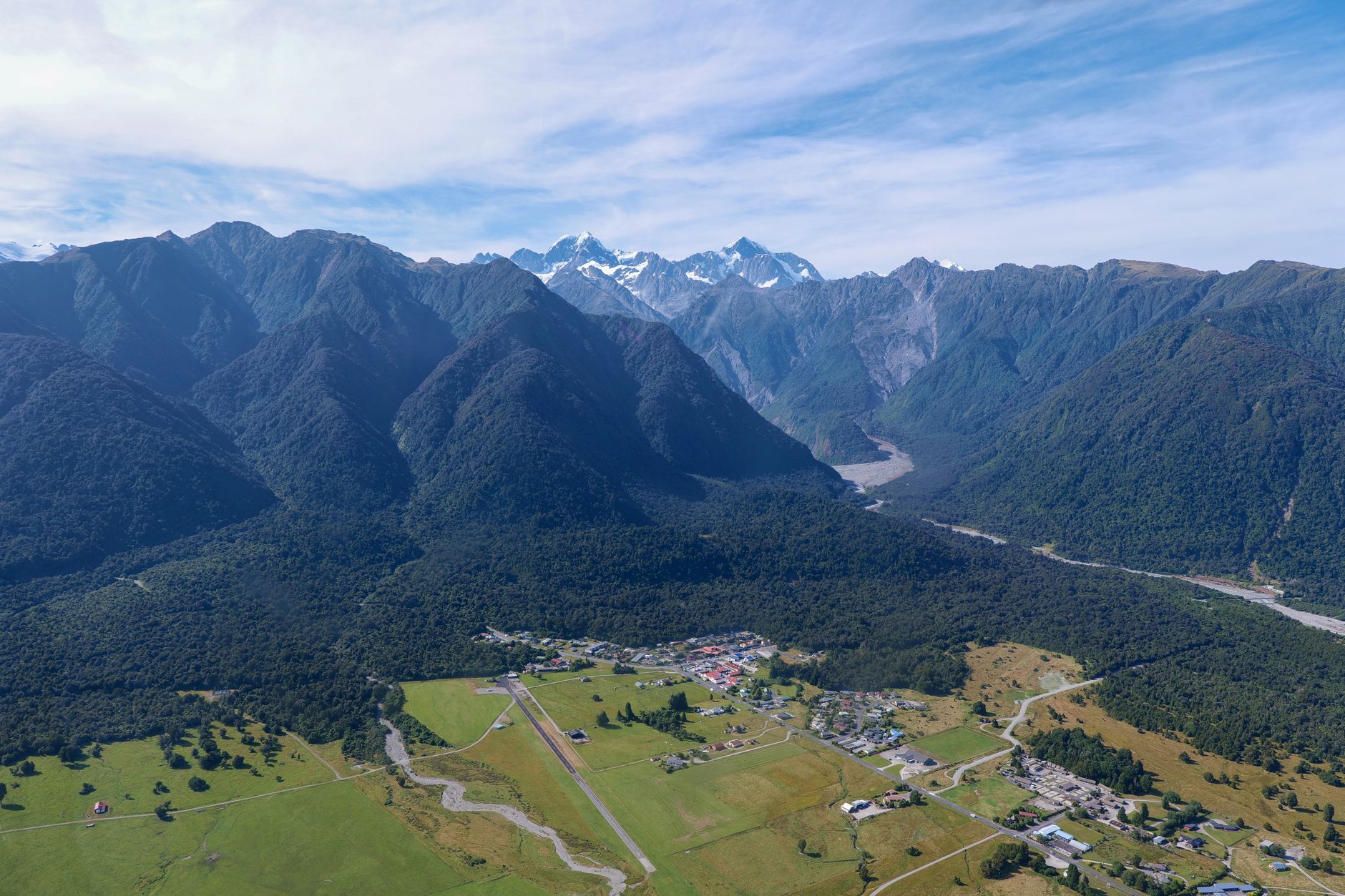
The geography of New Zealand’s South Island is dominated by the Southern Alps, an imposing mountainous spine acting as an impassable climatic and physical barrier between the agricultural plains of Canterbury and the mineral- and timber-rich West Coast. For decades, overland transport between both coasts relied on winding road routes vulnerable to extreme weather, severely limiting commercial exchange and passenger transit. Overcoming this topographical challenge required a colossal engineering feat that would forever transform the nation’s connectivity: the Otira Tunnel and its associated railway line.
Officially opened in 1923 after more than a decade of complex construction marred by material shortages during the First World War and harsh alpine winters, this corridor became the missing link in the national transport network. It was not merely about joining two points on a map, but about creating an industrial and passenger umbilical cord capable of piercing the bedrock for over eight kilometers. Today, understanding the operation of this infrastructure reveals the logistical effort required to keep geographically isolated yet economically interdependent regions connected.
History and Construction Challenges of the Otira Tunnel
The construction of the Otira Tunnel represented one of the greatest civil engineering milestones of the British Empire in the South Pacific. With an exact length of 8,534 meters, it was for many years the longest tunnel in the Empire and remains a masterpiece of excavation through fractured rock and high seismic activity zones. Engineers of the era faced massive groundwater infiltration, extreme temperatures, and the absolute necessity of aligning the eastern and western portals with millimeter precision using early 20th-century topographical triangulation instruments.
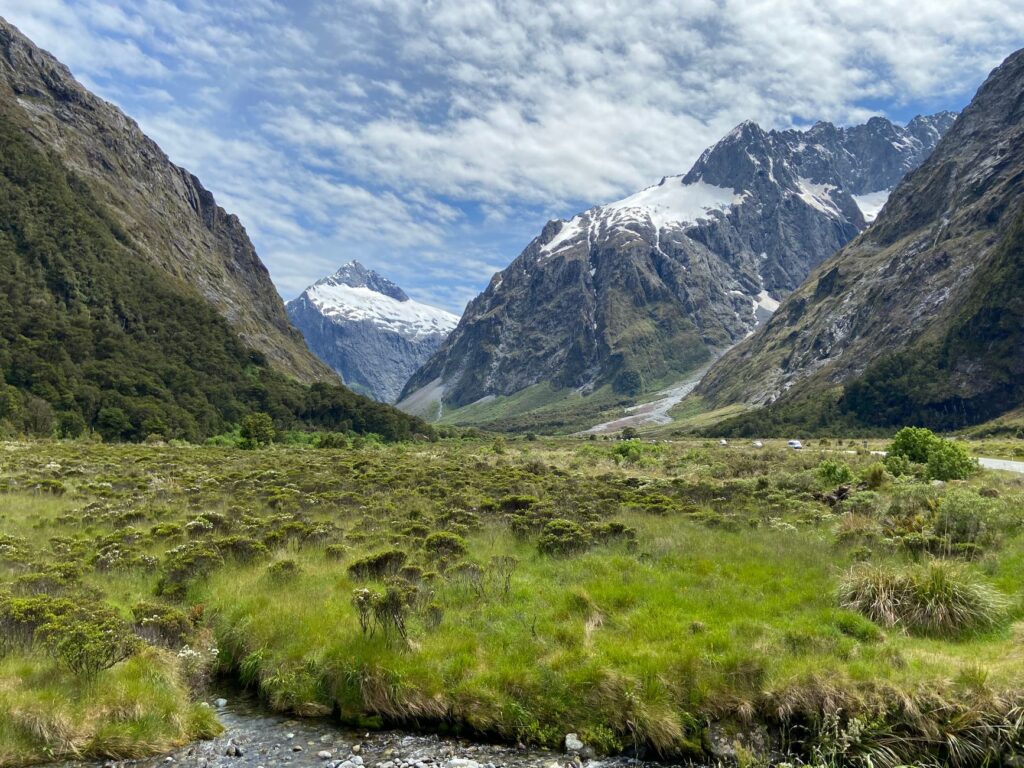
Advancement relied on explosive blasting and manual excavation, a slow and hazardous process where numerous workers endured harsh weather and punishing labor conditions in mountain camps. Unstable rock required continuous reinforcement with millions of bricks and reinforced concrete, a titanic effort mobilizing both British engineers and local laborers forged in the region’s coal mines. Every meter won from the mountain was a victory against alpine immensity, consolidating a corridor that would drastically reduce transit times between western coal basins and eastern export ports.
Pioneering Electrification and Solving the Smoke Problem in Confined Spaces
One of the most severe operational challenges faced by the railway was the accumulation of combustion gases and smoke within an eight-kilometer tunnel featuring a continuous 1-in-33 gradient. Early steam locomotives would have literally suffocated crews and passengers due to the lack of natural ventilation in the inclined tube. To solve this unprecedented technical challenge, the New Zealand government made the avant-garde decision to electrify the Otira-to-Arthur’s Pass section as soon as civil works concluded.
In 1923, a 1,500-volt direct current overhead electrical supply system was installed, and powerful British electric locomotives were acquired capable of hauling heavy freight and passenger trains without emitting toxic gases inside the tunnel. This solution not only guaranteed operational safety but also turned the Otira corridor into one of the earliest large-scale electrified railway systems in the Southern Hemisphere. Although decades later the arrival of more efficient diesel locomotives with forced ventilation systems allowed the removal of the electrical catenary, the principle of air management and safety in confined spaces remains a global reference manual.
Contemporary Railway Infrastructure and Rolling Stock
Today, the line traversing the Arthur’s Pass summit operates under strict maintenance and safety protocols managed by KiwiRail. The single track, featuring a narrow gauge adapted to the national 1,067-millimeter standard, winds along dizzying gorges, crosses historic steel bridges such as the Staircase Viaduct, and pierces numerous secondary tunnels before undertaking the final steep climb into Otira.
Rolling stock transiting this route includes heavy freight trains—tasked with hauling coal, timber, and freight containers between the port of Lyttelton and the West Coast—alongside the iconic TranzAlpine passenger service. Modern diesel-electric locomotives are equipped with regenerative braking and advanced traction control systems, indispensable for managing steep gradients without compromising structural integrity. Track engineers conduct continuous laser inspections to detect tectonic shifts, rockfalls, or rail deformations caused by freeze-thaw cycles typical of alpine climates.
Freight Logistics and the Economic Role of the Corridor
Beyond its obvious tourist appeal, the Otira railway corridor is a vital logistics artery for the South Island’s trade balance. New Zealand’s West Coast is an extractive resource-rich region where metallurgical and thermal coal, export timber, and dairy products require a mass transit channel that relieves road congestion and minimizes carbon footprints.
The Otira railway is not merely a communication route; it is the logistical shock absorber balancing industrial trade between the West Coast and eastern export markets without collapsing the fragile alpine road network.
Freight trains operate around the clock, adapting to strict scheduling windows to coordinate passage with passenger convoys and preventive maintenance work. Intermodalism is a key factor: freight descending from inland mines connects directly with container ships at Canterbury coastal ports, optimizing global supply chains and drastically cutting logistics costs compared to exclusive heavy truck transport.
The Role of the Otira Tunnel in Passenger Connectivity
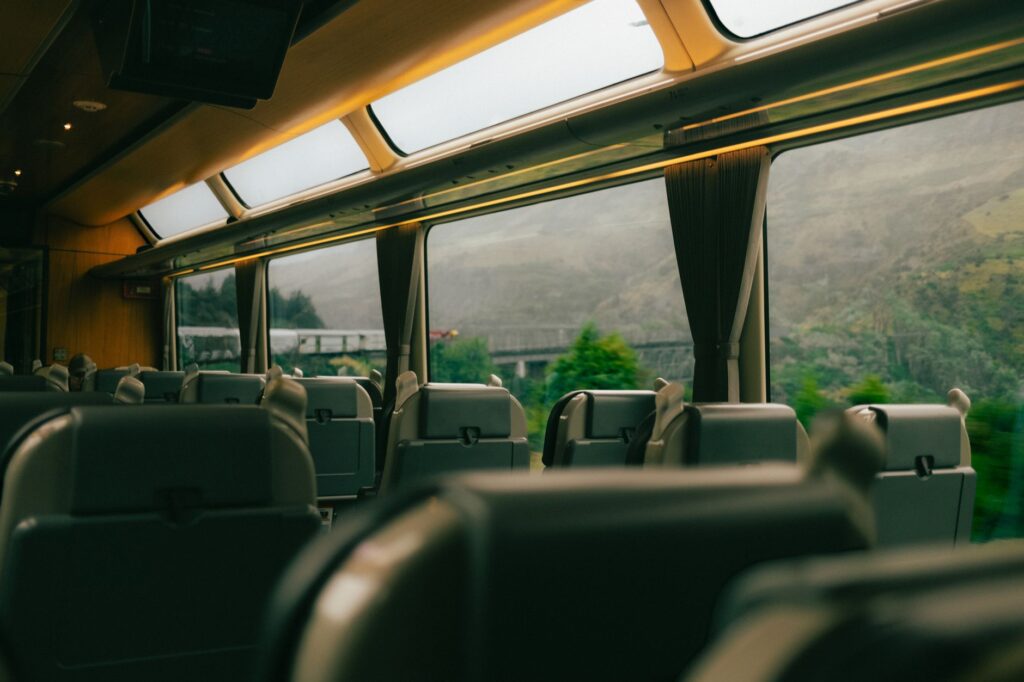
For the global traveler, passing through the Otira Tunnel marks the culmination of one of the most celebrated scenic rail journeys on the planet. The daily passenger service connects Christchurch with Greymouth, enabling travelers to cross the mountain range in just over four and a half hours of uninterrupted travel. The design of the carriages, featuring panoramic windows and an open-air observation car, is specifically tailored to maximize the contemplation of glacial landscapes, braided rivers, and temperate rainforests.
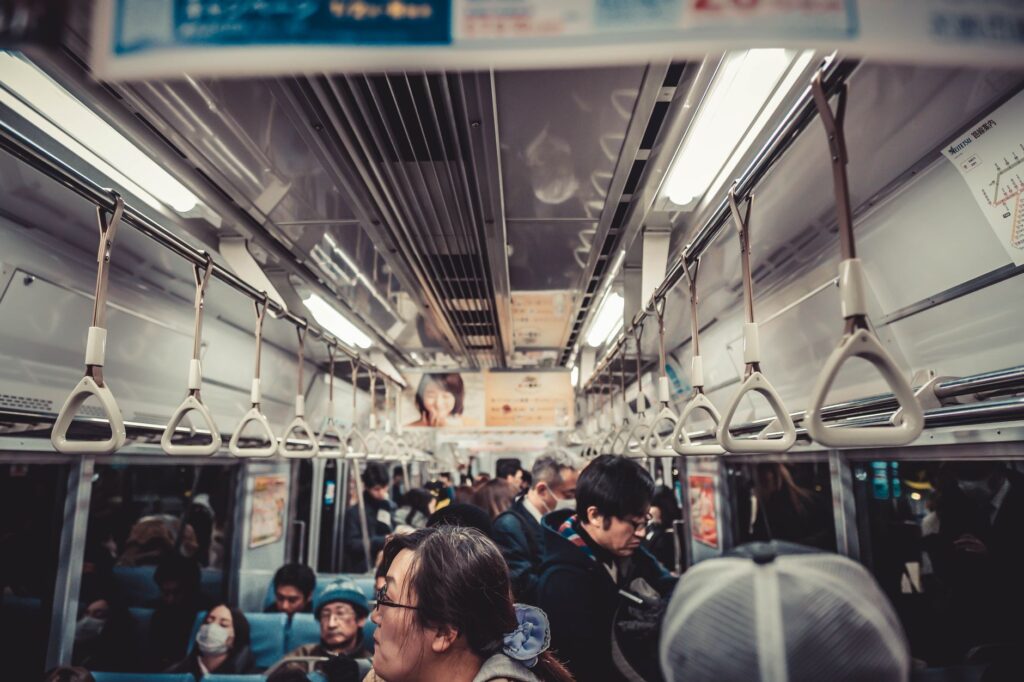
The experience of plunging into absolute mountain darkness after viewing the snow-capped peaks of the Southern Alps offers a unique sensory contrast. During the subterranean minutes, passengers experience the relative silence of the mountain before suddenly emerging on the opposite slope, where vegetation shifts radically due to the influence of the Tasman Sea and high annual rainfall. This climatic and visual transition turns the journey into a living lesson in physical geography.
Practical Information and Traveler Planning
Planning a journey across the Otira corridor requires understanding the operational particularities of the railway line and regional alpine weather conditions. The passenger service operates on regular schedules, though extreme weather events, earthquakes, or scheduled maintenance can temporarily alter timetables. Booking tickets weeks in advance during the peak summer season (December to February) is essential.
- Advance Booking: Seats in the panoramic carriage often sell out months ahead due to high international demand.
- Baggage Restrictions: Strict regulations apply to the weight and dimensions of carry-on and checked luggage aboard the train.
- Road Connectivity: State Highway 73 runs parallel to the railway line, offering exceptional stopover points in Arthur’s Pass National Park for those combining train and rental car travel.
- Weather Preparation: Temperatures at Arthur’s Pass station can drop sharply even in summer; layering clothes and waterproof footwear are strongly recommended.
Safety, Maintenance, and Natural Disaster Resilience
Managing railway infrastructure in a seismically active zone like the Southern Alps demands extraordinary safety protocols. The 2011 Christchurch earthquake and subsequent seismic events demonstrated the vulnerability of regional bridges and slopes, prompting multi-million-dollar investments by KiwiRail into modernizing early earthquake warning systems and stabilizing slopes via high-tensile mesh and rock anchors.
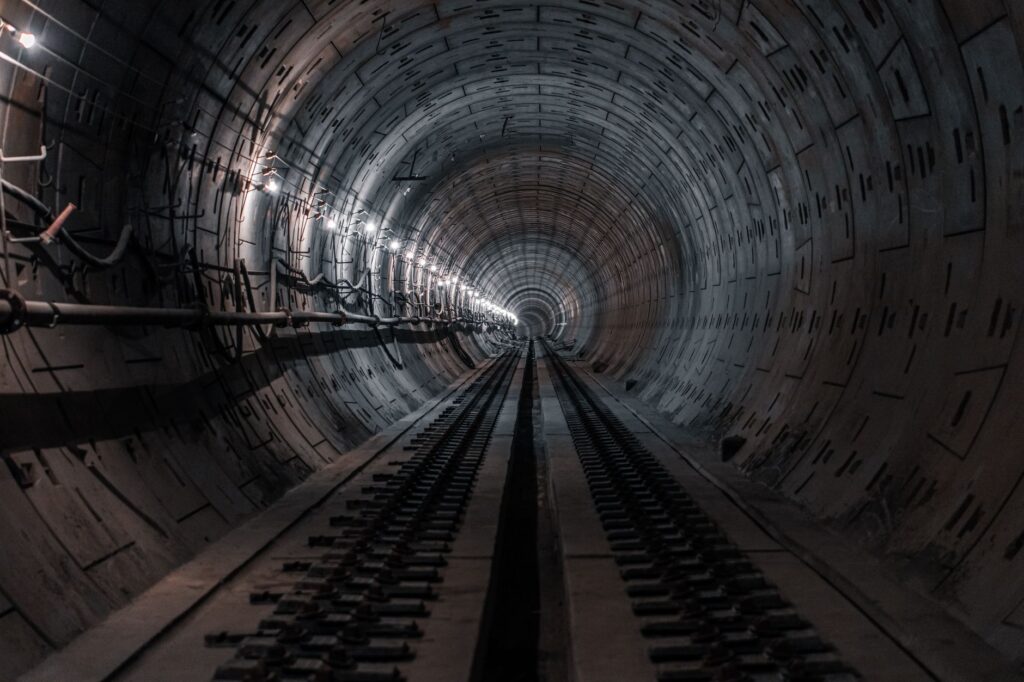
Maintenance crews work uninterruptedly to check millimeter track alignment inside the Otira Tunnel, where constant humidity accelerates the corrosion of metal components. Similarly, subterranean drainage systems undergo periodic cleaning to prevent water accumulations that could compromise ballast stability. This constant vigilance ensures the corridor remains operational against the rigors of New Zealand geology.
Visual Conclusion on the Great Alpine Divide
Crossing the bowels of the Southern Alps aboard a rail convoy reveals how human audacity successfully stitched together an unfathomable geological wound with steel.
The legacy of the Otira Tunnel transcends mere efficiency in cargo and passenger transport; it represents the culmination of a technical vision that respected the majesty of the natural environment while solving its practical limitations. Emerging from mountain darkness into the lush, rainy West Coast, the traveler understands that true travel magic lies not solely in the destination, but in the invisible engineering precision connecting two worlds separated by rock and time.

