The Origins of an Impossible Track in the Heart of the Pyrenees
The territory of the Catalan high Pyrenees holds engineering secrets that defied the geographical logic of the early twentieth century. The Núria Valley, situated at nearly two thousand meters of altitude and surrounded by peaks exceeding twenty-nine hundred meters, remained for centuries an inaccessible sanctuary reachable only on foot or by pack animals. The construction of the rack railway was not merely a road infrastructure project, but a titanic endeavor conceived to break the secular isolation of this glacial cirque. Since its inauguration in nineteen thirty-one, this meter-gauge railway has transformed the way travelers and pilgrims approach the Pyrenean landscape.
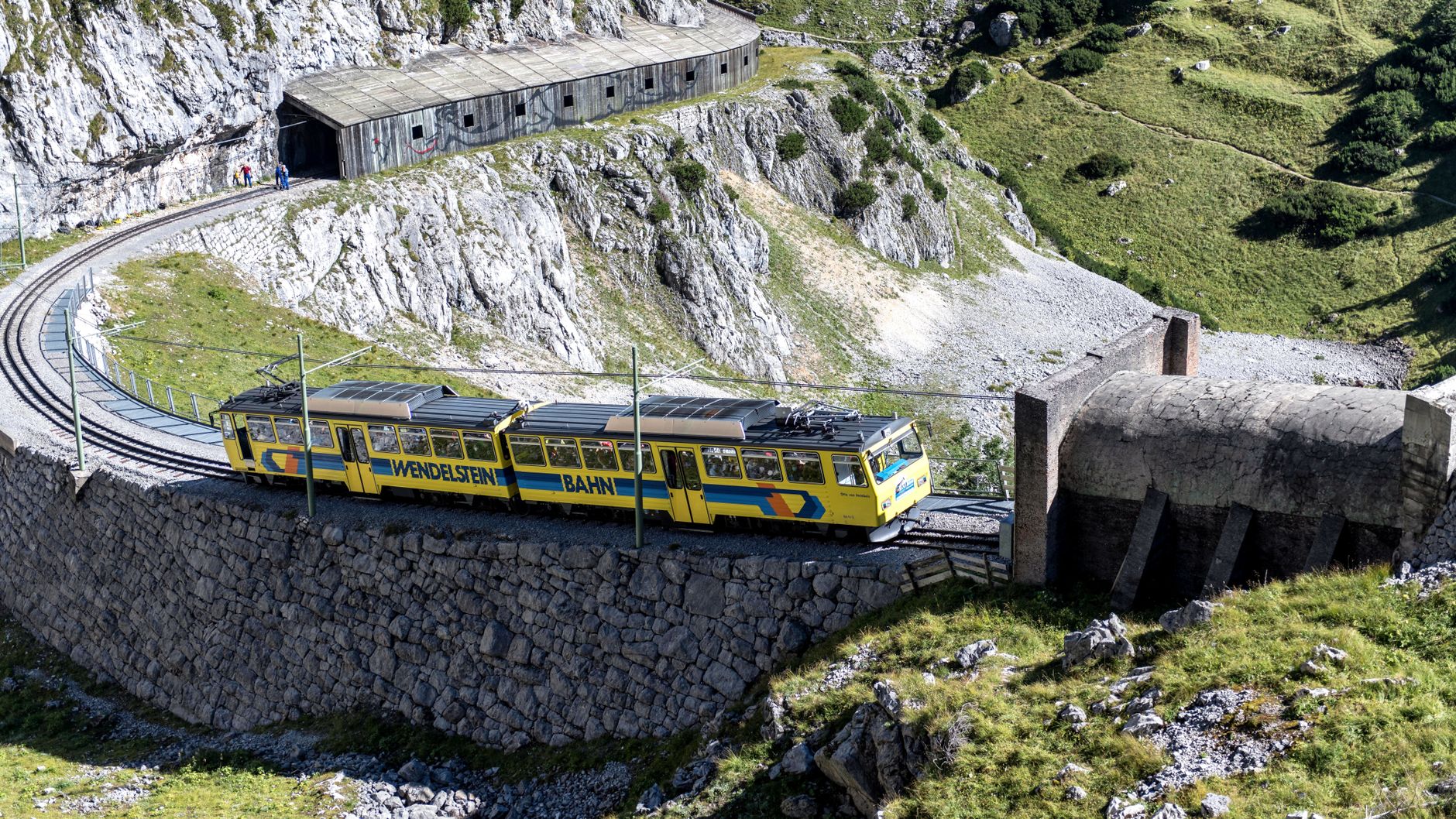
The need to overcome an elevation gain of more than one thousand meters in barely twelve kilometers demanded exceptional technical solutions. The engineers of the era adapted the Swiss Abt-type rack system, enabling locomotives to grip firmly onto a third toothed bar located between the running rails. This mechanism prevents slippage on gradients reaching a maximum slope of fifteen percent. Each railway tie, each tunnel excavated into living rock, and each viaduct suspended over river gorges recount a story of human effort and mechanical precision that continues to fascinate historical railway enthusiasts today.
The Route and Geography of the Ascent from Ribes de Freser
The journey formally begins at the Ribes de Freser station, the neuralgic point where passengers leave the conventional railway network to embark on this high-mountain adventure. As the convoy leaves the lower valley, the urban landscape quickly gives way to dense Scots pine forests and meadows where herds of native livestock graze. The route winds almost imperceptibly at first, following the turbulent course of the Freser River before tackling the steeper gradients that characterize the central sector of the journey.
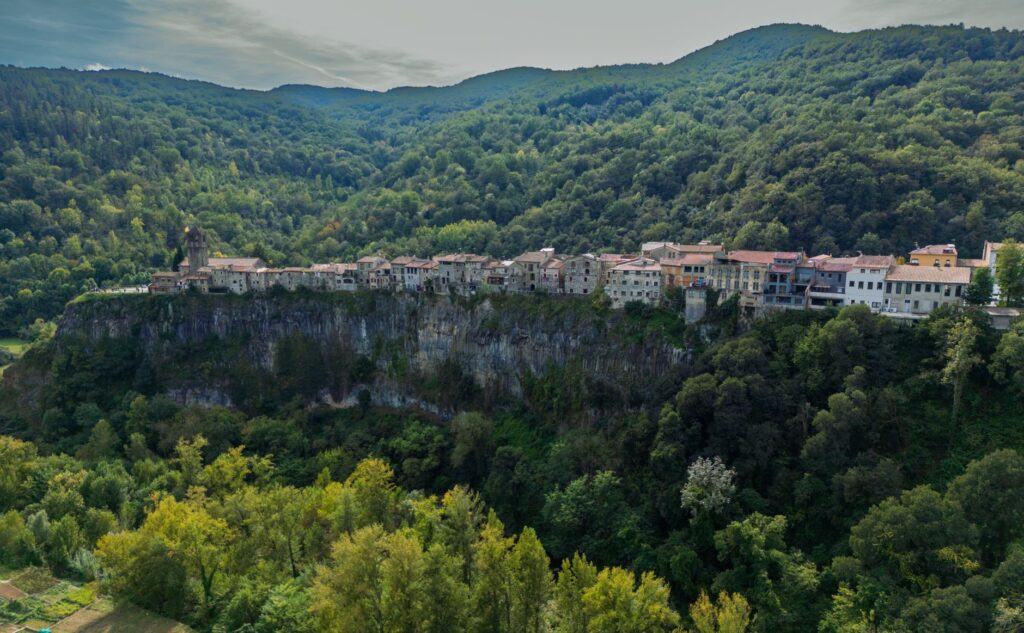
One of the most notable elements of this trip is the botanical and climatic transition experienced by the traveler in less than forty minutes. Lush riverbank thickets progressively cede ground to subalpine vegetation and, finally, to high-altitude grasslands devoid of tall trees. Engineering works, such as the Núria bridge and numerous tunnels piercing the entrails of the Nou Creus massif, demonstrate the constructive audacity of a route that seems to float over the rugged topography of the eastern Catalan Pyrenees.
The Architecture of Stations and the Valley Refuge
Along the twelve kilometers of the route, intermediate stations such as Ribes-Enllaç, Fontalba, and Queralbs act not only as logistical points, but as witnesses to the evolution of mountain tourism. Queralbs, with its cobblestone alleys, dark stone houses, and Romanesque church of Sant Sadurní, represents the final outpost of traditional Pyrenean architecture before plunging into the high mountains. It is here that many hikers begin walking routes, though the vast majority of visitors choose to continue aboard the train to the end of the line.
Upon crowning the ascent, the train stops before the Núria sanctuary complex, an architectural ensemble harmoniously integrated into the glacial basin. The main building, combining the functions of a hotel, terminal station, and spiritual reception center, stands imposingly in front of a crystal-clear lake fed by snowmelt. The integration of railway infrastructure within a protected natural environment demonstrates that tourist transport development can be achieved while rigorously respecting the ecological and landscape balances of the territory.

The rack railway is not simply a means of transport; it is a threshold separating the agility of the modern world from the silent timelessness of the Pyrenean peaks.
The Spiritual and Cultural Dimension of the Núria Sanctuary
Beyond its value as an engineering work, the Núria Valley has served for centuries as a premier pilgrimage destination in the Pyrenees. Tradition places the origins of worship in the twelfth century, when Saint Giles carved an image of the Virgin and hid her in a cave before fleeing persecutions. Popular legend attributes a sacred character to the valley where Marian protection converges with the telluric force of the high mountains. The current sanctuary welcomes thousands of devotees and walkers who come to venerate the image and fulfill secular rites.
Exclusive access via mechanical means without internal combustion vehicles has preserved an unusual silence and environmental purity rare in major European tourist centers. Visitors can walk interpretive trails surrounding the lake, visit the hermitage of Saint Gil, or explore permanent exhibitions dedicated to the history of skiing and railways in Catalonia. Respect for the leisurely pace of the surroundings constitutes the unwritten rule governing coexistence among athletes, pilgrims, and nature lovers.
High-Mountain Engineering: The Technical Challenge of Winter Maintenance
Keeping a rack railway line operational at two thousand meters of altitude three hundred sixty-five days a year represents an extraordinary logistical challenge. During winter months, heavy snowfalls and extreme low temperatures threaten to block tracks and completely isolate the valley. The railway operator constantly mobilizes specialized snow-removal equipment, composed of locomotives adapted with front plows and mechanical milling systems capable of clearing snow depths exceeding two meters.
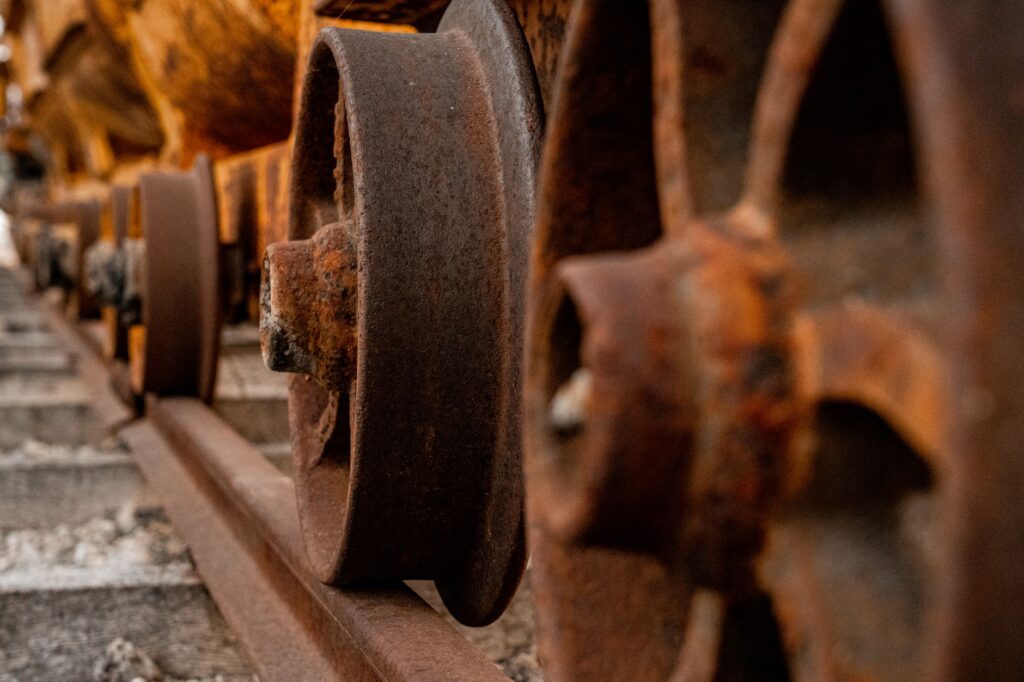
Likewise, maintenance engineers rigorously supervise the condition of toothed rails, fastenings, and regenerative braking systems that allow trains to descend with absolute safety. Constant friction and freeze-thaw cycles require meticulous nighttime inspections. The safety of railway operation rests upon a combination of cutting-edge Swiss technology and the accumulated experience of generations of Pyrenean railway workers.
Sustainability and Emission-Free Mobility in the Glacial Cirque
In an era marked by climate urgency, the Nuria rack railway stands as a pioneering model of sustainable mobility. By prohibiting private vehicle access to the valley, the railway line avoids the massive emission of greenhouse gases and prevents automotive saturation of a fragile natural space. All modern convoys operate with electric traction, and part of the energy consumed during climbs is recovered and reinjected into the grid thanks to dynamic braking systems.
This ecological commitment extends to waste management, water purification, and the conservation of native flora and fauna, including protected species such as the Pyrenean chamois, the rock ptarmigan, and numerous endemic botanical varieties. The balance between visitor influx and the preservation of the alpine habitat constitutes the greatest triumph of modern sanctuary management.
Practical Information for Planning the Journey
Organizing a visit to the Núria Valley requires considering various logistical factors related to weather and transport capacity. The starting point is located at the Ribes de Freser station, accessible via the R3 commuter line of Rodalies de Catalunya from Barcelona. Combined tickets for commuter train and rack railway are typically offered in an integrated manner. It is strictly recommended to consult updated schedules and book in advance, especially during summer weekends and periods of peak winter influx.
The travel time between Ribes de Freser and Núria is approximately forty minutes. It is advisable to wear appropriate mountain footwear, warm clothing even in summer due to sudden temperature changes typical of high mountains, and sun protection. The facilities in the valley feature restaurant services, hotel accommodations, a hostel, and recreation areas, ensuring a comfortable stay for both day-hikers and those wishing to overnight under the starry Pyrenean sky.
Conclusions: The Value of Slow Travel at the Summit of the Pyrenees
The Nuria rack railway transcends the category of a simple tourist attraction to establish itself as a masterpiece of human integration into the alpine landscape. In a world dominated by haste and virtual connectivity, this historic railway invites travelers to slow down their pace, contemplate the geological grandeur of the Pyrenees, and appreciate the technical ingenuity that made it possible to connect civilization with the solitude of the peaks. The experience of ascending over toothed rails, listening to the metallic purr of the engine against the steel crest, remains one of the purest and most memorable travel experiences in Western Europe.