The Subterranean Genesis of a Hydrothermal Sanctuary
In the heart of the Swiss Canton of Vaud, where the Alps descend abruptly toward the upper Rhône valley, an invaluable geological resource emerges. Unlike other European thermal centers that rely on the artificial heating of surface waters, Lavey-les-Bains owes its existence to an exceptional tectonic anomaly. The waters feeding this complex ascend from an estimated depth of six hundred meters, having circulated for decades—and even centuries—through deep fault lines where terrestrial heat elevates their natural temperature.
This process grants the water an initial temperature reaching sixty-two degrees Celsius, officially making it the hottest thermal spring in all of Switzerland. Before breaking the surface, the liquid slowly enriches itself by dissolving minerals along its prolonged journey through calcareous and crystalline formations. The result is a fluid rich in sulfur, sulfates, calcium, magnesium, and trace elements that have been studied by physicians since the nineteenth century, when early scientific analyses began certifying the therapeutic properties of Saint-Gervais on the neighboring slope and its Helvetian equivalent.
The history of this enclave is inextricably linked to scientific exploration and the rationalization of therapeutic leisure. In the late nineteenth century, the consolidation of bourgeois thermalism transformed the modest rustic baths into a spa equipped with neoclassical facilities, where intellectuals and travelers from across Europe sought relief for rheumatic and respiratory ailments. Today, the paradigm has evolved toward a holistic understanding of wellness, integrating prevention, mental rest, and direct contact with the surrounding alpine geography.
The Architecture of Water and Light in the Rhône Valley
The contemporary architectural design of Lavey-les-Bains dialogues directly with the monumentality of the peaks guarding it. The most significant intervention, carried out in the late twentieth and early twenty-first centuries, completely redesigned the relationship between interior and exterior spaces. The large glass facades surrounding the main pools allow bathers to float in thirty-six-degree water while gazing at the winter snow accumulated on the slopes of the Diablerets massif or the intense greenery of the conifer forests in summer.

Spatial layout prioritizes fluidity and the reduction of acoustic pollution. Architects conceived the thermal pavilions as a geometric extension of the river landscape, using noble materials such as local stone, brushed steel, and treated woods that withstand extreme ambient humidity. The steam constantly rising from the outdoor water sheets creates an almost dreamlike atmosphere, especially during early morning hours or at dusk, when the golden light of the alpine sun strikes the peaks at an oblique angle.
This dialogue between interior and exterior is not merely aesthetic; it serves a precise physiological function. The thermal contrast between the pure, cold mountain air and the warm water temperature stimulates the circulatory system, favoring peripheral vasodilation and enhancing deep muscular relaxation. Every construction element, from submerged walkways to strategically oriented hydromassage jets, responds to a rigorous ergonomic study aimed at absolute rest.
Mineralogy and Physiology: The Real Effects of Hydrotherapy
To understand the true value of a thermal experience in Lavey-les-Bains, one must move beyond commercial speculation and delve into scientific balneology. The mineral-medicinal water of this enclave possesses a total mineralization exceeding one gram per liter, formally classifying it as strong mineral water. The dominant presence of sulfur and sulfates plays a decisive role in treating disorders of the musculoskeletal system and the skin.
Dermatological and rheumatological studies confirm that prolonged immersion in sulfurous waters favors collagen synthesis, improves connective tissue elasticity, and exerts an anti-inflammatory action on joints subjected to chronic wear. Moreover, inhaling mineral-laden vapors acts as a natural balm for the upper respiratory tract, clearing the nasal and bronchial mucosa of polluting particles accumulated in urban environments.
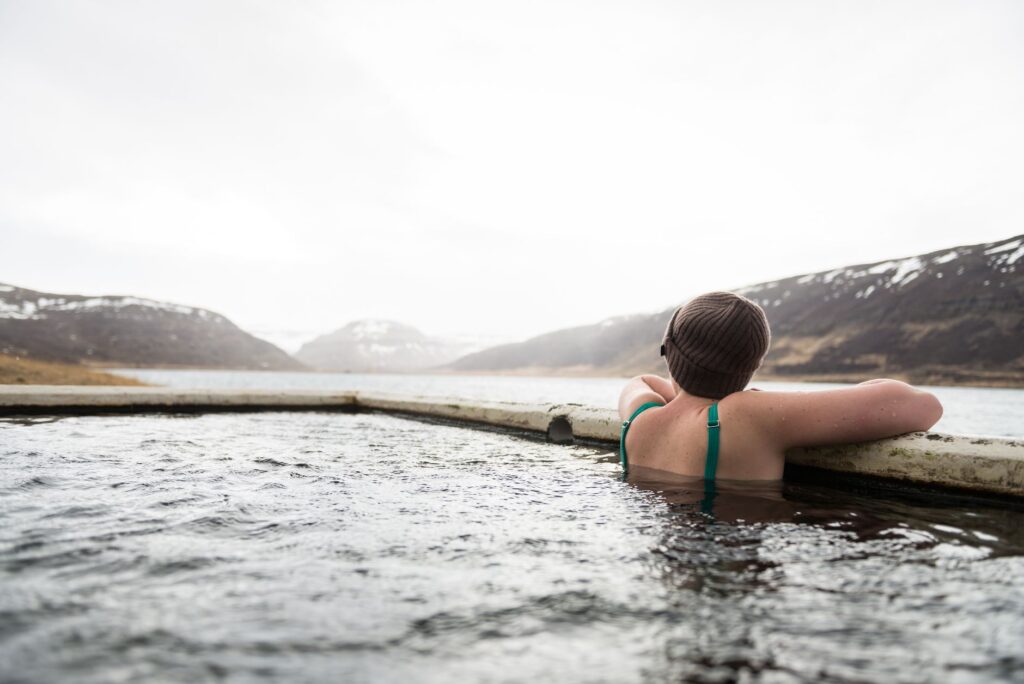
Authentic thermalism does not seek ephemeral distraction, but rather biological restoration through direct interaction between telluric minerals and the self-regulatory capacity of the human body.
The hydrostatic pressure of water, which reduces effective body weight by approximately ninety percent, allows the spine and limbs to rest from constant gravitational load. This state of relative weightlessness facilitates gentle stretching movements, enhancing the relaxation of the autonomic nervous system and reducing circulating blood cortisol levels.
The Ritual of Heat and Cold: Saunas, Hammams, and Nordic Contrasts
Beyond the large indoor and outdoor pools, the Lavey-les-Bains complex integrates a sophisticated sauna and steam bath zone inspired by both Nordic tradition and the oriental hammam. This space constitutes a contrast circuit designed to optimize bodily detoxification processes and immunological strengthening.
The ritual typically begins in dry saunas, where temperatures ranging from eighty to ninety degrees induce intense sweating that favors toxin elimination through the skin. The spruce wood used in the linings emits a subtle aroma that complements the sensory experience. Following the dry heat phase, users access contrast showers or crushed ice fountains, a fundamental step to close pores and provoke rapid vascular contraction that tones the circulatory system.

The circuit concludes with steam baths infused with eucalyptus and alpine plant essences, whose one hundred percent relative humidity purifies the skin and relaxes back musculature. This methodical alternation between deep heat and stimulating cold requires attentive listening to one’s bodily signals, avoiding saturation and respecting necessary rest times between cycles.
Gastronomy and Mindful Nutrition in the Alpine Environment
The wellness experience in Lavey-les-Bains extends beyond pools and steam rooms through a culinary proposal prioritizing local produce and light yet nourishing cuisine. In a center dedicated to holistic health, nutrition ceases to be a mere formality and becomes a fundamental pillar of metabolic balance.
The complex’s restaurants and surrounding establishments work in close collaboration with farmers from the Canton of Vaud and neighboring Valais. Menus are dominated by seasonal vegetables grown in river valleys, protected designation of origin cheeses like L’Etivaz or Gruyère, and meats sourced from extensive alpine livestock farming. Fish from nearby lakes, such as whitefish and trout, provide high-quality proteins and essential omega-three fatty acids.
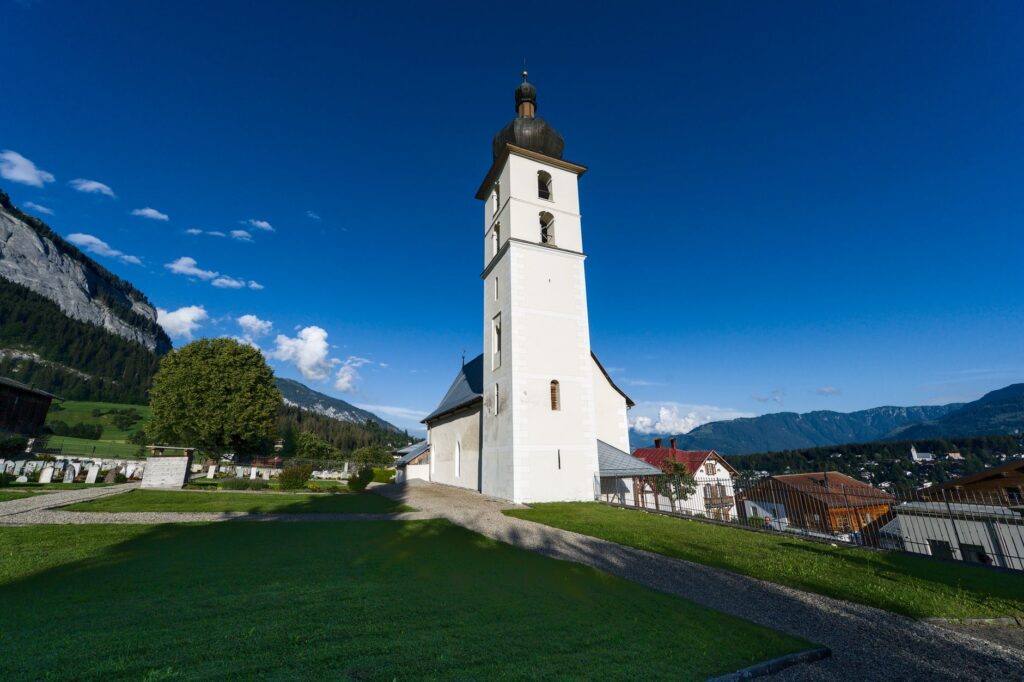
Nourishing the body with local, seasonal ingredients completes the regeneration cycle initiated in the water, bridging the gap between the natural environment and human metabolism.
The culinary offering avoids excess fats and refined sugars, opting for herbal infusions harvested from mountain meadows, purifying broths, and preparations that fully respect the organoleptic and nutritional properties of the food. This approach reinforces the general sensation of lightness and mental clarity experienced by visitors after several days of valley immersion.
Slow Hiking and Connection with the Rhône Landscape
To maximize hydrotherapy benefits, specialists recommend combining bathing hours with slow hiking or mindful walks around Lavey-les-Bains. The geographical environment offers a network of well-marked trails running parallel to the Rhône river or ascending gently toward hanging mountain villages.
Walking these paths without haste, paying attention to the sound of river water, rustling leaves, or forest bird song, constitutes a form of moving meditation known in Japanese culture as forest bathing. The absence of light and acoustic pollution on these routes facilitates deep digital disconnection, allowing the nervous system to recover from stress derived from hyperconnected urban environments.
Routes vary in difficulty, from flat walks ideal for post-thermal recovery to demanding ascents rewarding travelers with exceptional panoramic views of glaciers and neighboring valleys. In any case, the pace must always be unhurried, adapted to respiratory capacity and devoid of competitive drive.
Practical Information for the Discerning Traveler
Planning a visit to Lavey-les-Bains requires attention to certain logistical details to ensure an optimal experience respectful of center regulations.
- Location and Access: The town is located in the Canton of Vaud, close to the Valais border. It is accessible by train to Saint-Maurice station, from where regular buses cover the short journey to the baths. By private vehicle, it is easily reached via the A9 motorway, taking the Saint-Maurice exit.
- Hours and Capacity: The complex generally opens every day of the year from morning until night. To avoid crowding and enjoy maximum tranquility, visiting during early morning hours or late afternoons on weekdays is recommended.
- Regulations and Equipment: Wearing appropriate swimwear is mandatory. Sauna and hammam facilities have specific usage regulations (some zones are textile-free for hygiene traditions, so advance consultation is advised). Towels and bathrobes are available for rent at reception.
- Accommodation: The complex features an associated hotel directly connected to the baths, allowing bathrobe access from the room. Boutique lodging options also exist in Saint-Maurice and the region’s winemaking villages.
- Medical Contraindications: Although thermal water benefits most people, consulting a specialist regarding severe cardiovascular pathologies, uncontrolled hypertension, or acute feverish processes is advised before entering high-temperature pools.
The Return to Balance: A Timeless Legacy
The journey to Lavey-les-Bains transcends conventional vacationing, entering the realm of conscious vital hygiene. In a fast-paced world where attention is constantly scattered among screens and labor obligations, this corner of the Canton of Vaud offers something increasingly scarce: halted time, mineral silence, and pure heat emanating from the earth’s depths.
The combination of an exceptional hydrothermal source, architecture respectful of the alpine landscape, and a wellness philosophy grounded in balneological science consolidates this enclave as one of Europe’s most refined health destinations. Upon leaving the valley and returning to daily hustle, the traveler carries not only the subtle trace of alpine minerals on their skin, but profound mental clarity and the certainty that true contemporary luxury lies in pausing rhythm and listening to one’s biology in harmony with nature.