
The Geopolitics of Tourism at the Heart of the Mediterranean
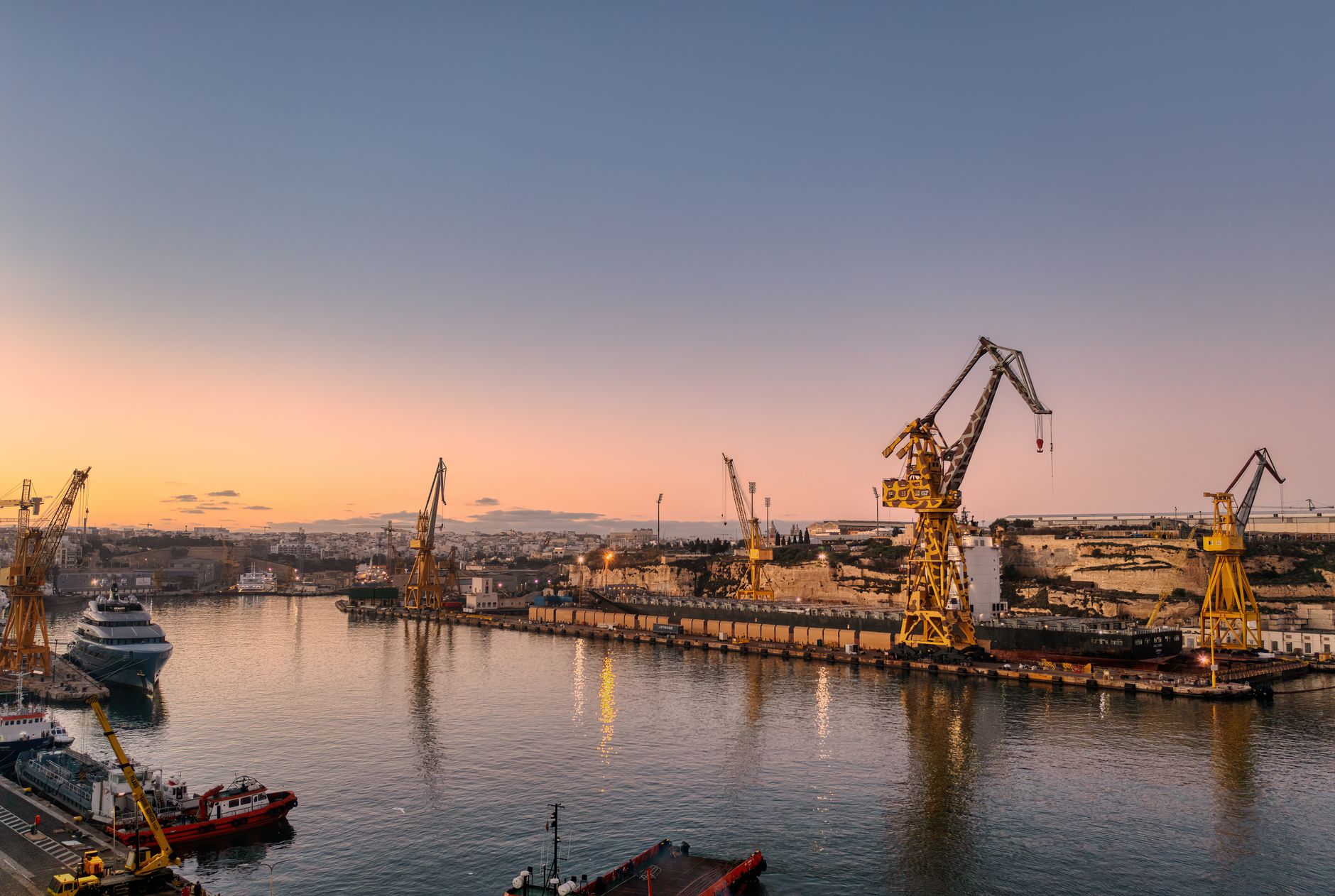
In the Maltese archipelago, sitting at the crossroads of Europe and Africa, the global tourism industry has gathered for the World Travel & Tourism Council (WTTC) global summit. This high-level meeting is far from a standard protocol gathering; it marks a critical juncture for an industry desperately seeking to reconcile its unstoppable economic growth with the preservation of natural resources and the livability of destinations. Among the most influential actors in this debate are Spain’s major tourism conglomerates, which operate airlines, hotel chains, and tour operators with a massive footprint both domestically and internationally.
The presence of these corporations in Malta highlights Spain’s specific weight on the global tourism chessboard. However, this leadership brings an inescapable responsibility. The traditional sun-and-beach model, which for decades guaranteed record-breaking visitor numbers, now faces clear physical and social boundaries. Destination overcrowding, water scarcity in Mediterranean river basins, and mounting pressure on urban and regional mobility demand a structural transformation that goes far beyond superficial greenwashing or corporate marketing.
The Mobility Dilemma: Air Connectivity Versus Decarbonization
One of the central debates sustained by Spanish executives in the corridors and panels of the Maltese summit revolves around mobility. Air transport remains the Achilles’ heel of the tourism industry regarding greenhouse gas emissions. Despite international commitments to achieve net-zero carbon emissions by 2050, commercial flight demand continues to break historical records month after month. For Spanish groups with interests in both tour operation and aviation, the equation is deeply complex: how to maintain connectivity and economic profitability without soaring ecological footprints?

The solutions discussed on the table are neither simple nor immediate. The gradual adoption of Sustainable Aviation Fuels (SAF) struggles with scarce global supply and production costs significantly higher than those of fossil kerosene. Likewise, integrating tourist flows with high-efficiency ground transport networks, such as Europe’s rail infrastructure, continues to encounter bureaucratic hurdles and disconnected cross-border networks. In Malta, speakers agreed that the transition toward truly sustainable mobility requires ambitious fiscal incentives and much closer public-private collaboration than currently exists.
The Pressure on Water Resources and Island Territories
The geographic context of Malta—a small, densely populated island nation with severe natural freshwater limitations—acts as an amplified metaphor for conditions in many Spanish tourist regions, such as the Balearic Islands, the Canary Islands, or the Costa del Sol. During the summit, environmental management experts recalled that water consumption per tourist exponentially multiplies that of a local resident, an imbalance exacerbated during the summer months coinciding with severe drought periods.
Spanish hoteliers at the forum presented various initiatives aimed at circular economy practices, efficient desalination, and greywater recycling. Nonetheless, environmental organizations warn that these technological measures are insufficient if not accompanied by limits on destination carrying capacity. Unchecked hotel expansion and the proliferation of short-term vacation rentals continue to strain housing access for local residents while collapsing basic sanitation and waste management infrastructures.

Tourism can no longer grow while ignoring the planet’s ecological limits; true competitiveness in the 21st century lies in the ability to regenerate destinations rather than exploiting them to exhaustion.
The Transition Toward Participatory Governance Models
Beyond purely environmental metrics, the WTTC summit in Malta highlighted the pressing need to reform tourism governance. Historically, strategic decisions regarding sector development have been made in ministerial offices or corporate boardrooms with scarce citizen participation. This top-down model has eroded social harmony in numerous cities and regions, generating palpable public backlash against mass tourism.
Major Spanish groups have begun to acknowledge that the social license to operate is no longer guaranteed solely by job creation and tax revenues. It is imperative to integrate local communities into the strategic planning of the activity. This implies establishing permanent dialogue tables, decentralizing tourist flows toward rural or less overcrowded areas, and ensuring that the industry’s economic benefits fairly translate into improved local public services.
Digitalization as a Tool for Flow Management
Technology held a prominent place in the presentations delivered by Spanish executives in Malta. Artificial intelligence, big data analytics, and intelligent destination management platforms are presented as indispensable tools to decongest hotspots and anticipate saturation peaks.
Through the use of sensors and mobile applications, certain administrations and companies already manage to monitor visitor density in real time across monuments, beaches, and historic quarters. However, experts warn that digitalization is merely a management instrument and not an end in itself. If the collected data does not translate into bold regulatory decisions—such as access quotas, time restrictions, or dedicated tourist taxes—technology will merely optimize overcrowding rather than prevent it.
The Financial Factor: Green Investment and European Taxonomy
Financing the ecological transition was another key debate at the Maltese gathering. With stricter European regulations on corporate sustainability reporting now in force, major tourism groups can no longer mask their environmental impacts. Institutional investors and pension funds demand rigorous ESG (environmental, social, and governance) criteria before granting financing or injecting capital.

In this sense, Spanish corporations are undergoing an accelerated process of financial reconversion. Issuing green bonds linked to emissions reduction targets and the energy rehabilitation of mature hotel complexes have become standard practices. Despite this, fears persist that overly complex regulations might penalize medium-sized enterprises in the sector, which possess lower technical and financial capacities to adapt to new European standards.
The Labor Factor and the Value of Human Capital
No sustainability strategy can be deemed complete if it ignores the social and labor dimension. The tourism industry has traditionally suffered from seasonality, high turnover, and precarious working conditions in certain links of its value chain. In Malta, union and business representatives debated the urgency of professionalizing and dignifying tourism jobs to retain talent.
The shortage of qualified personnel in hospitality and catering, laid bare in the wake of the pandemic, has forced major groups to revise their wage policies and work-life balance measures. Investing in continuous training, guaranteeing job stability, and offering attractive career paths are necessary conditions to secure the service quality demanded by contemporary travelers, who are increasingly critical of the corporate ethics of the brands they consume.
The true transformation of tourism begins with the recognition and dignity of its workers; without motivated and fairly compensated employees, service excellence is unsustainable.
Conclusions: The Unavoidable Challenge of Coherence
The WTTC summit in Malta allowed Spain’s major tourism groups to realize that the window for temporary maneuvering is closing fast. Climate alarm signals, demographic pressure in destinations, and European Union regulatory demands shape a scenario where inaction is no longer a viable option. The challenge facing the industry is monumental: redesigning its business model from the ground up to ensure that tourism activity remains compatible with life in the territories hosting it.
The future of Spanish tourism on the international stage will depend on its ability to lead this paradigm shift with honesty and rigor. Declarations of intent and international forums must translate into verifiable roadmaps with short- and medium-term quantifiable goals. Only then can the shadow of social skepticism be dispelled and a truly sustainable model of mobility and hospitality consolidated.
Practical Information to Understand the Sector’s Impact
- Regulatory framework: Tourism enterprises operate under the guidelines of the European Union’s Corporate Sustainability Reporting Directive (CSRD).
- Key indicators: Carbon footprints include both direct emissions from facilities and indirect emissions stemming from supply chains and transport.
- Financing sources: Next Generation EU funds have channeled specific allocations for modernizing and digitizing the Spanish tourism sector.
- Participation channels: Sustainable tourism destination plans (PSTD) foster collaboration among city councils, business fabrics, and citizen associations.
Source: Adapted from Demócrata’s news coverage available on Google News.