


The Fluvial Renaissance on Europe’s Last Wild River
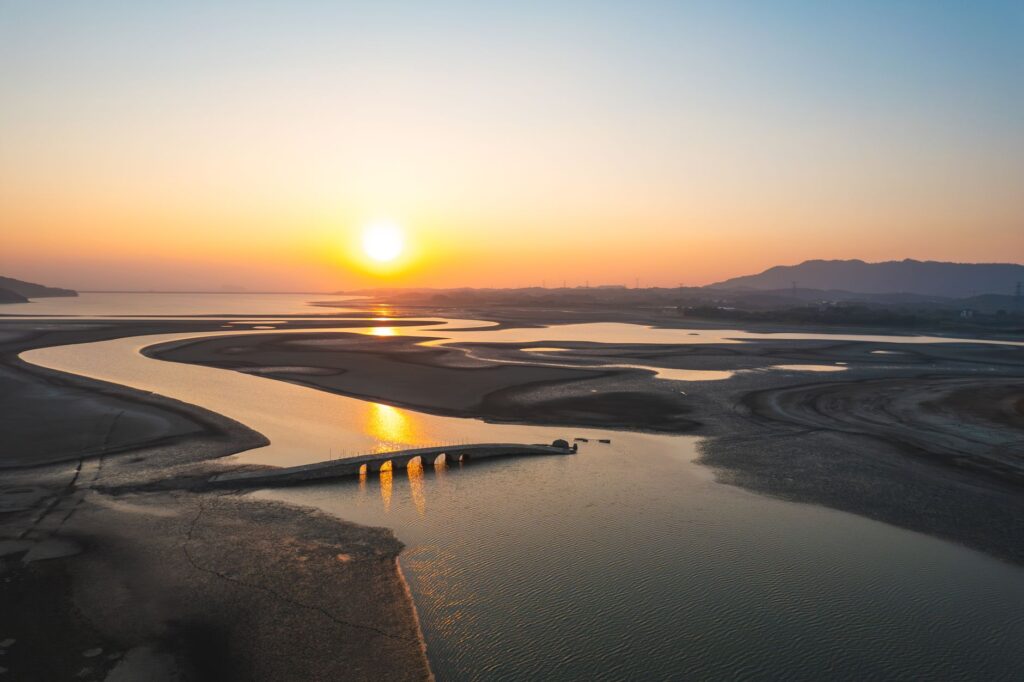
The Loire, globally renowned for its dazzling crown of Renaissance châteaux, harbors a less-traveled yet profoundly authentic dimension: its fluvial vocation. For centuries, this dynamic and capricious waterway served as the primary commercial artery of the Kingdom of France, a corridor where timber, wines, ashlar stones, and spices were transported against or with the current on flat-bottomed boats designed specifically to navigate sandbars and treacherous currents. Today, the revival of traditional navigation aboard *gabarres* and *toues cabanées* allows contemporary travelers to immerse themselves in the cultural landscape of the Loire Valley from an unaltered perspective, where the rhythm of the water provides a radical pause from the accelerated tourism of major land routes.
Far from the artificial and rectilinear canals that characterize much of European river engineering, the Loire retains its status as a wild river. Its bed shifts constantly after every winter flood or summer low-water period, forcing freshwater sailors to develop an empirical and meticulous knowledge of the terrain. This intimate relationship between man, boat, and natural environment forms the core of a slow-travel experience that prioritizes rigorous contemplation over the mass consumption of tourist attractions.
Traditional Naval Engineering of the Flat-Bottomed Gabarres
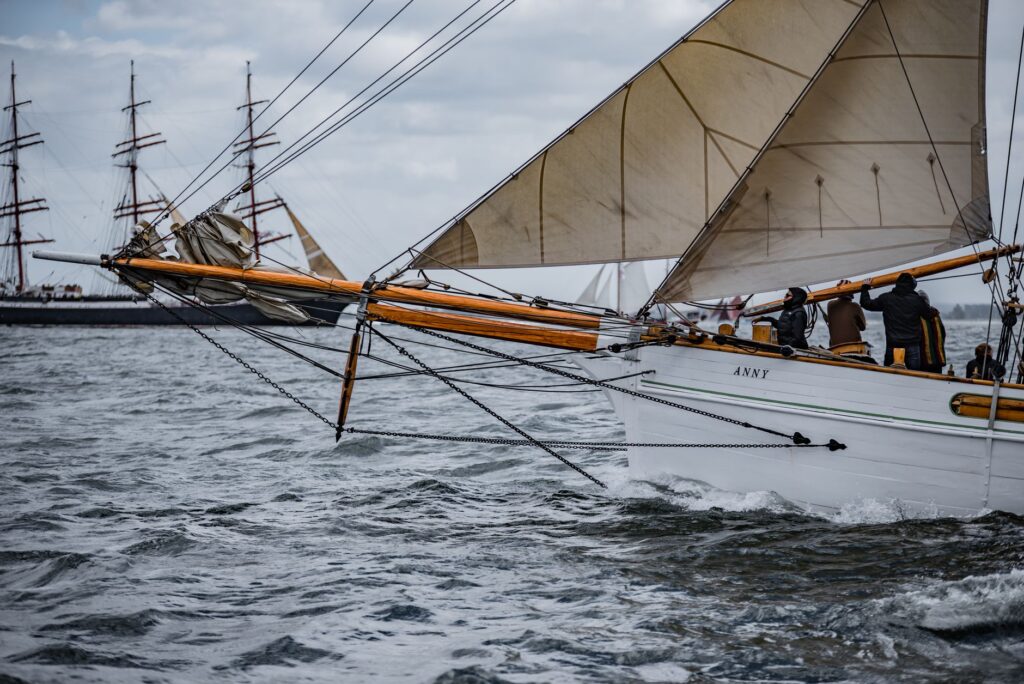
Understanding navigation on the Loire requires examining the evolution of its historical watercraft. The classic flat-bottomed boat, locally known as a *gabarre*, features a completely flat bottom and an open or partially protected deck that maximized cargo capacity without increasing draft. Traditionally built from local oak harvested in regional forests, these vessels had to be flexible enough to withstand impacts against rocky and sandy riverbeds, yet robust enough to carry tons of cargo.
Unlike deep-sea vessels, the Loire gabarres depended on the force of the wind caught in large rectangular sails when blowing downstream, or the backbreaking effort of men—and occasionally animals—towing them upstream from the riverbank using long ropes during towing operations known as *halage*. Today, faithful replicas of these vessels plying the waters between Chaumont-sur-Loire, Amboise, and Tours keep alive the technical skills of boat carpentry and river maneuvering that once faced oblivion.
The Architecture of the Châteaux from the Water’s Perspective
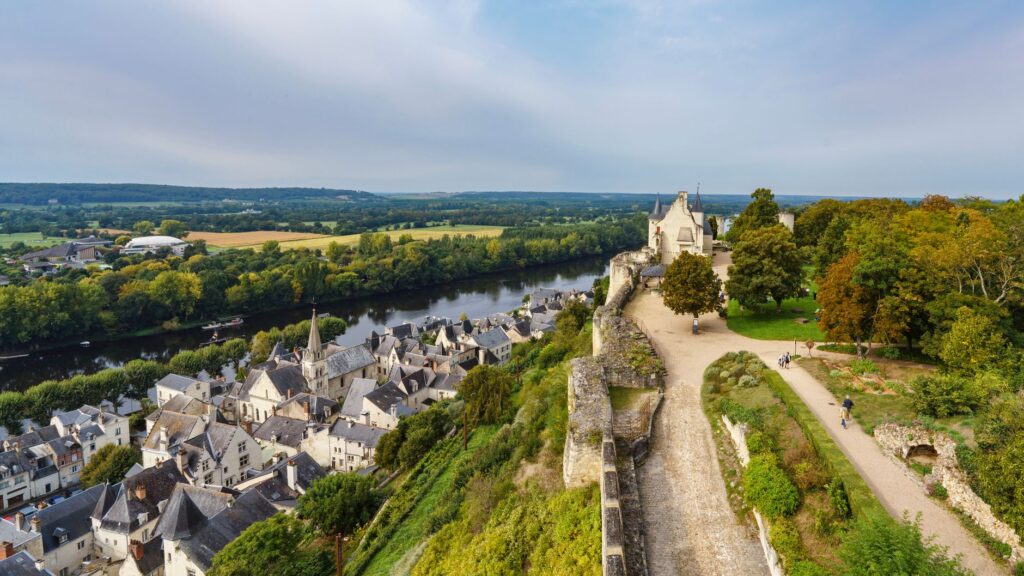
The historical perspective of the valley’s great monuments was originally conceived from the river. Dukes, kings, and ambassadors ascending or descending the waterway contemplated the imposing silhouette of fortresses like the Château de Amboise or royal estates from a low elevation, where military and palatial architecture merged with the aquatic horizon. Navigating today aboard a gabarre recreates this visual approach, allowing travelers to appreciate architectural details that go unnoticed from roads or standard pedestrian access points.
From the water, the Château de Chaumont-sur-Loire rises upon its rocky promontory, dominating the currents with the same silent authority it held in the 15th century. The region’s characteristic white tuffeau stone absorbs the changing evening light, offering ochre and golden hues reflected on the river’s surface. This architectural approach is not merely aesthetic; it reveals how the political and economic power of the Valois dynasty critically depended on controlling fluvial communication routes and toll stations established along the banks.
The river is not a mere scenic backdrop, but the invisible artisan that sculpted the stone, nourished the vineyards, and dictated the military strategy of an entire valley.
Biodiversity and the Changing Morphology of the Riverbed
The Loire Valley is part of the European Natura 2000 network and is designated a UNESCO World Heritage site, distinctions that recognize not only its monumental wealth but also the exceptional nature of its river ecosystems. Aboard a gabarre, specialized guides and naturalists explain how sand and gravel islands, locally known as *grèves*, serve as critical refuges for numerous migratory bird species, such as the little tern, the little bittern, and various heron varieties.
The river’s dynamics create a constantly transforming habitat. Periodic floods redistribute sediments, clear secondary channels, and renew riparian forests composed mainly of willows and black poplars. This delicate ecological balance requires rigorous management of tourism navigation, limiting engine power and encouraging exclusively wind or electric propulsion in authorized vessels to preserve the tranquility of local wildlife.
Riparian Crafts and Living Memory in Historical Ports
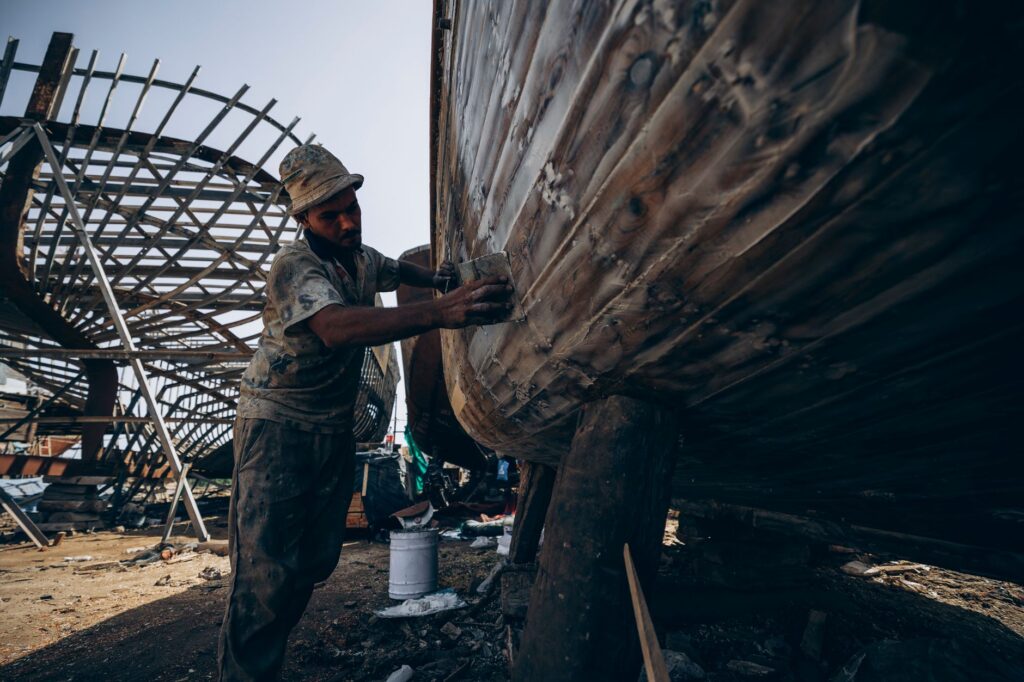
The revival of navigation on the Loire is inseparable from the tenacious efforts of local fluvial heritage associations, artisans, and boat carpenters who have rescued ancient blueprints and traditional shipbuilding techniques. Historical ports such as Saint-Dyé-sur-Loire, which once served as the primary supply port for constructing the majestic Château de Chambord, once again welcome artisanal activity along their stone quays.
In these enclaves, visitors can observe firsthand the maintenance work on the gabarres, where caulking seams with oakum and pitch is carried out entirely by hand. These open workshops act as centers for transmitting knowledge, where veteran sailors pass down the secrets of reading whirlpools, identifying submerged sandbars, and anticipating meteorological shifts that suddenly alter the river’s behavior.
Wine Culture and Riparian Terroirs
The economic history of the Loire is inextricably linked to winemaking, and the river historically served as the primary route for exporting the prized wines of Touraine, Anjou, and the Pays Nantais to the markets of Paris and northern Europe. Navigating the river reveals the direct influence of the fluvial microclimate on vineyards planted on alluvial terraces and calcified tuffeau hillsides.
Morning mists generated by the thermal contrast between water and land provide optimal conditions for the balanced ripening of varieties such as Chenin Blanc and Cabernet Franc. Today, certain local wineries are reviving the fluvial transport of wine in barrels aboard gabarres, a historical nod that combines logistical sustainability with the enhancement of the region’s gastronomic heritage.
Practical Guide to Traditional Navigation on the Loire
Planning a fluvial navigation experience on the Loire requires attention to seasonality and the river’s specific hydrological conditions. Unlike regulated lakes or canals, water levels in the Loire fluctuate significantly depending on precipitation in its upper basin, which can affect boat departures during severe low-water periods in August or rapid spring floods.
Getting There: The primary rail gateway for exploring the central section of the Loire is the Tours or Blois station, both connected to Paris via high-speed TGV trains in approximately one hour. From the stations, the *Loire à Vélo* greenway network and local buses provide easy access to river docks located in towns such as Chaumont-sur-Loire, Amboise, or Chouzy-sur-Cisse.
When to Go: Optimal months for navigation span from May through late September. During this period, daylight hours are more generous, and weather conditions are ideal for daytime open-air journeys. Advance booking with local sailor cooperatives is strongly recommended, as traditional gabarres have a limited capacity of twelve to twenty passengers to ensure a respectful and personalized experience.
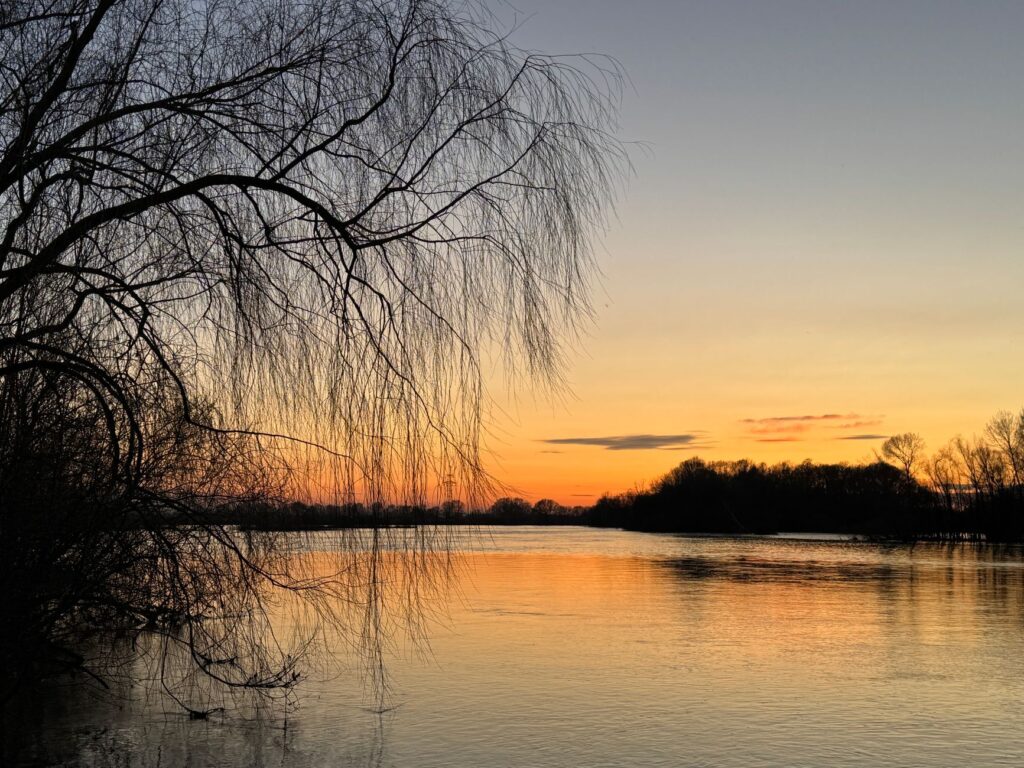
Traveling at the rhythm of the water aboard a Loire gabarre is an act of resistance against modern urgency, an invitation to decipher the landscape through the silence of the wind and the murmur of the current.
Planning Tips: Guided excursions typically last between one and two hours, though sunset navigation options featuring local wine tastings and detailed historical explanations are also available. Wearing comfortable, non-slip footwear is essential, along with light warm clothing even in summer due to river breezes and adequate sun protection. Combining the boat trip with walking or cycling segments is also strongly advised to gain a comprehensive perspective of the valley’s ecosystem.
The Sustainable Future of Fluvial Heritage
The model of river tourism currently practiced on the Loire represents a European benchmark for sustainable heritage management. By rejecting large commercial motorboats with high pollution levels and committing to the revitalization of riparian carpentry and sailing, the region has successfully protected its fragile ecosystem while stimulating the rural economy of riverside villages.
This balance between environmental conservation and cultural outreach demonstrates that the future of experiential travel lies in authenticity and deep respect for natural rhythms. The Loire, with its indomitable current and millenary history, continues to teach contemporary travelers that true luxury consists of stopping time and learning to listen to the ancient voice of earth and water.

