An archipelago at a crossroads
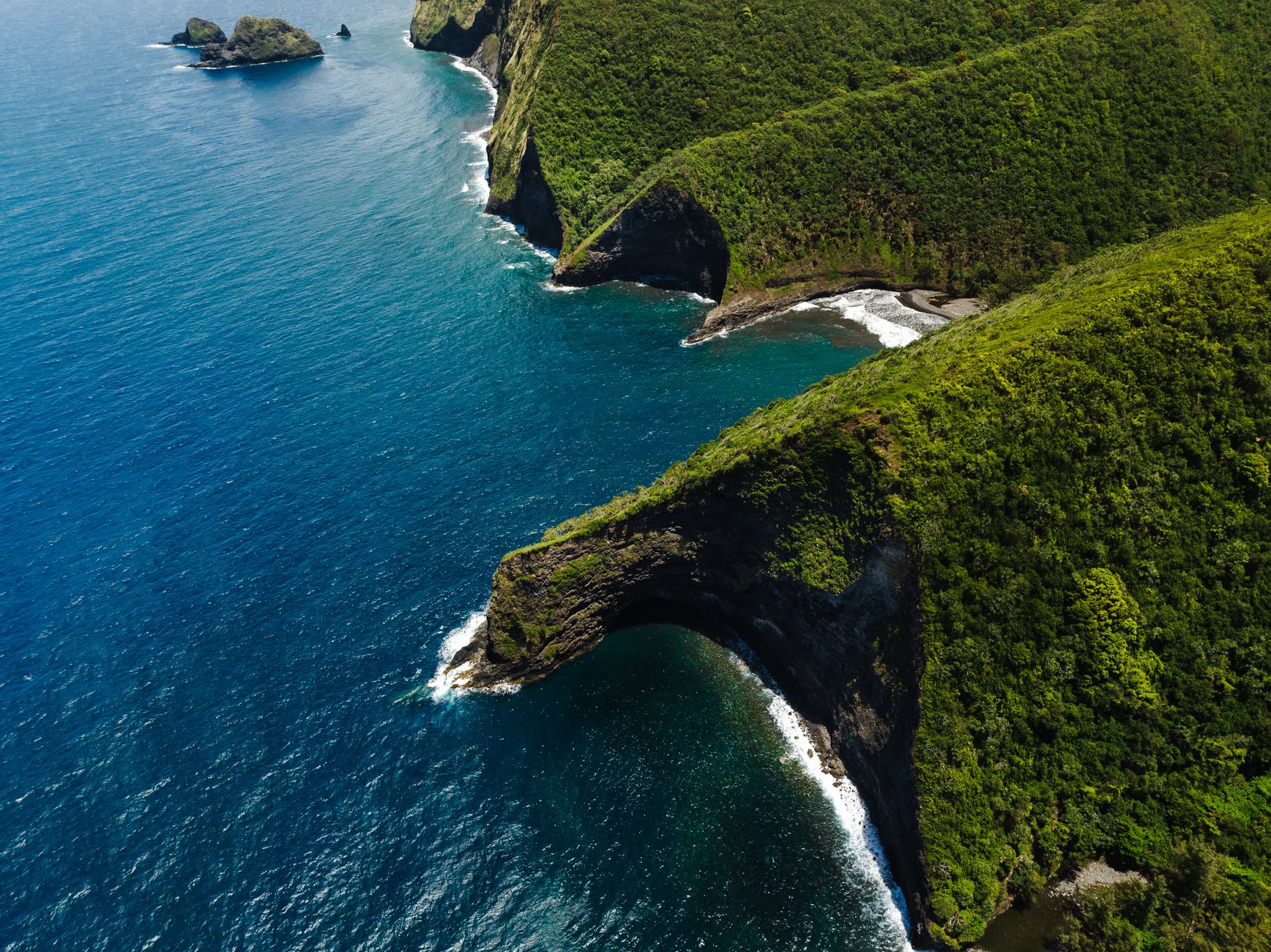
For decades, Hawaii has embodied the ultimate myth of the tropical Eden in the global and American collective imagination. Its white-sand beaches, towering volcanoes, and the promise of a warm welcome have drawn millions of souls annually in search of escape. However, recent statistical reports published by international outlets such as Infobae reveal an unexpected reality: millions of tourists have stopped visiting the archipelago, triggering a steep drop in visitor influxes. This phenomenon is not a passing crisis; rather, it lays bare a long-simmering structural tension between large-scale leisure industries and the actual carrying capacity of the islands.
The decline in tourist arrivals places Hawaii before an uncomfortable mirror. While chambers of commerce and major resort conglomerates lament shrinking revenues, a large portion of the local population views the setback with a mixture of caution and relief. The islands, geographically isolated and dependent on costly imports, have suffered the toll of a hyper-specialized economic model that prioritizes volume over quality and environmental stewardship. The question echoing across the archipelago today is no longer how to reclaim past attendance records, but rather what kind of destination it wishes to become in the future.
The unsustainable weight of mass visitors
To understand the scale of the current downturn, one must examine the factors driving traditional travelers away. In recent years, soaring service costs, fueled by inflation and high global demand, have made a Hawaiian vacation prohibitively expensive for the average American citizen. Added to this is the lingering impact of recent catastrophes, such as the devastating wildfires in Maui, which profoundly disrupted tourist infrastructure and demanded a pause in commercial promotion out of respect for affected communities.
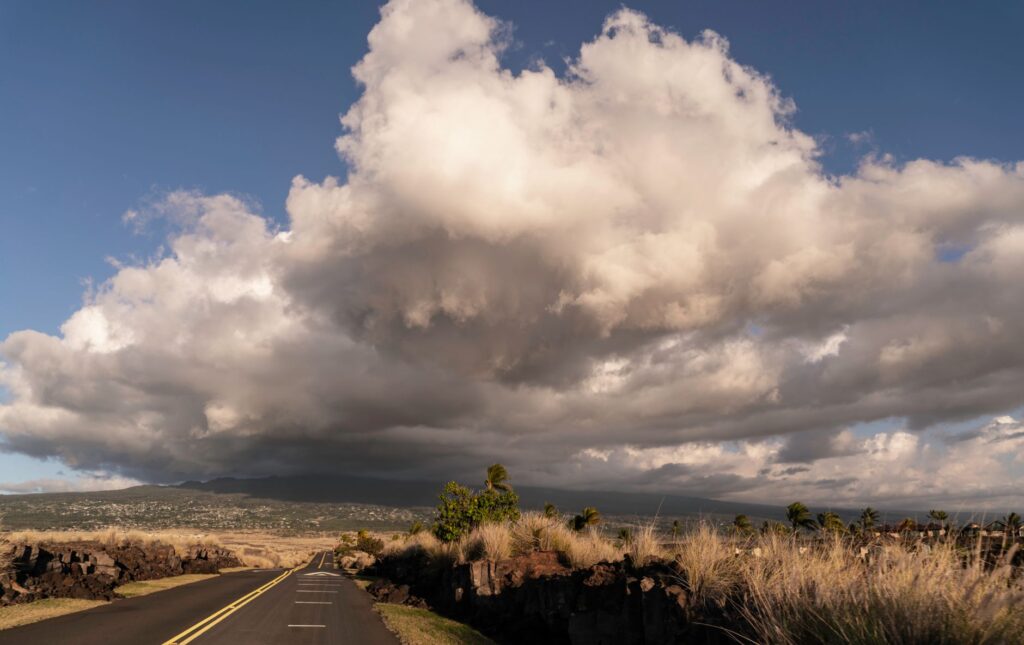
Yet economic factors alone do not explain the shift. There is an accumulated socio-cultural weariness. Local residents have raised their voices with growing firmness against the collateral damage of mass tourism: traffic gridlock, a chronic shortage of affordable housing driven by the proliferation of short-term vacation rentals, and the degradation of fragile ecosystems. Water, a precious and limited resource in the middle of the Pacific, faces extreme pressure to supply luxury resorts and facilities, while restrictions hit local neighborhoods.
Local economy: between dependence and suffocation
Hawaii’s economy has historically revolved around the service sector, a reliance that makes it acutely vulnerable to external shocks. When visitor volumes drop dramatically, the ripple effects strike hard at small businesses, independent guides, family-owned restaurants, and artisans who depend directly on daily traveler traffic. Unlike large international hotel chains, these local players lack robust financial cushions to absorb prolonged periods of low activity.

Ironically, this very dependence has hindered efforts to diversify the island economy toward more sustainable or technological sectors. Wages generated by the tourism industry, largely skewed toward low-skill positions, often fall short of covering the exorbitant cost of living in the islands, one of the highest in the United States. This generates a painful paradox: those who sustain the paradise industry through daily labor can barely afford to live with dignity in their own homeland.
The true luxury of Hawaii lies not in the abundance of imported amenities, but in the preservation of its fragile natural and cultural balance.
Community response and regenerative tourism
Faced with falling arrivals, tourism authorities and community organizations are reorienting their strategies toward a long-neglected concept: regenerative tourism. This philosophy posits that visitors should not merely consume a destination’s resources, but actively contribute to its conservation and well-being. Instead of mass campaigns aimed at maximizing arrival numbers, initiatives are being promoted to educate travelers about native history, coral reef care, and respect for local traditions.
Environmental volunteering programs, where tourists dedicate a few hours of their stay to reforesting native plants or cleaning beaches, are gaining traction. This approach aims to filter out visitors driven by fleeting consumption and attract a more conscious, respectful profile. The goal is no longer breaking quarterly statistical records, but ensuring human presence in the archipelago remains harmonious and sustainable over the long term.
Environmental impact on reefs and rainforests
The environment has served as the primary thermometer of tourist pressure in Hawaii. The coral reefs surrounding the islands, vital for marine biodiversity and coastal protection against erosion, suffer the combined impact of climate change and overcrowding. The massive use of harmful sunscreens, illegal anchoring of recreational boats, and uncontrolled trampling at diving sites have left visible scars on ancient ecosystems.
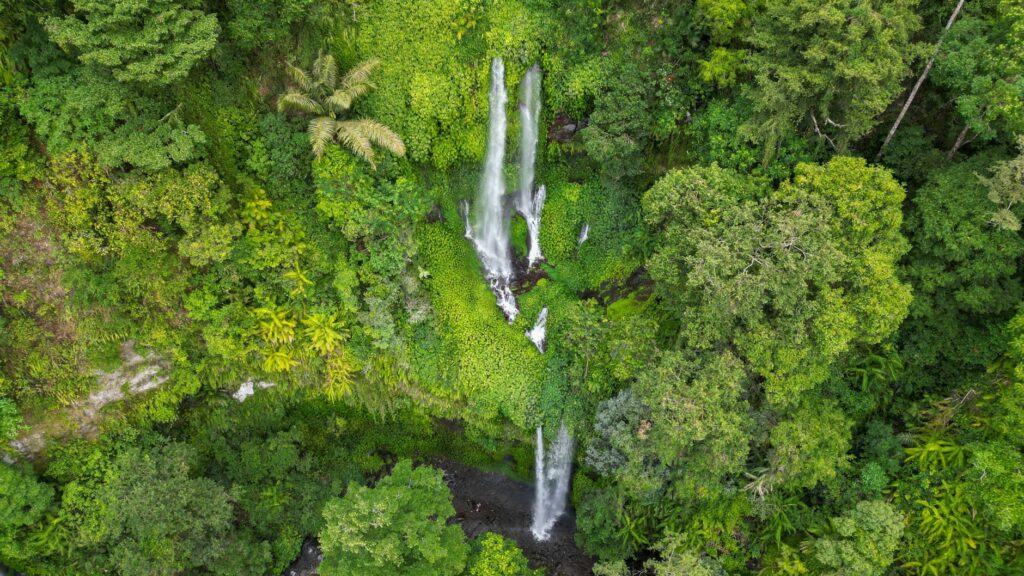
Likewise, trails deep within rainforests and sacred valleys have seen severe erosion driven by the constant transit of uninformed hikers. Areas of immense ecological and spiritual value to native Hawaiians have been turned into overcrowded stages for social media photographs. The current contraction of tourism offers an indispensable biological truce, allowing flora and fauna to reclaim ground in spaces that were suffocating under the weight of crowds.
Cultural identity and sovereignty versus commercial display
Beyond numbers and balance sheets, the debate over tourism in Hawaii touches the core of its cultural identity. For decades, Hawaiian culture has risked being folklorized and reduced to a fast-consumption product: out-of-context hula dance shows, mass-produced welcome leis, and a commodified hospitality that often erases the complex history of sovereignty and dispossession of the native people.
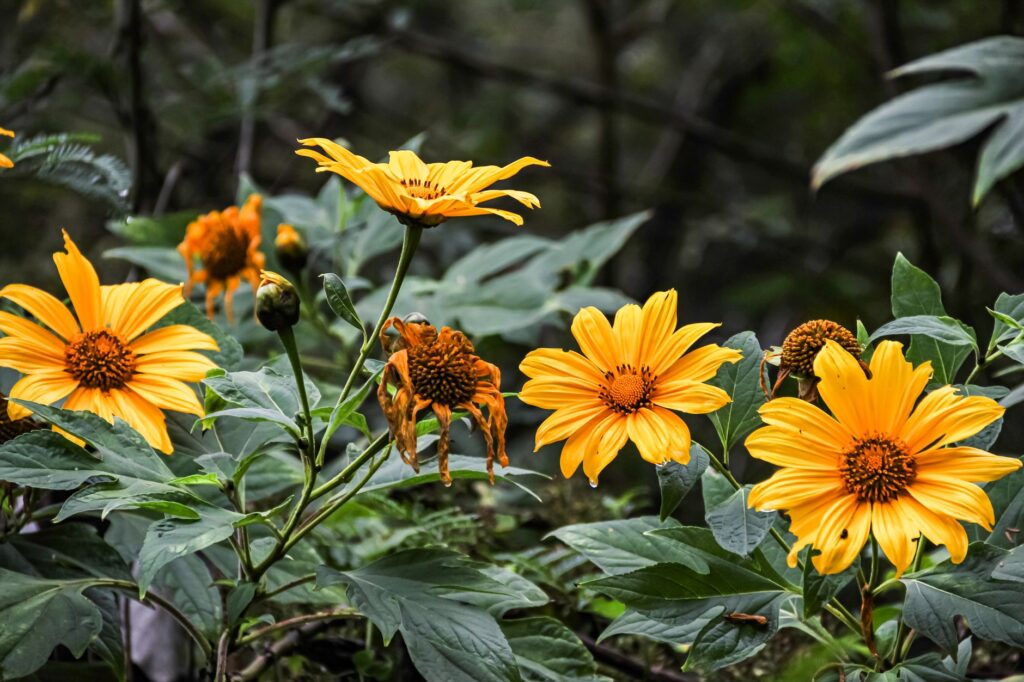
The decrease in visitor arrivals opens a critical space for reflection and the reclamation of indigenous voices. Cultural and social movements demand greater control over the narrative presented to the world, insisting on the recognition of colonial history and respect for the sacred status of certain geographical enclaves. The partial decommodification of daily island life allows local communities to reconnect with ancestral practices without the constant pressure of outside observation.
Future prospects for the island model
As the archipelago navigates this phase of lower visitor volume, economic analysts and community leaders are debating the contours of the ‘new normal’. It is evident that a return to the pre-pandemic model, built on saturation and endless growth, is unsustainable both ecologically and socially. Economic diversification, decisive support for local agriculture to reduce import reliance, and the implementation of stricter environmental fees are emerging as unavoidable pillars for the future.
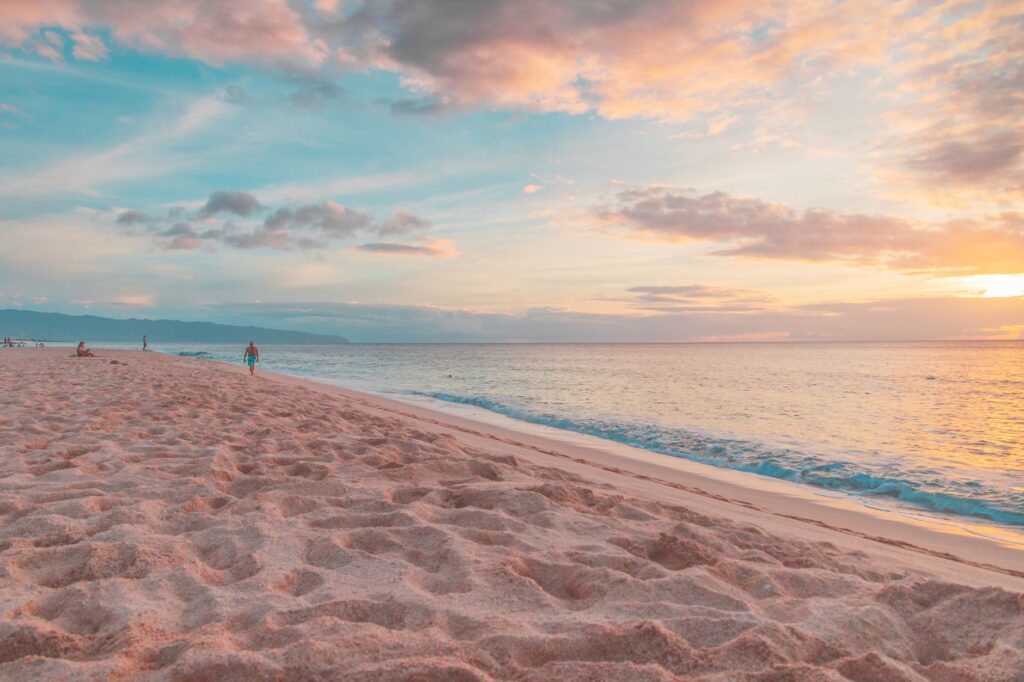
The challenge lies in managing the transition without precipitating irreversible financial crises for workers dependent on the sector. This requires intelligent and courageous public policy capable of balancing wealth redistribution with environmental protection. Hawaii faces a historic opportunity to reinvent itself as a global benchmark for conscious tourism, proving that it is possible to prioritize the health of a land and its people over blind market demands.
Reducing dependence on mass tourism is not an economic failure, but an essential condition for the cultural and ecological survival of the islands.
Practical guide for a conscious trip to Hawaii
If, despite the challenges, you decide to visit the archipelago, adopting an informed and respectful traveler mindset is essential. Below are key guidelines to minimize your ecological footprint and directly support local communities:
- Respectful planning: Educate yourself on the history, culture, and local laws of the specific island you plan to visit before departing.
- Local accommodation: Choose hotels or regulated rentals that demonstrate sustainable practices and have a minimal impact on the residential housing market.
- Reef protection: Use exclusively mineral-based, biodegradable sunscreens that do not harm marine life or coral reefs.
- Support for the community economy: Shop at local farmers’ markets, hire native guides, and purchase authentic crafts made on the islands.
- Spatial respect: Stay on marked trails, avoid entering sacred areas (kapu), and respect native wildlife by maintaining a safe distance.
Source: Infobae