
Vietnam’s Steel Backbone
Spanning over seventeen hundred kilometers of single-track metric gauge, the train formally known as the Thong Nhat or Reunification Express meanders from the northern capital of Hanoi to the bustling commercial heart of the south, Ho Chi Minh City. This railway artery is not merely an economical transport option for local residents and a scenic alternative for the global traveler; it represents the historical axis upon which the political and social map of Vietnam was stitched back together following the end of the armed conflict in 1975. Its route challenges the capricious geography of the country, an elongated and narrow territory wedged between the imposing Annamite Mountain Range and the South China Sea.
The history of this infrastructure traces its roots back to the French colonial era, when the Indochinese administration conceived the Trans-Indochinese Railway project in the late 19th century. The original intention served extractive and military control needs, but over the decades the route transformed into the circulatory system of the modern Vietnamese state. Today, Vietnam Railways (VNR) manages a service that preserves the spirit of an analog era, where each intermediate station functions as a cultural microcosm intersecting ethnic minorities, provincial merchants, and international travelers in search of geographic authenticity.
Analyzing the contemporary operation of the Reunification Express involves understanding the structural limitations of a single metric-gauge system, locally known as duong sat. Unlike the high-speed rail networks proliferating in other latitudes of East Asia, Vietnamese infrastructure prioritizes topographical resilience and integration with the rural fabric over peak speed. The convoys advance at an average speed oscillating between fifty and sixty kilometers per hour, allowing a detailed reading of the agrarian landscape, coastal marshes, and dense jungle slopes that characterize the territory.
Engineering Challenges in the Hai Van Pass
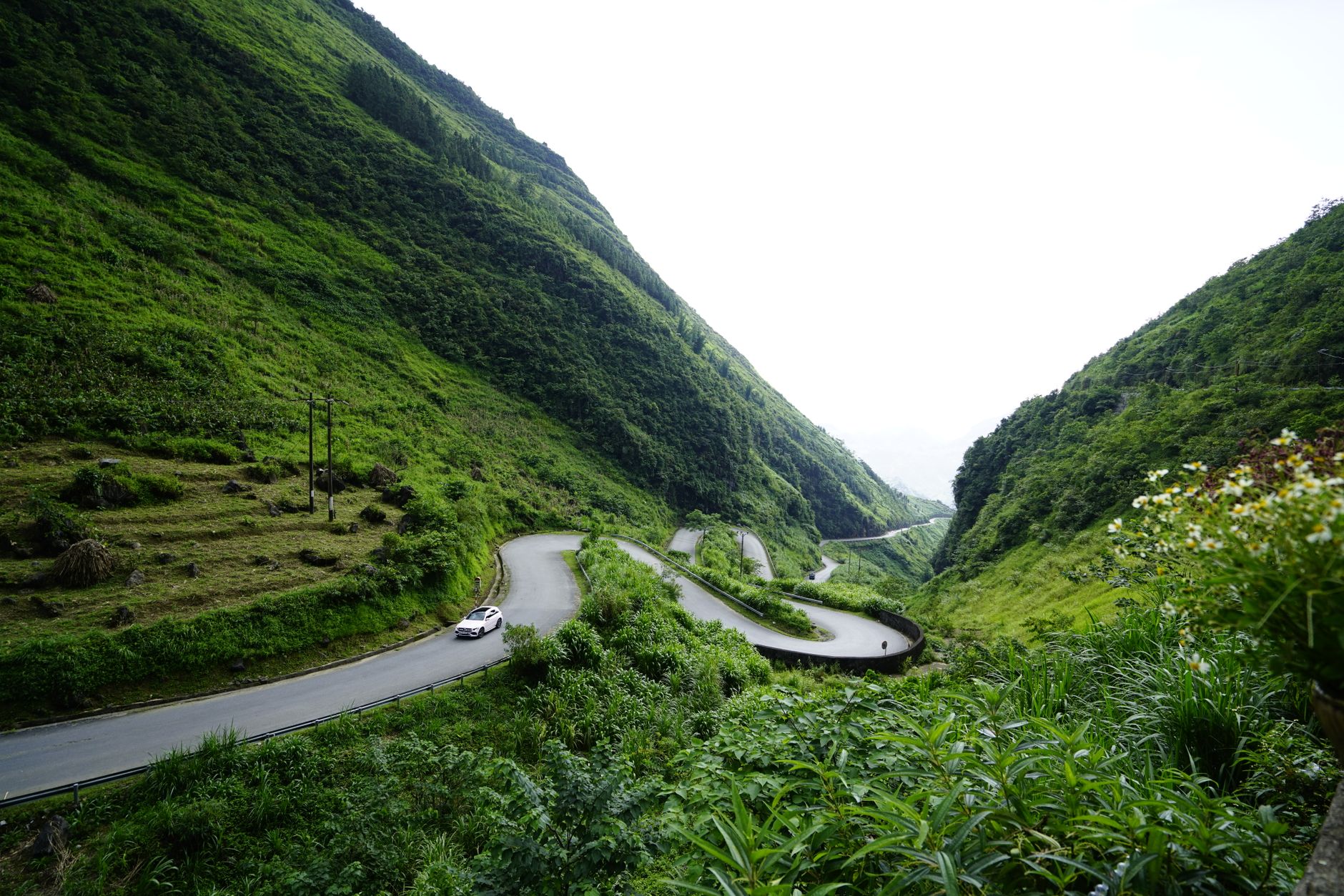
One of the most complex sections from both a technical and visual standpoint is located along the ascent and descent of the Hai Van Pass, the climatic and mountainous frontier separating the central and southern regions of Vietnam. Here, the Annamite range plunges directly into the waters of the Gulf of Tonkin and the South China Sea, forcing the railway to trace a series of sharp curves and steep gradients that have tested both diesel locomotives and track maintenance crews for decades.

Originally constructed under immense topographical and human pressure at the beginning of the 20th century, the pass compelled French and local engineers to excavate multiple tunnels and erect suspended metal bridges over deep ravines. Each monsoon season tests the stability of embankments and the resistance of slopes, requiring permanent civil engineering brigades dedicated to hillside consolidation and the constant replacement of tropical timber sleepers and steel components subjected to high saline corrosion from proximity to the sea.
For the traveler, crossing the Hai Van Pass aboard the train offers a perspective inaccessible from the modern highway or automotive tunnel. While contemporary roads divert heavy traffic through dark underground galleries, the train winds slowly along the cliffs, offering bird’s-eye panoramas of secluded bays and white sandy beaches where local fishing communities continue to harvest using ancestral artisanal methods.
Carriage Architecture and Onboard Service Classes
The experience aboard the Reunification Express varies substantially depending on the selected carriage category, reflecting the socioeconomic diversity of passengers utilizing the line. Modernized trains integrate a combination of soft-reclining seat carriages, four-berth sleeper compartments with synthetic wood paneling, and six-berth sleeper berths designed for more economical and family-oriented travel.

The refurbishment of the carriages, carried out progressively by state workshops in Hanoi and Da Nang, has incorporated centralized air-conditioning systems and individual power outlets for electronic device charging, meeting the demands of contemporary tourism without losing the nostalgic patina of the 1980s. The narrow corridors, featuring metallic sliding doors and lightweight fabric curtains, generate an atmosphere of compulsory coexistence where language barriers dissolve over cups of local green tea and shared gestures.
Train travel across Vietnam is not an exercise in rapid transit, but a temporary immersion in the unhurried pace of Southeast Asia, where time is measured by cleared stations and landscapes shifting imperceptibly past misted windowpanes.
In addition to sleeping accommodations, internal logistics include a rolling dining car where traditional dishes are freshly prepared. Steaming bowls of rice noodle broth, fresh vegetables harvested from surrounding valleys, and Vietnamese coffee filtered through condensed milk form part of a gastronomic routine accompanying the passenger throughout the thirty-plus-hour journey between the two extremes of the country.
Logistics and Planning for the End-to-End Journey
Planning a complete crossing along Vietnam’s railway network requires rigor in seat reservations and flexibility regarding operational schedule variations. The primary departure stations, Ga Hanoi and Ga Sai Gon, function as integrated transport hubs connected with urban bus networks and regulated taxis, although platform access requires presenting physical or digital tickets verified against passports.
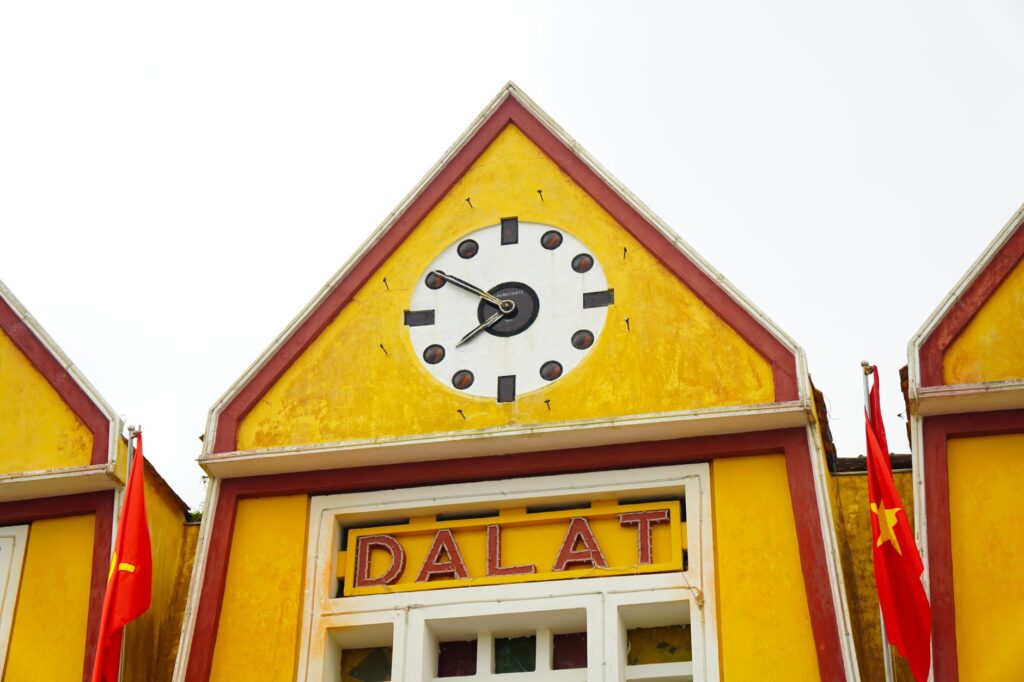
Advance purchase through the official VNR platform or authorized local agencies is highly recommended during national holiday periods, especially during Tet (the Vietnamese Lunar New Year), when millions of citizens travel to reunite with their families. Outside these peak dates, availability is generally ample, allowing travelers to purchase tickets in segments to explore intermediate stops of immense heritage value such as the imperial city of Hue or the historic quarter of Hoi An, accessible via Da Nang station.
It is essential to note that SE-series trains (the main express services) offer more efficient travel times compared to local TN-series trains, which make a significantly higher number of stops at rural halts and prioritize local freight transport over long-distance passenger transit.
Strategic Stops and Cultural Heritage Along the Route
The route of the Reunification Express acts as a guiding thread connecting UNESCO World Heritage sites and centers of profound historical relevance. Starting from Hanoi, with its Old Quarter of guild streets and French colonial architecture, the line descends southward, crossing Ninh Binh province, famous for its karstic formations emerging from flooded rice paddies.
At the halfway point, the stop at Hue station provides access to the imperial citadel and the lavish tombs of the Nguyen dynasty, situated along the banks of the Perfume River. This segment of the journey stands out for its visual and climatic transition: the cloudy and misty skies of the north gradually give way to tropical brightness and the persistent heat of the central plains and the Mekong Delta.
Continuing southward, the train crosses Nha Trang, a coastal port surrounded by islands and archaeological remnants of the Champa civilization, before tackling the final stretch toward former Saigon. Each of these stops requires precise synchronization with long-distance service timetables, as daily frequencies are limited, obliging travelers to carefully calculate their intermediate stays.
Safety, Maintenance, and Network Modernization
Safety within the Vietnamese railway system relies on strict signaling protocols and a centralized traffic control system coordinating train crossings across a single-track network where most sections lack doubling. Drivers and station masters communicate via radiofrequency systems and traditional manual signals at secondary halts, maintaining a very high level of direct human control.
Regarding maintenance, Vietnam Railways faces the ongoing challenge of updating aging infrastructure against growing competition from low-cost airlines and toll highways. Nonetheless, the central government has advanced multi-year investment plans aimed at renewing centennial steel bridges, replacing mechanical interlocking systems with digital technology, and improving accessibility at major stations.
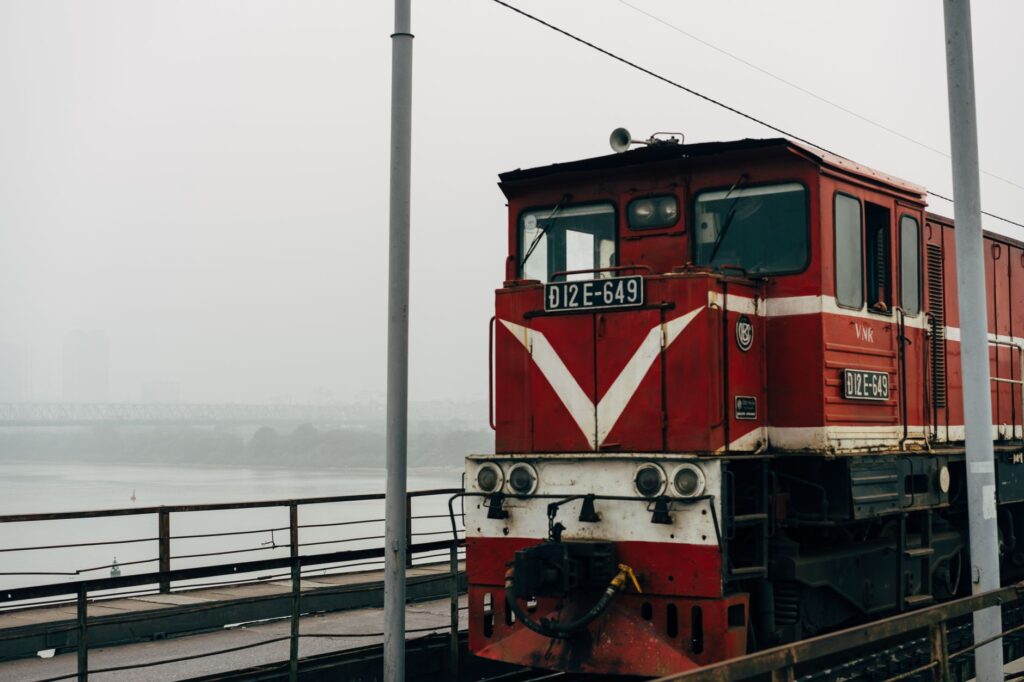
For railway engineering enthusiasts, observing nocturnal maintenance work in rural sidings constitutes a display of technical prowess and coordinated physical effort, where operating crews replace entire track sections under portable floodlighting during operational windows free of commercial traffic.
The Human Experience Onboard: Encounters with the Local Community
Beyond technical and logistical aspects, the defining value of the Reunification Express lies in its capacity to generate a space for genuine social interaction between foreign travelers and the local population. By sharing compartments during extended journeys, cultural differences dissolve through the spontaneous hospitality of Vietnamese families, who frequently share traditional foods and homemade sweets with their seatmates.
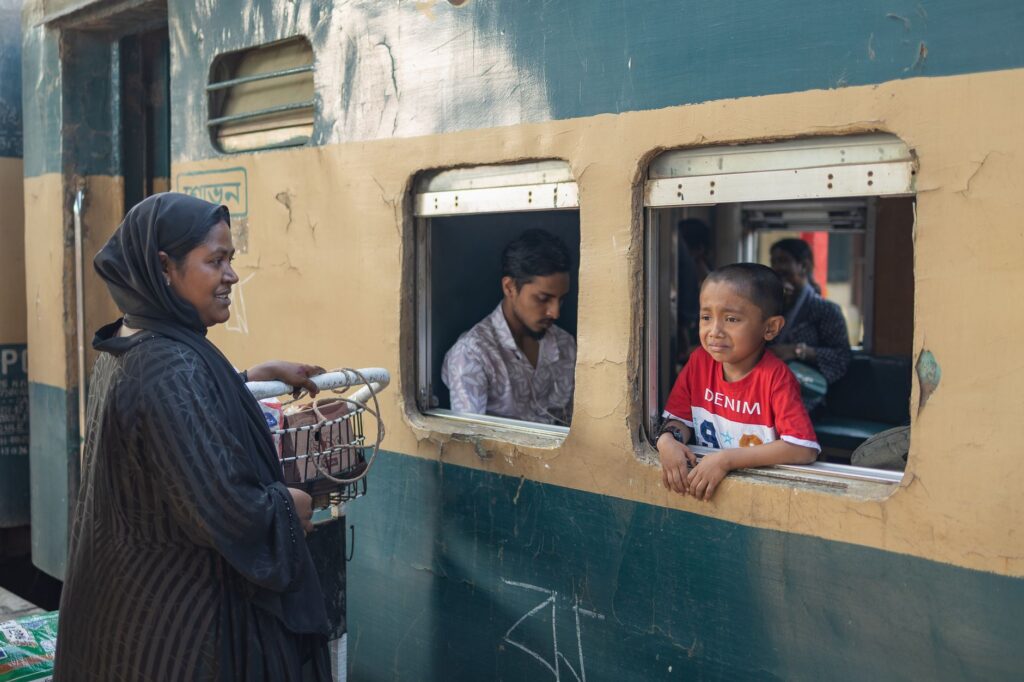
Authorized roving vendors boarding at major stations offer regional culinary specialties through carriage windows, creating a dynamic and traditional commerce that survives the standardization of modern stations. This direct contact with the country’s daily life transforms the rail journey into a first-rate anthropological tool for understanding the resilience and vitality of Vietnamese society.
Traveling by train in Vietnam is accepting a lesson in patience and open-mindedness, where the final destination matters just as much as the impromptu conversations in dim corridors while the convoy traverses the tropical night.
Practical Tips for the Rail Traveler in Vietnam
- Advance Booking: Secure your tickets at least two weeks in advance via the official VNR website or authorized agencies, especially if planning to travel in soft sleepers during weekends or holidays.
- Class Selection: Always choose air-conditioned carriages with soft sleeper berths (four-berth cabins) for journeys exceeding twelve hours; hard-seat options prove excessively exhausting for long-distance trips.
- Provisioning: Although the train features a dining car and roving vendors, bringing extra bottled water, snacks, and personal hygiene products is strongly advised.
- Luggage: Use moderately sized suitcases; storage spaces beneath lower bunks and upper racks are dimensioned for standard luggage, and corridors are narrow.
- Punctuality: Arrive at the station at least forty minutes before the scheduled departure time to locate the platform and complete identity checks without rushing.