

The Renaissance of Rail Travel Beneath the Skies of Great Britain
The art of slow travel has undergone a radical transformation in the twenty-first century, driven both by the urgent need to reduce carbon footprints and by the human desire to reclaim a sense of time during transit. Within this context, the Caledonian Sleeper stands out as one of the most fascinating exponents of Europe’s railway renaissance. This overnight service is far more than a mere mode of transport between metropolitan hubs and remote landscapes; it is an immersive experience that redefines contemporary mobility, blending the tradition of grand train journeys with state-of-the-art engineering and high-end hotel comfort.
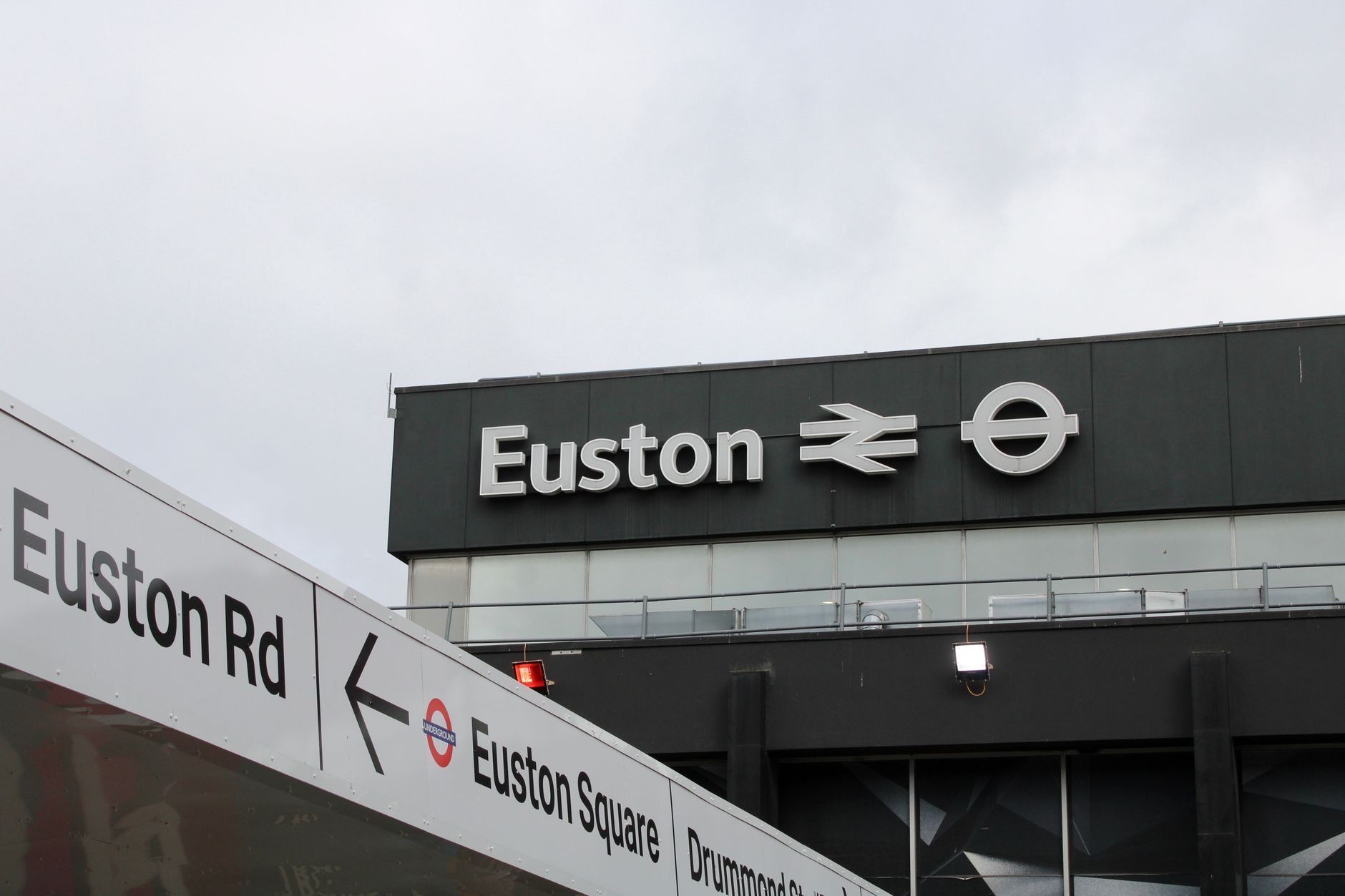
Operated by Serco on behalf of Transport Scotland, this historic rail link successfully reinvented itself following a multi-million-pound fleet renewal program. Connecting bustling London Euston station with the valleys, lochs, and peaks of the Scottish Highlands while passengers sleep represents both an impeccable logistical solution and a deeply evocative travel ritual. From the moment the convoy glides out of southern England’s platforms, it initiates a geographical and cultural journey spanning centuries of British history.
Engineering and Railway Design: The Evolution of Sleeping Cars
One of the greatest achievements of the modern service lies in the engineering of its carriages, specifically designed to offer superior acoustic insulation and unmatched stability at high overnight speeds. Current rolling stock incorporates state-of-the-art bogies that minimize vibration, ensuring optimal rest even along the most winding sections of the British rail network. Every technical detail has been meticulously planned to maximize available space without compromising the sense of spaciousness.
Onboard accommodation options are divided into several categories tailored to solo travelers, couples, or families. From reclining seats equipped with individual reading lights and USB ports to the coveted Club Rooms featuring private en-suite bathrooms and showers, the portfolio stands out for its versatility. Standard berths, characterized by a compact and functional layout, retain the classic charm of European night trains while incorporating independent climate control systems and satellite Wi-Fi connectivity.
The Highland Chieftain and Caledonian Lowlander Routes: Tracks and Branches
The Caledonian Sleeper network comprises two primary routes departing simultaneously from London Euston: the Lowlander and the Highlander. The former branches out toward Glasgow Central and Edinburgh, serving as a seamless early-morning connection for business travelers and urban explorers alike. However, it is the Highlander service that commands the attention of long-distance rail enthusiasts, dividing in Edinburgh, Glasgow, and Dundee before branching further toward destinations as diverse as Aberdeen, Inverness, and Fort William.
The route heading toward Fort William, popularly known as the Fort William Sleeper, holds the honorary title of being the United Kingdom’s northernmost regularly scheduled overnight passenger service. This journey meanders across the iconic Glenfinnan Viaduct and skirts the shores of Loch Lomond, offering one of the European continent’s most breathtaking panoramas at dawn. The precision timing with which coupling and uncoupling maneuvers are executed at intermediate stations like Edinburgh is a masterclass in modern rail logistics.
Onboard Gastronomical Offerings: A Tribute to the Scottish Larder
The culinary experience aboard the Caledonian Sleeper reflects the operator’s commitment to local producers and sustainability. The lounge car, christened the Club Car, functions as the train’s social heart. Featuring an interior design that evokes the aesthetics of Highland retreats through warm woods, subdued lighting, and boiled-wool textiles, this space invites socialization and gastronomic indulgence while the nocturnal landscape vanishes beyond the panoramic windows.
The menu ranges from a traditional Scottish breakfast featuring certified smoked salmon, free-range eggs, and artisanal haggis to light evening dining options crafted from Highland beef and artisanal farm cheeses. The beverage selection includes a curated cellar of single malt whiskies from emblematic distilleries across Speyside and the islands, turning every dinner into a guided tasting in motion.
Traveling aboard the Caledonian Sleeper transforms transit hours into a destination in itself, where time recovers its value and geography becomes a leisurely spectacle.
Sustainability and the Rise of Slow Travel in the United Kingdom
In an era marked by climate urgency and the fatigue associated with airports and short-haul flights, the night train stands out as the ultimate ethical alternative. Compared to commercial aviation, utilizing electric rail across major portions of the British network drastically reduces carbon dioxide emissions per passenger-kilometer. The operator’s environmental management policies span from eliminating single-use plastics to optimizing onboard energy consumption during resting hours.
This philosophy deeply resonates with the slow travel movement, which prioritizes the quality of immersion over the velocity of displacement. For the contemporary traveler, waking up amidst the Scottish heather moors after a restful night in a well-appointed bed eliminates the stress associated with jet lag and airport queues, allowing exploration to begin with energy and a renewed perspective.
Planning and Logistics: Practical Tips for a Flawless Journey
Organizing a trip aboard the Caledonian Sleeper requires advance planning, particularly due to high demand for en-suite cabins during the summer months and major holiday periods. Bookings typically open up to twelve months in advance via the company’s official website. It is essential to note that tickets include access to the exclusive station lounge at London Euston, where passengers can shower, enjoy breakfast, and unwind prior to departure.
For travelers carrying bulky luggage or sports equipment—such as bicycles or hiking gear—the train provides specialized luggage compartments that must be reserved at the time of ticket purchase. Likewise, wearing comfortable leisurewear and bringing universal power adapters is recommended, although cabins feature standard UK plug sockets and integrated USB ports.
Dawn in the Highlands: Arrival in Fort William and Inverness
The climax of the experience unfolds during the early morning hours, when dawn light illuminates the rugged contours of Ben Nevis, the highest peak in the British Isles. As the train reduces speed on its approach to terminal stations, passengers gather in the corridors to observe herds of red deer grazing in glacial valleys or morning mists lifting over the lochs.
Arrival in Inverness, known as the capital of the Highlands, or Fort William, the mecca of British mountaineering, marks the end of the overnight voyage yet the beginning of countless terrestrial adventures. The transition from the comfortable isolation of the sleeping car into the vast wild nature of Scotland occurs fluidly and without logistical hiccups.
The Future of Night Mobility in Europe
The sustained success of the Caledonian Sleeper demonstrates a latent and growing demand for high-quality overnight rail services. While European governments debate the integration of cross-border railway networks and the revitalization of continental night trains, the British model serves as a case study in harmonizing profitability, comfort, and environmental responsibility.
Investing in nocturnal rail infrastructure not only alleviates airspace congestion but democratizes access to remote regions, stimulating decentralized local economies.
The true transportation revolution lies not in traveling faster, but in rediscovering the joy of covering distances with purpose, respect, and well-being.
Against this horizon, the night train consolidates its position not as a relic of the past, but as the undisputed vanguard of future sustainable tourism.
Practical Information and Key Service Facts
Frequency: Daily departures from Monday to Saturday (subject to scheduled annual Sunday maintenance and key holidays).
Journey Duration: Between 7 and 11 hours depending on the final destination branch (London to Edinburgh takes approximately 7.5 hours; London to Fort William exceeds 13 hours due to technical stops).
Included Services: Access to selected station lounges, complimentary cabin amenities, Wi-Fi, and a choice of hot or continental breakfast.
Travel Requirements: Valid identification documents according to current UK regulations and mandatory advance reservation for seats or berths.

