Introduction to the Cantabrian Refuge
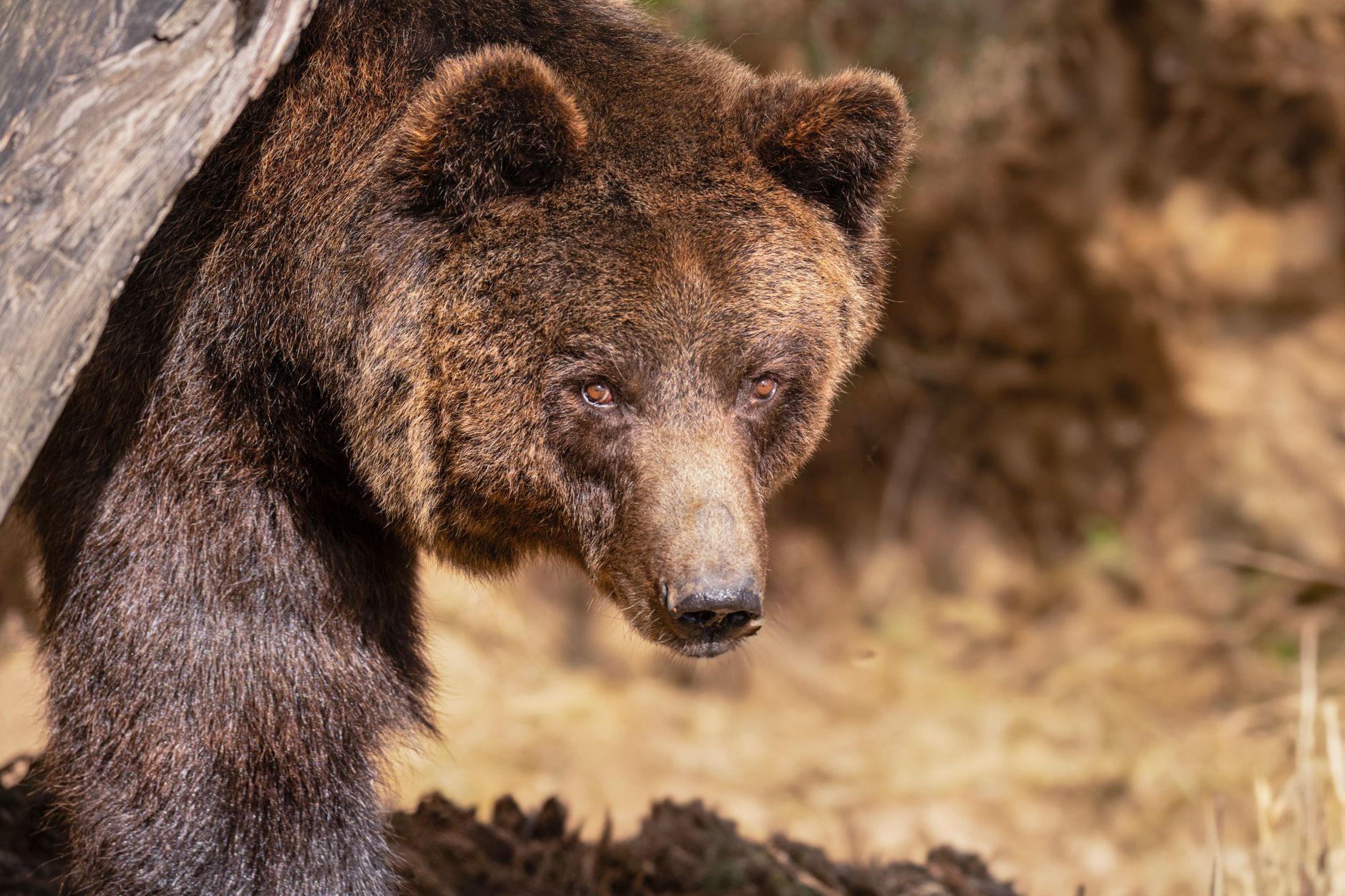
The Cantabrian Mountains, stretching majestically across northern Iberia, harbor one of European biodiversity’s best-kept secrets: the habitat of the Cantabrian brown bear (Ursus arctos arctos). This rugged mountain stronghold, defined by steep elevation drops, mixed forests of beech, oak, and birch, and a rigorous Atlantic climate, has evolved from a territory of historical conflict into an international model for large carnivore recovery. Understanding the current reality of this plantigrade demands transcending superficial romanticism to delve into the complex web of ecological interactions, human pressures, and scientific responses that define its daily existence.
For decades, the bear population in the range experienced an alarming decline, fragmenting into two primary nuclei—the western and eastern clusters—driven by direct persecution, habitat destruction, and the severance of key biological corridors. However, thanks to the concerted efforts of public administrations, non-governmental organizations, and notably the local populations sharing the territory with the animal, this trend has dramatically reversed. Today, recent censuses estimate a population exceeding three hundred individuals, a figure that highlights the species’ resilience while also raising new management and coexistence challenges.
The Biology of Ursus arctos arctos in a Fragmented Landscape
The Cantabrian brown bear is a genetically distinct subspecies from Alpine or Scandinavian populations, resulting from prolonged geographic isolation during Pleistocene glaciations. This genetic uniqueness confers an intrinsic vulnerability upon the Cantabrian bear, making the preservation of genetic diversity and connectivity between the western and eastern subgroups a matter of utmost urgency. DNA studies utilizing hair samples and field droppings have been instrumental in mapping migratory movements and detecting the exchange of individuals across the inter-population corridor.
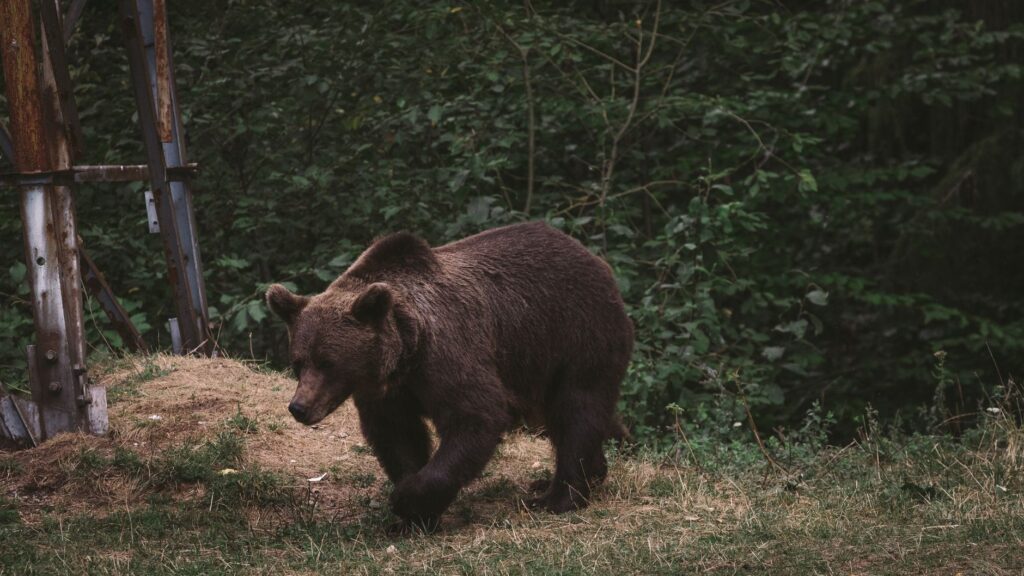
This large mammal’s diet is overwhelmingly opportunistic and omnivorous, though heavily weighted toward plant matter. During spring, following emergence from winter dormancy—a period of sharply reduced metabolic rate without true hibernation—bears feed on tender shoots, herbaceous plants, and available carrion. With summer and autumn come a radical dietary shift toward hard and soft mast: acorns, blueberries, chestnuts, and above all, beechnuts, which are essential for accumulating the subcutaneous fat layer required to endure food scarcity. This seasonal dependence on mature forests explains why clearcutting and forest degradation represent critical threats to their survival.
The Coexistence Challenge: Livestock, Beekeeping, and Prevention
Coexistence between a large-scale wildlife species and traditional rural socioeconomic activities is not without friction. Extensive cattle and equine farming, alongside family beekeeping, form essential economic and cultural pillars in the Cantabrian valleys. On occasional instances, bears may access apiaries in search of high energy density or, more rarely, prey on domestic livestock, generating tension with primary sector professionals.
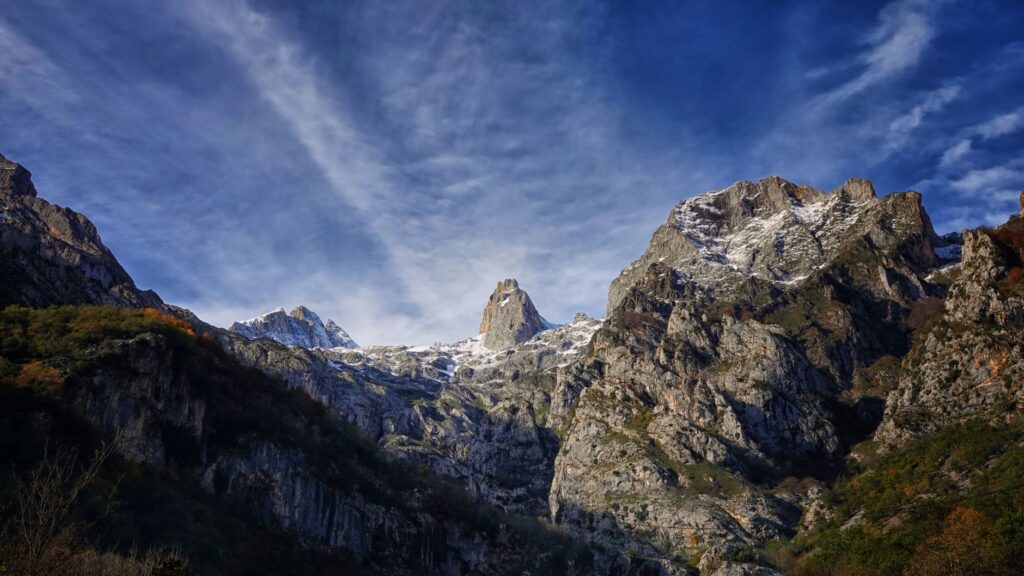
To mitigate this friction, implementing preventative measures has proven infinitely more effective than retroactive financial compensation. The installation of certified electric fencing in apiaries, the deployment of properly selected livestock guard dogs, and the appropriate disposal of livestock carcasses drastically reduce incident rates. The work of environmental rangers and field teams is indispensable in this machinery, acting as rapid and efficient mediators upon any damage report.
True wildlife conservation is measured not solely by an increasing population census, but by the consolidation of a rural social fabric that perceives the large carnivore not as a threat, but as an inseparable part of its natural and economic heritage.
Responsible Ecotourism: Observation Without Intrusions
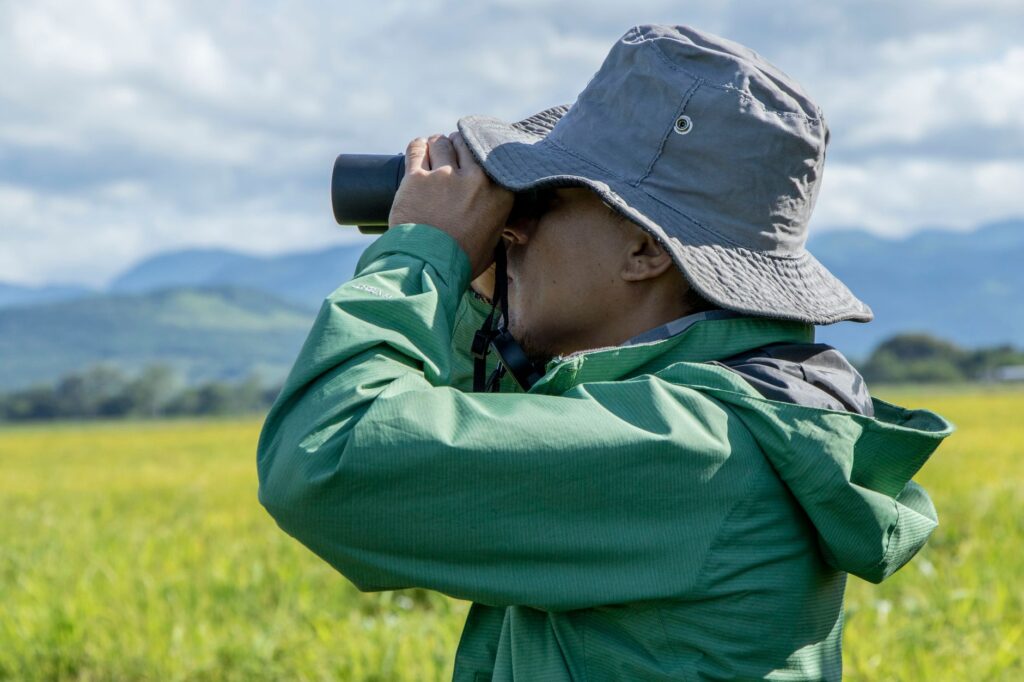
The growth of bear populations has sparked legitimate and growing interest among nature enthusiasts and wildlife photographers. Nevertheless, bear-watching tourism in the Cantabrian Mountains is strictly regulated to prevent animal habituation to human presence—a phenomenon that can trigger dangerous behaviors and ultimately necessitate the removal of problem individuals from the wild.
Scientific and conservation guidelines dictate that observation must occur exclusively from authorized viewpoints located at considerable distances using specialized optics (terrestrial spotting scopes and high-power binoculars). The use of bait to attract animals, approaching on foot outside marked trails, or generating noise that might alter feeding or resting behaviors is strictly prohibited. Ecotourism operators working in areas like Somiedo, Fuentes Carrionas, or Redes Natural Park must hold specific accreditations and collaborate with local guides trained in conservation biology.
Linear Infrastructure and Habitat Fragmentation
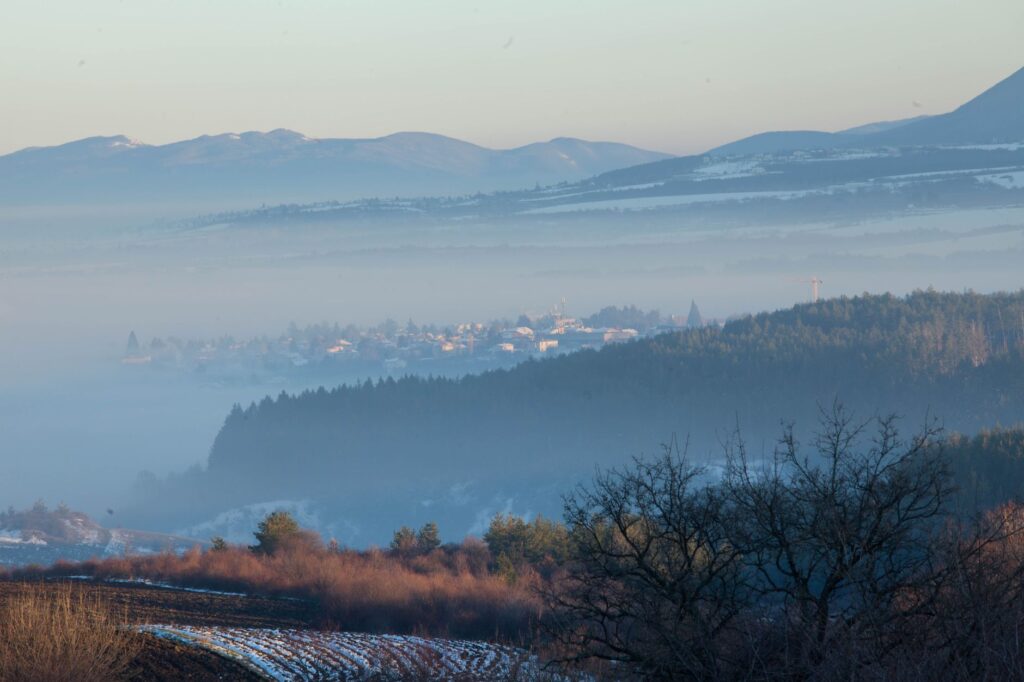
Despite successes in bear demographics, the Iberian Peninsula suffers intense anthropogenic pressure characterized by road networks, energy infrastructure, and urban expansion projects that fragment ecosystems. Highways, secondary high-mountain roads, and high-voltage power lines frequently act as invisible physical barriers limiting the natural dispersal of young individuals searching for new territories and breeding partners.
Upper and lower wildlife passages, technically known as ecoducts, have emerged as vital engineering tools to mitigate this impact. These green corridors, revegetated with native species and free from light and acoustic pollution, reestablish ecological connectivity between separated valleys. Nonetheless, spatial planning must extend beyond isolated crossings, integrating environmental variables into impact assessments for any newly projected civil works within the Cantabrian domain.
The Role of Rangers and Citizen Science
Behind every monitored bear, every protected corridor, and every operational protocol lies tireless and often invisible human effort. Forest agents, environmental wardens, and research teams from universities and conservation foundations form the backbone of bear management in Spain. Through camera trapping, satellite telemetry, and continuous genetic analysis, the scientific community evaluates metapopulation health in real time.
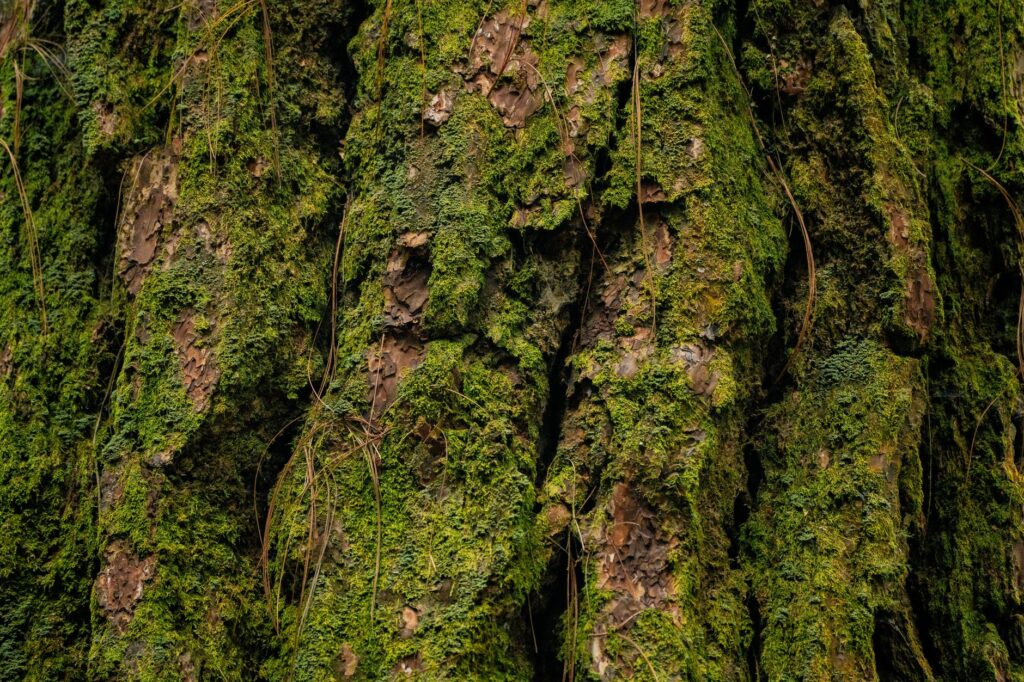
Likewise, citizen science has assumed an unusual prominence thanks to mountaineers, hikers, and local residents reporting sightings, tracks, tree-bark rubbing sites, or scats. This early-warning network facilitates the prompt detection of injured individuals, curbs poaching, and tracks females with cubs, optimizing public resources allocated to active field conservation.
Culture, Memory, and Landscape
The brown bear is not merely a biological element within the Cantabrian Mountains; it is also a cultural symbol deeply rooted in local mythology, folklore, and toponymy. From ancient oral tales shared beside the hearths of Asturian, Leonese, and Cantabrian stone houses to traditional festivals where the bear represents nature’s primal force, the species forms part of these mountains’ collective identity.
This cultural link offers a strategic advantage for quality ecotourism. Travelers venturing into these valleys do not seek a wildlife theme park, but a living cultural landscape where nature conservation and the survival of traditional trades—such as transhumance, basketry, or artisanal cheese production—go hand in hand. Bear preservation thus becomes the barometer measuring the holistic health of an entire territory.
Protecting the mature forests of the Cantabrian Mountains means more than securing a refuge for the peninsula’s last large plantigrade; it preserves the carbon sink and hydrological reserve upon which northern Spain’s entire river basin depends.
Practical Information for the Responsible Traveler
Planning a respectful visit to the Cantabrian Mountains requires rigor and prior knowledge of local regulations. Essential guidelines for a sustainable and safe experience are detailed below.
- Recommended Season: Spring (April to June) and early autumn (September to November) offer optimal periods for wildlife viewing and landscape enjoyment while avoiding summer crowding.
- Accredited Accommodations: Prioritize establishments adhering to the European Charter for Sustainable Tourism (ECST) or holding recognized environmental quality labels in natural parks like Somiedo or Redes.
- Approach Regulations: Always maintain a minimum distance of one kilometer if viewing bears through a spotting scope. Drone use is strictly prohibited in breeding and roaming zones.
- Hiking and Safety: Respect temporary closures of local paths decreed by administrations during the mating season or when females with cubs are located nearby.
- Supporting Local Economy: Purchase protected designation of origin agri-food products (traditional cheeses, honeys, and cured meats) to directly contribute to the economic viability of local residents.
Conclusion: The Future of a Wild Legacy
The recovery of the brown bear in the Cantabrian Mountains stands as one of western Europe’s most hopeful nature conservation milestones. It demonstrates that with political will, scientific rigor, adequate investment, and the complicity of local communities, seemingly irreversible processes of environmental degradation can be reversed. However, the margin of safety is narrow, and any relaxation in protection policies or ecological corridor management could jeopardize advances achieved over the past three decades. The future of the Cantabrian brown bear depends not solely on the species’ biology, but on our collective capacity to inhabit the planet under criteria of moderation, respect, and deep ecological understanding.