The Call of the Boreal Silence: Geography of a Silent Frontier
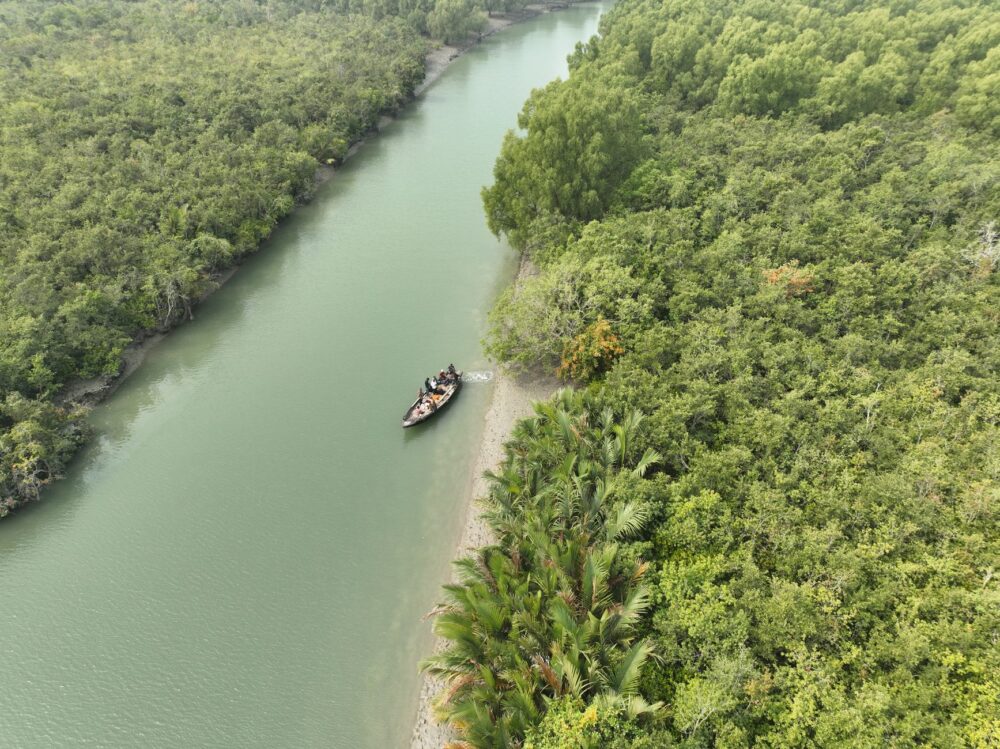
Finland’s eastern edge, bordered by the vast and silent taiga stretching toward the Russian frontier, represents one of Europe’s last true wilderness strongholds. In regions such as Kuhmo and Suomussalmi, the landscape is dominated by an endless mosaic of century-old spruce forests, Scots pines, peat bogs, and glacial lakes that remain frozen for much of the year. This boreal ecosystem, known locally as metsa, is not merely a scenic backdrop but a complex ecological web where species survival depends on delicate seasonal synchronization and the absence of massive human fragmentation.
Unlike the temperate forests of central Europe, the Finnish taiga is defined by a climatic harshness that has shaped the evolutionary path of its flora and fauna. Long, dark winters contrast sharply with the perpetual light of summer, a cycle marking the biological rhythm of large mammals. The preservation of this territory has not been accidental, but rather the result of strict forestry policies and a culture deeply rooted in respect for the natural environment, where the public right of access to nature—known as jokamiehenoikeus—coexists with stringent protection regulations in border zones.
The Ecological Dynamics of the Boreal Forest and Its Seasonal Cycles
To understand the complexity of the taiga, an examination of its ecological functioning across all four seasons is essential. Spring snowmelt triggers an explosion of life where emerging vegetation nourishes herbivores, while carnivores take advantage of the vulnerability of newborn ungulates. During the short summer, boreal forests become a hotbed of insects and migratory birds converging on wetlands to reproduce, capitalizing on abundant trophic resources before the arrival of autumn.

Autumn, meanwhile, is the period of energy reserve accumulation and the famous rutting season among certain species. Peatlands act as giant carbon sinks, regulating the global climate and filtering the water that feeds the region’s countless lakes. Scientific management of these forest spaces has evolved over recent decades, shifting from intensive timber exploitation toward sustainable silvicultural models that mimic natural fires and the dynamics of dead wood—elements essential for the biodiversity of fungi, saproxylic insects, and forest birds.
The Gray Wolf, Brown Bear, and Wolverine: The Apex Predator Triad
The Finnish taiga hosts stable populations of Europe’s three large terrestrial carnivores: the brown bear, the gray wolf, and the wolverine, complemented by the elusive Eurasian lynx. Each of these species occupies an ecological niche fundamental to the health of the ecosystem. The brown bear, omnivorous and adapted to hibernation, plays a key role in seed dispersal and the regulation of ungulate populations through fawn predation. Its presence is a direct indicator of forest habitat health and connectivity.
The gray wolf, highly social and territorial, maintains the population balance of wild moose and reindeer, preventing overgrazing and fostering the natural regeneration of riparian forests. Meanwhile, the wolverine—a robust mustelid of immense strength—acts as a primary scavenger and opportunistic predator capable of braving extreme weather conditions that would deter other animals. Coexistence between these predators and local human communities has historically been complex, requiring compensation programs for livestock damage and constant scientific monitoring to prevent poaching and ensure the genetic viability of transboundary populations.

Ethical Wildlife Viewing: Scientific Hides and Protocols of Silence
Over the past two decades, eastern Finland has established itself as a global benchmark for ecotourism focused on wildlife observation. Far from mass-market safaris, the Finnish model relies on photographic and observation hides scientifically integrated into the landscape. These wooden structures, strategically positioned along migration corridors or near controlled feeding sites, allow photographers and naturalists to observe bears and wolves in absolute freedom without disrupting their natural behavioral patterns.
The rigor within these facilities is absolute. Visitors must adhere to strict protocols regarding silence, odor control, and access schedules to prevent animals from associating human presence with a direct food source or imminent danger. Local guides, biologists, and professional trackers act as environmental educators, conveying the importance of maintaining a safe distance and explaining the principles of animal behavior. This approach not only guarantees an unforgettable experience but generates vital economic income for rural communities, proving that living wildlife holds far greater value than commercial hunting or exploitation.
The true luxury in the boreal taiga is not material comfort, but the privilege of sharing the territory with its rightful inhabitants under a strict pact of respect and silence.
The Art of Tracking: Reading Footprints and Signs in Snow and Moss
Tracking large mammals in the taiga is a discipline combining intuition, botanical knowledge, and animal forensics. Local guides in Kuhmo teach visitors how to interpret subtle signs left by wildlife on the substrate: from footprints pressed into damp moss or powder snow to claw marks on pine trunks, used by bears to signal their territory and hierarchical status.
Analyzing scats, feeding remains, and hidden pathways enables naturalists to reconstruct the daily routines of wolf packs or solitary individuals. During winter months, snow becomes a white canvas where every movement is recorded with millimeter precision. This methodology not only enriches the traveler’s experience but feeds the citizen science databases and research initiatives utilized by institutions such as the Natural Resources Institute Finland to census and protect wildlife.
Hiking Infrastructure and the Wilderness Cabin Network
Exploring the interior of the taiga on foot requires rigorous planning and absolute respect for weather conditions. Hossa National Park and the Border Trail (Karhun Kierros and surrounding paths) offer an exceptional network of marked trails, wooden boardwalks over peatlands, and suspension bridges that facilitate transit without eroding the fragile forest floor.
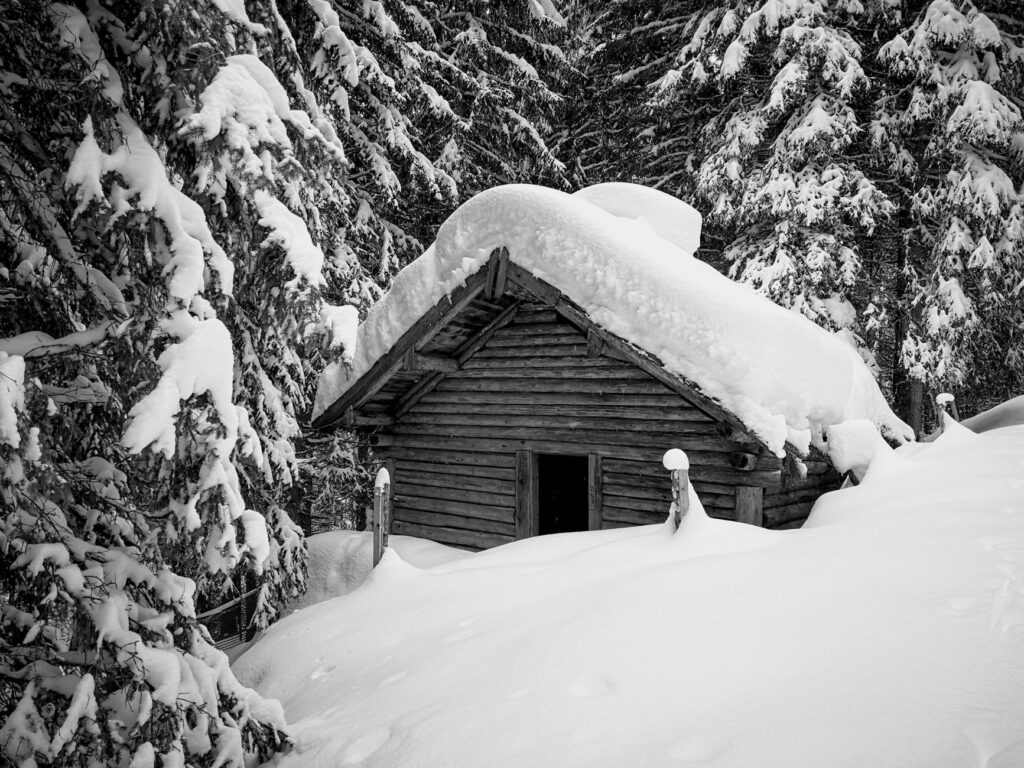
A distinctive feature of the trekking experience in Finland is the network of public wilderness cabins (laavu and autiotupa). These facilities, stocked with dry firewood, axes, wind shelters, and occasionally stoves, are designed to offer free or low-cost refuge to hikers in emergencies or sudden weather shifts. Use of these cabins is governed by an unwritten yet strictly observed ethical code: leave the shelter cleaner than it was found, replenish consumed firewood, and share the space with fellow travelers seeking the solitude of the forest.

Transboundary Conservation and the Challenges of Climate Change
The protection of the Finnish taiga faces new and complex challenges that transcend national borders. Climate change is profoundly altering precipitation regimes and snow cover duration, directly impacting bear hibernation and the mobility of wolverines and wolves. Furthermore, pressure on primary forests driven by demand for biomass and timber products requires a constant balance between local economic needs and biodiversity conservation.
Transboundary ecological corridors with Russia are vital for maintaining gene flow among large carnivore populations, preventing isolation and inbreeding. Despite regional geopolitical tensions, scientific cooperation in conservation has proven to be a fundamental bridge of understanding, demonstrating that boreal ecosystems recognize no political borders and demand unified, evidence-based management.
Practical Information for the Naturalist Traveler
Planning an ecotourism journey into the Finnish taiga requires attending to essential logistical guidelines to ensure safety and success. The optimal season for large carnivore observation in hides spans from May to August, when days are exceptionally long and temperatures moderate. For cross-country skiing and winter snow tracking, the months from February to April offer the best lighting and snow conditions.

Access to the Kuhmo region is typically achieved by flying into Kajaani Airport, followed by a rental car or bus journey of approximately one and a half hours. It is essential to pack technical layered clothing, waterproof mountain footwear, high-efficacy insect repellent for summer months, and binoculars of superior optical quality. Local regulations require registering at visitor centers before venturing into remote routes and strictly obeying access restrictions in protected nesting areas.
The silence of the Kuhmo forests is not an absence of sound, but the harmonious presence of an ecosystem operating with the ancient precision of its natural laws.
Conclusion: The Legacy of the Taiga and Our Commitment to the Future
A journey through the Finnish taiga transcends mere vacation leisure, becoming a deep immersion in conservation ethics and an understanding of our place in the natural world. Observing a brown bear in its habitat or deciphering a wolf’s track on the boreal frontier reminds us that sanctuaries still exist where nature governs with absolute autonomy. Preserving these landscapes is not only a responsibility toward future generations, but an imperative necessity to maintain the ecological resilience of the planet.