Introduction to Cantabrian High Summits
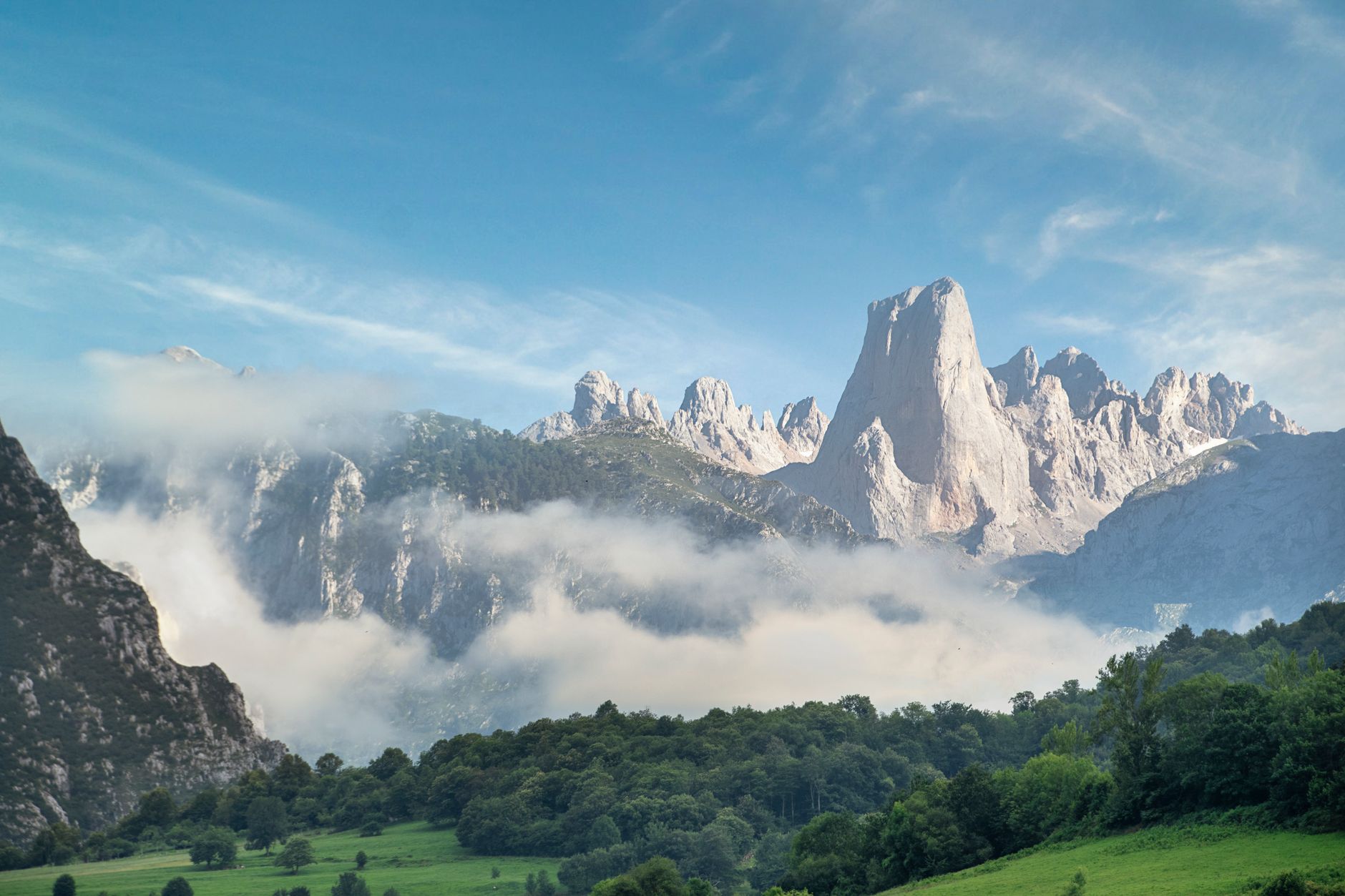
The Picos de Europa National Park represents one of the most imposing karst strongholds in southern Europe. Its urgonian limestone walls, sculpted by the relentless action of glaciers during the Quaternary, configure a vertical labyrinth where Atlantic high mountain terrain displays all its ecological and landscape complexity. Far from being a mere summer destination, this territory demands a deep understanding of its meteorology, fragile biodiversity, and the strict conservation regulations governing its three massifs: Cornión, Urrieles, and Ándara.
Undertaking a multi-day traverse in this environment requires both technical skill and absolute respect for the natural world. Unlike more domesticated European mountain ranges, the Picos de Europa retain a wild character where sudden fog, locally known as camachuela or borrina, can disorient even the most experienced mountaineer within minutes. This report offers a complete immersion in the western massif, analyzing its key routes, emblematic fauna, and the indispensable logistical guidelines for a safe and respectful exploration.
Geology and Glacial Sculpture: The Origin of Urrieles and Cornión
The genesis of the Picos de Europa is an open textbook of plate tectonics and karstification. Millions of years ago, marine sediments accumulated at the bottom of the Tethys Sea underwent intense folding during the Alpine Orogeny, uplifting massive limestone blocks exceeding 2,600 meters in altitude just a few kilometers from the Cantabrian Sea. This proximity to the ocean generates a unique microclimate characterized by high precipitation in the form of rain and snow.
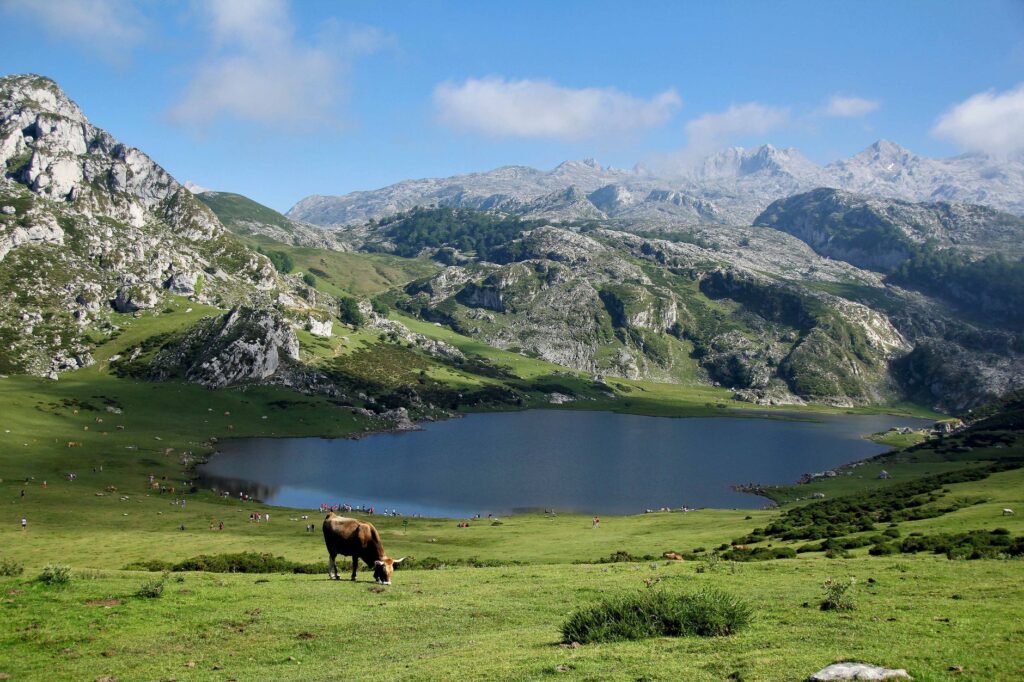
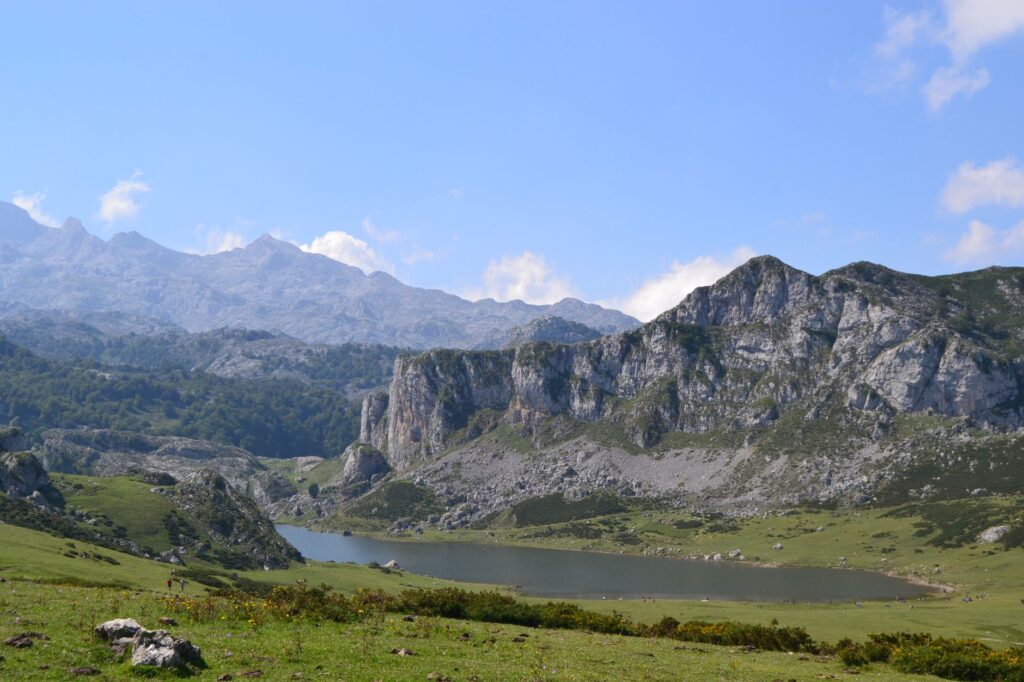
During Pleistocene glaciations, powerful ice tongues descended through the main valleys, carving deep gorges such as the Beyos defile and the Cares gorge, and shaping perfect glacial cirques like Enol and Ercina. The dissolution of calcium carbonate by rainwater and snowmelt has resulted in an extreme karst landscape filled with sinkholes, closed depressions known as jous, and underground drainage networks that feed major springs at lower elevations.
Alpine Biodiversity: The Return of Wildlife
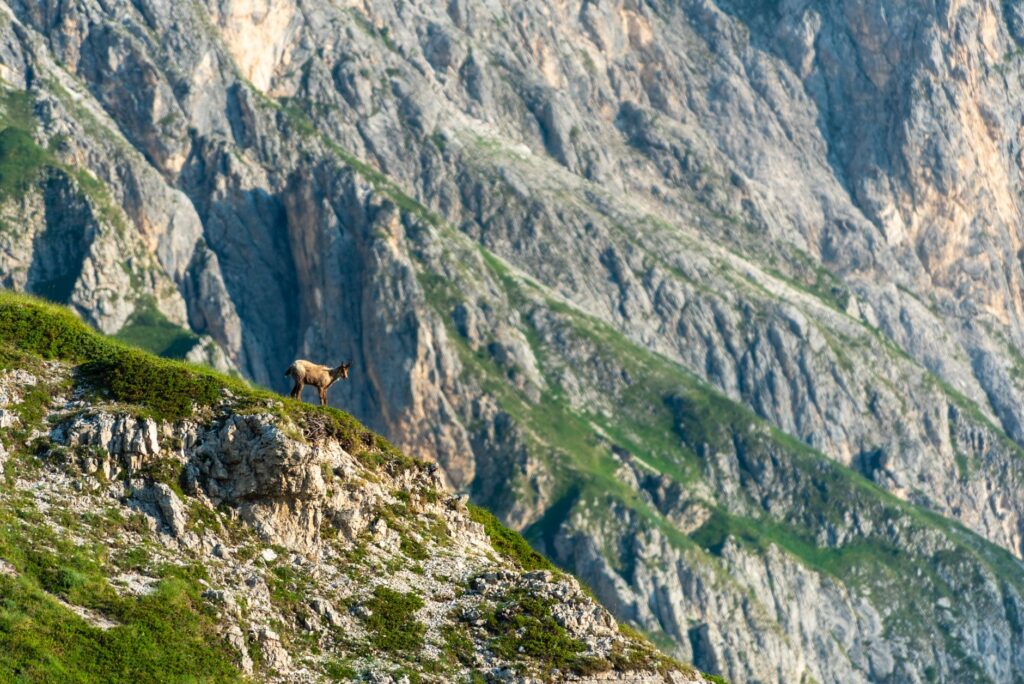
The park’s faunal richness is a testament to the recovery of threatened species thanks to decades of strict protection. The Cantabrian chamois (Ruicapra pyrenaica parva), endemic to the Cantabrian Cordillera, is the undisputed lord of the ridges. Its agility in vertical terrain is astounding, and it is frequently spotted grazing on grassy slopes or seeking refuge from the summer heat in shady scree slopes.
Alongside the chamois, the alpine marmot (Marmota marmota), introduced in the 1960s in the central massif, has successfully adapted to high-altitude grasslands. Their characteristic alarm whistles echo across high mountain valleys, warning the colony of predators such as the golden eagle or fox. Similarly, the Cantabrian brown bear occasionally uses the park’s peripheral forests as an ecological corridor, though its presence in the high karst zones is sporadic.
The mountain is not a stadium for athletic feats, but a geological and biological sanctuary that demands our utmost humility and silence.
Avifauna also holds great surprises for the patient observer. The wallcreeper, with its crimson and gray plumage, hops acrobatically along vertical walls in search of insects, while the alpine accentor and red-billed chough constantly soar over summits looking for leftover food from hikers, reminding visitors of the importance of leaving no organic trace that could alter their natural diet.
Reference Route: The Traverse of Cornión and the Lakes of Covadonga
The western massif, or Cornión, offers one of the most fascinating circular routes in the range. Starting at the iconic Lakes of Covadonga —Enol and Ercina—, the itinerary gradually ascends toward the pasturelands of Veganes and the Vegarredonda refuge, a key infrastructure managed by the Mountaineering Federation of the Principality of Asturias.
The trail meanders among pastoral settlements where the prestigious Gamonéu del Puertu cheese is still crafted, an artisanal product aged in stone cabins reflecting the ancient culture of transhumance. From Vegarredonda, well-prepared mountaineers can continue toward the Horcados de Jascal or undertake the ascent to Pico Santa María de Enol, a privileged viewpoint overlooking the sea of clouds that frequently blankets the Asturian coast.
Refuge Infrastructure and High Mountain Logistics
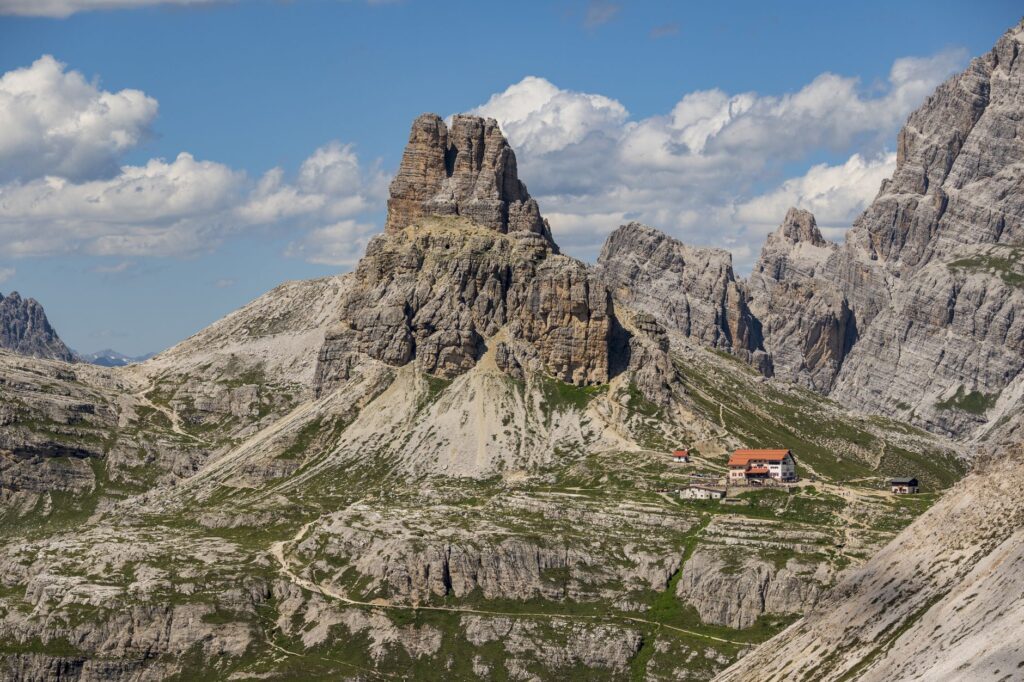
The network of staffed mountain huts is the backbone of safety in the Picos de Europa. Facilities such as Vegarredonda, Jou de los Cabrones, Uriellu, and Ándara offer shelter, water, hot meals, and radio communication in case of emergency. However, it is essential to understand that these facilities operate under conditions of logistical isolation; most supplies are transported on foot or by helicopter, which drives up costs and limits available resources.
Advance reservation of lodging is strictly mandatory during summer months and weekends in spring and autumn. Mountaineers must always carry out their own trash, use the dry toilets installed outside the refuges to minimize environmental impact, and ration drinking water—an extremely scarce commodity in high karst plateaus devoid of permanent surface rivers.
Planning, Meteorology, and Safety in the Karst
Planning a day in the Picos de Europa requires consulting multiple specialized meteorological sources for the Cantabrian coast. General forecasts for the Iberian Peninsula rarely prove accurate in these mountains, where orographic barriers generate intense local phenomena. Thermal inversions, gale-force southern winds, and afternoon thunderstorms are real risks that must be anticipated before starting any march.
Indispensable technical equipment includes high-top boots with grippy soles (such as Vibram), highly breathable waterproof membranes, layered thermal clothing, helmets for sections with rockfall risks—very common in couloirs and scree slopes—, and GPS navigation devices complemented by physical paper maps and compasses. Mobile phone coverage is nonexistent in most depressions and enclosed valleys.
Sustainable Transport and Access to the National Park
To mitigate tourism overcrowding and protect the ecosystem of the Lakes of Covadonga, public administrations have enforced a rigorous Transport Plan to the Lakes for years. During peak season and holiday periods, private vehicle access on the co-4 road is regulated through a shuttle bus system operating from Cangas onís and designated park-and-ride lots.
This measure has drastically reduced acoustic and atmospheric pollution around the glacial lakes, allowing native fauna to reclaim spaces close to traditional trails. Visitors are strongly advised to check current regulation schedules on the park’s official website before planning road travel.
Active Conservation and Behavioral Rules
National Park status entails a strict protection regime that explicitly prohibits wild camping, plant collection, wildlife disturbance, and littering. Overnight camping is exceptionally regulated and permitted only in the immediate vicinity of certain refuges under strict hourly windows, aimed at protecting fragile alpine grasslands from massive erosion.
The future of biodiversity in the Picos de Europa depends on the environmental education of every visitor and the rigorous compliance with park guidelines.
Conservation programs also address mass tourism management, channeling visitor flows onto certified trails and restoring areas degraded by intensive trampling. The involvement of local livestock farmers in territory management is another fundamental pillar, as traditional grazing keeps high pastures open and prevents wildfires.
Practical Traveler Guide
- Best time to visit: June through September offers the most stable weather conditions, though spring (May) stands out for snowmelt and blooming flora.
- How to get there: The nearest airport is Asturias Airport (OVD), located about 100 kilometers away. From there, road access is via the A-8 highway and the N-634 national road to Cangas de Onís.
- Internal transport: Regulated public buses to access the Lakes of Covadonga and local connections to Arenas de Cabrales.
- Accommodations: High mountain refuge network, rural hotels, and hostels in Cangas de Onís, Arenas de Cabrales, and Poncebos.
- Health requirements and insurance: It is highly advisable to hold a mountaineering federation license including helicopter rescue coverage, as rescue operations in karst walls are complex and costly.
Conclusion: The Commitment to the Wild Mountain
The Picos de Europa are not a natural theme park, but a sovereign territory where geology and climate impose their own rules. Visiting this Cantabrian massif demands preparation, scientific curiosity, and profound respect for the ecological balance sustaining its biodiversity. Upon descending from the summits and leaving its karst trails behind, the traveler understands that the true wealth of these landscapes lies in their capacity to remain untamed against the passage of time.