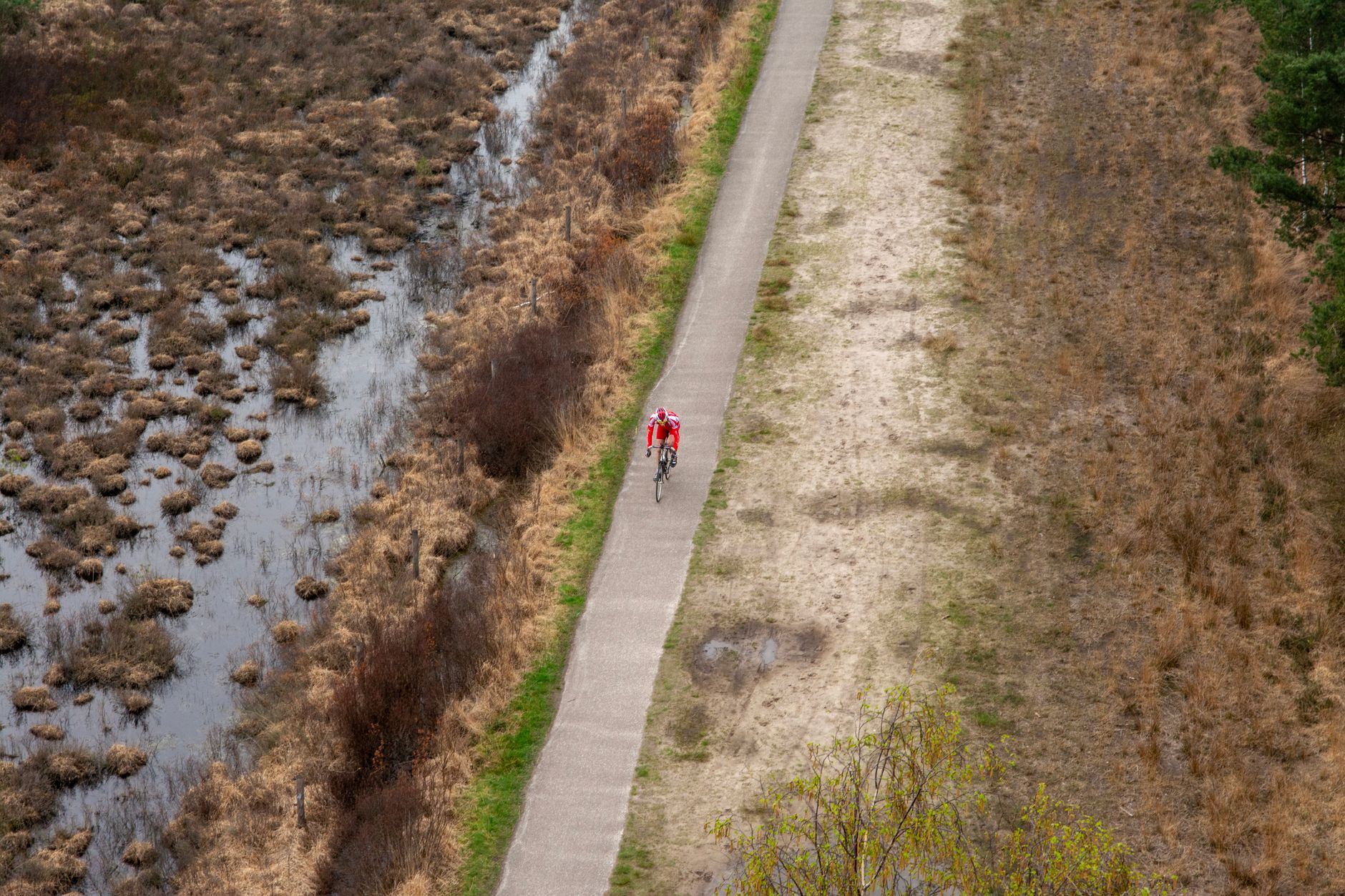

Contemporary cycle tourism has evolved from an athletic endurance test into a profound, low-speed method of territorial immersion. When travelers step away from highways and closed tour-bus circuits to mount a bicycle, the landscape ceases to be a fleeting backdrop and transforms into a multi-sensory experience. In central France, the Loire Valley offers one of the world’s best-articulated bicycle route networks. Anchored by the Loire à Vélo corridor and its connections to the Indre and Cher river valleys, the region presents a circular itinerary where road engineering, Renaissance heritage, and local gastronomy converge in an accessible yet deeply enriching journey.
This report explores the planning, execution, and reality of a five-day traverse connecting the cities of Tours and Amboise, venturing into the quieter tributaries of France’s great river. This is not a race against the clock, but an exercise in sustainable mobility demonstrating how well-designed public infrastructure can transform the economy and social pulse of entire rural districts, fostering eco-friendly tourism deeply tied to local history.
The Genesis of Loire à Vélo: A European Model for Soft Mobility
Initiated in the late 1990s and consolidated over subsequent decades, the Loire à Vélo project was founded on a clear premise: returning the river to the people through continuous, safe infrastructure. Spanning over 900 kilometers from Nevers to the Atlantic estuary, the route forms part of the European EuroVelo 6 network. Its design extends far beyond painting lines on existing asphalt; it incorporates exclusive greenways for cyclists and pedestrians, restored towing paths, and secondary departmental roads where speed limits for motor vehicles are strictly enforced, granting cyclists full legal and practical priority.
The success of this corridor lies in its interoperability and integration with public transport. Regional trains on the TER Centre-Val de Loire line feature dedicated cars adapted for free or low-cost bicycle transport year-round, a decisive logistical factor for travelers wishing to design modular stages or return to their starting point without relying on support vehicles. This intermodality reduces the journey’s carbon footprint and democratizes territorial access for travelers of diverse physical conditions and ages.
Inaugural Stage: From Tours to Villandry Along the Current
The ideal starting point for this fluvial traverse is Tours, a historic university city boasting rich medieval and Renaissance heritage with exceptional rail connections from Paris. Departing from the south bank of the Loire, the path descends westward, leaving urban hustle behind to enter pristine river landscapes protected by UNESCO. The surface alternates between smooth asphalt and compacted crushed stone, perfectly navigable even for hybrid touring or trekking bicycles.
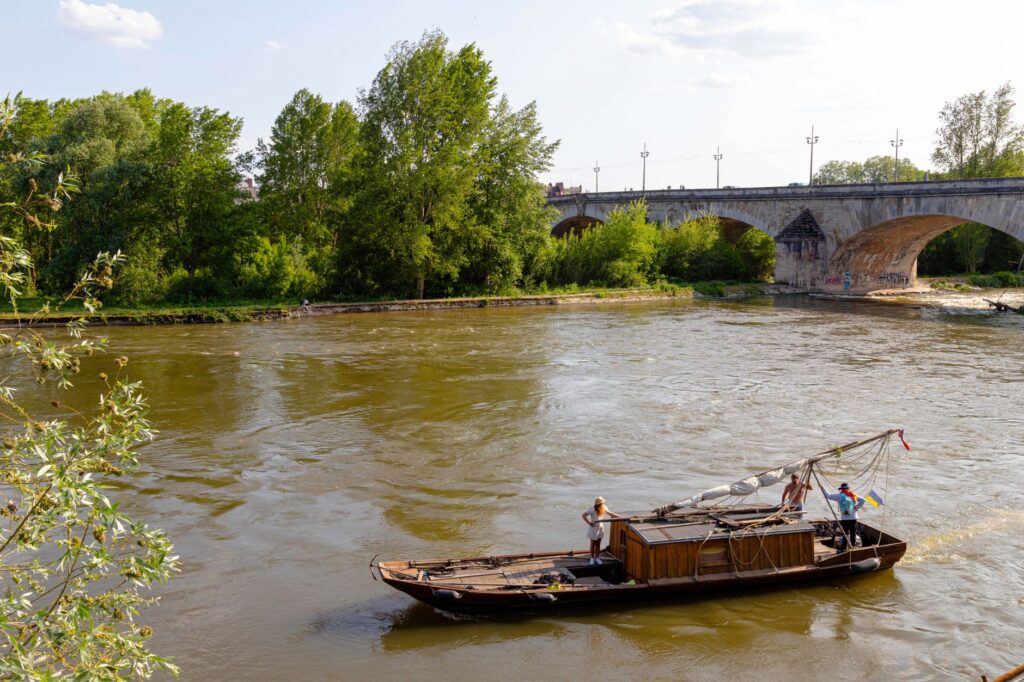
Just kilometers from the start, the landscape scales up. Traditional flat-bottomed barges, once used for freight and now dedicated to river leisure, navigate shallow waters marked by shifting sandbanks. The first mandatory technical stop is the Château de Villandry, globally renowned for its geometric terraced Renaissance gardens. Leaving bicycles in secure parking areas by the entrance allows visitors to explore ornamental kitchen gardens and plant labyrinths unburdened—an early example of sustainable landscape design where aesthetics and horticultural production coexist in perfect harmony.
Southern Deviation: The Indre Valley and Literary Memory
Leaving Villandry, the route temporarily departs from the Loire’s main channel to head southeast along the Indre River. This valley shift introduces the cyclist to a more intimate environment, where riparian forests and farmland frame a more enclosed horizon sheltered from prevailing winds. Local roads paralleling the Indre feature moderate gradients, ideal for maintaining a steady pace without excessive fatigue.
The cultural milestone of this segment is the Domaine de Balzac in Saché, the country estate where the celebrated author of the Comédie Humana spent extended periods writing foundational works. The surrounding countryside preserves a quiet rural atmosphere that explains the writer’s fascination with these lands. For cyclists, Saché also offers exemplary hospitality infrastructure featuring drinking water fountains, local repair workshops linked to the regional network, and small bistros serving farm-to-table produce like Sainte-Maure de Touraine goat cheese.
The true luxury of cycle tourism in the Loire Valley lies not in the ostentation of its palaces, but in the ability to pause by a river bend and listen to the silence of the landscape.

Crossing to the Cher: Hydraulic Engineering and Water Châteaux
Resuming the journey eastward, the itinerary traverses agricultural plateaus and vineyards to connect with the Cher River valley. This tributary presents a fascinating technical feature: its historical locks and navigation systems, engineered in the 19th century to facilitate commercial traffic, have been restored and now coexist with respectful river tourism and shaded riverside bike paths.
The undisputed highlight of this sector is the Château de Chenonceau, known as the ‘Ladies’ Castle.’ Its imposing gallery built directly upon arches spanning the Cher River is a masterpiece of architectural transition between late Gothic and High Renaissance. Arriving at Chenonceau by bicycle allows visitors to bypass main parking bottlenecks, entering via a monumental avenue flanked by centenarian plane trees—one of the grandest entrances in European heritage.
Support Infrastructure: The Accueil Vélo Network
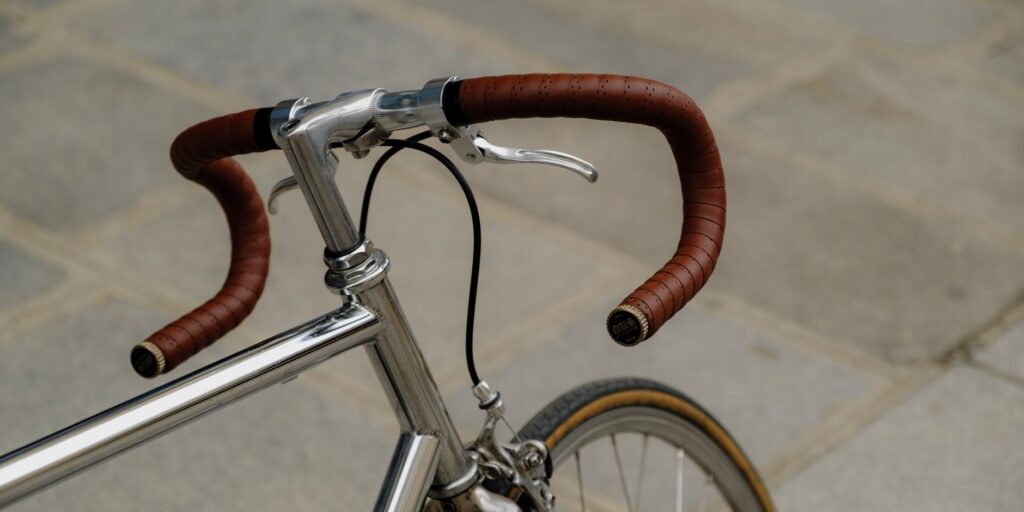
A decisive aspect for the success of any multi-day cycling trip is the reliability of rest and support logistics. In France, the official Accueil Vélo certification guarantees that accommodations, tourist offices, repair shops, and cultural sites meet strict quality standards tailored to cyclists. This includes secure overnight bicycle storage, charging points for e-bike batteries, basic toolkits, and up-to-date weather and cartographic information.
Planning stages around this network removes technical uncertainty. Certified accommodations often offer complementary services such as luggage transfer between stages for travelers preferring light luggage, though waterproof panniers remain the preferred choice for autonomous adventure cycling purists.
Territorial Gastronomy and Local Produce
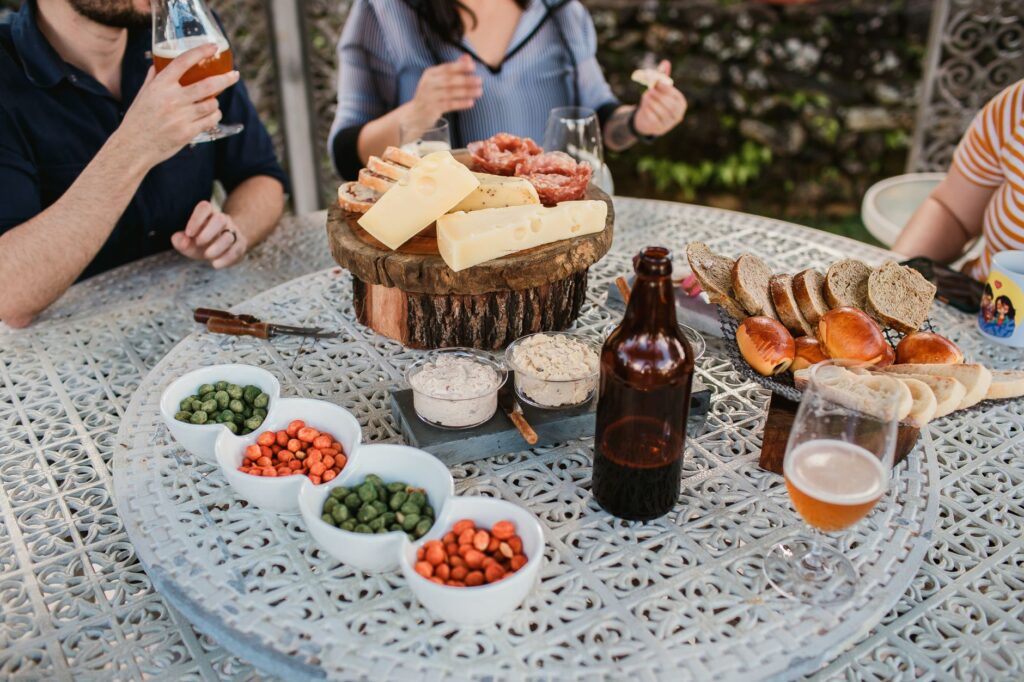
Sustained physical exertion finds its ideal counterpart in Touraine’s rich culinary tradition. Along the route, local food markets in towns like Azay-le-Rideau or Amboise offer an exceptional showcase of regional provisioning. White wines from the Montlouis-sur-Loire and Vouvray appellations, produced exclusively from Chenin Blanc grapes, pair perfectly with river fish such as pike-perch or eel, prepared according to traditional recipes passed down through generations.
Similarly, local pastries, represented by sablés biscuits and orchard fruit preserves, provide essential energy for afternoon cycling stretches. Shopping at local markets and dining in small family-run restaurants reinforces the traveler’s commitment to the region’s circular economy, supporting producers maintaining sustainable, river-friendly agricultural practices.
Final Stretch: Amboise and the Legacy of Leonardo da Vinci
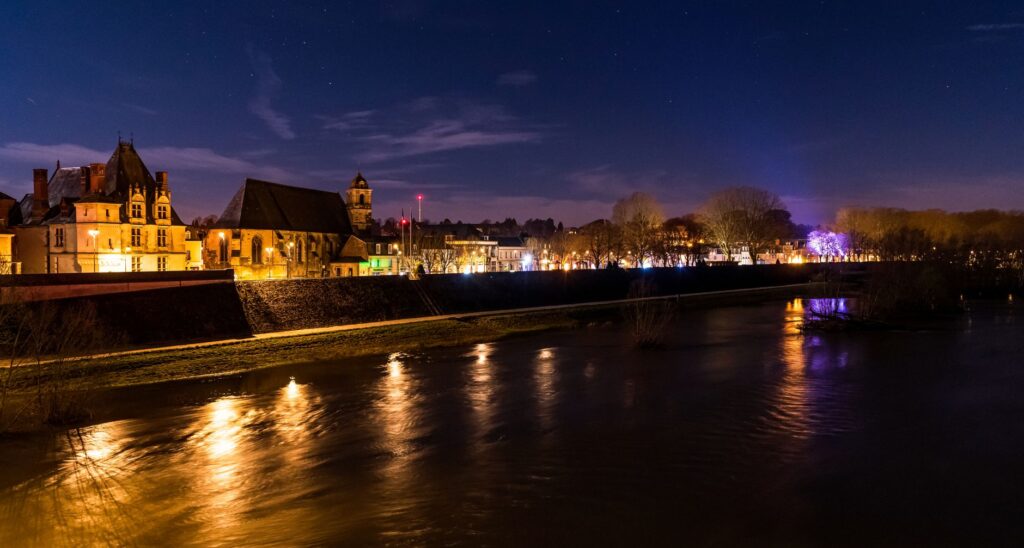
The culmination of this river traverse takes place in Amboise, a town deeply shaped by French monarchy and the guiding genius of Leonardo da Vinci, who spent his final years here as the guest of King Francis I. The Royal Château of Amboise dominates the river from a rocky promontory, offering exceptional panoramic views over slate rooftops and Loire meanders that serve as a fitting visual recapitulation of the journey.
A short walk from the historic center, Clos Lucé—the residence where the Florentine polymath lived and worked—exhibits functional models based on his original designs for civil, hydraulic, and aeronautical engineering. Exploring these gardens after days of pedaling along canals and locks adds a profound dimension of understanding regarding humanity’s historical dialogue with nature and water in this fertile valley.
Pedaling along the Loire paths is an invitation to view history at ground level, where every river lock and vineyard narrates humanity’s patient chronicle with its environment.
Practical Information for the Traveler
- Best time to visit: May through October, when temperatures are mild and tourist gardens and infrastructure operate at full capacity. July and August should be avoided for solitude seekers due to peak summer crowds.
- Railway logistics: Regional TER trains accept bicycles without prior reservation in most cases, though traveling outside morning and evening rush hours is strongly advised to ensure sufficient hanging hook space.
- Recommended equipment: Helmet (mandatory for children under 12, highly advised for all), waterproof side panniers, puncture repair kit with spare inner tubes, breathable layered technical clothing, and operational front and rear lights for tunnels or low visibility.
- Signage: The route is comprehensively signposted in both directions with green and white panels indicating distances to major towns and links to secondary routes.