The geographical crossroads of two continents
The Strait of Gibraltar is far more than a mere dividing line between the Mediterranean Sea and the Atlantic Ocean, nor is it simply the narrowest natural border between Europe and Africa. In biological and ecological terms, this strip of barely fourteen kilometers of saltwater represents one of the most dynamic arenas on the planet. Here, terrestrial geography and atmospheric currents converge to create a natural funnel through which hundreds of thousands of migratory birds transit annually. This phenomenon turns the region into an open-air observatory where ornithology, meteorology, and environmental management are permanently intertwined.
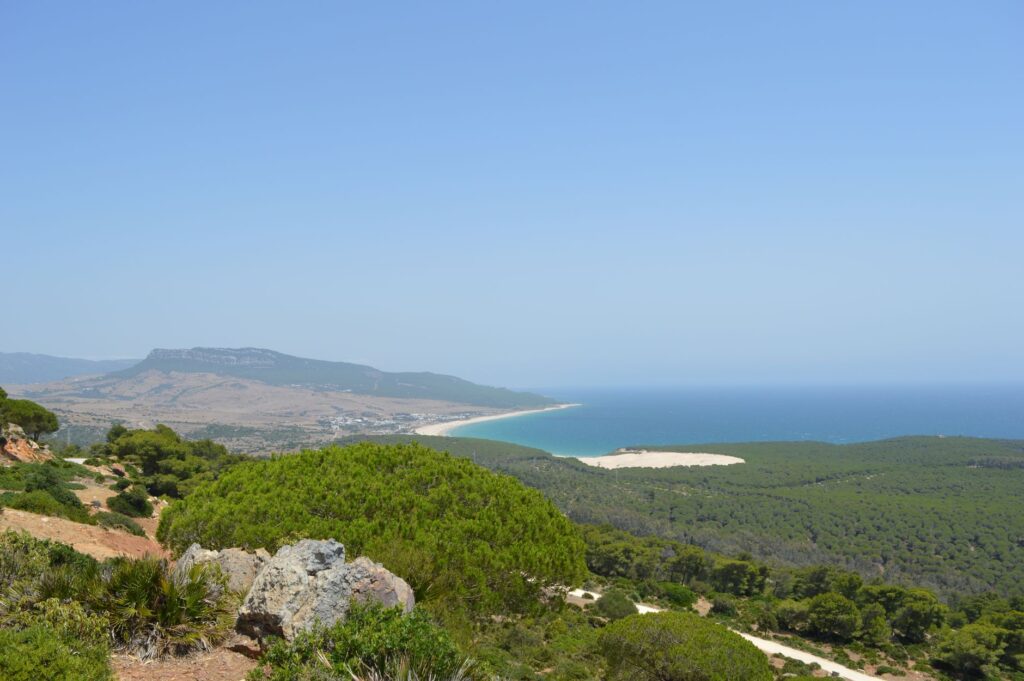
To understand the sheer magnitude of this corridor, one must examine the topography of both coastlines. The elevations of the Betic Cordillera in the Iberian Peninsula and the foothills of the Rif Mountains in Morocco act as massive walls that channel dominant winds. Gliding birds, such as storks, vultures, and eagles, rely heavily on thermal updrafts formed over solid ground. Upon encountering the marine surface of the strait, these currents dissipate due to the temperature differential between water and land. For this reason, birds avoid crossing at the widest points and instead concentrate massively in this sector, where the sea crossing is reduced to the absolute minimum necessary.
The crucial role of Levant and Poniente winds
Local meteorology is the determining factor that dictates the daily rhythm of migration in the south of the Iberian Peninsula. The two primary winds of the area, the easterly Levant and the westerly Poniente, condition not only the flight of the birds but also the work of researchers and specialized guides operating in the viewpoints of the Campo de Gibraltar region and the Strait Natural Park.
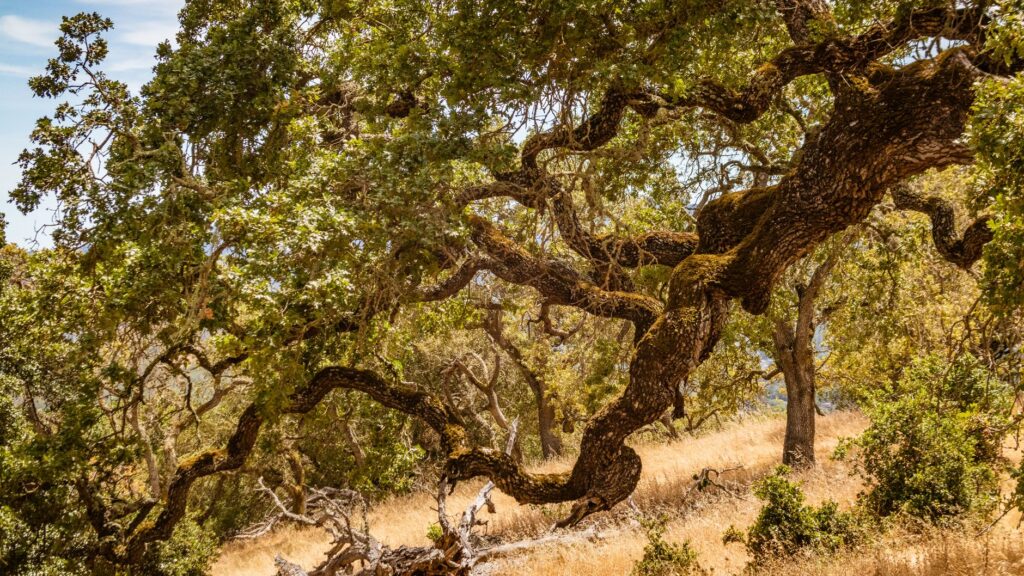
Poniente, a humid and cool wind originating from the Atlantic, typically favors an orderly and predictable flight. Birds harness its momentum to cross toward Africa during the autumn months, or to return to Europe at the onset of spring. Conversely, the Levant, a strong and gusty wind blowing from the Mediterranean, can temporarily block the migratory flow. When the Levant blows intensely, entire flocks of raptors gather in the cork oak and wild olive forests of nearby natural parks, patiently waiting for a lull in the elements. This waiting phenomenon generates unique concentrations of wildlife in restricted spaces, offering exceptional opportunities for scientific study and unhurried observation.
Iconic species of the strait corridor
The avifaunal diversity utilizing the Strait of Gibraltar encompasses dozens of species with varying flight and survival strategies. Among the most prominent is the white stork, whose large flocks form meandering patterns in the sky, masterfully exploiting every gram of warm air. Alongside them, the griffon vulture soars across the firmament with imposing wingspan, demonstrating perfect adaptation to slope currents.
Forest and cliff-dwelling raptors also find this crossing a monumental challenge. The black kite, marsh harrier, lesser kestrel, and scarcer species like the booted eagle and short-toed snake eagle cross the water with varying degrees of effort. While falcons and smaller eagles may afford brief bursts of speed, heavier species depend strictly on atmospheric physics. The observation of these birds is not a mere recreational pastime, but a direct indicator of ecosystem health on a continental scale, as any alteration in their European breeding grounds or African wintering quarters is immediately reflected in censuses conducted in the Strait.
Historical evolution of environmental protection
Awareness regarding the fragility and ecological importance of this territory has not always been present. For decades, industrial development, urban expansion, and hunting pressure threatened the delicate balances of the region. It was not until the late twentieth century that the scientific community and various conservationist movements successfully raised international awareness about the urgency of legally shielding these spaces.
The creation of the Strait Natural Park in 2003 marked a definitive turning point. This protected area encompasses both a terrestrial strip of high ecological value and a surrounding marine area, recognizing for the first time the interdependence between marine and terrestrial environments. Concurrently, Los Alcornocales Natural Park acts as the great green lung of the interior, providing safe resting zones and forest refuge for thousands of birds needing to recover strength before or after tackling the maritime crossing.
Models of responsible ecotourism and citizen science
Today, wildlife management in the Strait of Gibraltar relies heavily on the concept of scientific ecotourism. Unlike traditional mass tourism, this modality prioritizes habitat conservation and environmental education over the rapid consumption of natural attractions. Local nature guide businesses collaborate closely with academic institutions and non-governmental organizations through citizen science programs.
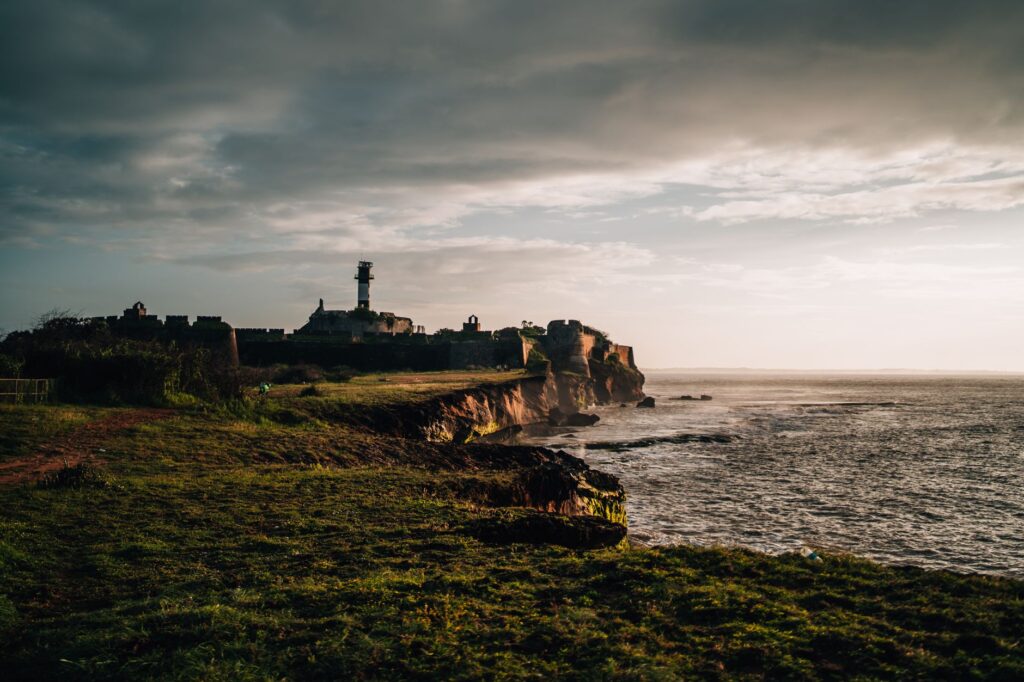
Well-understood ecotourism in the Strait does not seek to deplete the natural resource, but rather to finance its own preservation through awareness and absolute respect for the biological cycles of wildlife.
Visitors participating in these specialized routes do not limit themselves to viewing birds through terrestrial telescopes; they also learn to record passage data, identify ringed individuals, and understand the complex global threats facing migratory populations, such as climate change, wetland loss in the Sahel, or the proliferation of poorly planned energy infrastructure along flight paths.
Observation infrastructure and key viewpoints
The territory boasts a carefully planned network of viewpoints and interpretation centers that facilitate public access without compromising avifaunal tranquility. Among the most prominent enclaves is the Pelayo observatory, situated near Algeciras, alongside viewpoints located within La Breña and Barbate Marshes Natural Park, as well as strategic points in the municipality of Tarifa.
These centers feature multilingual information panels, specialized personnel, and adequate optical equipment for visitors of all experience levels. Trail signage prevents overcrowding and protects nesting areas of sensitive species. Furthermore, the use of sustainable transport is promoted, and specific workshops on nature photography and ornithological cartography are organized during spring and autumn migration peaks.

Contemporary challenges for transcontinental conservation
Despite legislative advances and the consolidation of ecotourism, the Strait of Gibraltar faces significant future challenges. Human pressure on both shores continues to rise, driven by port infrastructure projects, increased international maritime traffic, and the expansion of renewable energy macro-projects, including onshore and offshore wind farms that pose collision risks for soaring birds.
Effective conservation of this corridor demands constant and transparent cross-border cooperation between Spain, the United Kingdom (via Gibraltar), and Morocco. Birds do not recognize political borders; their survival depends on coherent and coordinated environmental protection policies throughout their entire migratory cycle. International scientific cooperation agreements and the creation of protected ecological corridors on both shores of the Mediterranean are indispensable tools to ensure this ancient spectacle continues year after year.
Practical information for the naturalist traveler
Planning a birdwatching trip to the Strait of Gibraltar requires considering various climatic and logistical factors. The best time to visit the region is divided into two primary periods: post-nuptial or autumn migration, spanning from mid-July to late October (with a particularly intense peak for raptors in August and September), and pre-nuptial or spring migration, extending from February to May.

Regarding equipment, having good quality binoculars (preferably 8×42 or 10×42) is essential, and if possible, a spotting scope with a tripod for observing distant seabirds and raptors. Clothing should be light yet windproof, as weather conditions on headlands and coastal viewpoints can change drastically within minutes due to wind intensity. It is recommended to stay in establishments adhering to local sustainability charters and to hire exclusively licensed guides who comply with wildlife observation ethical codes.
Visual closing and final reflection
Contemplating the crossing of thousands of birds over the blue waters of the Strait of Gibraltar is an experience transcending simple zoological cataloging. It is the tangible realization of an ancient natural order that continues to function despite modern world pressures. Every flock taking flight in defiance of wind and sea serves as a reminder of life’s resilience and our shared responsibility in its stewardship.
Protecting the Strait corridor is equivalent to safeguarding an invisible bridge between continents, a living heritage belonging as much to Europe’s sky as to Africa’s earth.
The future of this enclave will depend on our ability to balance regional socioeconomic development with absolute respect for the delicate ecological balances that make the great migration possible.