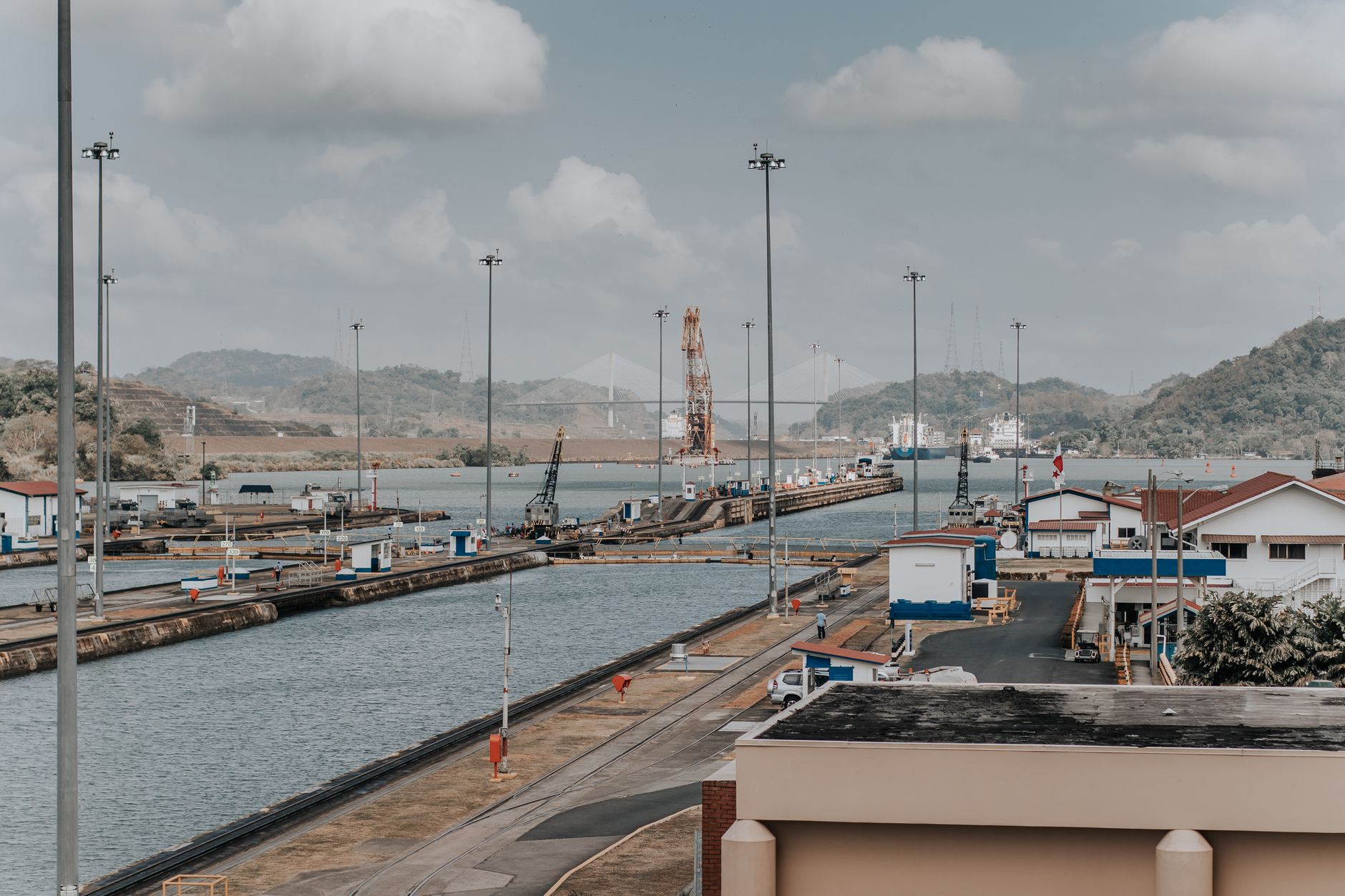
The Panama Canal is not merely a transit route; it is the epicenter of global connectivity and the most compelling testament to human ingenuity in shaping geography for the benefit of trade. Since its inauguration in 1914, this 50-mile strip of water has transformed global maritime routes, but it was the opening of its third set of locks in 2016 that propelled Panama into a new era of logistical and touristic relevance. Today, the canal stands not only as a masterpiece of civil engineering but as a multifaceted destination offering profound insights into the history, technology, and biodiversity of the isthmus.
The Engineering of the Third Set of Locks: A 21st-Century Milestone
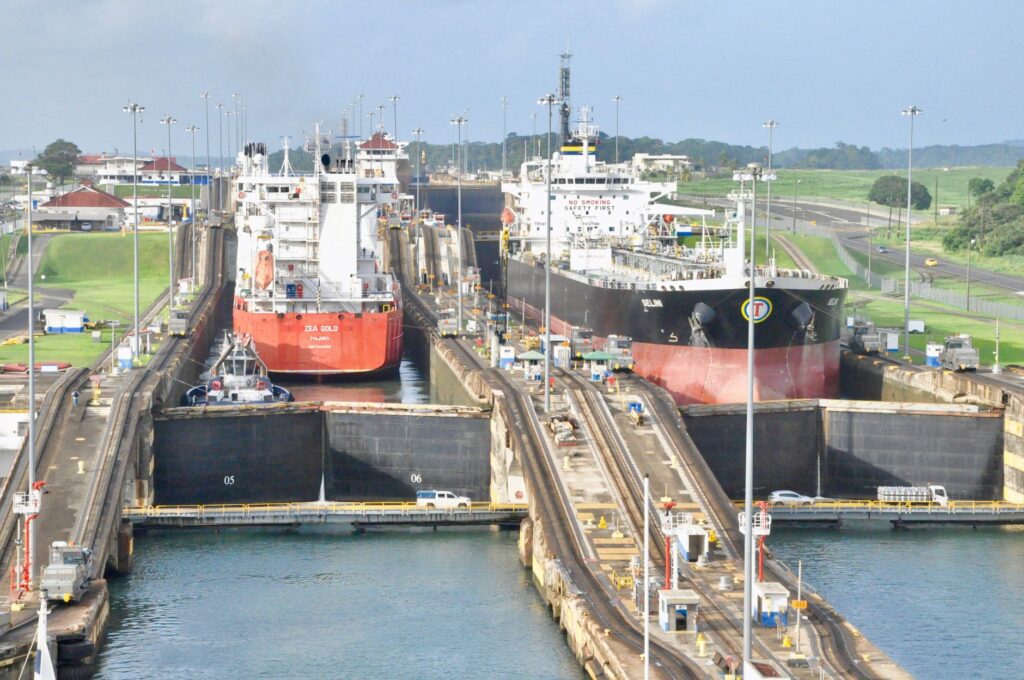
The expansion of the Panama Canal, technically known as the Third Set of Locks, represents one of the most complex engineering projects of the millennium. Unlike the original locks at Miraflores, Pedro Miguel, and Gatun, which use miter gates, the new Cocolí and Agua Clara locks employ massive rolling gates. These structures, some reaching 33 meters in height, slide on rails to seal the transit chambers.
A fundamental aspect of this new infrastructure is water sustainability. The Neo-Panamax locks incorporate water-saving basins that allow for the recycling of up to 60% of the water volume used in each lockage. This system is vital, considering the canal operates entirely on fresh water from Lakes Gatun and Alajuela, which also supply drinking water to Panama City and surrounding areas. The precision with which these water volumes are managed, without the use of pumps and relying solely on gravity, remains a technical marvel that attracts specialists from around the globe.
«The expansion was not just a response to the demand for larger vessels, but a commitment to operational efficiency and the environmental resilience of the isthmus.»
Transit Through the Isthmus: An Exercise in Nautical Precision
Observing the transit of a Neo-Panamax class container ship is to witness an exercise in millimetric precision. With only a few meters of clearance on each side, these vessels, carrying up to 14,000 containers, are guided by canal pilots with unmatched expertise. Unlike the older locks, where locomotives (mules) center the ships, the new locks utilize high-powered tugboats that assist the maneuver from both bow and stern.
For the traveler, the best way to grasp this magnitude is to visit the Miraflores Visitor Center on the Pacific side or the Agua Clara Observation Center on the Atlantic side. From the terraces, one can watch the water level rise or fall in a matter of minutes, lifting ships that weigh tens of thousands of tons. The sense of scale is overwhelming; control buildings look like miniatures next to the steel hulls towering over spectators.
Lake Gatun: The Freshwater Heart of the Canal
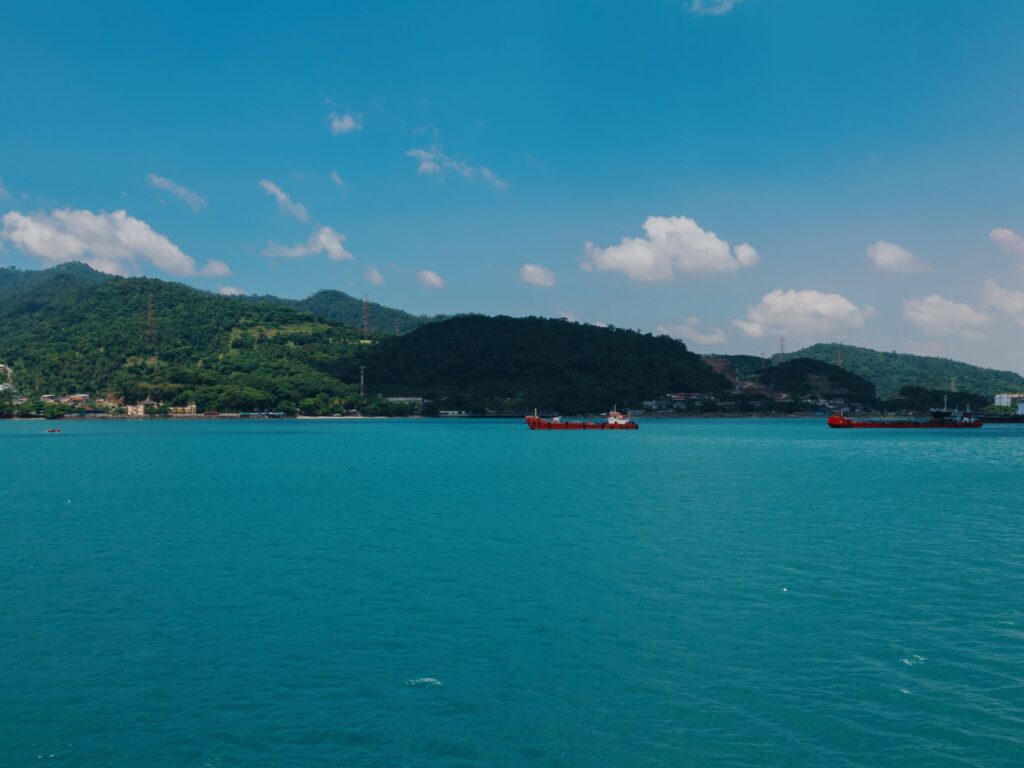
Lake Gatun, once the largest man-made lake in the world, is the central axis of navigation. This body of water not only provides the necessary draft for ships but also constitutes an ecosystem of exceptional biodiversity. During the journey across the lake, ships pass through areas surrounded by pristine tropical rainforest, where it is common to spot migratory birds, crocodiles, and howler monkeys along the shores.
The canal has implemented reforestation and watershed monitoring programs to ensure the health of the lake. Water management is now the most critical challenge, especially in the face of climate phenomena like El Niño, which can reduce rainfall levels. The canal administration constantly works on long-term water storage solutions, proving that the operability of this trade route is intrinsically dependent on the conservation of the tropical forests that surround it.
Economic Impact and the Logistics Hub of the Americas
Panama has capitalized on its geographical position to become the primary logistics hub of Latin America. The canal is the engine driving a network of world-class ports on both the Atlantic and Pacific, connected by the Panama Canal Railway. This synergy allows cargo to be transshipped, stored, or distributed throughout the continent with an efficiency few countries can match.

The Colon Free Trade Zone, located at the Atlantic entrance, complements this infrastructure by offering a global trade center. For the transport sector, the canal is the piece that enables «just-in-time» supply routes between Asia and the U.S. East Coast. Without this waterway, sailing times would increase by an average of ten days, significantly raising operating costs and the carbon footprint of global shipping.
Tourism and Culture: Beyond the Locks
The canal has permeated Panamanian identity so deeply that it is impossible to understand the local culture without its presence. The Interoceanic Canal Museum, located in Panama City’s Casco Antiguo, offers a detailed narrative of the political struggles and human sacrifices involved in both French and American construction. It is a must-visit for those wishing to understand the social context behind the concrete and steel.
For a more immersive experience, partial or full transit cruises allow tourists to experience the lockage from the deck of a vessel. Feeling the ship rise 26 meters above sea level to enter the Culebra Cut—the narrowest part excavated through the Continental Divide—is an experience that combines the adrenaline of engineering with the beauty of the Panamanian landscape. The Culebra Cut is historically the most difficult stretch to maintain due to constant landslides, requiring permanent dredging by a specialized fleet.
«Crossing the Culebra Cut is to navigate through the history of human effort against the most implacable geography on the continent.»
Traveler Planning and Logistics
Visiting the Panama Canal requires minimal planning to maximize the experience. The Miraflores Visitor Center features an IMAX theater and renovated exhibition halls. It is advisable to check transit schedules, as ships typically pass through the Pacific locks in time blocks: northbound in the morning and southbound in the afternoon. The Agua Clara Center, near the city of Colon, offers a spectacular view of the new locks and Lake Gatun, with a more modern and less crowded atmosphere.
- Location: Miraflores is about 20 minutes from downtown Panama City. Agua Clara is 1 hour and 15 minutes away via the Panama-Colon highway.
- Transportation: Access is available via taxi, ride-sharing platforms, or the Metrobus system from the Albrook Terminal.
- Costs: Entry fees vary for residents and non-residents, including access to observation terraces and museums.
- Weather: Sun protection and umbrellas are essential, as Panama’s tropical climate can switch from radiant sunshine to heavy rain in minutes.
- Best Time to Visit: The dry season (December to April) offers clearer skies, though the canal operates 24/7, 365 days a year.
The Future: Toward a Green and Digital Route
The Panama Canal does not stop at physical expansion. Current strategy focuses on digitalizing reservation processes and decarbonizing maritime transport. The canal has introduced incentives for vessels meeting high energy efficiency standards, positioning itself as a «Green Route.» The implementation of data analysis technologies allows for optimized water use and more accurate prediction of transit times.

Future visions include exploring new water sources and the possible construction of new reservoirs to ensure operability for decades to come. The canal remains a living organism, adapting to the needs of a global economy that demands speed but also requires sustainability. For the traveler and the transport professional, the canal represents the perfect balance between historical legacy and cutting-edge technological innovation.
Conclusion: The Isthmus That Joins the World
Ultimately, the Panama Canal is much more than a geographical shortcut. It is a symbol of national sovereignty, an engine of economic development, and a top-tier tourist destination. By touring its locks, walking through its museums, or sailing across Lake Gatun, one understands that this work does not just join two oceans; it connects the past of exploration with the future of global logistics. It is a mandatory stop for anyone interested in understanding how the modern world functions from the heart of Latin America.