Introduction to the World’s Slowest Express Train
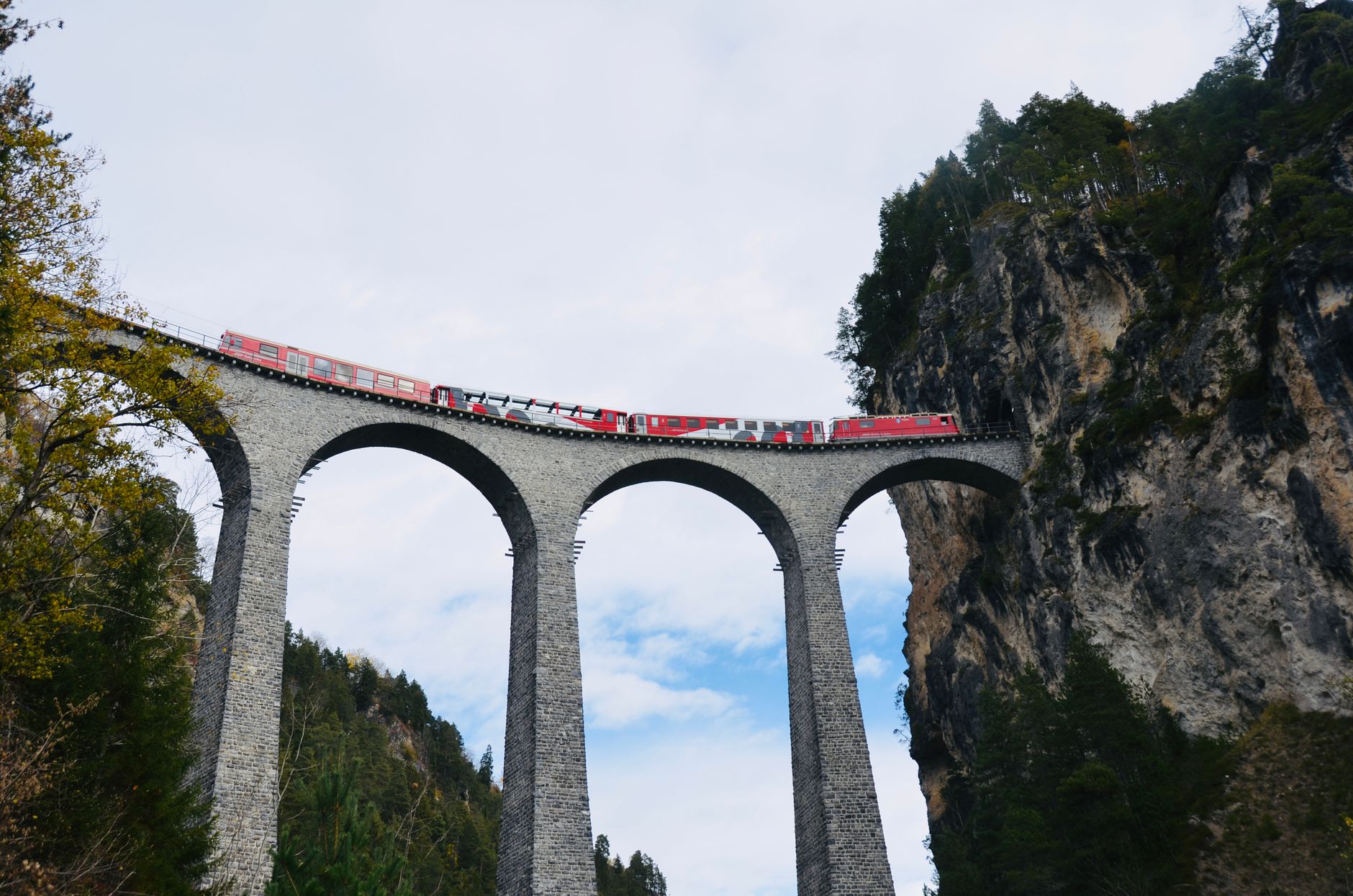
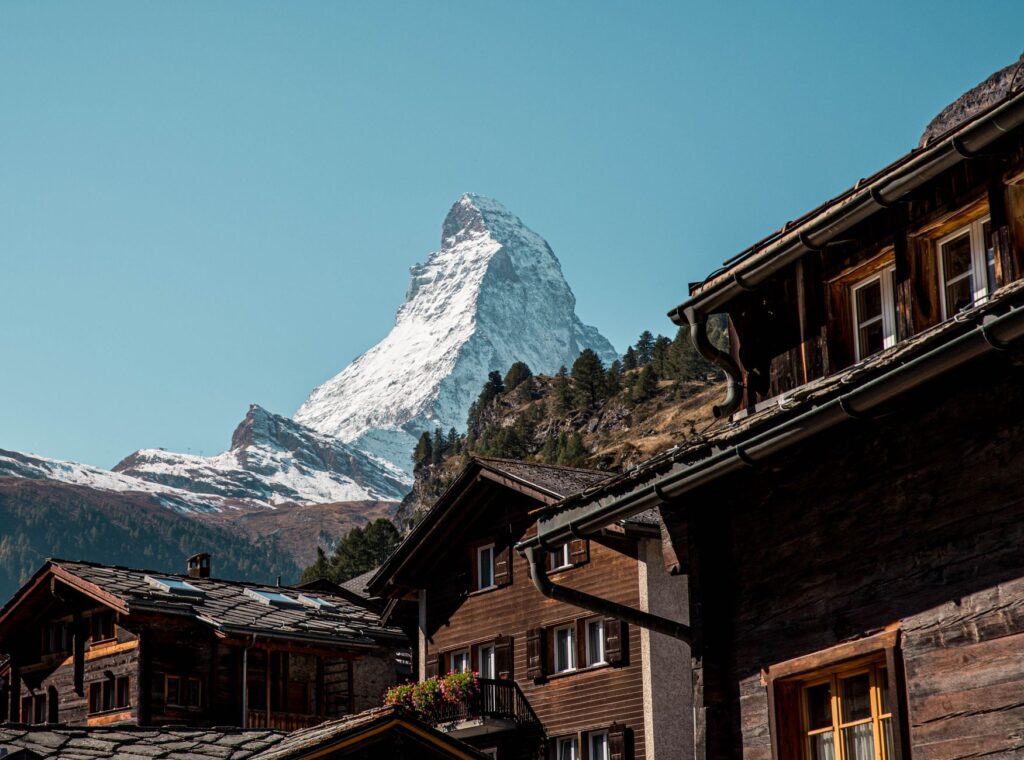
In an era of ultra-fast transportation, where commercial aviation and high-speed rail compete to shave minutes off the clock, Switzerland defies the contemporary paradigm with a journey that deliberately celebrates slowness. The Glacier Express is not merely a means of transport; it represents a masterpiece of civil engineering and an immersive travel experience connecting two of the planet’s most exclusive alpine enclaves: Zermatt, at the foot of the iconic Matterhorn, and St. Moritz, in the heart of the canton of Graubünden. Spanning nearly eight hours, this convoy covers 291 kilometers, traverses 91 tunnels, and crosses 291 bridges, defying impossible gradients through a rack-and-pinion system that allows passengers to contemplate the geological grandeur of the Swiss Alps from a privileged perspective.
For the contemporary traveler seeking to understand the complex network of infrastructures that makes this prodigy possible, the journey demands both aesthetic admiration and logistical rigor. This is not a mere tourist transfer, but the historical culmination of a unified vision of Swiss territory that took decades to materialize. The combination of the Matterhorn Gotthard Bahn and Rhätische Bahn railway companies brought to life a route that today stands as a global benchmark in integrating public transport with landscape conservation and sustainable regional development.
The History and Challenge of Bridging Two Deep Valleys
The genesis of the Glacier Express dates back to the summer of 1930, when the directors of the Zermatt and Graubünden railways decided to join forces to boost summer and winter tourism at a time when travel between valleys required arduous road routes that were impassable due to snow for much of the year. The technical challenge was colossal. Engineers had to overcome the Oberalppass, situated at 2,033 meters above sea level, a critical point where severe weather and steep slopes tested early 20th-century railway technology.
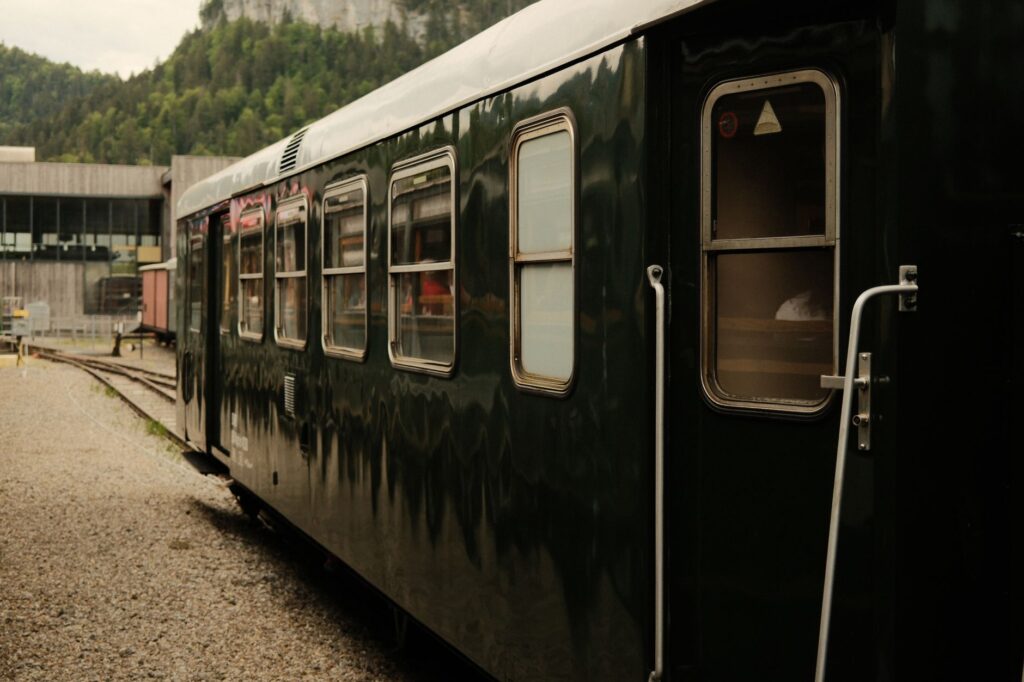
Unlike modern base tunnels designed to pierce mountains and shorten distances while ignoring the surface, the Glacier Express layout was conceived to embrace the terrain. Every stone viaduct and section of cogwheel track responded to the need to maintain a millimetric balance between operational safety and the preservation of the fragile alpine ecosystem. Today, traveling on this train is also an exercise in industrial archaeology, where each historic station retains the imprint of an era when the railway was the only unifying thread capable of binding together communities isolated by high mountains.
Anatomy of the Route: From the Shadow of the Matterhorn to the Engadin Valley
The journey begins at Zermatt station, a municipality entirely free of combustion vehicles where access is exclusively via shuttle trains from Täsch. Upon departure, the convoy winds down through the Vispa river valley, a rugged canyon where alpine vegetation gradually gives way to the harshness of raw bedrock. The large panoramic windows of the first and second-class carriages, inaugurated in their modern design at the beginning of this century, allow for a 180-degree visibility, turning the ceiling and sides into a shifting canvas of snowy peaks and larch forests.
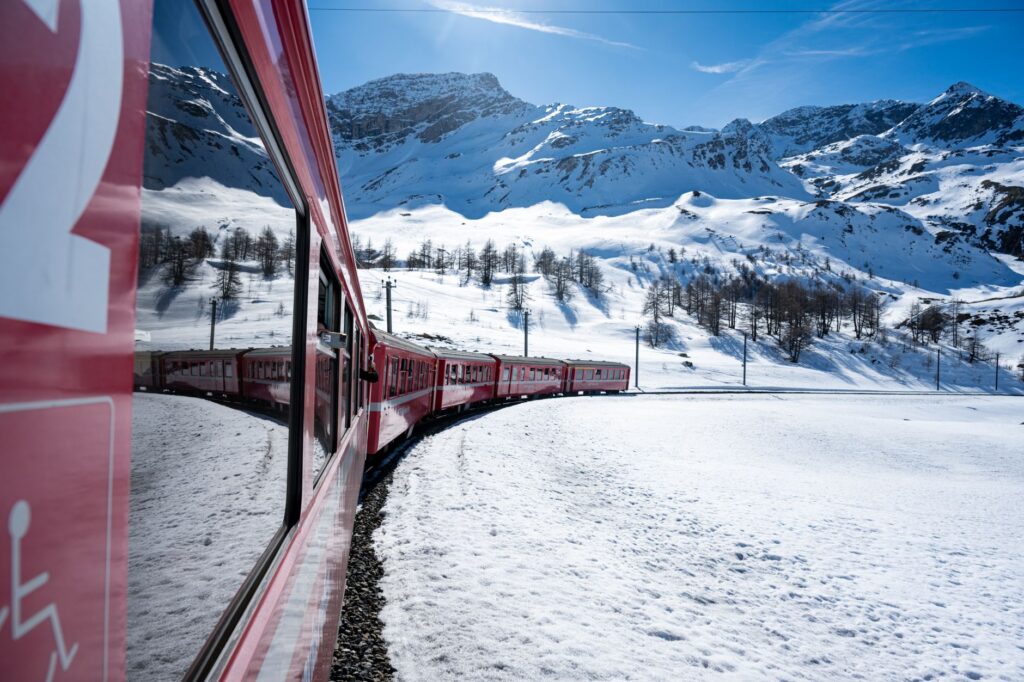
After leaving Brig, the train begins its ascent toward the Furka Base Tunnel, a variant that replaced the original surface section in the 1980s to ensure year-round operation. However, the spirit of the classic route survives in the seasonal section operated by the Dampfbahn Furka-Bergstrecke historical association. Upon crowning the Oberalp Pass, the train reaches its maximum altitude, and the landscape transforms into a high-mountain alpine plateau where glacial lakes reflect the intense light of snowfields.
Railway Engineering Under Extreme Conditions
The operational success of the Glacier Express lies in its ability to alternate traditional adhesion systems with rack-and-pinion sections. On the steepest slopes, which reach an inclination of up to 112 per thousand, a cog wheel located beneath the locomotive engages with millimetric precision in a central grooved bar fixed to the ties. This mechanism guarantees not only traction during climbs, but absolutely safe and controlled braking during prolonged descents.
Alpine railroading is not merely a means to conquer geography, but a lesson in structural respect toward the mountain, where every bridge and tunnel engages in dialogue with the abyss without challenging its natural sovereignty.
Another notable engineering milestone along the route is the passage through the Rhine Gorge, locally known as the Grand Canyon of Switzerland. In this section, carved by fluvial erosion after a massive rockfall thousands of years ago, the railway track clings miraculously to the vertical walls of white chalk, forcing the train to glide silently through avalanche-protected galleries and suspension bridges defying the void over the turbulent course of the river.
Onboard Experience: Comfort, Gastronomy, and Travel Protocol
Traveling aboard the Glacier Express involves adhering to a rigorous operating protocol that requires planning months in advance. Seats are strictly numbered, and seat reservation is mandatory for all passengers, regardless of whether they hold an interrail pass or a single ticket. The panoramic carriages feature advanced climate control, air filtration systems, and a multilingual audio guide service available through individual headphones that details geological and historical points of interest as the train moves forward.
The gastronomic offer is fully integrated into the slow travel experience. Unlike high-speed trains dominated by pre-heated snacks, the Glacier Express features a trolley service system and onboard kitchens where three-course menus are prepared using local products from the cantons crossed by the route. From Valais mountain cheeses to the white wines of the upper Rhine, every element of the culinary service reinforces the territorial connection of the journey.
St. Moritz and the Engadin Valley as a Grand Finale
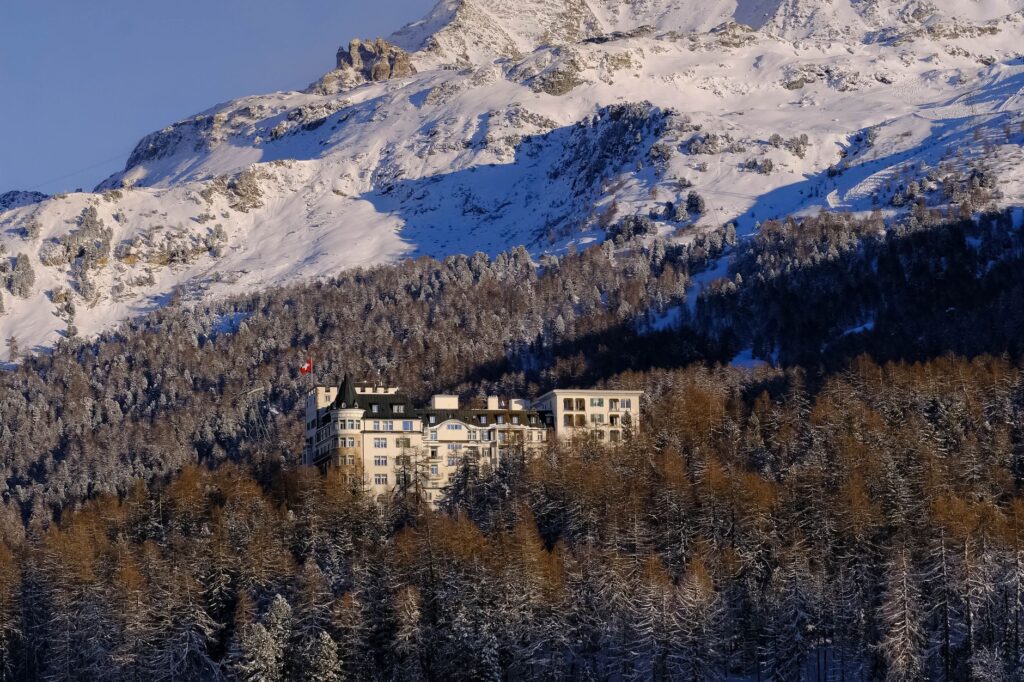
The final stop of the route, St. Moritz station, represents the pinnacle of historic alpine elegance. Situated 1,822 meters above sea level, this enclave in the Engadin Valley has been for over a century the refuge of international aristocracy and elite winter sports. The train’s arrival at this terminal highlights the contrast between the rocky austerity of the mountain passes and the urban sophistication of a valley bathed in sunlight for more than two-thirds of the year.
The region’s architecture, characterized by sgraffito facades and deep recessed windows designed to retain winter heat, offers a perfect visual and cultural conclusion for the traveler. Here, the railway network does not end abruptly, but connects fluidly with other iconic routes such as the Bernina line, declared a UNESCO World Heritage site, allowing travelers to extend their journey into southern Europe via spiral viaducts like the one in Brusio.
Essential Planning, Fares, and Railway Connections
To successfully plan a trip on the Glacier Express, it is fundamental to understand the fare structure and reservation requirements. The base ticket covers the journey but requires the mandatory payment of a seat reservation supplement that varies according to the season (high or low) and the chosen class (first class or Excellence Class, the latter recently introduced with guaranteed window individual seats and sommelier service).

- Operating Season: The full service generally runs from mid-December to mid-October, with an autumn maintenance pause.
- Main Connections: Zermatt is accessible via regular trains from Visp and Brig on the main Lötschberg axis line; St. Moritz connects directly with Chur and Zurich via the Swiss Federal Railways (SBB) network.
- Luggage: Traveling with medium-sized suitcases that fit in the overhead racks of panoramic carriages is recommended, although main stations offer luggage storage and hotel transfer services.
- Transport Passes: The Swiss Travel Pass covers the full cost of the transport ticket, but the seat reservation supplement remains mandatory and must be paid separately through official channels.
Visual Conclusion and Reflection on Alpine Mobility
The Glacier Express transcends the category of a simple tourist attraction to establish itself as an enduring model of how public mobility can be harmoniously integrated into extreme natural environments. At a time when mass tourism threatens the integrity of many mountain enclaves, this railway demonstrates that capacity limits, rigorous infrastructure management, and a commitment to quality over quantity are the key to preserving the alpine heritage.
True harmony with the landscape is not achieved by conquering it with blind speed, but by allowing the rhythm of travel to acclimatize to the immutable majesty of stone and ice.
Bidding farewell to the window of the Glacier Express is understanding that train travel, when conceived with the technical and aesthetic ambition of Swiss engineers, remains the most noble, humane, and reflective way to cross the geographical borders that shape our continent.