

The Dusk and Dawn of a Continental Network
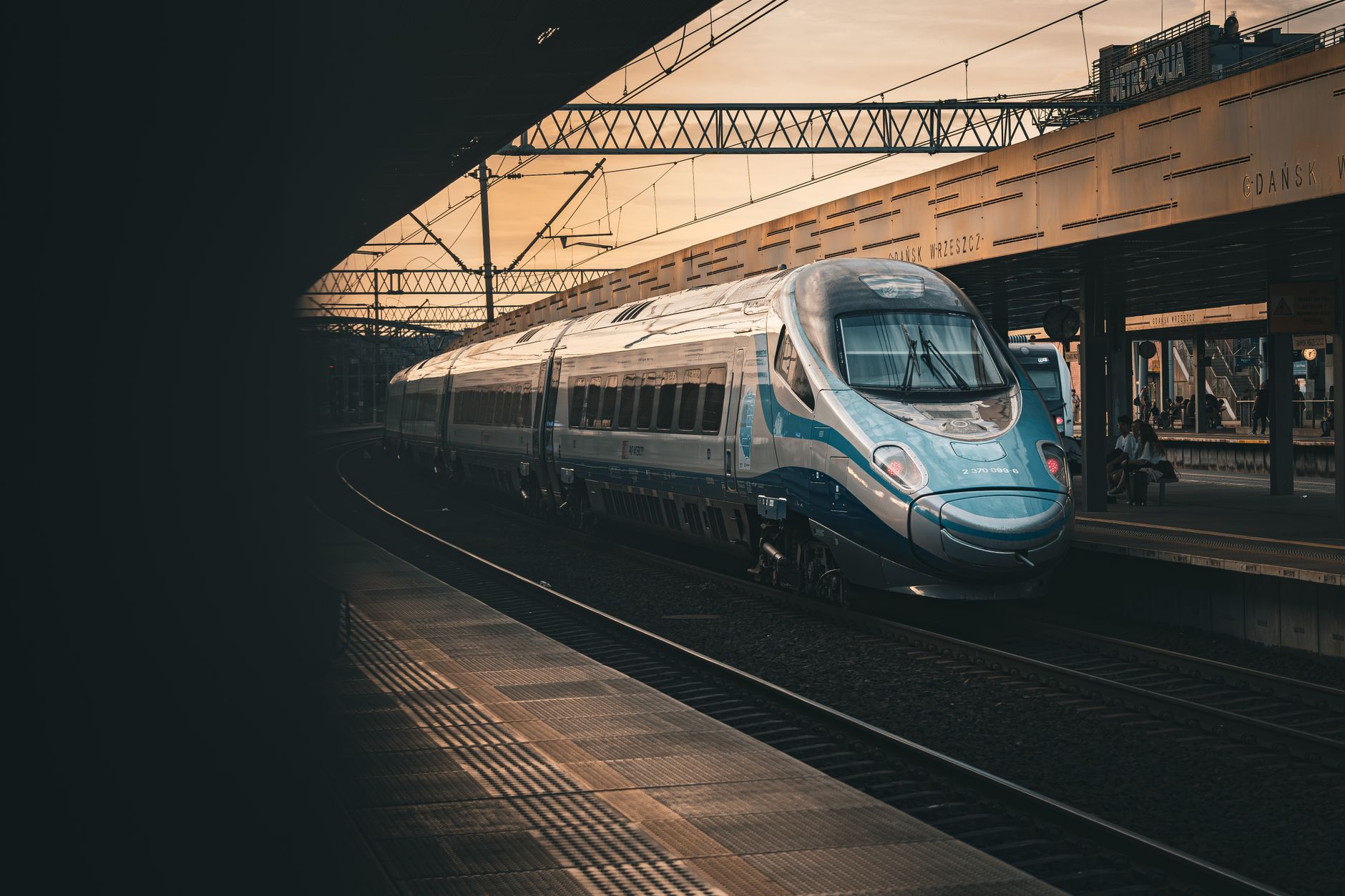
For decades, commercial low-cost aviation monopolized medium and long-distance transportation in Europe. The promise of immediacy and slashed ticket prices relegated the night train to an almost marginal category. Several national operators phased out their classic routes, citing high maintenance costs and low economic returns. However, the global climate crisis and the urgent need to decarbonize the transportation sector have driven a radical shift in community mobility policies. Today, the night train is no longer perceived as a romantic relic of the past, but as a foundational pillar in the continent’s sustainable transport strategy.
This resurgence is not driven by improvisation, but by complex technical and economic restructuring coordinated among several member states. The introduction of new environmental regulations in the European Union has indirectly penalized short-haul flight emissions, helping the railway sector regain competitiveness. Furthermore, public and private operators have understood that the travel experience must evolve radically to attract contemporary passengers who value both time, comfort, and the ecological footprint of their journeys.
The Backbone of Modernization: Cooperation and Rolling Stock
The revival of overnight rail travel would not be possible without massive investment in rolling stock and unprecedented cross-border cooperation. Operators such as ÖBB, the Austrian Federal Railways, took a pioneering lead by acquiring entirely new fleets of high-capacity, modularly designed trains. These new compositions combine ergonomic reclining seats, optimized couchette compartments, and private cabins equipped with en-suite showers and toilets, catering to the diverse budgetary expectations of today’s travelers.

Route Standardization and Cross-Border Bottlenecks
Despite political enthusiasm, expanding the night train network faces significant operational challenges. Differences in railway signaling systems, track gauges between countries, and a shortage of available time slots on high-speed lines during daytime hours complicate traffic management. Railway operators must constantly negotiate with national infrastructure managers to ensure the economic viability of nighttime routes. Border coordination still requires hours of technical inspection, an aspect that European regulators are striving to simplify through bilateral agreements and the digitalization of control processes.
The night train is not merely a means of moving between two geographical points; it is an infrastructure of social and territorial cohesion that redefines our relationship with the European landscape.
The interior design of these trains has also undergone a profound aesthetic and functional transformation. Mobility-focused interior architects have redesigned every square meter to maximize privacy and acoustic insulation. The use of lightweight yet durable materials, dimmable LED lighting, and advanced air-filtration ventilation systems demonstrates that railway engineering has integrated contemporary ergonomic lessons. It is no longer just about transporting people while they sleep, but about offering a habitable space where the journey forms an integral part of the cultural experience of travel.

New Corridors and the Reconfiguration of the European Map
The map of nighttime connections in Europe has been thoroughly redesigned in recent years. Vienna has indisputably established itself as the great railway hub of central Europe, directly linking cities such as Paris, Berlin, Warsaw, and Rome. Meanwhile, the recently established connection between Zurich and Amsterdam has demonstrated high occupancy rates year-round, evidencing a latent demand that airlines fail to meet with the same civic comfort.
These routes not only benefit major capitals but also revitalize stations in secondary cities that had lost prominence in high-speed transport networks. The integration of secondary nodes into nighttime itineraries decentralizes mass tourism and fosters regional economic development. A passenger who boards in Hamburg and wakes up in Vienna not only drastically reduces their carbon footprint compared to the equivalent flight, but also avoids the peripheral commutes associated with international airports located dozens of kilometers from city centers.
Impact on the Economy and Sustainable Tourism
The massive adoption of the night train positively alters European tourism patterns. Arriving early in the morning directly at the heart of the destination city gives travelers the entire day without the physical exhaustion characteristic of airport transfers. This encourages more leisurely stays, the use of local public transport, and consumption more integrated with neighborhood commerce. Tourism boards in numerous European cities have begun collaborating directly with railway operators to offer combined tickets that include urban transport and museum access from the moment of arrival at the central station.

Interior Design, Comfort, and the Ergonomics of Rest
Sleeping in motion presents considerable technical challenges that industrial design has cleverly resolved. The isolation of mechanical vibrations and the reduction of track friction noise are absolute priorities in manufacturing new sleeper cars. Industrial designers have implemented solutions inspired by nautical and luxury hospitality standards, where every centimeter counts and multifunctional spaces adapt according to the moment of the journey.
Individual capsules, known by some operators as mini-cabins, represent one of the most successful innovations for solo travelers. These stacked structures offer a closed personal space, a USB charging port, individual climate control, and a high-density mattress designed to guarantee optimal rest. The democratization of onboard comfort proves that traveling by night on a train is no longer a tolerable sacrifice, but a preferred choice for comfort and style.

Economic Challenges: Subsidies, Fares, and Profitability
Despite clear public support, the economics of night trains remain fragile. Fixed maintenance costs for rolling stock, track access charges during the night, and rising electricity prices pressure operator margins. Unlike air transport, which has historically enjoyed significant tax exemptions on kerosene fuel, railways bear direct electricity taxes in many EU countries.
Ensuring the financial stability of the nighttime railway network requires a harmonized tax framework that recognizes the environmental and social benefits of the sector against highly polluting alternatives.
To keep fares accessible and competitive with low-cost airlines, several governments have implemented direct public subsidy models or public-private partnerships. These agreements help absorb part of the initial financial risk associated with launching new routes, allowing ticket prices to remain at competitive levels during demand-consolidation phases.
Practical Information for the Contemporary Traveler
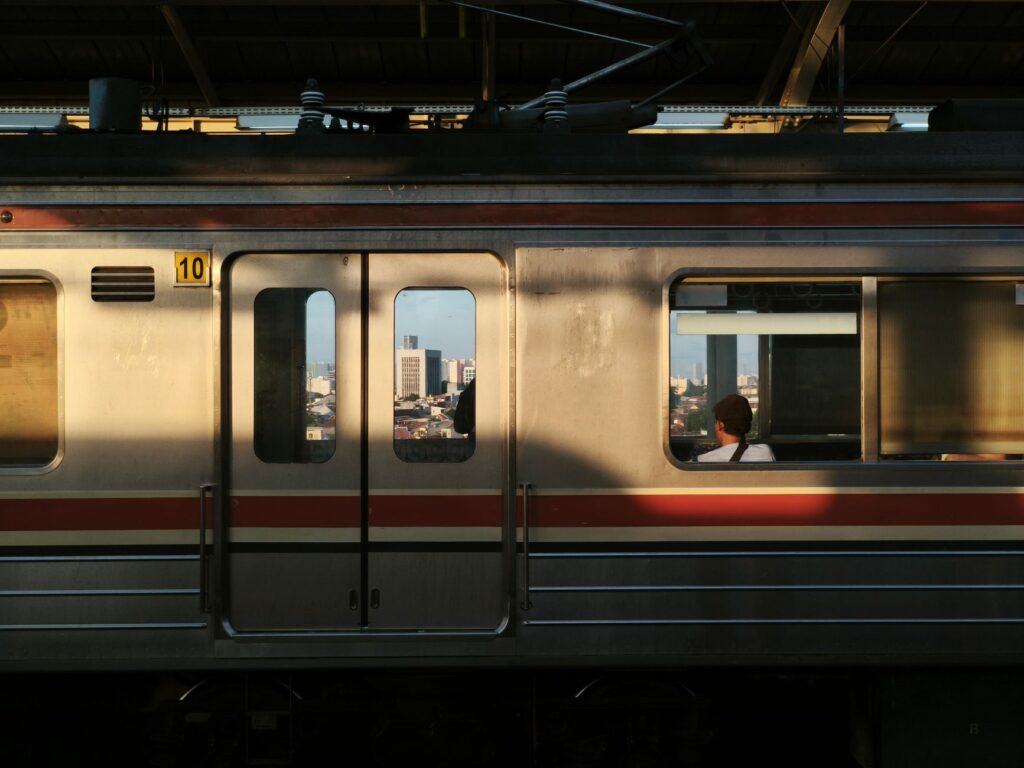
Planning a night train journey in Europe requires understanding several operational particulars that differ significantly from purchasing a conventional airline ticket. Reservations typically open between three and six months in advance, and tickets for private cabins or couchettes tend to sell out quickly during peak summer and holiday seasons.
- Advance Booking: It is essential to purchase tickets as soon as official schedules are released, especially for high-demand routes like Berlin-Paris or Vienna-Rome.
- Accommodation Types: Evaluate differences between reclining seats, shared four or six-berth couchettes, and private cabins based on budget and rest requirements.
- Documentation and Controls: Although the Schengen area simplifies travel, some cross-border routes conduct nighttime identity checks; carrying a valid passport or ID document within easy reach is mandatory.
- Luggage: Trains offer space for bags, but dimensions are limited in shared couchettes; traveling with compact luggage is recommended.
- Catering and Services: Not all trains feature continuously operating dining cars; verifying whether the rate includes breakfast or bringing your own provisions is advisable.
The Horizon of European Transport: Toward an Integrated Network
The future of transportation on the continent largely depends on consolidating a truly unified railway network. Community initiatives like the single European ticket and improved digital booking platforms aim to simplify the purchasing experience, allowing travelers to combine legs from different national operators without administrative friction. The digitalization of information boards and continental schedule synchronization are indispensable steps for night trains to compete on equal terms with commercial aviation.
Ultimately, the renaissance of night trains represents much more than a simple mobility alternative. It is the materialization of a new cultural sensitivity that values transit time, reduces environmental impact, and rediscovers the European landscape from a leisurely, human perspective. As infrastructure improves and interstate cooperation strengthens, traveling while sleeping will once again become the most natural, elegant, and sustainable way to traverse the continent.

