Introduction to Europe’s Great River Corridor
The Danube River represents much more than a geographical artery of prime magnitude; it is the backbone connecting Central Europe with the Black Sea through a complex network of canals, locks, and river ports. Stretching over 2,800 kilometers, this historic navigable waterway has evolved from a traditional trade route into a critical component of the Trans-European Transport Network (TEN-T). Managing this river corridor requires unprecedented institutional coordination among riparian countries, ensuring that freight and passenger transport operates under strict efficiency, safety, and environmental sustainability standards.
In the current energy transition scenario, inland waterway transport emerges as a strategic, low-emission alternative to road transport. European Union policies prioritize modal shift towards inland waterways to decongest the continent’s major highways. However, realizing the full potential of the Danube faces considerable technical challenges, ranging from seasonal discharge variability to the obsolescence of certain port infrastructures built in the mid-twentieth century.
History and Evolution of Danubian Navigation
The history of commercial navigation on the Danube dates back to Roman times, when it served as a fortified natural border and military supply route. In subsequent centuries, control of its lower course and narrow river passages was fiercely contested among empires. It was not until the 19th century, with the creation of the European Commission of the Danube in 1856 following the Treaty of Paris, that the first international rules were established to guarantee freedom of navigation and technical maintenance of the riverbed.

The dawn of the industrial era radically transformed the vessels plying these waters. Sailing barges and steam tugs gave way to modern fleets powered by high-output diesel engines and, more recently, push-tows capable of carrying thousands of tons of cargo across multiple countries. This modernization process not only boosted trade volumes but also laid the groundwork for passenger river cruises, a tourism sector that now mobilizes hundreds of thousands of travelers annually between Germany and the delta in Romania.
Critical Infrastructure: Ports and Logistics Nodes
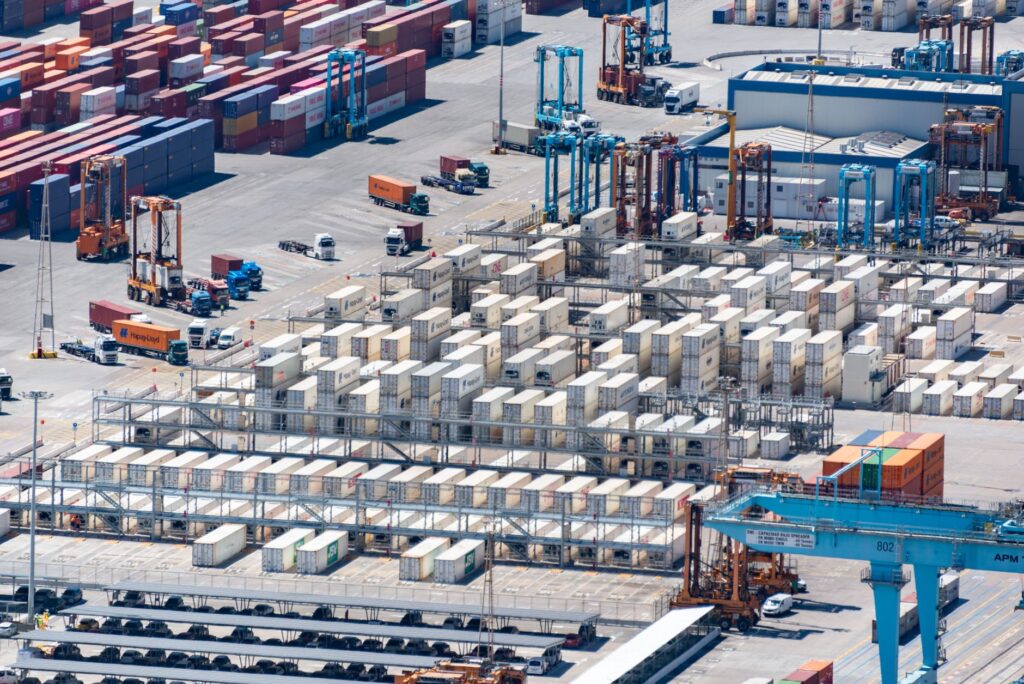
The efficiency of any transport corridor depends directly on the quality and capacity of its logistics nodes. In the case of the Danube, strategic ports such as Vienna, Budapest, Belgrade, and Constanța —the latter connected via the Danube-Black Sea Canal— act as multimodal platforms where river, rail, and road traffic converge. These hubs feature specialized terminals for containers, dry bulk, and oversized project cargo.
Port modernization includes the implementation of Intelligent Transport Systems (ITS) and digital single-window technologies to streamline customs and port procedures. Intermodal integration drastically reduces transit times and optimizes global supply chains. However, investment in these infrastructures requires high budgets and long-term planning capable of balancing commercial development with the protection of fragile riparian ecosystems.
The Challenge of the Iron Gates and Discharge Regulation
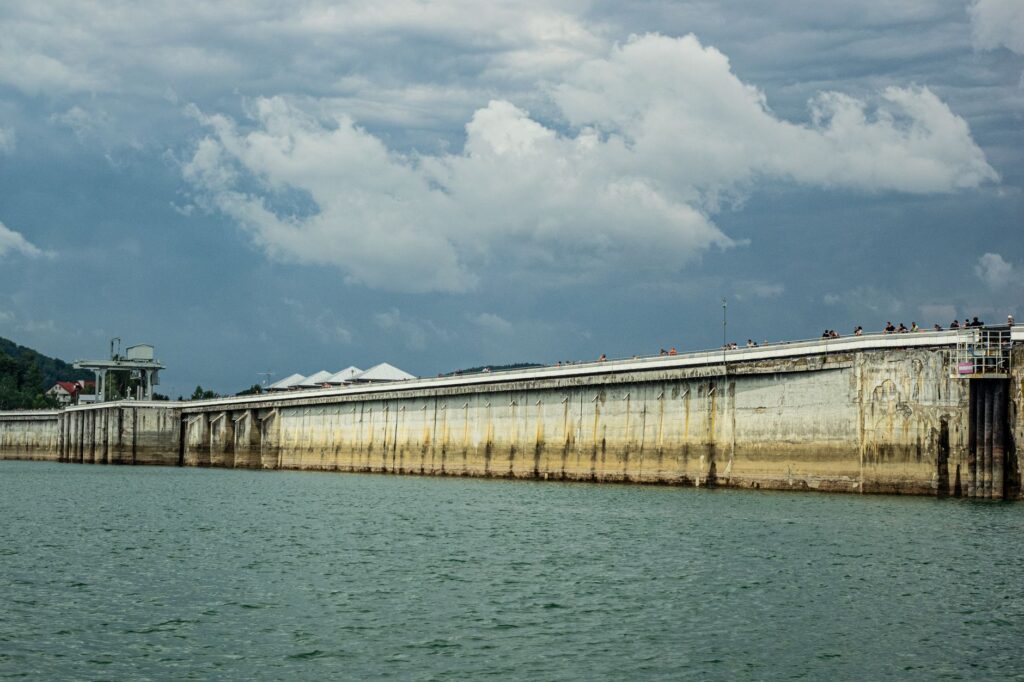
One of the greatest civil engineering milestones on the Danube is the Iron Gates hydroelectric and navigation complex, located on the border between Serbia and Romania. Inaugurated in stages during the second half of the 20th century, this system of locks and dams overcame one of the river’s most dangerous and rocky stretches, historically characterized by rapids and violent currents that severely hindered navigation.
However, discharge regulation through these large dams has also generated significant ecological and sedimentological impacts. Upstream sediment accumulation and the alteration of natural flood cycles require costly, permanent dredging operations to maintain minimum draft levels guaranteed by international agreements. Port authorities and river commissions must constantly balance the operational needs of commercial navigation with the European Union’s Water Framework Directive.
Modern Fleets and Sustainable Propulsion
The fleet operating on the Danube has undergone a profound technological transformation over the past decade. Shipping companies are renewing their vessels to comply with increasingly stringent emission regulations set by the International Maritime Organization and the Central Commission for the Navigation of the Rhine (CCNR). Dual-fuel propulsion engines, alternative fuels such as liquefied natural gas (LNG), and initial experimental electrification initiatives using high-capacity batteries for port operations are gaining traction.
The transition towards zero-emission inland navigation on the Danube is not a theoretical option, but an imperative requirement to meet the climate goals of the European Green Deal.
In addition to energy efficiency, the digitalization of navigation through the River Information Services (RIS) system enables captains to receive real-time meteorological, hydrological, and traffic data. This technology significantly improves safety in low-visibility sections or during seasonal flood episodes, minimizing the risk of accidents and grounding incidents.
The Surge of River Tourism and Passenger Connectivity
Beyond freight transport, the Danube has established itself as Europe’s premier river cruise route. Travelers choose this itinerary for its unique ability to combine cultural exploration of historic capitals such as Vienna, Bratislava, Budapest, and Belgrade with the contemplation of protected natural landscapes, such as the Wachau Valley or the Danube Delta Biosphere Reserve.

This tourism segment generates substantial economic impact in local communities, fostering hospitality, artisanal commerce, and guided excursions. However, the growth of the cruise fleet also poses operational challenges in ports of call, which must expand their shore power supply infrastructure (cold ironing) to prevent vessels from keeping auxiliary engines running while docked in urban centers.
Safety, Regulation, and International Cooperation
Danube governance is overseen by the Danube Commission, an international body tasked with ensuring maintenance of navigation conditions across its entire navigable course. The 1948 Belgrade Convention establishes the fundamental principles of freedom of navigation for merchant vessels of all countries, under conditions of equality regarding navigation fees and port services.
Cross-border cooperation is indispensable for addressing complex issues such as environmental emergency response, spill control, and the harmonization of professional qualifications for crews. Navigation safety depends on the rigorous training of captains and strict compliance with river police regulations. Navigation simulators and technical training centers play a key role in preparing personnel for critical situations on the river.
Practical Information for Logistics and Travel Planning
For logistics professionals, tour operators, and travelers interested in the Danube Corridor, knowing the following practical data and official consultation channels is essential:
- Governing Authority: Danube Commission (Budapest), responsible for regulatory and technical oversight of the corridor.
- Information Systems: River Information Services (RIS) platform for real-time tracking of river traffic, drafts, and notices to skippers.
- Key Intermodal Nodes: Ports of Linz, Vienna, Bratislava, Budapest, Novi Sad, and Constanța.
- Navigation and Tourism Season: Operational year-round for freight; passenger cruises concentrate their main activity between April and October, with reduced winter services.
- Regulatory Requirements: Compliance with the European Code for Inland Waterways (CEVNI) and specific customs regulations for non-EU stretches.
Conclusion: The Future of the River Corridor in the European Network
The Danube river corridor stands at a historical crossroads. The combination of geopolitical pressures, the urgent need to decarbonize transport, and technological advances in digitalization and naval engineering define a landscape of profound transformation. Ensuring that this river maintains its role as an economic engine and cultural bridge requires sustained investment, rigorous respect for ecological balances, and firm fluvial diplomacy among riparian states.
The long-term success of the Danube as a transport infrastructure will depend on our ability to modernize its logistics without compromising the natural integrity of its waters.
Ultimately, the future of mobility in this great European axis lies not only in increasing the volume of cargo transported, but in consolidating an intelligent, intermodal, and environmentally sustainable management model that serves as a benchmark for waterways worldwide.