Introduction to the High Summits of the Eastern Adriatic
The Dinaric Alps form one of the most complex and fascinating geographical backbones on the European continent. Far from the heavy visitor traffic of the Western Alps or the uniformity of other ranges, this mountain system unfolds as a labyrinth of limestone, high plateaus, and river abysses descending toward the Adriatic Sea. In the heart of Montenegro, Durmitor National Park emerges as the ultimate expression of this geological architecture. Designated a UNESCO World Heritage Site, this territory combines unusual alpine ruggedness with the persistence of an ancient pastoral culture that has long dialogued with an implacable climate.
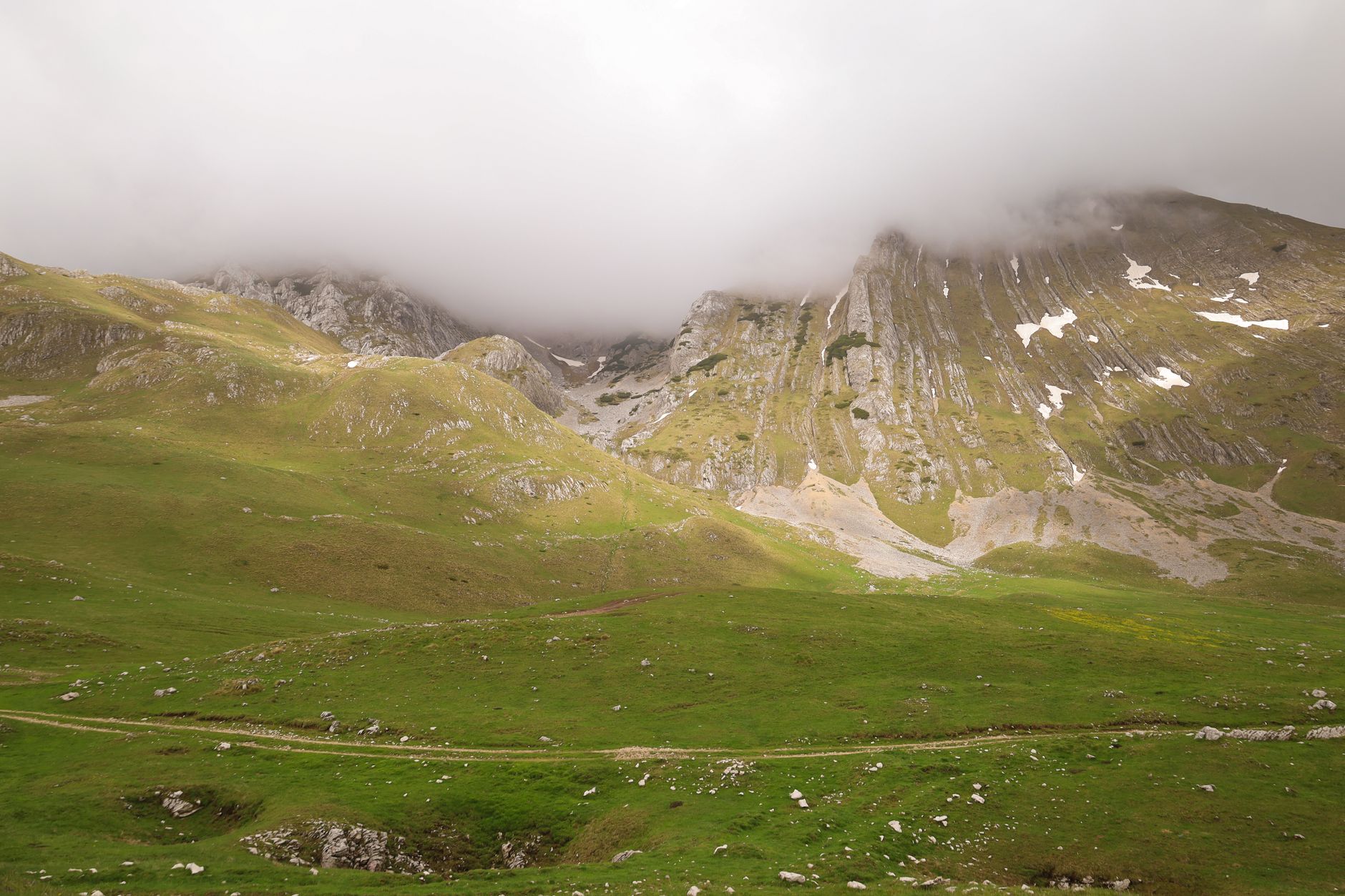
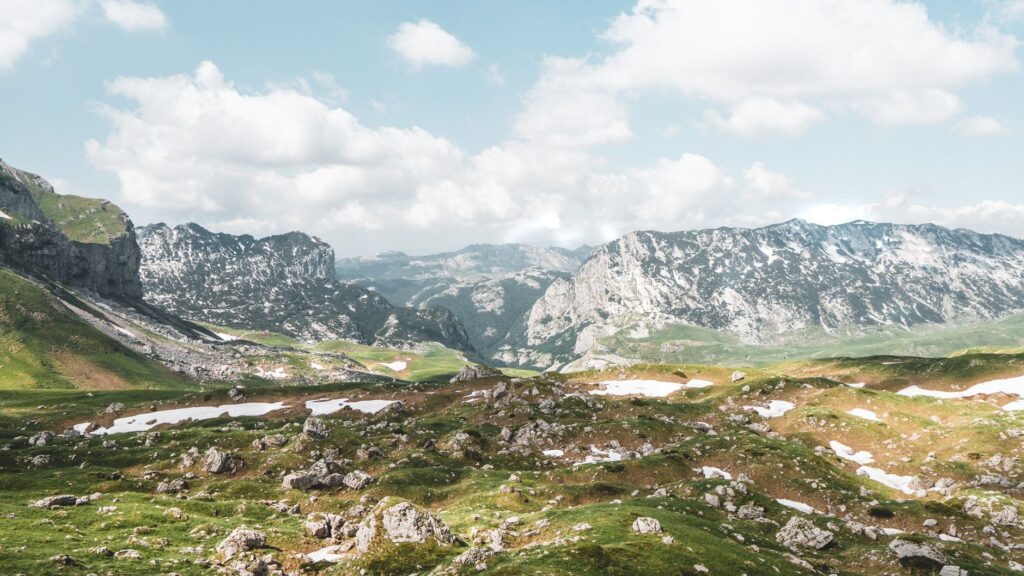
Traveling to Durmitor is not merely undertaking a hiking trip; it is deciphering an open book on the tectonic history of the Earth and human adaptation to the elements. With more than forty peaks exceeding two thousand meters in altitude, crowned by Bobotov Kuk at 2,523 meters, this limestone mass offers terrain where glacial erosion and karstic modeling have sculpted a landscape of extreme contrasts. From barren plateaus reminiscent of lunar surfaces to hanging valleys carpeted with alpine meadows, the park represents an indispensable sanctuary for biodiversity in the Balkan Peninsula.
Karstic Geology and Glacial Dynamics in the Massif
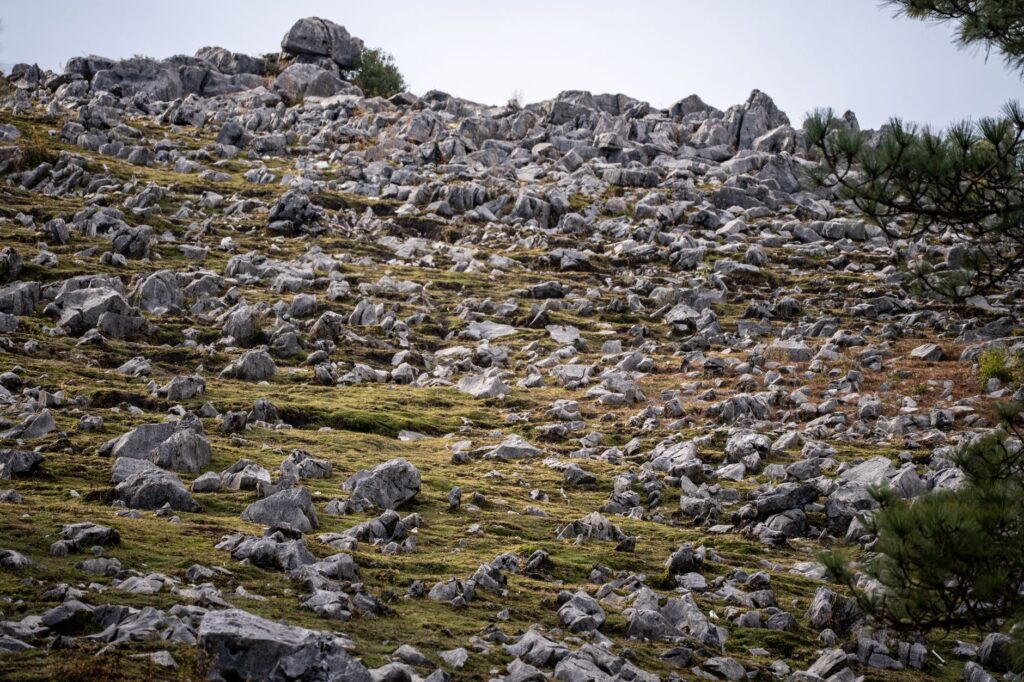
The physiognomy of Durmitor is the direct result of millions of years of extreme geological processes. Carbonate rocks predominate, primarily limestones and dolomites, which are highly soluble in rainwater and melting snow. This phenomenon produces what geomorphologists call karstic relief, characterized by the absence of surface rivers across many plateaus, as water infiltrates through cracks and underground shafts to emerge kilometers below as powerful springs and canyons.
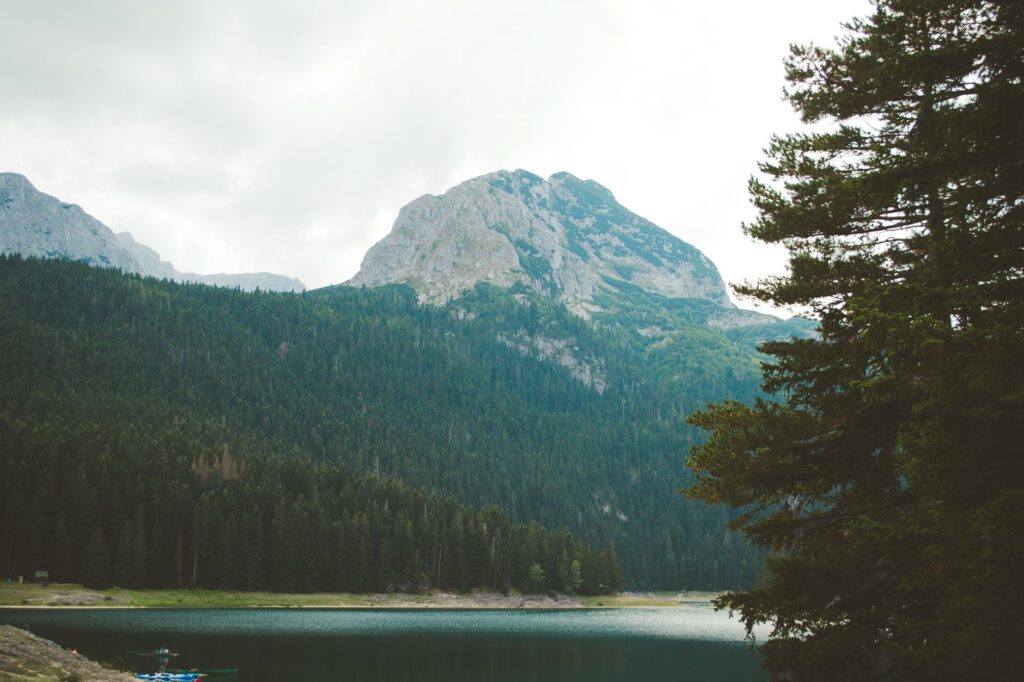
During Pleistocene glaciations, the highest elevations of the massif were buried under ice caps that fed glacial tongues several kilometers long. These glaciers widened valleys, shaped perfect cirques, and left behind a trail of moraines and over-excavation basins. Today, the most eloquent testimony to this frozen past is the eighteen glacial lakes locally known as gorske oči, or «mountain eyes.» The most celebrated among them, Black Lake (Crno Jezero), situated at the foot of Mount Durmitor, reflects the silhouette of conifer forests and vertical walls in its dark waters.
The Tara River Canyon: Europe’s Green Scar
At the northern boundary of the national park lies the canyon of the Tara River, a gorge holding the record for being the deepest in Europe and among the most imposing on the planet. With sections reaching 1,300 meters of vertical drop between the riverbed and the surrounding summits, the Tara cuts through limestone with relentless energy, carving a defile that acts as a natural border and ecological corridor.
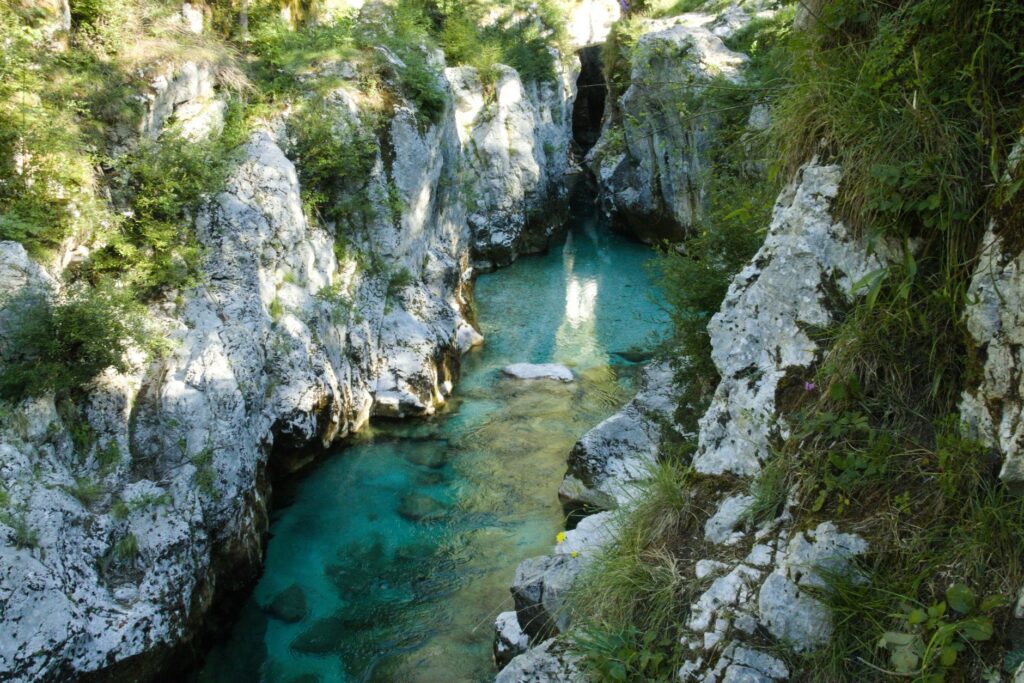
The waters of the Tara, internationally recognized for their crystal-clear purity and direct potability along vast stretches, flow through an ecosystem protected within the Tara River Basin Biosphere Reserve. The gorge harbors unique microclimates that foster relict vegetation, including endemic conifer forests and century-old beeches clinging to steep slopes. This canyon holds not only incalculable scenic value but also constitutes a natural laboratory for studying fluvial dynamics in highly fragile karstic terrain.
Water in Durmitor sculpts stone with the patience of millennia, creating an underground world as complex and vast as the relief rising beneath the Balkan sunlight.
Alpine Biodiversity: Flora and Altitude Fauna
Despite severe climatic conditions characterized by long winters with heavy snowfall and short yet intense summers, Durmitor National Park sustains a rich biodiversity adapted to thermal stress and superficial water scarcity. Black pine forests (Pinus nigra), some specimens exceeding four hundred years of age, cover the lower slopes, giving way to firs and beeches as altitude increases.
Above the tree line, dwarf pine scrub and casmophytic plant communities dominate, capable of rooting in bare rock fissures. Among endemic species stand out Wulfenia carinthiaca and various varieties of alpine bellflowers and gentians that burst into bloom during the brief summer. Faunistically, the massif is a critical refuge for large European mammals such as the brown bear (Ursus arctos), the grey wolf (Canis lupus), and the chamois (Rupicapra rupicapra), the latter perfectly adapted to moving with dizzying agility across rocky walls.
The Memory of the Katun: Pastoral Tradition in the Mountains
The relationship between humans and the heights of Durmitor has deep roots tied to seasonal transhumant pastoralism, locally known through the culture of katuni. During the summer months, shepherds from surrounding lowlands traditionally moved their sheep and goat herds to the high plateaus of the park, where fresh grass and snowfields guaranteed livestock sustenance.
The katuni are temporary settlements formed by dry-stone huts with wooden or straw roofs, where intense artisanal cheeses and other dairy products essential for winter survival were produced. Although modernization and rural exodus have drastically transformed this practice, reducing the families actively engaged in traditional herding, the vernacular architecture of the katuni continues to dot the Durmitor landscape, reminding visitors that these mountains are not a pristine backdrop, but a territory shaped over centuries by agricultural economics.
Trails and Hiking: Classic Routes Across the Massif
Mountaineering in Durmitor rests on a solid tradition structured throughout the 19th and 20th centuries, initially driven by Central European explorers and scientists fascinated by Balkan topography. Today, the park features a marked trail network allowing both technical high-difficulty ascents and multi-day traverses between refuges and glacial valleys.

The crown jewel route is undoubtedly the ascent to Bobotov Kuk. Usually starting from the Sedlo pass, located at an altitude of 1,907 meters, the itinerary traverses high-mountain scree fields, karstic cirques, and exposed ridges where the use of hands is necessary in the final meters. From the summit, on clear days, the view encompasses virtually all of Montenegro, distinguishing the masses of the Sinjajevina massif and the deep valleys descending toward Bosnia and Herzegovina. Other routes of high scenic value include the circuit around the lakes of the Prutaš zone and traverses connecting the forests of Žabljak with viewpoints over the Tara Canyon.
Walking the trails of Durmitor demands absolute respect for changing weather and a rigorous reading of the terrain, where fog can transform an obvious path into a limestone labyrinth.
Conservation and Challenges of Contemporary Tourism
The management of Durmitor National Park currently faces the delicate balance between preserving fragile ecosystems and the growing pressure of international tourism. While visitor arrivals provide crucial economic resources for local communities in Žabljak and surroundings, they also bring tangible risks associated with summer overcrowding, uncontrolled opening of tracks, and waste accumulation in remote areas.
Environmental authorities and local scientific organizations emphasize the need to strictly regulate access to the most sensitive nesting zones for raptors and large mammals. Likewise, urban development tied to expanding hotel infrastructure must undergo rigorous ecological impact assessments to prevent the fragmentation of faunal corridors connecting Durmitor with other protected areas in the Western Balkans.
Practical Information for Trip Planning
Planning an expedition or hiking trip to Durmitor National Park requires considering essential logistical factors to ensure safety and respect for the natural environment.
- Main Access: The town of Žabljak is the neuralgic gateway to the park. It is reached by road from Podgorica (the Montenegrin capital) in a journey of approximately two and a half hours winding through spectacular gorges.
- Recommended Season: The optimal season for high-mountain hiking extends from late June to early October. Outside this period, snow persists at high altitudes, and many mountain passes remain closed to traffic.
- Essential Equipment: High-cut technical footwear with high-traction soles for limestone rock, windproof warm clothing, adequate hydration systems (water sources are scarce at high elevation), and detailed cartography paired with GPS orientation devices are mandatory.
- Park Regulations: Camping outside designated zones, lighting fires throughout the park territory, and collecting protected plant species are strictly prohibited. All generated waste must be carried back to the urban center.
Final Reflections on a Balkan Sanctuary
Durmitor National Park transcends the category of a conventional tourist destination to stand as a living testament to natural resilience in the Balkans. Its grey stone summits, deep forests, and the latent memory of its shepherds configure a landscape where time seems measured on another scale. Preserving this millennial balance between wild biodiversity and respectful human presence is the great challenge Montenegro faces in the coming decades, ensuring Durmitor’s high peaks remain a refuge of freedom and untamed nature in the heart of Europe.