A Shift in Paradigm: From Leisure Travel to Active Solidarity
Travel, in its most traditional sense, is commonly associated with leisure, cultural discovery, and stepping away from daily routines. However, recent geopolitical events have accelerated a profound transformation within the industry toward more conscious and committed models of engagement. In the heart of Europe, Ukraine has become the focal point of an emerging phenomenon: volunteer tourism, or solidarity travel. Travelers from all corners of the globe are crossing borders not to passively sightsee, but to offer their hands, time, and professional expertise to support the country’s resilience and reconstruction.
This form of travel is not without its ethical debates and logistical complexities. It is by no means a recreational adventure in a vulnerable setting; rather, it is a serious commitment that demands meticulous preparation and deep respect for the host population. Civil organizations and official platforms, such as Visit Ukraine, have begun structuring formal pathways for interested foreigners to enter the country legally and safely, ensuring that their presence serves as a genuine asset to local communities rather than an added burden during a time of crisis.
The Current Context and the Need for Structured Support
Traveling to a country navigating an active conflict requires a complete shift in mindset. Motivations must be purely altruistic, entirely stripped of sensationalism or thrill-seeking. The core of ethical volunteer tourism lies in understanding that the traveler is a supporting resource who must defer completely to the needs identified by local communities. Rebuilding critical infrastructure, offering psychological support, distributing humanitarian aid, and revitalizing small businesses are the immediate priorities on the ground.
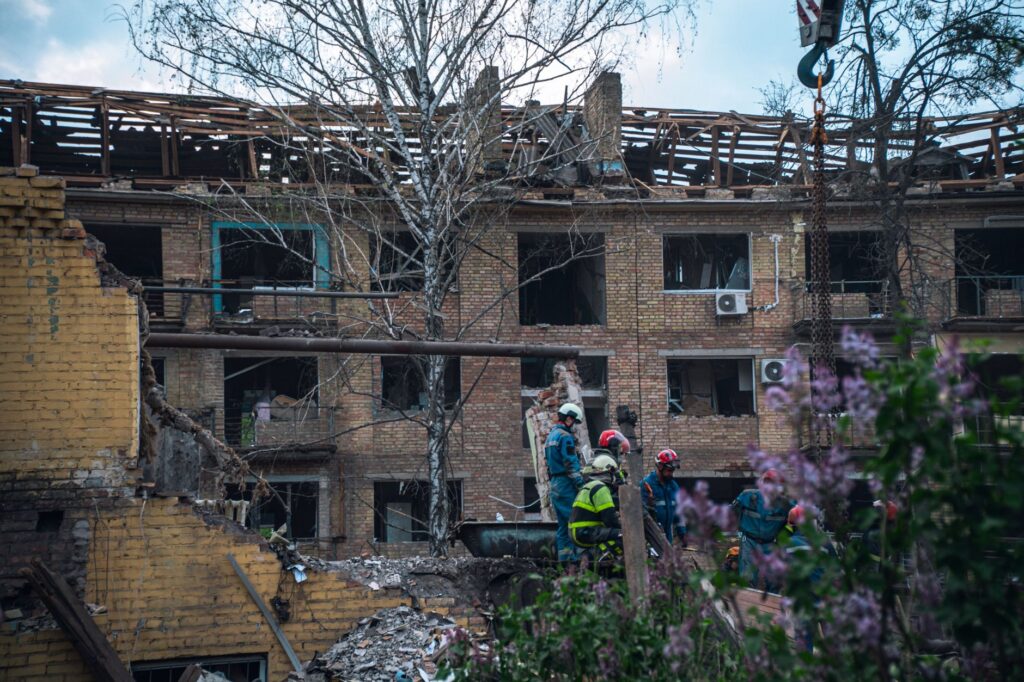
To prevent straining local services, volunteer initiatives are coordinated through centralized channels. Travelers should never show up spontaneously in affected areas; instead, they must register in advance with official programs and secure the backing of legally established non-governmental organizations (NGOs) operating on the ground. This structure ensures that each volunteer is assigned to a specific task suited to their skills, maximizing the positive impact of their stay.
«Volunteer tourism in Ukraine is not a leisure activity, but a bridge of global empathy where every pair of hands accelerates the recovery of a community.»
Key Areas of Intervention: Where Is Help Most Needed?
International volunteers come from highly diverse backgrounds, and the aid ecosystem in Ukraine offers various avenues of participation depending on each traveler’s skills and time commitment. Some of the most critical areas include:
- Physical Reconstruction and Debris Clearance: Community-led organizations coordinate volunteer teams to clear rubble from damaged homes and public buildings, as well as perform urgent repairs before winter sets in. These programs often pair physical labor with cultural activities to foster connection between visitors and locals.
- Logistics and Humanitarian Distribution: In distribution hubs across major cities like Lviv and Kyiv, steady support is needed to sort, pack, and distribute food, medicine, and clothing to internally displaced persons.
- Language Teaching and Educational Support: Education remains a vital pillar. Volunteers fluent in English or other languages assist in community workshops, summer camps, and online classes for children and youth, providing a sense of normalcy and personal growth.
- Animal Welfare and Shelters: The abandonment of pets due to forced displacement has overwhelmed local animal shelters. Volunteers help maintain facilities, socialize animals, and assist with international adoption logistics.
Safety Protocols and the Vital Role of War Risk Insurance
Safety is the primary, non-negotiable factor for anyone planning to travel to Ukraine under this framework. While daily life continues with a degree of normalcy in many western and central regions, risks remain due to air raid alerts and missile strikes. Therefore, strict adherence to local safety regulations is mandatory.

It is absolutely essential for every traveler to secure a specialized travel insurance policy that includes war risk coverage, as standard international travel policies categorically exclude incidents arising from armed conflicts. These specialized policies cover emergency medical expenses, medical evacuation, and repatriation in the event of war-related incidents. Additionally, travelers must register with their respective embassies upon arrival and download the official government early-warning mobile apps.
Travel Logistics: Overland Access and Border Crossings
Because Ukrainian airspace remains closed to commercial flights for safety reasons, the country is accessible only by land. The main entry points are located along the borders with Poland, Slovakia, Hungary, Romania, and Moldova. Trains operated by the state railway company, Ukrzaliznytsia, have become the backbone of passenger transport, offering highly reliable and punctual connections from cities like Warsaw, Przemyśl, Košice, and Budapest to Kyiv, Lviv, and Odesa.
Crossing the border by train is generally faster and more streamlined than traveling by bus or private car, where queues can last for hours due to detailed customs checks. Travelers must carry all necessary documentation, including a valid passport, official invitation letters from their host volunteer organizations, accommodation bookings, and proof of war risk medical insurance.

Economic Impact: Supporting Local Businesses as a Form of Resilience
Beyond direct physical or professional labor, volunteer tourism plays a vital economic role in local communities. By staying in locally owned guesthouses, dining at local restaurants, and using domestic transport services, volunteers inject hard currency directly into an economy heavily impacted by geopolitical circumstances.
Conscious consumption thus becomes another powerful form of support. Purchasing goods from local artisans, buying from farmers’ markets, and hiring local guides in safe areas helps sustain jobs and preserve the social fabric. Ukraine’s economic resilience relies significantly on the survival of its small and medium-sized enterprises, and the influx of supportive visitors provides a crucial lifeline for these sectors.

«Supporting small, local Ukrainian businesses is an active gesture of solidarity; it is a direct way to keep the everyday economy resilient.»
Psychological Preparation and Volunteer Ethics
The emotional impact of working in an environment that has experienced significant loss and hardship should not be underestimated. Volunteers must possess emotional stability, resilience, and adaptability. It is crucial to avoid patronizing attitudes; Ukrainians are the primary agents of their own recovery, and volunteers are there solely to support and assist them.
Respecting the privacy of local residents is paramount. This means refraining from taking photographs of military infrastructure, checkpoints, security personnel, or individuals in vulnerable situations without explicit consent. Discretion on social media is both an ethical duty and a safety requirement, ensuring that the security of projects and local communities is never compromised.
A Practical Guide for Solidarity Travelers in Ukraine
For those who have decided to embark on this journey of solidarity, following a few practical guidelines will help ensure a safe and successful experience:

- Thorough Research: Choose reputable organizations with verifiable track records. Platforms like Visit Ukraine provide directories and resources to verify the legitimacy of various initiatives.
- Pack Smart: Along with durable clothing for physical work, bring high-capacity power banks, flashlights, a well-stocked first-aid kit, and enough personal medication for the duration of your stay.
- Stay Connected: Purchase a local SIM card upon arrival to ensure continuous internet access and to receive real-time safety alerts.
- Respect Curfews: Familiarize yourself with the curfew hours in the region you are visiting, as they vary depending on proximity to operational areas and must be strictly observed.
The Future of Reconstruction and the Lasting Bonds of Empathy
Volunteer tourism in Ukraine is laying the groundwork for a new model of international relations rooted in direct, person-to-person empathy. As the country moves forward on its path to recovery, these travelers become ambassadors of Ukrainian reality in their home countries, dispelling misconceptions and keeping international attention focused on long-term humanitarian needs.
The experience of working side-by-side with local residents builds enduring human connections that transcend political borders. Ultimately, volunteer tourism demonstrates that travel can be far more than a consumer activity—it can be a powerful instrument for restoring dignity, hope, and peace in communities looking toward the future with unwavering resolve.