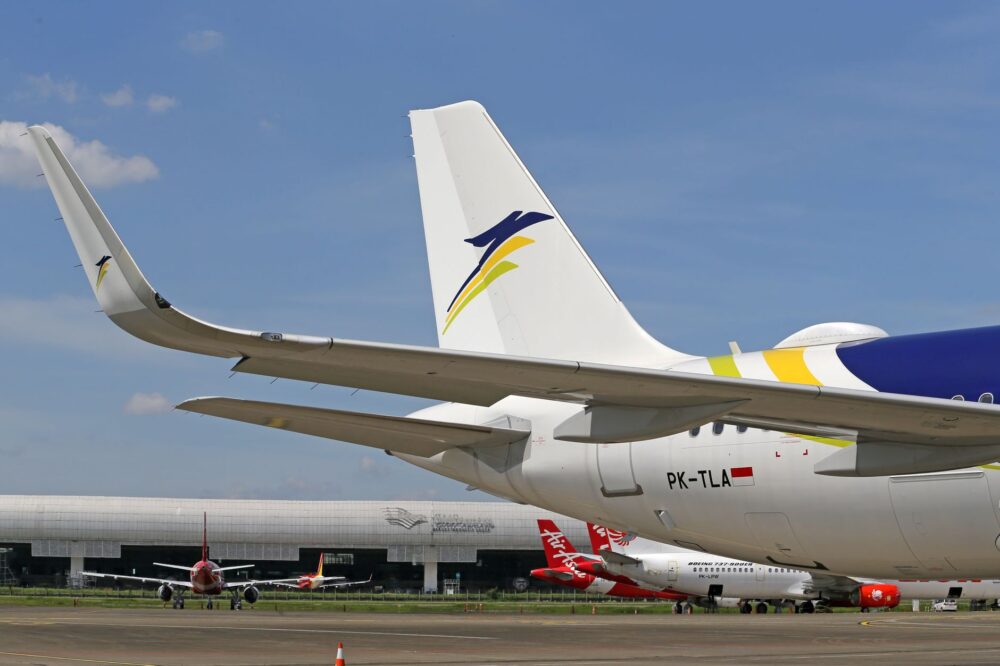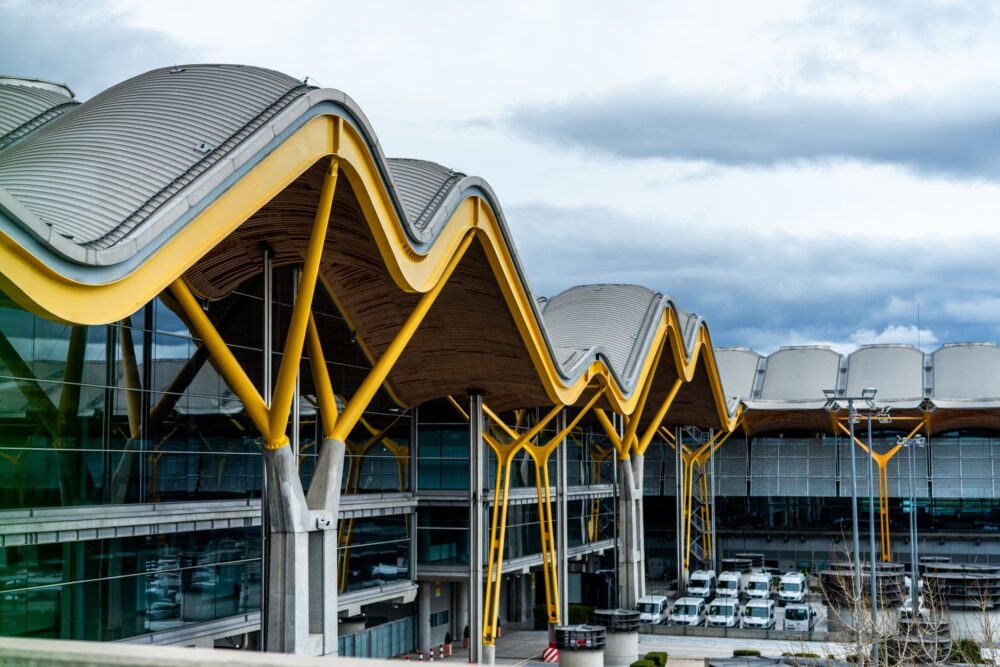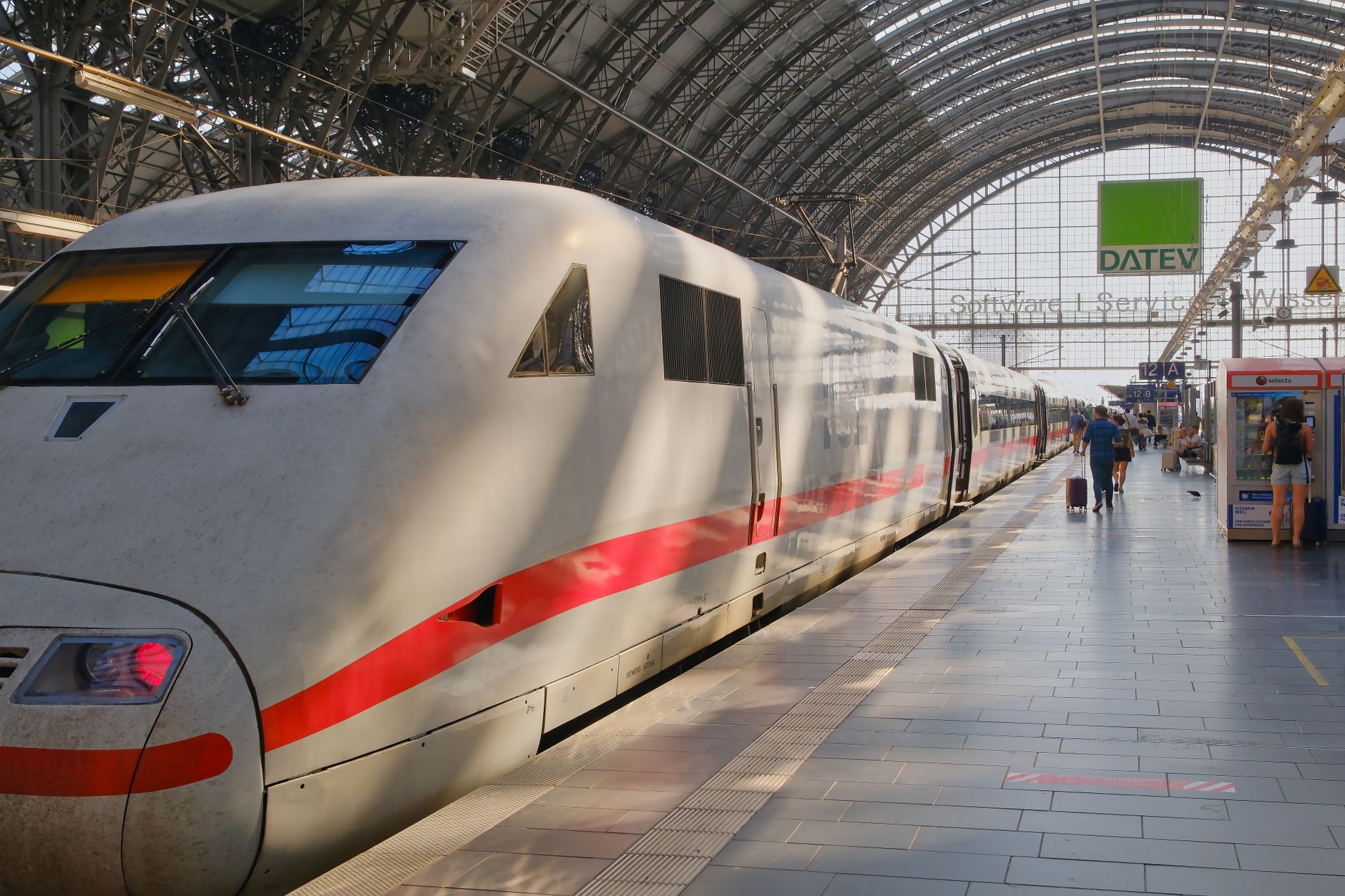
For decades, the European transport map operated under a doctrine of isolated silos. Commercial aviation held undisputed dominance over any journey exceeding four hundred kilometers, while railways handled regional commuting and domestic trunk lines. However, the technical maturation of high-speed rail networks across France, Germany, Spain, and Italy, coupled with airspace congestion and environmental mandates, has triggered a profound realignment of continental travel geography. In passenger terminals where runway tarmac meets railway ballast, a sophisticated model of transport connectivity is emerging.
Contemporary travelers increasingly view the aircraft and the train not as irreconcilable rivals, but as interdependent segments of a single logistical continuum. This synergy addresses more than environmental imperatives; it serves operational necessity at major global hubs such as Frankfurt, Paris-Charles de Gaulle, Zurich, and Amsterdam Schiphol, where freeing up runway slots from short-haul flights allows hub carriers to accommodate higher-yield, long-range international routes.
The Genesis of the Intermodal Hub: Railway Cathedrals Beneath the Runways
The concept of integrating a mainline high-speed railway station directly beneath an airport terminal took root in the late twentieth century. The inauguration of the TGV station at Paris-Charles de Gaulle Terminal 2 in 1994, followed by the 1999 opening of the Frankfurt Airport long-distance station (Fernbahnhof), established a benchmark in civil engineering that remains the gold standard for modern transit design. These facilities were engineered not as secondary transit stops, but as subterranean terminals capable of handling four-hundred-meter-long trains and thousands of transfer passengers simultaneously.
At Frankfurt Airport, the Fernbahnhof sits under a striking glass-and-steel dome known as The Squaire, connected directly to Terminal 1 via an enclosed, climate-controlled skybridge. Daily, dozens of Deutsche Bahn Intercity Express (ICE) formations pull up to its platforms, linking the airport directly with Cologne, Stuttgart, Nuremberg, and Basel without requiring transit through city-center terminals. In Paris, the Charles de Gaulle TGV hub routes passengers arriving from North America or Asia directly onto high-speed lines bound for Lyon, Marseille, Bordeaux, Brussels, or Lille, bypassing the historic friction of transferring between Parisian rail termini.
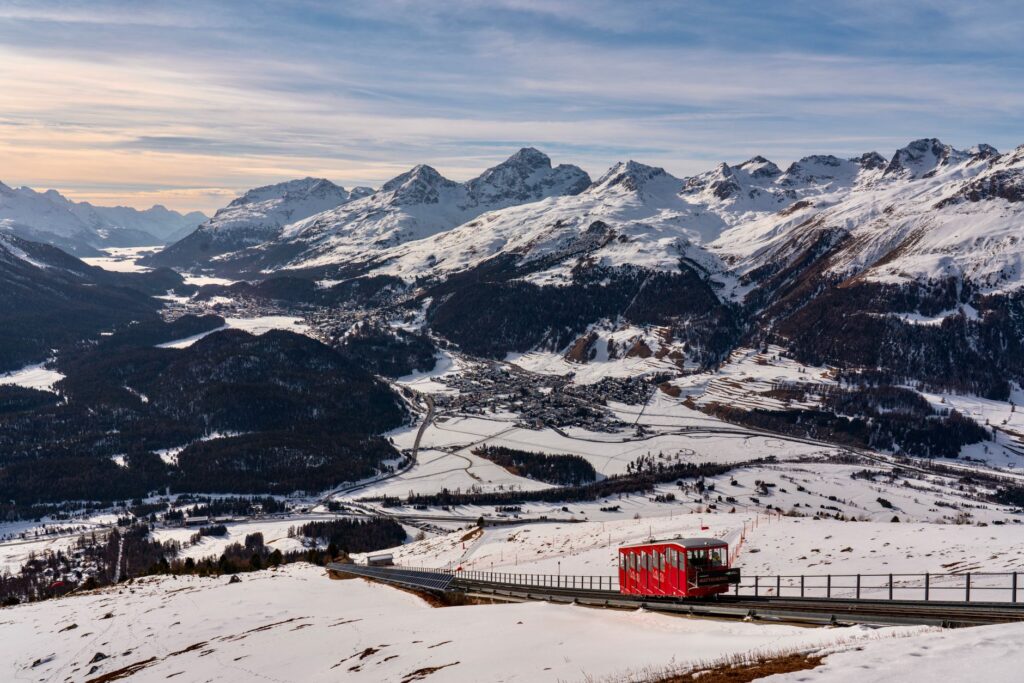
True intermodality does not merely place two modes of transport side by side; it dissolves transfer friction until changing vehicles feels entirely effortless.
This architectural integration has redefined airport catchment zones. A passenger touching down at Zurich-Kloten Airport can step onto an integrated platform within the subterranean Airport Center and reach downtown Bern or Lucerne in under seventy minutes via Swiss Federal Railways (SBB), benefiting from clock-face scheduling that reduces connection buffers to mere minutes.
The Diplomacy of Codeshares: Integrated Tickets and Protected Connections
Physical infrastructure remains ineffective without commercial and digital integration. Historically, traveler hesitancy toward air-rail combinations stemmed from legal vulnerabilities: if a rail delay caused a passenger to miss an intercontinental flight, the operating airline bore no contractual obligation to rebook or compensate them. The aviation and rail industries resolved this through integrated intermodal ticketing backed by International Air Transport Association (IATA) codes.
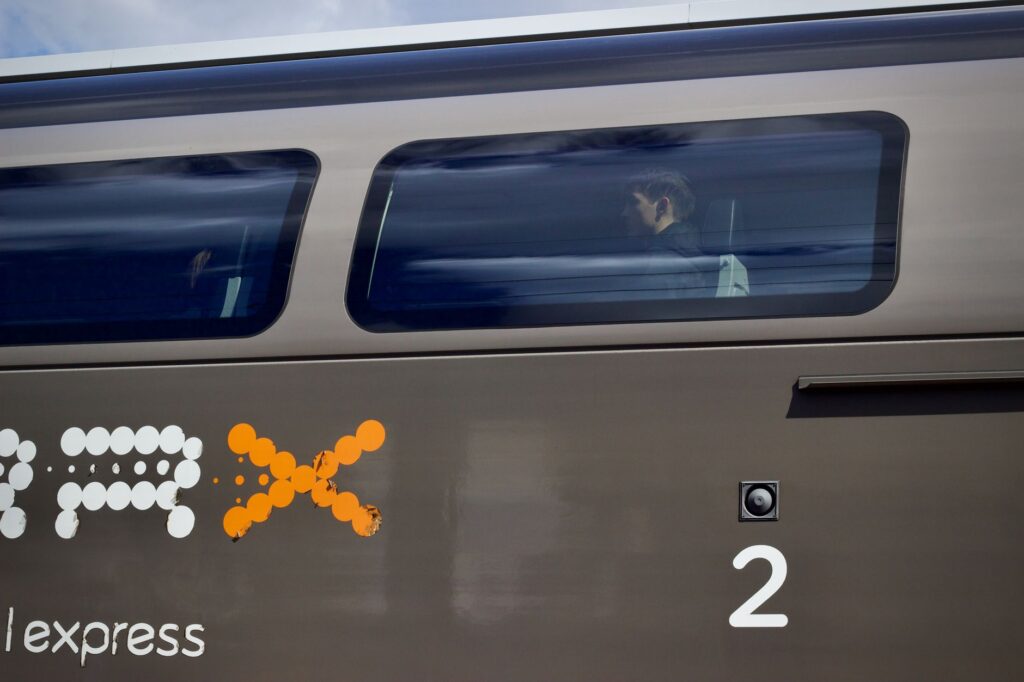
The benchmark for this model is the Lufthansa Express Rail system in Germany, operated jointly with Deutsche Bahn. Under this framework, dedicated rail services departing from cities such as Düsseldorf, Mannheim, or Leipzig carry Lufthansa LH flight numbers. A single ticket ensures that if a rail delay occurs, the passenger is automatically rebooked onto the next available connecting flight at no additional expense. Similar frameworks govern the Train + Air alliance between Air France and SNCF, as well as the Train & Fly product developed by Iberia and Renfe linking regional Spanish cities to Madrid-Barajas Terminal 4.
Key Operational Advantages of Intermodal Booking
- Single Ticket and Unified PNR: One booking reference covers the entire rail-air journey, allowing passengers to earn frequent flyer status miles across both modes.
- Comprehensive Journey Protection: Legal and operational guarantees ensure immediate re-routing in cases of technical or weather-related delays on either segment.
- Seamless Lounge Access: First and business class travelers retain access to premium rail lounges (such as DB Lounges or Renfe Club facilities) before departing for the airport.
- Aligned Baggage Allowances: International flight baggage weight limits and piece concepts are honored across the designated rail leg.
The Transformation of Major European City Corridors
The impact of high-speed rail on point-to-point intra-European air corridors provides definitive empirical evidence of modal shift. Whenever rail journey times between city centers fall below two hours and thirty minutes, rail market share consistently climbs above eighty percent, often leading to the voluntary cessation or regulatory phase-out of competing air shuttles.
The Madrid-Barcelona corridor in Spain offers a compelling case study. Prior to the high-speed line opening in 2008, the air shuttle between Madrid-Barajas and Barcelona-El Prat was the busiest commercial flight corridor in the world by weekly frequencies. Today, intense competition between four high-speed rail operators (AVE, Avlo, Ouigo, and Iryo) has shifted over eighty-five percent of passenger traffic to the rails, covering six hundred kilometers in two and a half hours while freeing airport capacity for intercontinental expansion.
A parallel transition unfolded across Italy along the Milan-Rome trunk route. The introduction of Trenitalia’s Frecciarossa and Italo (NTV) services compressed travel times between Milano Centrale and Roma Termini to under three hours. This performance prompted the systematic reduction of commercial air links between Milan Linate and Rome Fiumicino. High-speed rail has not dismantled commercial aviation; it has redirected air carriers toward long-range missions where their physical speed advantage remains uncontested.
The Onboard Environment: Space, Productivity, and Quality of Time
The choice between air and rail extends beyond simple timetable calculations. The qualitative experience of travel has emerged as a primary consideration, particularly for corporate travelers and digital professionals. While commercial flying involves continuous procedural friction—security lines, boarding gate holding, seatbelt constraints during climb and descent—high-speed rail offers uninterrupted physical continuity.

Modern trainsets, including the Frecciarossa 1000 in Italy, the ICE 4 in Germany, and the TGV Océane in France, are engineered around passenger ergonomic requirements. Individual power outlets, trackside-boosted high-speed Wi-Fi, and generous work tables allow travelers to convert transit time into uninterrupted work sessions or peaceful relaxation.
Comparative Realities of Rail Travel
- Unrestricted Mobility: Passengers can walk between coaches, stretch, and visit bar-bistro cars throughout the journey.
- Elimination of Idle Waiting: Arriving at a rail station fifteen minutes prior to departure replaces the standard two-hour pre-flight airport buffer.
- City-Center Terminals: Direct arrival at central stations eliminates secondary transfers, costly taxi fares, and urban perimeter congestion.
- Visual Connection to the Landscape: Large panoramic windows offer a rolling narrative of European geography, from the vineyards of Burgundy to the Castilian plains and Alpine valleys.
Persistent Operational Obstacles: Luggage Logistics and Technical Gaps
Despite significant progress, the full integration of European rail and aviation still faces engineering and procedural hurdles. The most prominent bottleneck remains checked baggage handling. During the late twentieth century, airlines like Swissair operated dedicated Fly-Rail Baggage systems allowing travelers to drop bags at remote alpine railway stations and retrieve them at their final international airport destination. Heightened post-2001 security protocols largely dismantled these workflows.
Today, on nearly all intermodal bookings, passengers remain responsible for wheeling their own luggage through the railway portion of their journey and dropping it at airport check-in counters. While RFID tracking and modernized screening technologies are reviving automated bag transfer trials, widespread rollout requires capital investment and harmonized security protocols across transport authorities.

The final frontier of seamless intermodality lies not in accelerating train speeds, but in automating the invisible transfer of checked luggage.
A second challenge stems from cross-border rail fragmentation. While the European Rail Traffic Management System (ERTMS) continues its steady deployment, historic legacy differences—such as Iberian broad gauge versus standard European gauge, differing overhead catenary voltages, and national signaling legacy systems—still complicate seamless trans-European high-speed operations without specialized trainsets.
Alpine Rail Engineering: Base Tunnels and Continental Corridors
Nowhere is the technological ascendancy of modern rail engineering more visible than in the crossing of the European Alps. The completion of Swiss and Austrian base tunnels has altered continental passenger corridors between Northern and Southern Europe, establishing viable alternatives to transalpine regional flights.
The Gotthard Base Tunnel in Switzerland, measuring 57.1 kilometers beneath the Alpine massif, stands as the longest and deepest rail tunnel in the world. Built at flat valley level, it enables passenger trains to travel at two hundred and fifty kilometers per hour, connecting Zurich and Milan in approximately three hours. Paired with the Ceneri Base Tunnel, it forms the backbone of the Rhine-Alpine Corridor, seamlessly uniting North Sea shipping hubs with the Po Valley.
In Austria, the ongoing Brenner Base Tunnel and Koralm Railway projects are executing similar structural transformations between Vienna, Graz, and Northern Italy. These subterranean civil engineering achievements neutralize mountainous terrain, enabling electric railways to capture traffic flows previously dominated by regional air corridors.

Practical Strategy: How to Plan a Seamless Air-Rail Journey
Mastering the European intermodal network requires an understanding of airline partnerships, ticketing architecture, and connection buffers. By observing standard industry best practices, travelers can maximize convenience while protecting their travel plans.
Recommended Booking Guidelines
- Always Book Under a Single Unified Ticket: When pairing an intercontinental flight with an onward train, always reserve through airline-rail joint booking engines (Lufthansa with DB, Air France with SNCF, KLM with Eurostar, Iberia with Renfe) to retain full missed-connection protection.
- Incorporate Generous Transfer Windows: Even when booking engines permit sixty-minute transfers, major hubs like Paris-CDG or Frankfurt Fernbahnhof warrant selecting a connection window of ninety to one hundred twenty minutes to manage platform-to-terminal distances calmly.
- Leverage Dedicated Rail Aggregators: Continental journey-planning platforms allow travelers to inspect train equipment types, seating layouts, and historical punctuality metrics prior to booking.
- Account for Luggage Realities: Remember that European high-speed trains do not offer baggage check-in services at the platform edge; choose manageable luggage that can be easily lifted into overhead racks or end-of-car luggage bays.
Toward an Integrated European Transit Grid
The coming era of continental transit will not be determined by an adversarial contest between aviation and rail, but by their systemic and technological convergence. European Union Trans-European Transport Network (TEN-T) regulations mandate that core airports connect directly to high-speed rail lines by 2030, reinforcing an integrated multimodal transit landscape.
As open-data booking systems expand and infrastructure projects eliminate remaining border bottlenecks, travel across Europe is regaining a geographic coherence that point-to-point air corridors often bypassed. In this connected paradigm, the high-speed train window and the widebody aircraft window serve as complementary vantage points on an efficient, interconnected journey across the continent.