In the dynamic heart of the Strait of Malacca, port operations are typically measured in handled containers, cargo tonnage, and the steady movement of travelers eager to explore Southeast Asia. However, a recent port of call by the cruise ship Adora Mediterranea at the Malaysian port of Port Klang disrupted standard logistical routines to introduce an element as unexpected as it is symptomatic of our times: the official presentation of a cultural ambassador robot. This initiative, spearheaded by the ship’s operators in collaboration with local authorities, seeks to redefine how large passenger vessels interact with the destinations they visit, utilizing artificial intelligence not merely as an internal management tool, but as an interactive bridge between cutting-edge technology and the rich heritage of coastal communities.
The deployment of this robotic unit on Malaysian soil is not a mere floating marketing exercise, but the visible manifestation of a profound transformation within the cruise industry and cultural tourism. As cruise lines strive to differentiate themselves in a hyper-competitive global market, the integration of automata capable of dialogue, gesture interpretation, and narrating local historical episodes raises fundamental questions about the authenticity of the tourist experience and the future of cultural mediation. This report examines the context of this event, analyzes the implications of delegating heritage narratives to algorithmic systems, and explores how Port Klang has become the epicenter of an experiment fusing contemporary naval engineering with digital public diplomacy.
The Strait of Malacca as a Historical and Port Crossroads
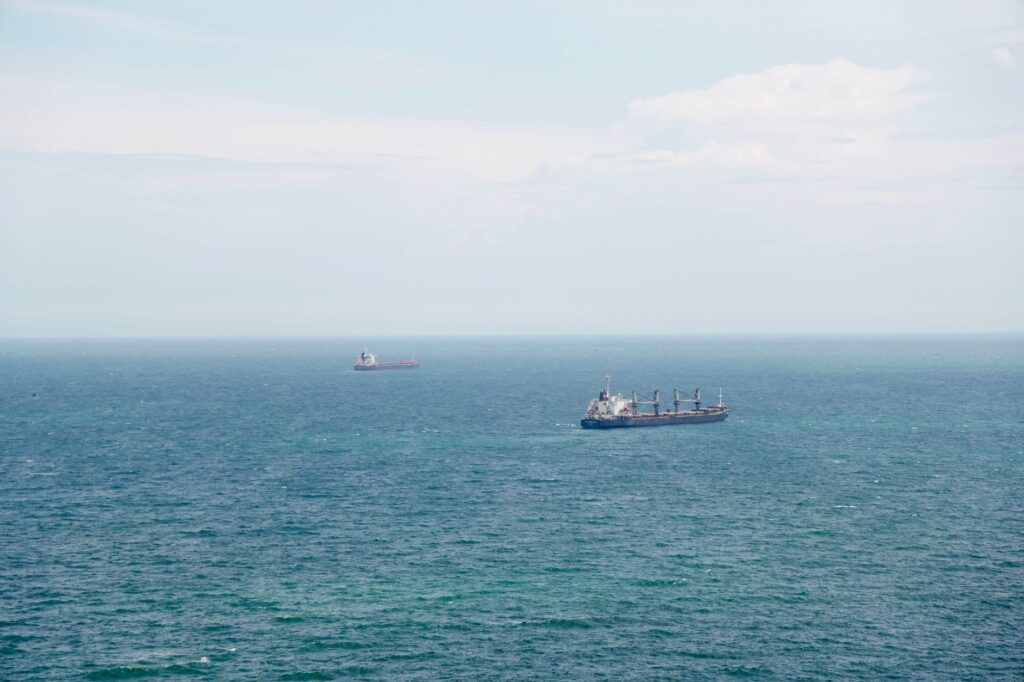
To understand the symbolic magnitude of this technological deployment, one must look toward the waters washing against Port Klang, one of the world’s busiest maritime corridors. For centuries, this aquatic highway has served as a vital artery for trade between East and West, with fleets of Chinese junks, Arab merchants, and European galleons calling at its shores. The selection of this Malaysian port as the stage for the presentation of the ambassador robot reflects its historical status as a cultural melting pot, home to Malay, Chinese, Indian, and indigenous communities.
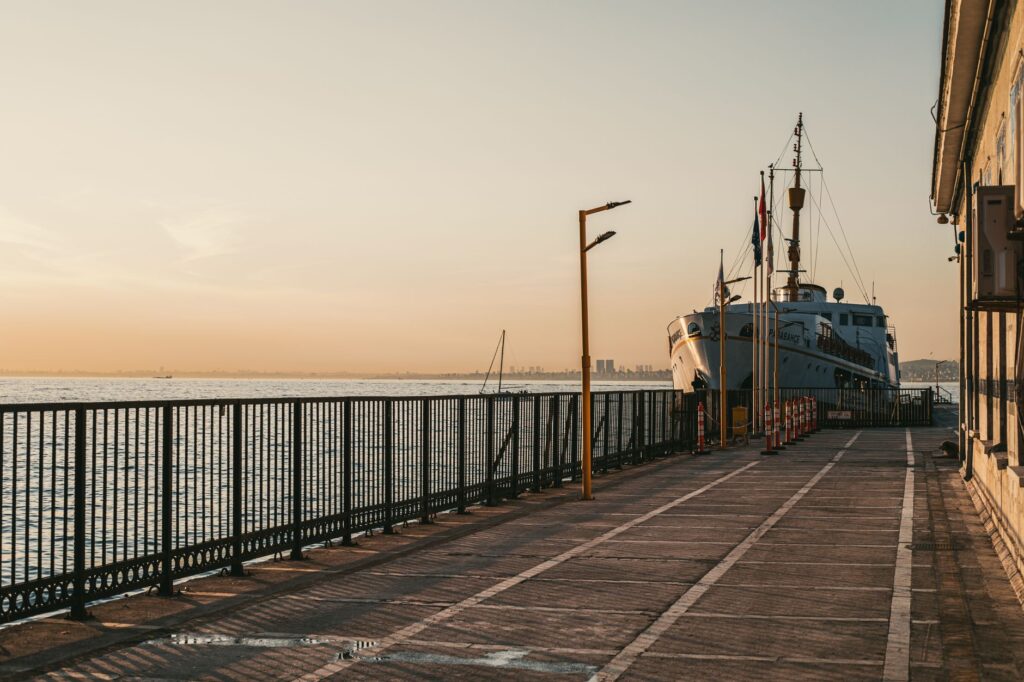
Today, Port Klang operates as the main maritime gateway to Kuala Lumpur and the state of Selangor, welcoming hundreds of thousands of cruise passengers annually. The arrival of the Adora Mediterranea and its unique mechanical crew member adds complexity to this logistical node. Local port authorities have noted that the initiative aligns with efforts to diversify regional tourism offerings, steering visitors away from superficial consumption and encouraging a structured approach to Malaysia’s multicultural diversity through innovative mediums.
The Genesis of the Project: Technology at the Service of Storytelling
The development of the ambassador robot leading operations aboard the Adora Mediterranea is the result of collaborative engineering between Asian robotics laboratories and maritime heritage experts. Equipped with natural language processing capabilities and multilingual databases, the automaton has been programmed to recognize and answer inquiries regarding the history of the maritime Silk Road, local traditions at ports of call, and the ship’s own architecture.
Unlike traditional informational totems or mobile applications crowding smartphone screens, the physical presence of a robot in the ship’s common areas seeks to generate a tactile and visually engaging interaction. The personification of cultural knowledge in a metallic and synthetic structure poses an aesthetic and conceptual challenge, obliging both crew and passengers to rethink who holds the authority to tell a territory’s story.
Life Onboard: Between Fascination and Skepticism
Walking the decks of the Adora Mediterranea during its stay in Port Klang, it becomes evident that the reception of the ambassador robot elicits mixed reactions among passengers. While younger travelers and technology enthusiasts applaud the agility with which the automaton delivers historical data in seconds, more traditional crew members and maritime historians express caution regarding the potential banalization of complex narratives.
Project promoters insist that the robot is not intended to replace human tour guides, but to act as a catalyst sparking travelers’ curiosity prior to shore excursions. «The machine opens the door, but the real journey is completed by the person stepping onto the street», reflects a member of the ship’s shore excursion team, emphasizing that the effectiveness of these devices lies in their capacity to complement, never replace, direct human contact with local communities.
Ethical and Operational Challenges in Floating Diplomacy
The introduction of automata as cultural representatives opens a regulatory and ethical debate that major cruise lines are only beginning to explore. Who supervises the veracity of historical data emitted by an algorithm? To what extent are the complex sociopolitical realities of countries like Malaysia oversimplified when filtered through a private company’s programming?
Sustainable tourism specialists warn that using avatars and robots in heritage contexts risks turning culture into a sterilized product, devoid of the human tensions, contradictions, and richness defining real life at ports of call. In Port Klang, where multicultural coexistence is a daily and sometimes delicate process, delegating the representation of that identity to a machine demands extreme rigor in content curation and constant supervision by local experts.
Economic and Tourism Impact on the Local Fabric
Beyond the technological novelty, the Adora Mediterranea’s call and the presence of its digital ambassador have tangible repercussions on Selangor’s economy. Malaysia’s tourism authorities have observed increased interest in themed excursions centered on local maritime heritage, driven by passengers’ prior interactions with the robot during navigation.
However, local merchants and small tour operators in Port Klang maintain a cautious stance. While they celebrate the steady flow of cruise visitors disembarking, they point out that the real challenge lies in channeling that flow toward traditional markets, craft workshops, and family-run restaurants, ensuring that the economic benefits of cruise tourism percolate equitably throughout the community beyond major organized circuits.
Practical guide
- How to get there: Port Klang is located approximately 40 kilometers west of Kuala Lumpur. It is accessible from the Malaysian capital via the KTM Komuter suburban train service or by road via the Federal Highway.
- Cruise season: The region experiences a steady flow of tourist vessels year-round, although the months between November and March typically register higher activity due to favorable weather conditions in the Strait of Malacca.
- Recommended excursions: Guided tours are organized from the passenger terminal to Klang’s historic quarter, known for its British colonial architecture and local gastronomy, highlighted by the traditional Bak Kut Teh herbal soup dish.
- Documentation and requirements: International travelers disembarking at Port Klang must comply with Malaysia’s immigration regulations, including presenting a passport valid for at least six months and, where applicable, the digital arrival card required by federal authorities.
The Sea’s Reflection: The Future of Cultural Mediation
When the Adora Mediterranea weighs anchor and ventures once more into the deep waters of the Strait of Malacca, leaving behind Port Klang’s bustling industrial profile, the wake it carves upon the sea seems to symbolize the speed with which our world navigates toward new digital horizons. The ambassador robot, motionless at its charging station as the vessel sways with the swell, remains a tangible reminder that culture and technology no longer march on separate paths.
Ultimately, the success or failure of initiatives like this will not be measured by the sophistication of their circuits or the precision of their responses, but by their capacity to remind us of our shared humanity. As coastal communities continue to see in every cruise ship an opportunity to share their unvarnished history, technology will fulfill its noblest promise: serving as a bridge so we may recognize ourselves in the gaze of another, whether made of flesh and bone or polished silicon.
Source in EN: Data Portuaria (https://news.google.com/rss/articles/CBMisAFBVV95cUxQN1hneXNkMVdyNm42MEhVTGlwajlSbjJtZi1CYXhKenNHelZhWkJkMmJ6b3dRcUhyb2N6anJlWlV3VDdCU1BGTTVHQnU3QzY3REtaT24temtUYmVZQ1RZbG5YdWdXdVhRWDkwT0o4cTdPRlRSZVNOQ1lxZFJTNU9HR0s2QzJrS3BpcHFuVVZIRHVKUHRfcnZodTJDTDk1NUtZRTJGQmhNbU12MHFTLUd1cw?oc=5)