The Awakening of a Giant for Independent Travel
April 2026 has solidified its place as a turning point in contemporary travel trends, marked by a growing interest in destinations that challenge the crowded routes of Europe and Southeast Asia. Solo exploration of Central Asia—a region that for decades remained under the radar of mass tourism due to bureaucratic and transportation complexities—stands today as one of the most stimulating frontiers for independent travelers. This editorial report analyzes the 17-day journey undertaken by travel specialist Kate McCulley through Kazakhstan, Uzbekistan, and Tajikistan, three nations that, while sharing a common Silk Road and Soviet past, offer profoundly diverse geographical and cultural realities.
Traveling solo through these latitudes not only tests a traveler’s adaptability but also serves as a barometer to evaluate the development of local infrastructure and social openness toward international tourism. Far from the clichés of isolation that often cloud Western perceptions of this region, the journey reveals a dynamic territory where modern high-speed rail systems coexist with the timelessness of the steppes and the ancestral hospitality of mountain communities.
The Silk Road Renaissance: Geopolitical and Tourism Context
To understand the relevance of this journey in 2026, it is imperative to analyze the context of Central Asia. After years of visa reforms—where Uzbekistan and Kazakhstan have led the way by removing consular barriers for dozens of nationalities—the region has experienced a transition from purely expeditionary travel to a structured, accessible cultural tourism. Sustainability has become the backbone of this transition, driven by the urgent need to preserve fragile ecosystems such as the Aral Sea basin and the Pamir and Tian Shan mountain ranges.

Overland mobility has emerged as the preferred alternative to internal flights, not only for reducing the carbon footprint but also for the deep cultural immersion it fosters. The railway, an heir to Soviet planning networks but significantly modernized, now connects major capitals with historic oasis towns, allowing for a smooth transition between urban bustle and desert landscapes.
Kazakhstan: Between Almaty’s Urban Vanguard and the Infinite Steppe
The itinerary began in Almaty, the former capital of Kazakhstan and the country’s undisputed cultural hub. Almaty presents itself to the traveler as a green anomaly in the middle of the steppe: an orderly urban grid of wide avenues lined with towering poplars, with the Trans-Ili Alatau mountain range serving as a permanent backdrop. Mobility in Almaty stands out for its accessibility, combining an efficient metro system decorated with national motifs with a public transport network that facilitates access to suburban natural attractions like the Charyn Canyon or Big Almaty Lake.
The urban experience in Kazakhstan is characterized by fluent bilingualism between Kazakh and Russian, alongside a growing adoption of English among the younger generations. For the solo traveler, the city offers a safe and technologically advanced environment where digital transactions and ride-hailing applications are the daily norm, facilitating a comfortable transition to more complex environments later in the journey.

Uzbekistan and the High-Speed Rail Revolution
The journey continued south, crossing the border into Uzbekistan, the architectural and historical heart of the region. If Kazakhstan represents the vastness of space and urban modernity, Uzbekistan is the living testimony of the Timurid dynasties and transcontinental trade. The great revelation in terms of infrastructure and sustainable mobility in this country is the Afrosiyob, the Spanish-built (Talgo) high-speed train connecting Tashkent, Samarkand, and Bukhara.
This rail service has completely transformed the travel experience in the country, reducing journeys that once took full days on rugged roads to comfortable trips of just a couple of hours. Traveling on the Afrosiyob is not only an exercise in efficiency but also in sustainability, minimizing environmental impact in a region historically vulnerable to climate change.
Traveling solo through Central Asia is not merely an exercise in geographical exploration, but a continuous dismantling of Western preconceptions regarding safety and hospitality.
In Samarkand, the Registan Square stands as the ultimate monument of Islamic architecture. Its three monumental madrasahs, clad in blue majolica tiles that reflect the desert light, demand a slow pace from the traveler. Bukhara, on the other hand, preserves a medieval urban layout where ancient caravanserais and trading domes still house local commerce, allowing visitors to understand how the movement of camel caravans paved the way for contemporary travel flows.
Tajikistan: The Vertical Majesty of Valleys and Mountain Ranges
The third chapter of this 17-day journey brought the author to Tajikistan, the most mountainous country in the region, where over ninety percent of the territory is covered by rugged peaks. The transition from Uzbekistan to Tajikistan represents a radical shift in the pace and style of travel. Here, high-speed highways and modern trains give way to winding mountain passes and shared off-road vehicles, known locally as marshrutkas or collective jeeps.
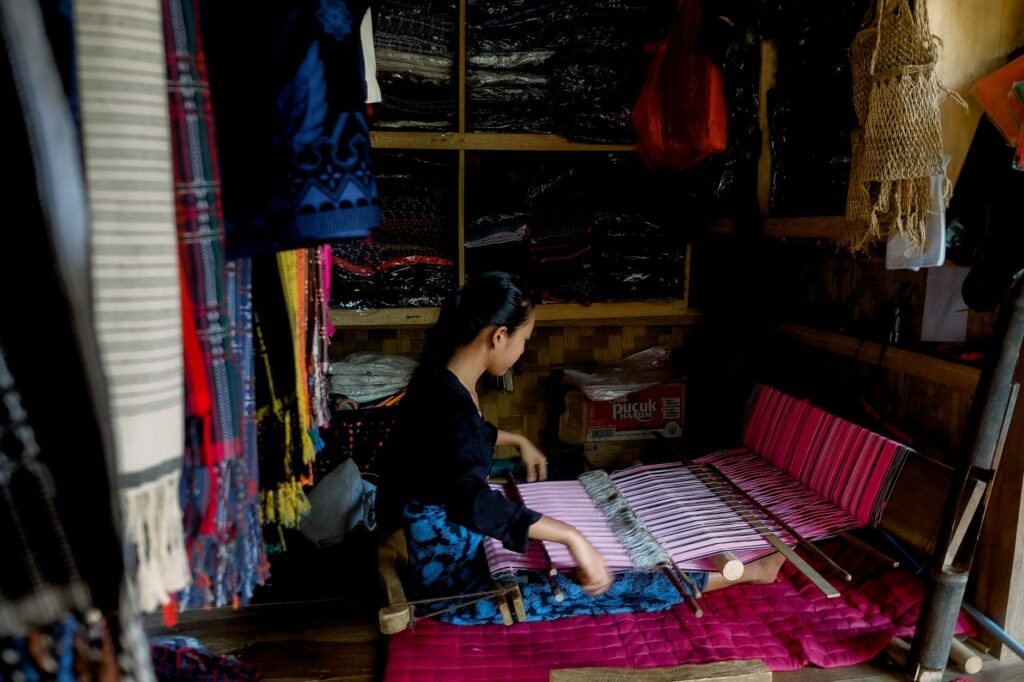
Accessing the Fann Mountains and turquoise alpine lakes like Iskanderkul requires meticulous planning and a high tolerance for unexpected delays. However, the reward is a landscape of breathtaking beauty and human contact of a purity hard to find in more commercialized destinations. In Tajikistan, hospitality is not a tourism marketing strategy, but a deeply rooted code of honor within Persian-Tajik culture.
Safety and the Reality of Solo Female Travel
One of the most relevant aspects of Kate McCulley’s chronicle is the demystification of Central Asia as a hostile destination for solo female travelers. Historically, the lack of information in Western media has generated an erroneous perception of insecurity in post-Soviet countries. The reality on the ground flatly contradicts these prejudices.
Female travelers traversing Kazakhstan, Uzbekistan, and Tajikistan consistently report high levels of personal safety. Street harassment is remarkably low compared to other global destinations, and the social structure, though conservative in rural areas, displays profound respect for foreign visitors. The key to a successful experience lies in mutual respect, adapting to local dress codes at religious sites, and utilizing digital translation tools to bridge language barriers.

Sustainability and the Future of Regional Tourism
The tourism boom in Central Asia raises crucial questions about the future of its sustainable development. The fragile water balance of the region, evidenced by the ecological catastrophe of the Aral Sea, demands that tourism growth be managed under strict conservation criteria. Community-Based Tourism (CBT) initiatives in Tajikistan and Kyrgyzstan stand out as exemplary models, allowing tourism revenue to directly benefit local families without drastically altering their traditional ways of life.
The introduction of the Afrosiyob high-speed train proves that sustainable infrastructure development can seamlessly coexist with the preservation of ancient heritage.
Furthermore, electrifying railway lines and promoting low-impact trekking routes are indispensable steps to ensure that the natural heritage of the steppes and mountains is not degraded by the increased influx of visitors expected throughout the late 2020s.
Practical Guide for a 17-Day Journey
For travelers inspired by this April 2026 journey, logistical planning is the cornerstone of a successful trip. Below are the key aspects to consider for a similar itinerary:

- Visas and Documentation: Most Western nationalities enjoy visa-free entry for short stays in Kazakhstan and Uzbekistan. For Tajikistan, it is necessary to process an e-Visa in advance, ensuring you include the special permit if you plan to travel through the Gorno-Badakhshan Autonomous Region (GBAO).
- Internal Transport: It is crucial to book tickets for the Afrosiyob train in Uzbekistan several weeks in advance through the official Uzbek Railways website, as demand consistently outstrips supply. For mountain routes in Tajikistan, hiring experienced drivers with four-wheel-drive vehicles is highly recommended.
- Connectivity and Finances: Purchasing local SIM cards in each country (eSIMs are an excellent and convenient option) is advised to maintain mobile data for navigation and ride-hailing apps. While credit card acceptance is expanding rapidly, cash remains indispensable in traditional bazaars and rural Tajikistan.
Reflections on a Transformative Journey
The chronicle of this 17-day journey through Central Asia in April 2026 reminds us that the true value of travel lies in the willingness to explore the unknown with an open and respectful mind. Kazakhstan, Uzbekistan, and Tajikistan are not mere relics of the past or satellites of former empires; they are vibrant nations redefining their identity on the global stage through a thoughtful opening to the world.
For the solo traveler, this region offers an unparalleled space for personal growth, where the vastness of the geography is beautifully matched by the warmth of its people. At the end of the road, the traveler returns not just with images of turquoise domes and snowy peaks, but with the certainty of having witnessed one of the most fascinating chapters in contemporary travel history.
Source: Adventurous Kate