The Coromandel Coast and Its Timeless Pulse
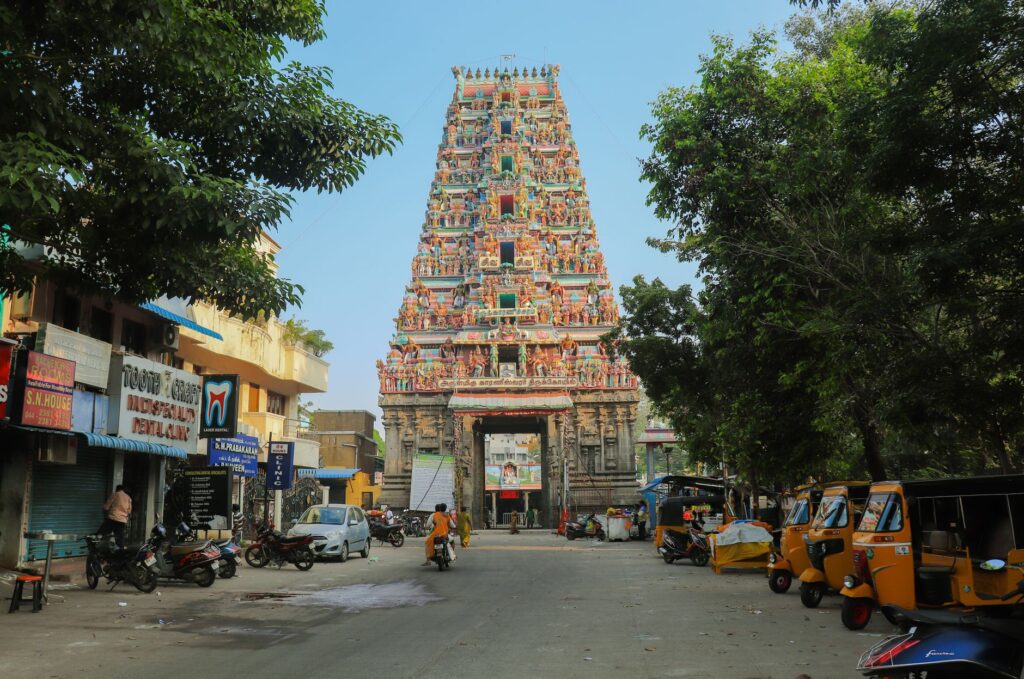
On the southeastern edge of India, the coastal metropolis of Chennai displays a vitality that extends far beyond its commercial arteries and bustling urban junctions. Along the Coromandel coast, the capital of Tamil Nadu preserves pockets where time seems to slow down, offering a leisurely reading of well-being and daily life. Far from rapid transit routes, neighborhoods like Mylapore function as the cores of an urban experience where spirituality is not merely visited, but inhabited with natural grace.
The streets surrounding the Kapaleeshwarar Temple reveal a social fabric where ancient practices of healing and personal equilibrium coexist with the daily routine of millions of residents. Here, the concept of wellness does not respond to the commercial offering of a modern resort, but rather to a philosophy of life transmitted across generations, centered on connection with the environment, physical health care through traditional disciplines, and respect for natural rhythms of light and tropical climate.
The Ephemeral Art of Kolam on Morning Thresholds
Every dawn, before the heat of the day intensifies, the entryways of traditional houses in Mylapore transform into ephemeral canvases. Using white rice flour or colored mineral powders, women draw geometric patterns known as kolams. This daily gesture, repeated in thousands of Chennai homes, serves a dual purpose: welcoming prosperity and feeding small insects and birds, while acting as a form of active meditation that requires concentration, precision, and mental calm at the start of the day.
Observing this daily ritual makes it clear that wellness in this corner of India is a collective and spatial practice. The designs are not meant to endure, but to be renewed every morning, teaching those who draw and contemplate them the value of impermanence and mindfulness in the simplest acts. The sacred geometry traced on the threshold marks the boundary between public space and the domestic sanctuary, establishing a harmonious transition that protects the tranquility of the home.
Aromas and Siddha Principles in Local Markets
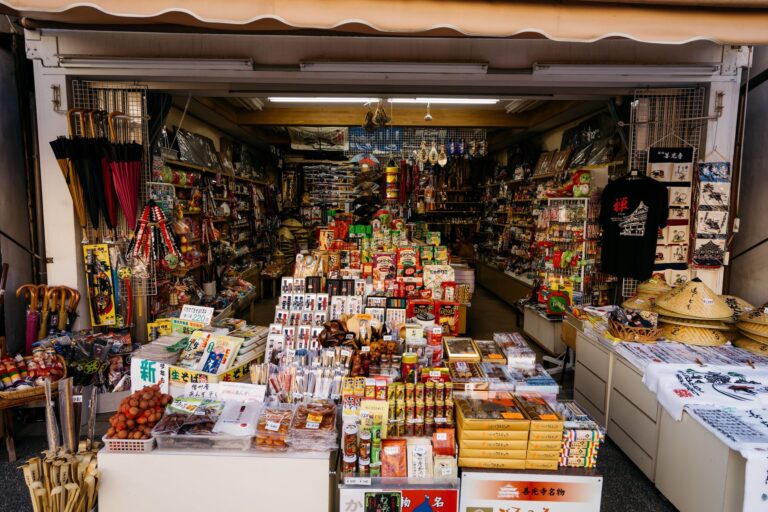
The traditional Siddha medical system, native to this region of southern India, permeates the life of local markets and herbal shops in Chennai. Unlike purely pharmacological approaches, medicinal botany here relies on balancing bodily humors through roots, barks, essential oils, and mineral powders prepared according to centuries-old formulas. In the stalls of the Luz market, local healers and merchants explain the properties of plants such as turmeric, neem, and various peppercorns, which are fundamental in daily diet and preventive care.
This shared knowledge turns cooking and eating into a conscious exercise of self-care. Spices are chosen not only for culinary delight, but for proper thermal and digestive regulation to withstand the humid coastal climate. Visitors who pause to observe these exchanges discover that community health in Chennai rests on a foundation of dietary prevention and accessible home remedies for all social strata.
The Acoustic Refuge of Porches and Interior Courtyards
The traditional architecture of Mylapore, characterized by houses featuring central open-to-sky courtyards and wide pillared porches known as thinnai, responds to both climatic and social needs. These intermediate spaces between the street and domestic intimacy act as thermal regulators and neighborhood meeting points. During peak solar hours, sea breezes circulate through the interiors, reducing the need for artificial air conditioning and encouraging rest.
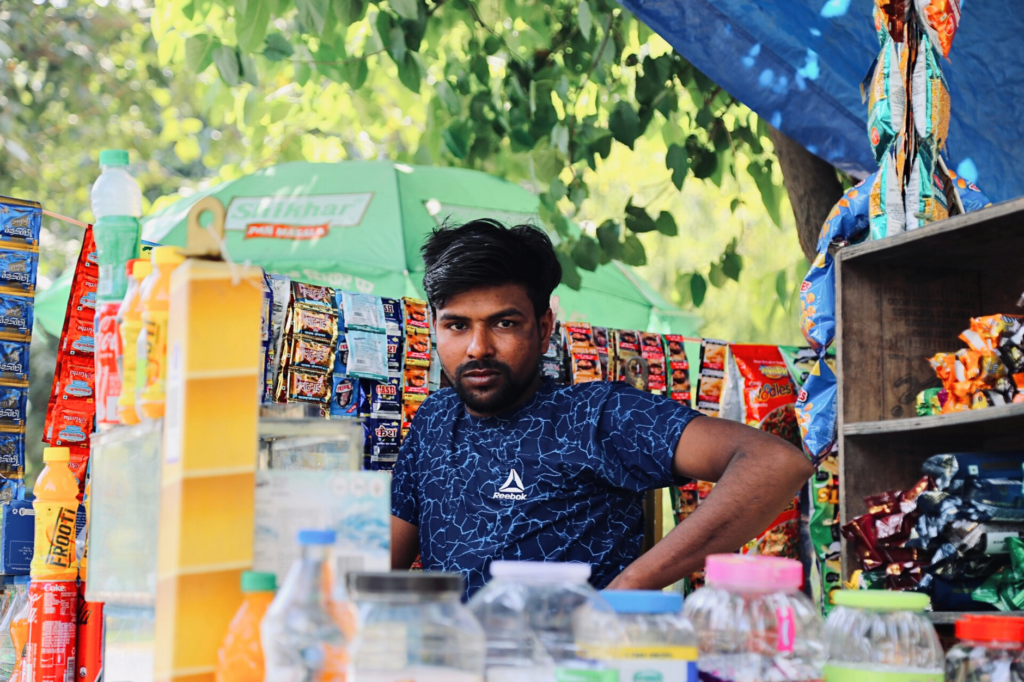
Sitting on a thinnai allows one to hear the street murmur filtered through carved wooden columns and lattice screens, an acoustic environment that contrasts with modern traffic noise. This architectural design fosters a leisurely form of coexistence where neighbors share news, stories, and moments of reflection in the shade. The very structure of the Tamil home prioritizes natural ventilation and community living, which are essential elements for emotional and physical balance.
Wellness in Chennai is not a luxury acquired in exclusive establishments, but an invisible fabric woven across doorsteps, spice markets, and open courtyards to the rhythm of the tropical climate.
Carnatic Music as a Discipline of Listening and Calm
Chennai’s cultural heritage finds one of its core pillars for cultivating the spirit in Carnatic music. During concert seasons or in small neighborhood sabhas (cultural associations), the interpretation of traditional ragas demands deep attention and receptivity from the listener. This classical form of southern India does not seek mere distraction, but rather induces a state of concentration and inner peace comparable to the most refined forms of meditation.
Musicians and students in Chennai dedicate decades to perfecting microtones and complex rhythms, a rigorous effort that imbues the city’s cultural environment with an atmosphere of serene discipline. For the traveler, attending a demonstration or open class in Mylapore’s cultural centers offers an exercise in mental deceleration, learning to value the silence between notes and the subtlety of local artistic expression.
Morning Walks Beside the Temple Tank
At sunrise, the perimeter of the great Kapaleeshwarar Temple tank becomes a gathering place for walkers, gentle stretching practitioners, and neighbors seeking the coolness of early hours. This rectangular body of water, surrounded by granite steps and stairways, reflects the sanctuary’s sculpted gopurams, creating an urban landscape where religious architecture and public space merge in perfect harmony.
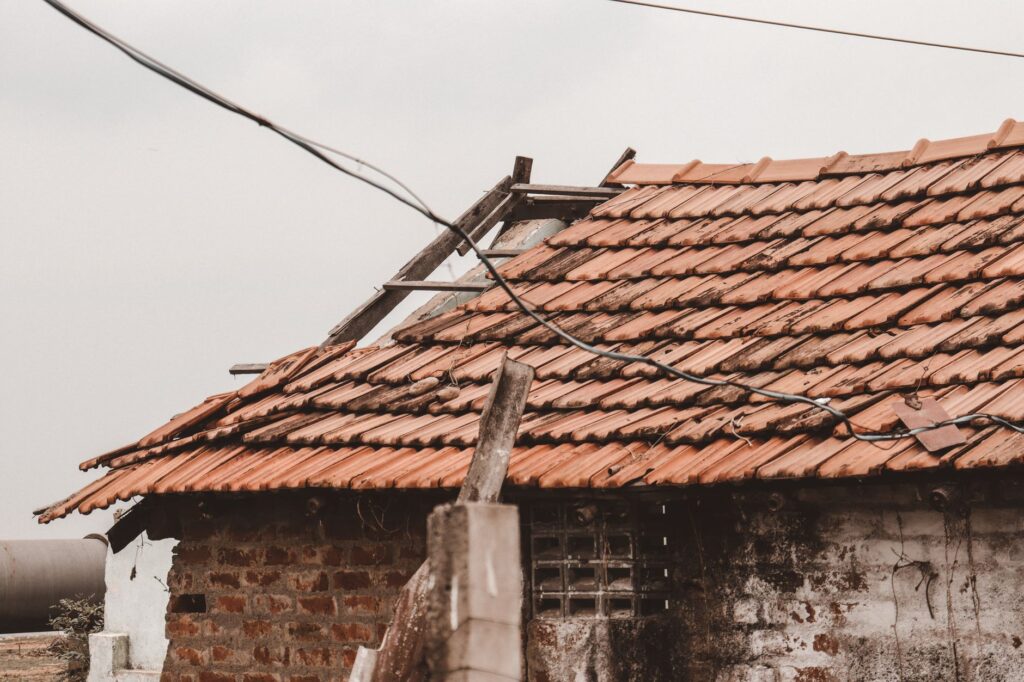
A leisurely walk around the tank, locally known as pradakshina when performed with devotional intent, encourages a routine of light physical activity integrated into daily life. Older residents practice breathing exercises while sunlight illuminates the polychrome sculptures of deities. This urban setting demonstrates how city design can incorporate spaces of contemplation and gentle movement accessible to any respectful citizen or visitor.
Responsible Practices for Visitors in Heritage Settings
The preservation of traditional life in historic neighborhoods like Mylapore depends largely on the attitude of those arriving from outside. Responsible tourism in this context implies observing cultural respect guidelines, such as dressing modestly by covering shoulders and knees, asking permission before photographing individuals or domestic altars, and maintaining quiet behavior inside religious enclosures and during musical or ceremonial performances.
Likewise, supporting the local economy by purchasing traditional handicrafts made by neighborhood artisans and consuming at small family-run establishments ensures that visitor flow directly benefits the resident community. The basic rule for the conscious traveler in Chennai is to integrate into the local rhythm without altering it, adopting an attitude of listening and continuous learning toward a living heritage that continues to evolve with dignity.
Practical guide
Getting there: Chennai International Airport (MAA) is located about twenty kilometers southwest of the historic center and Mylapore, offering prepaid taxi services and suburban rail networks.
When to go: The months from November to February offer the most moderate temperatures and lower humidity, ideal for exploring neighborhoods on foot during early morning hours.
Accommodation: Travelers are advised to choose traditional guesthouses or small family hotels in quiet residential areas to experience local architecture and neighborhood life firsthand.
Getting around: Short trips within Mylapore are best made on foot, while connecting to other parts of the city can be done using regulated auto-rickshaw services.

Dining: Local cuisine features traditional vegetarian dishes like idli and dosa, served in traditional eateries or tiffin rooms where fresh, local ingredients are prioritized.
The Enduring Echo of Daily Traditions
As evening falls, when oil lamps begin to flicker in small family altars and the day’s heat yields to the sea breeze, Chennai recovers a profound placidity. Wellness in this territory is not measured by grand infrastructure or isolation retreats, but by the ability to keep alive a network of daily gestures honoring health, community, and shared time. In sandy courtyards and jasmine-scented air, life moves forward with the certainty that balance is a daily task cultivated step by step, with respect and memory.