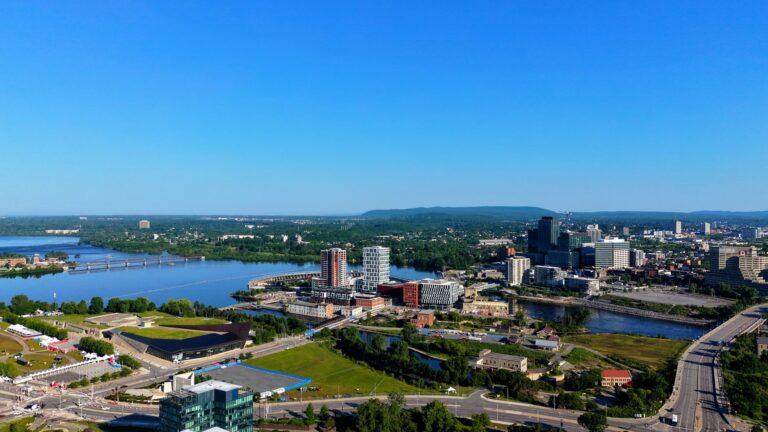
Brooklyn, United States: Neighborhood Identity and Brick Architecture Defining the New York Pulse
Introduction to the Historical Pulse of Brooklyn
Situated east of Manhattan across the iconic East River, the borough of Brooklyn represents one of the urban settlements with the highest density of history, cultural diversity, and architectural character in the United States. With a population exceeding two and a half million residents, this territory has evolved from its origins as a Dutch colonial farming settlement into a global benchmark of community identity. Far from the frantic pace of neighboring financial districts, daily life in this American municipality unfolds along tree-lined streets, historic squares, and waterfronts that preserve the traces of centuries of transformation.
An analysis of its territory reveals a complex urban fabric where nineteenth-century industrial heritage coexists with contemporary public reclamation projects. Walking through its neighborhoods reveals that the New York identity is not a homogeneous block, but rather the result of multiple migrations, culinary traditions, and civic decisions that shape the daily routines of its residents. In this report, we will examine the fundamental axes that structure its heritage, architecture, and commitment to urban sustainability across various neighborhoods.
Colonial Origins and the Weight of Dutch Memory
The foundations of the current district date back to the seventeenth century, when European settlers established small agricultural outposts along the western coast of Long Island. The original toponym, derived from the town of Breukelen in the Netherlands, reflects the imprint of those early inhabitants who adapted wetlands and prairies to a subsistence farming model. As decades progressed, the territory underwent various administrative transformations before consolidating as an independent city prior to its definitive consolidation with New York at the end of the nineteenth century.
Today, some vestiges of that initial layout survive in the arrangement of certain streets and in the nomenclature of historic buildings. The collective memory of those early times is not displayed solely in specialized museums, but remains integrated into the urban fabric, reminding us that the development of the area responded to a constant need for adaptation in the face of the geographical and commercial changes of the Atlantic coastline throughout generations of local governance.
Residential Architecture and the Aesthetics of Brick Masonry
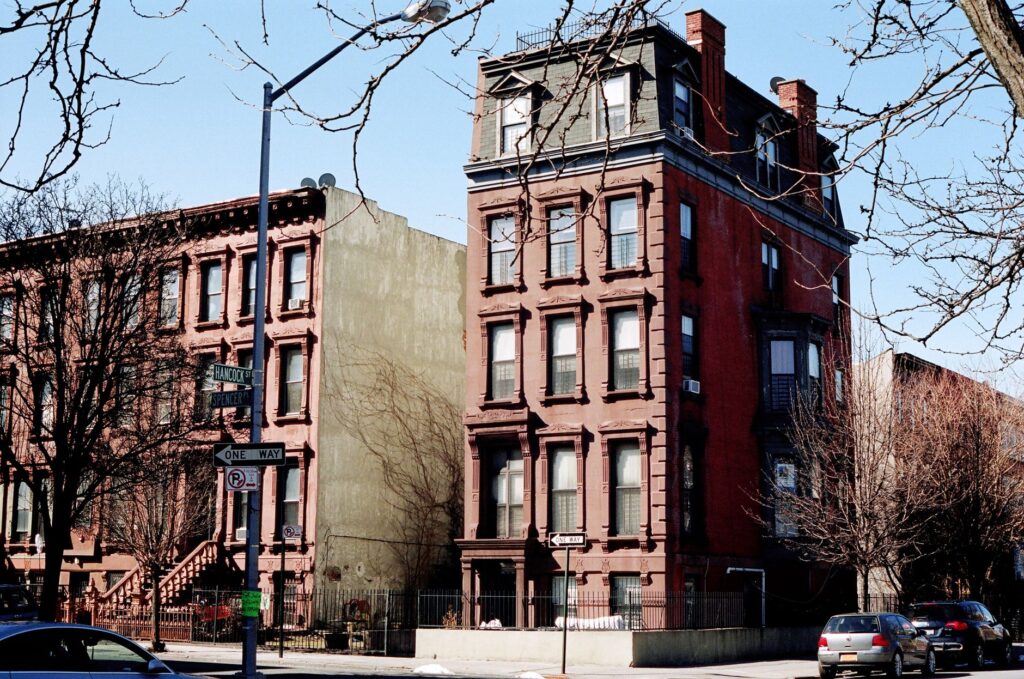
One of the most distinctive visual elements of the urban landscape is the massive use of fired brick and brownstone in residential buildings known locally as brownstones. These structures, erected primarily during periods of nineteenth-century expansion, define the aesthetic of entire neighborhoods, providing a uniform and warm texture that contrasts with the steel and glass skyscrapers of other metropolitan areas.

The preservation of these historical facades requires considerable technical and economic effort from current owners and municipal authorities. Preservation regulations seek to protect ornamental details, wrought-iron cornices, and front access staircases, elements that give residential neighborhoods a human scale and a sense of temporal continuity rarely found in major North American cities.
Life in the Squares and the Commercial Pulse of Neighborhoods
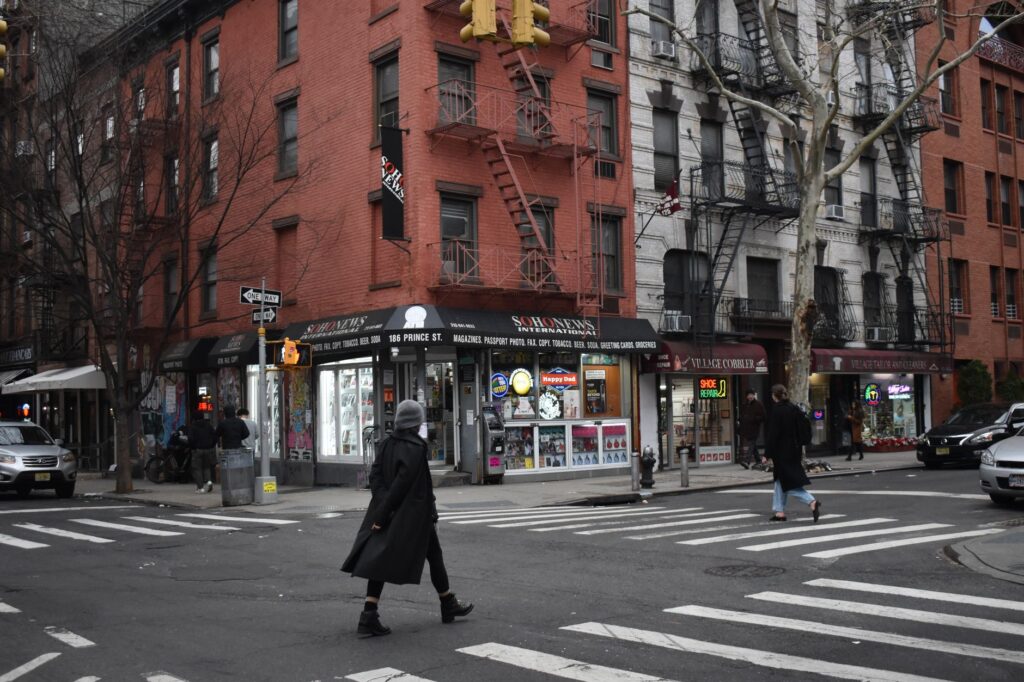
Beyond its monumental architecture, the vitality of the area rests on its network of public spaces and neighborhood markets. Tree-lined squares and riverfront promenades function as intergenerational meeting points, where residents engage in outdoor activities, organize local produce fairs, and participate in community cultural initiatives.
Proximity commerce plays a crucial social cohesion role. Traditional bakeries, independent bookstores, and small craft workshops resist the pressure of large retail chains, offering goods and services tailored to the daily needs of the neighborhood. This commercial fabric fosters a more conscious consumption model rooted in the territory.
The value of a great city lies not only in its capacity to innovate toward the future, but in the firmness with which it protects the everyday stories that give meaning to its streets.
Decisions made by neighborhood collectives have successfully transformed former port warehouses into cultural centers and public parks with free access, demonstrating that urban regeneration can be achieved without destroying the historical legacy accumulated over generations.
Riverside Ecosystems and Recovered Natural Spaces
The physical geography of the area is deeply marked by its relationship with water. The industrial docks that sustained the maritime economy of New York State during the past century have undergone a profound ecological and recreational metamorphosis. Former cargo depots have been converted into artificial wetlands and coastal parks that foster local biodiversity.
These green spaces play an essential function in mitigating urban environmental impact, offering ecological corridors for migratory birds and environmental education spaces for regional schools. The responsible management of these coastlines ensures that demographic growth does not compromise the health of surrounding aquatic ecosystems.
Contemporary Challenges Facing Demographic Growth
The constant population increase poses complex challenges in mobility, housing, and energy sustainability. Local authorities and community organizations continuously debate how to balance real estate development with the protection of existing heritage and the prevention of accelerated gentrification.
Public transportation planning, based on a consolidated network of subway lines and bicycle lanes, seeks to reduce dependence on private vehicles, thereby lowering pollutant emissions and improving air quality across different neighborhoods. Citizen participation in these decision-making processes is essential to ensure equitable growth.
Responsible Practices for the Mindful Visitor
For travelers interested in exploring this American territory from a respectful perspective, it is recommended to prioritize public transport use, consume at locally managed establishments, and respect coexistence regulations in public and residential spaces. Sustainable tourism implies understanding that each neighborhood has its own rhythm and community rules.
Supporting independent cultural initiatives and participating in guided tours led by local experts are effective methods to engage with social reality without altering the daily dynamics of those who permanently inhabit the area.
Additional Practices for a Balanced Urban Exploration
Respect for the built and natural environment in this area of the United States also entails meticulous attention to the small details of daily coexistence. Visitors can contribute positively by reducing the use of single-use plastics, choosing establishments that promote the circular economy, and participating in community activities focused on urban cleaning and green maintenance when local schedules allow.
Likewise, the responsible dissemination of tourism experiences through digital platforms helps prevent the overcrowding of fragile spaces, diverting visitor flows toward less congested corridors that are equally rich in historical and cultural heritage. Active collaboration between residents and visitors is the key to preserving the authenticity that characterizes every corner of the municipality.
Practical Guide
How to get there: It is easily accessible from anywhere in New York City via the extensive subway and bus network managed by the metropolitan transportation authority.

When to visit: Spring and autumn months offer optimal weather conditions for walking through different neighborhoods and coastal parks without the extreme temperatures of summer or winter.
Accommodation: There are multiple lodging options in small independent hotels and local guesthouses that promote low environmental impact practices.
Gastronomy: Local markets and family-run restaurants offer a wide culinary variety that reflects the historical multiculturalism of the municipality.
Visual Conclusion on the East River Skyline
As dusk falls, the silhouette of historic bridges outlined against the twilight sky offers one of the most iconic postcards of the North American continent. Far from being a mere cinematic backdrop, this landscape reflects the superposition of human efforts, collective memories, and daily decisions that continue to build the enduring identity of this American community.