Mikkeli is not a city you walk through with a checklist of monuments in hand. In the heart of South Savo, on the shores of Lake Saimaa, this regional capital of roughly fifty thousand people organizes its cultural life around squares, libraries, markets and modest concert halls. Travelers looking for Finnish art in its most everyday form will find a place where creation is not staged as spectacle but woven into the routine of a provincial city that has learned to sustain its identity with its own resources.
The question guiding this journey is simple: how does a small inland Finnish city keep an artistic scene alive without depending on the big metropolitan circuits? The answer, as so often in Finland, has less to do with grand gestures than with the quiet infrastructure of libraries, music schools, regional museums and exhibition spaces that operate all year round.
A square that orders cultural life
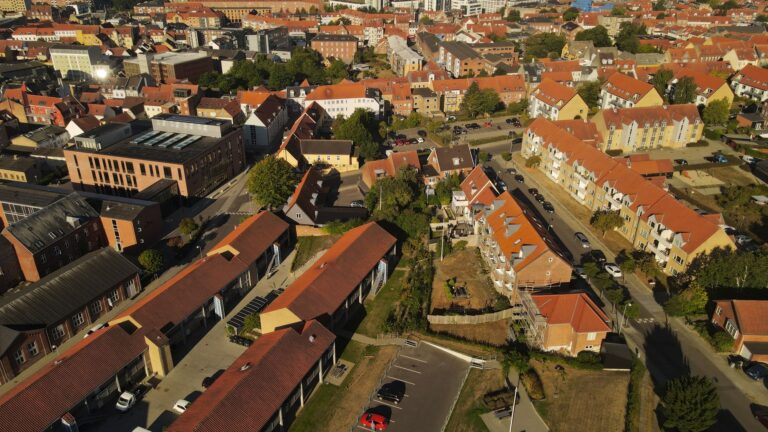
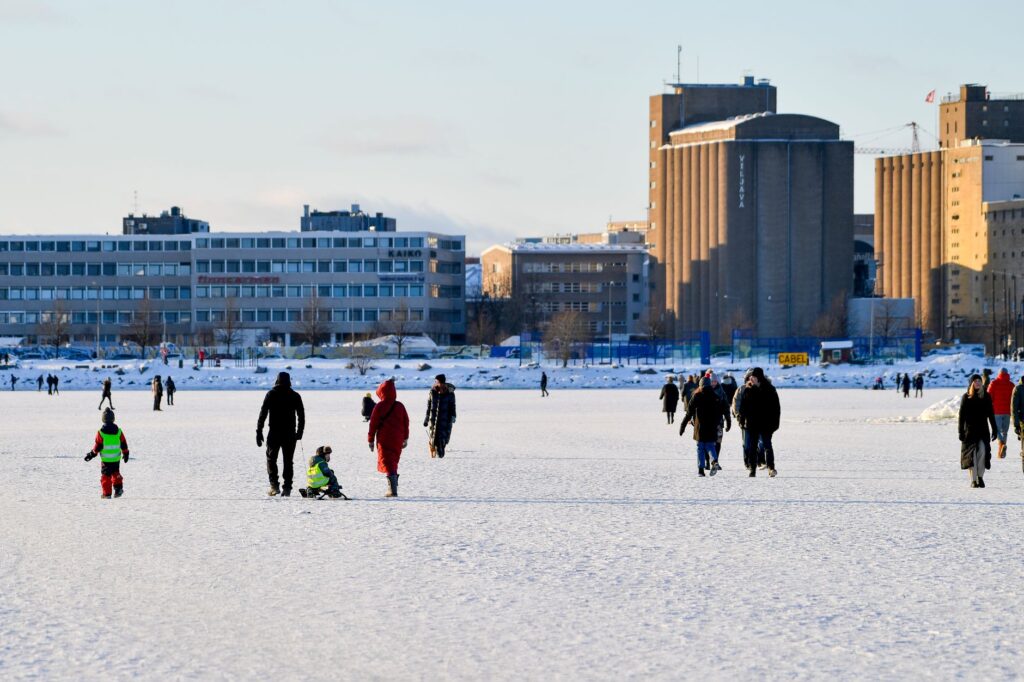
Central Mikkeli is organized around its market square, an open space whose character shifts with the seasons. In summer, stalls selling strawberries and crafts share the ground with pedestrians; in winter, snow erases the edges and activity moves indoors. That seasonal alternation is not a picturesque detail: it sets the rhythm of local cultural life, which concentrates in the warmer months and retreats into enclosed spaces during the long winter.
Around the square cluster administrative buildings, shops and cultural facilities that give the city its recognizable face. The scale is walkable and the center can be crossed in under half an hour, which makes a visit without a car and without haste entirely feasible.
Post-war heritage as an urban archive
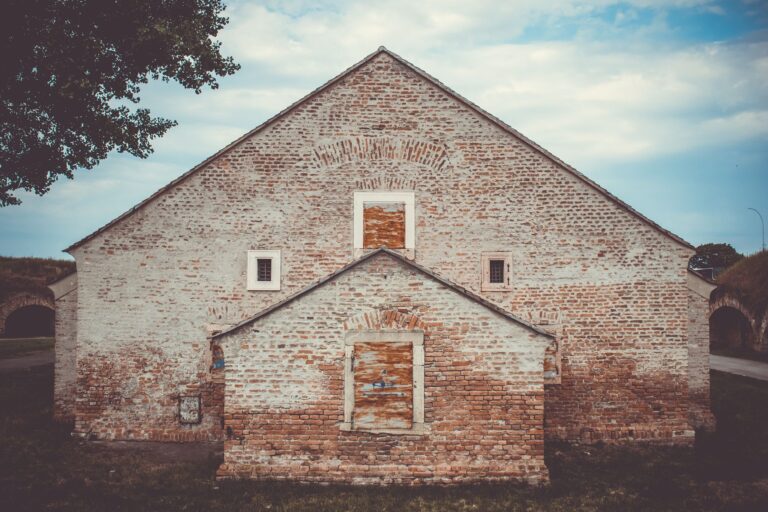
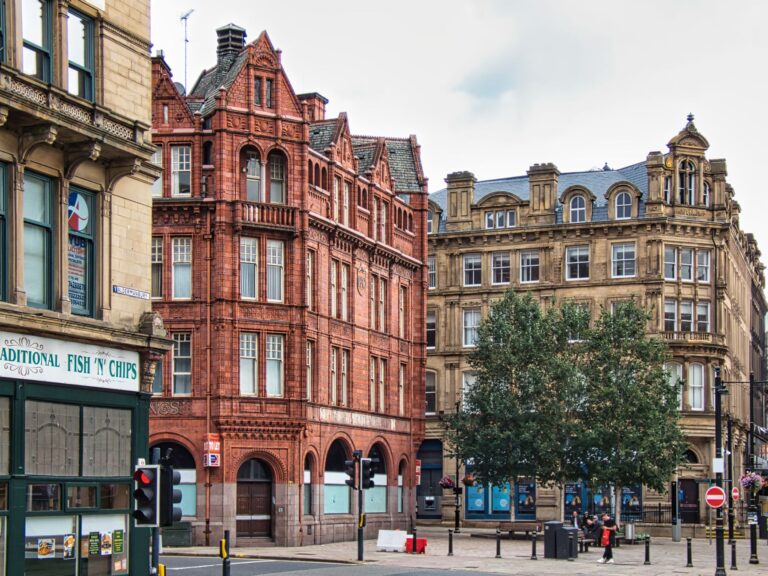
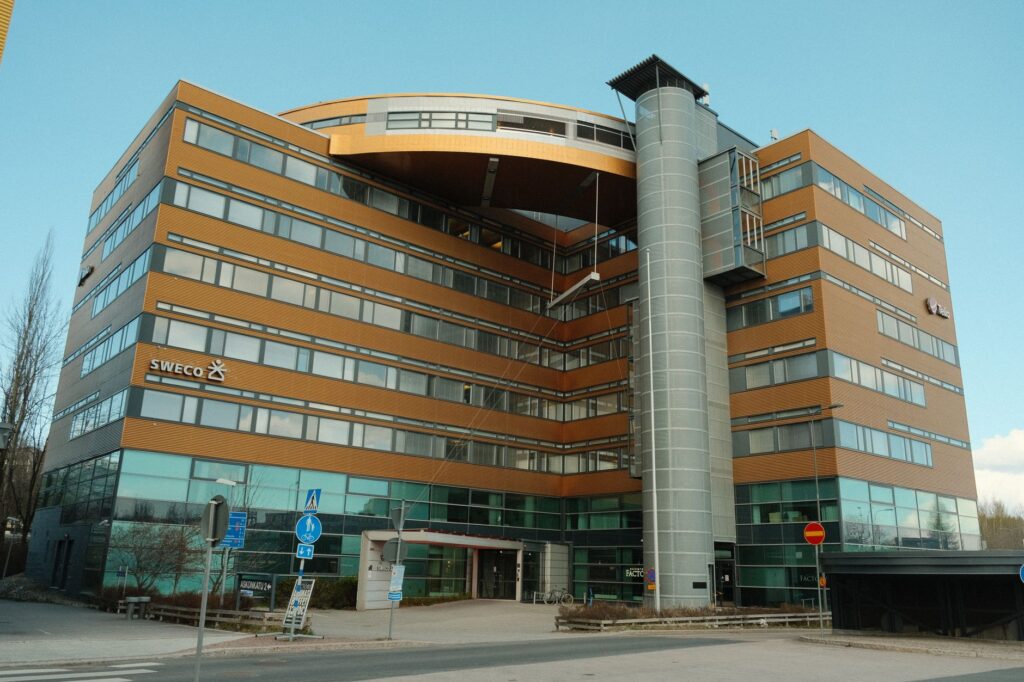
Much of present-day central Mikkeli was rebuilt after the Second World War, following damage sustained during the conflict. That historical layer explains the presence of sober functionalist architecture, with clean lines and discreet materials, now being reassessed as part of Finland’s urban heritage. These are not monumental buildings but a coherent fabric that gives the city a distinct personality.
For visitors interested in architecture, the lesson is useful: in Finland, heritage is not always concentrated in cathedrals or castles. It is often read on the facades of civic buildings, schools, libraries and public facilities constructed with austerity and function in mind.
In a small city, art does not compete with daily life: it organizes it.
The library as a cultural center
Finnish public libraries are far more than book depositories. In Mikkeli, as elsewhere in the country, they function as meeting places, reading rooms, digital access points and venues for cultural activities across generations. For travelers, stepping into a local library is one of the most direct ways to understand how Finnish cultural life is organized outside tourist circuits.
The regional library network of South Savo serves scattered municipalities and plays a role in territorial cohesion. That public, free-of-charge dimension is a key to interpreting contemporary Finnish culture: access to information and creation is understood as a right, not a privilege.
Regional museums and local memory
The South Savo regional museum, based in Mikkeli, preserves and documents the province’s history: from rural life and traditional trades to the twentieth-century episodes that shaped the region. Its collection helps explain how the identity of a borderland and forested area was built, and why local memory occupies such a central place in Finnish culture.
Visiting these museums requires some patience: opening hours can vary by season and should be checked before setting out. That planning is part of the experience in a region where cultural tourism is not overcrowded and resources are managed with care.
Music, schools and artistic training
Finland maintains an extensive network of music schools that reaches mid-sized cities such as Mikkeli. That educational infrastructure explains the presence of choirs, bands and local ensembles performing in halls and public spaces throughout the year. Travelers who happen upon a concert or a school performance will find a modest but active scene sustained by institutions rather than by the entertainment industry.
For those with an interest in arts education, the recommendation is to observe how schools, libraries and concert halls connect within a single ecosystem. That continuity between training and practice is one of the most distinctive features of the Finnish cultural model.
The landscape as artistic material
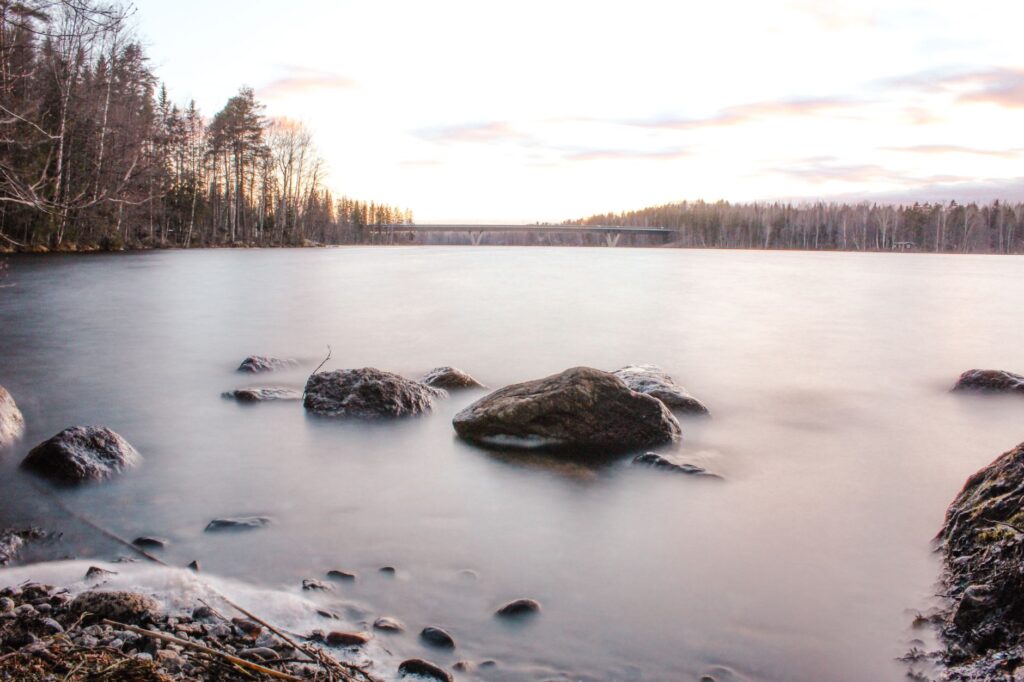
Lake Saimaa and the forests around Mikkeli are not merely a backdrop: they are a cultural material running through Finnish painting, literature and music. The relationship with nature, marked by extreme seasons and long periods of light and darkness, has shaped much of the country’s artistic sensibility.
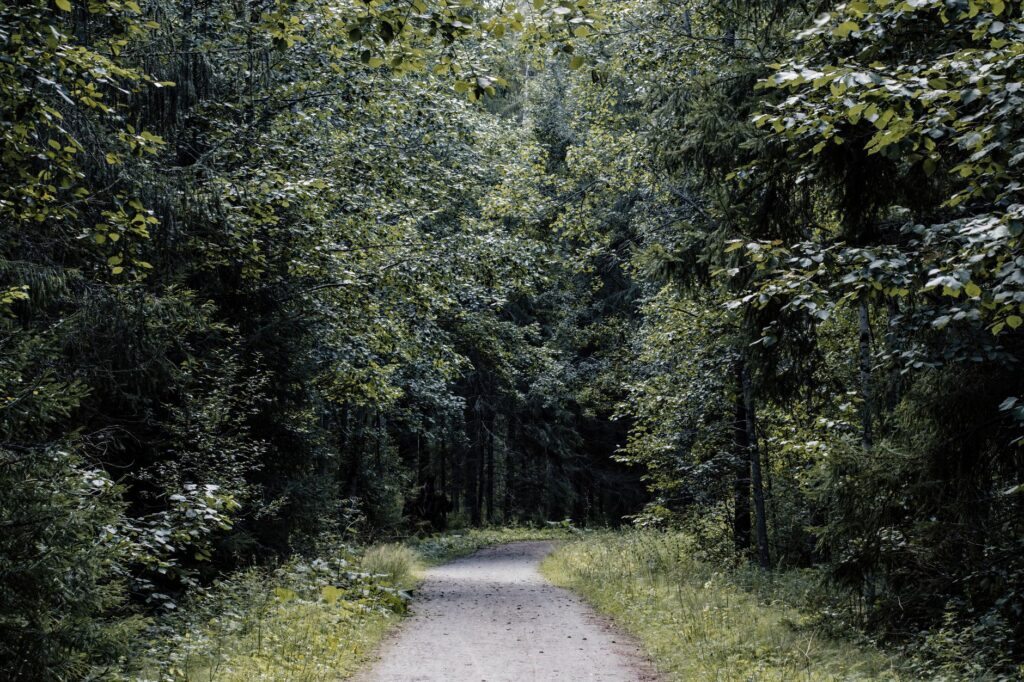
For visitors, that relationship is experienced by walking. Lakeside trails, recreation areas and public access routes make clear why landscape holds such a central place in local culture. It is advisable to learn about Finland’s right of public access, which combines freedom of movement with responsibility toward the environment.

Provincial Finnish art is better understood by walking than by looking.
Craft and trades in the Savo region
The craft tradition of South Savo includes woodwork, textiles and everyday objects sold at local markets and fairs. These are not mass-produced souvenirs but pieces made by small workshops that keep techniques passed down between generations. Buying in these contexts means asking about origin and process, and accepting that production is limited.
The market square and seasonal fairs are good starting points for observing this output. Bring cash and respect local hours, which tend to concentrate activity in the mornings.
How to visit without damaging the context
Mikkeli is not a mass destination, and that calls for proportionate behavior: respecting public spaces, not intruding into residential areas and adjusting expectations to a small-scale city. Local culture is sustained with limited resources, and responsible visiting helps keep it going.
It is also useful to remember that many cultural activities are announced in Finnish and on municipal websites. Checking those sources before traveling gives access to programming that does not appear on standard tourist routes.
Practical guide
- When to go: summer concentrates outdoor cultural activity and markets; winter offers a different experience, with less programming and more indoor life.
- Getting around: the center is compact and walkable; for regional trips, check local public transport services.
- What to check: municipal websites and regional museum pages list opening hours and seasonal programming.
- Cultural budget: libraries and public spaces are free; museums usually charge moderate admission.
- Language: Finnish is the main language; English is used in tourist contexts and in many public services.
- Etiquette: respecting the quiet of public spaces and the rules of access to nature is part of the visit.
A city read slowly
Mikkeli does not offer the visual impact of Europe’s great capitals, and precisely for that reason it allows a more unhurried relationship with art and heritage. Its value lies in coherence: a square that orders social life, functionalist architecture that documents post-war reconstruction, a network of libraries and schools that sustains local creation, and a landscape that runs through Finnish artistic sensibility.
For travelers interested in culture as everyday practice, this South Savo city offers a simple, verifiable lesson: art does not depend only on grand museums but on the small institutions that operate every day. Walking Mikkeli with that key in mind helps explain not only the city but an important part of how Finland thinks about its own culture.