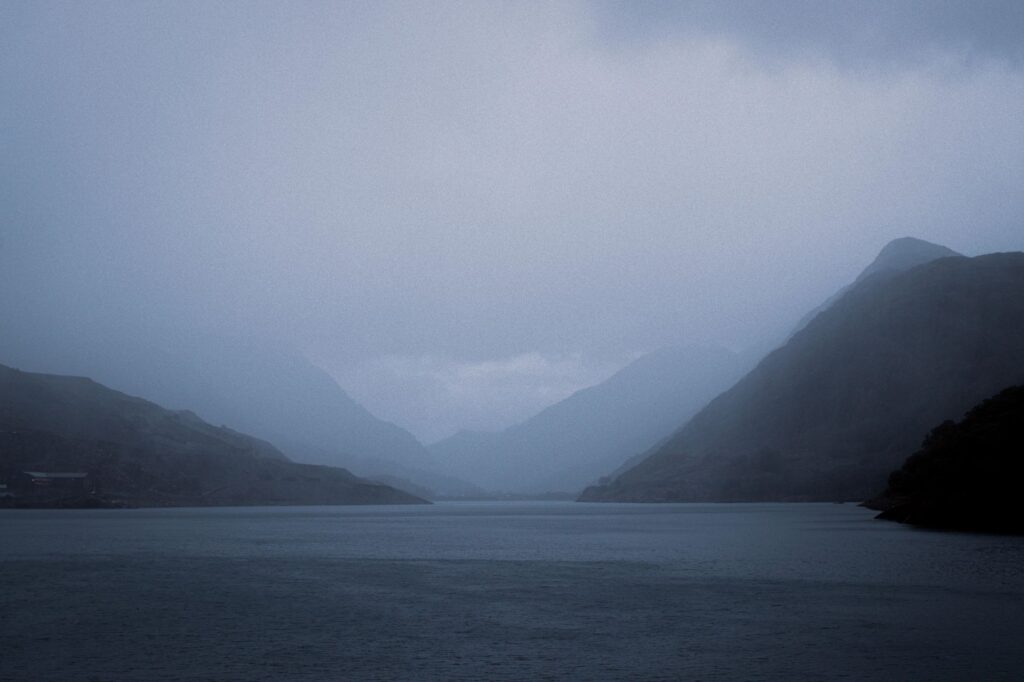
Mist rolls lazily across the slopes of Eryri—the national park formerly known as Snowdonia—shrouding the colossal terraces of grey rock that dominate the horizon. This is no ordinary natural landscape; it is a monumental sculpture carved by human hands over two centuries. Here, in northwest Wales, slate is not merely stone: it is the backbone of its history, the engine that drove its economy, and the material that roofed half the world, from Copenhagen’s Parliament to the railway stations of Melbourne. Following its prestigious designation as a UNESCO World Heritage Site, this territory is experiencing a remarkable renaissance that goes far beyond industrial nostalgia. It is a reunion with identity, the Welsh language, and a sustainable model of cultural tourism that reconnects the mining past with the pulse of the twenty-first century.
The Weight of the Earth: The Geology That Roofed the World
To comprehend the scale of this landscape, one must travel back over five hundred million years, when marine sediments from the Cambrian and Ordovician periods settled at the bottom of a long-lost ocean. Subjected to colossal tectonic pressures during the Caledonian orogeny, these sediments transformed into slate of exceptional quality, characterized by its ability to be split into incredibly thin, waterproof, and extremely durable sheets. For centuries, local inhabitants used this stone in a rudimentary fashion to build dry stone walls and thatch cottages, but it was not until the Industrial Revolution that the world discovered the true potential of North Wales’s «grey gold.»
By the late eighteenth century, ambitious landowners and bold entrepreneurs transformed the region’s subsistence agriculture into a global industry. The quarries of Penrhyn near Bethesda and Dinorwig in Llanberis became the largest open-cast workings on earth, each employing thousands of men who defied gravity, suspended by ropes on vertical rock faces over a hundred meters high. Welsh slate became the global gold standard of roofing. Demand was insatiable, and satisfying it required a radical transformation of not only the physical landscape but also the communications and social fabric of these mountainous communities.
«Slate was not just the material we used to roof our homes; it was the fabric of our conversations, the catalyst for our social struggles, and the canvas upon which we wrote our cultural survival.»
The Sound of Steam: Narrow-Gauge Railways as Arteries of Progress
The great challenge of the slate industry was not just extracting it from the depths of the earth, but transporting it from inaccessible inland valleys to coastal ports for export. The engineering solution to this transport bottleneck gave rise to one of Wales’s most fascinating legacies: narrow-gauge railways. The Ffestiniog Railway, opened in 1836, is the oldest surviving narrow-gauge railway in the world. Originally designed for loaded wagons to descend by gravity from the mines of Blaenau Ffestiniog to the port of Porthmadog, the system was revolutionized by the introduction of double-bogie Fairlie steam locomotives—a masterpiece of nineteenth-century engineering that allowed tight curves on steep gradients.
Today, the whistle of these historic locomotives still echoes through the valleys of Gwynedd. Traveling aboard these vintage trains, meticulously restored by legions of dedicated volunteers, is a sensory experience that transports travelers to the golden age of steam. The smell of burning coal, the rhythmic clatter over steel rails, and the shifting scenery of temperate rainforests, waterfalls, and slate waste tips offer a unique perspective on the technical audacity of the era. Alongside the Ffestiniog, the Welsh Highland Railway connects Porthmadog to Caernarfon, offering a spectacular journey at the foot of Mount Snowdon, traversing the breathtaking Aberglaslyn Pass in a display of railway engineering that continues to draw enthusiasts worldwide.

Life in the Quarries: Hand-Splitting and Community Solidarity
Behind the majesty of the landscape and the technical prowess of the railways lies a human story of immense sacrifice and resilience. Welsh quarrymen were craftsmen of extraordinary skill. The process of splitting slate—known locally as splitting—required years of apprenticeship. A master splitter could look at a freshly quarried block of stone, identify its invisible stress lines, and, with a single precise strike of a chisel and wooden mallet, split it into perfect sheets just a few millimeters thick.
The harshness of the work fostered a culture of deep solidarity and a powerful sense of community identity. At the heart of every quarry was the caban, a stone cabin where workers gathered during their brief lunch breaks. However, the caban was far more than a mess hall: it was a space for democratic debate, an informal school of philosophy, politics, and theology, and the place where the male voice choirs that would make Wales famous worldwide rehearsed their hymns. In this hostile environment, the Welsh language (Cymraeg) not only survived but became a bulwark of cultural resistance against the influence of the predominantly English-speaking, absentee quarry owners.
The Modified Landscape: The Brutalist Beauty of Slate Terraces
The visual impact of mining in North Wales is awe-inspiring. Abandoned quarries are not mere industrial ruins; they are cathedrals of stone carved into the mountainside. At Dinorwig, the stepped terraces ascend the slopes of Elidir Fawr like an unfinished pyramid of colossal proportions. The contrast between the deep blue waters of Llyn Padarn and the violet-grey of the slate waste tips creates a brutalist, melancholic beauty that has captivated artists, photographers, and romantic travelers since the nineteenth century.

Walking through these terraces today is akin to stepping into an open-air museum where nature is slowly reclaiming its space. Lichens and ferns colonize the cracks in the stone, while old engine houses, inclined planes where wagons once descended, and monumental drum houses stand as silent witnesses to an era of frenetic activity. This landscape, far from being a sterile scar, has become a unique habitat for various birds of prey and wild goats that find refuge among the inaccessible rock ledges.
«The UNESCO designation does not celebrate the wealth of the slate barons, but the sweat, culture, language, and ingenuity of the men who shaped these mountains with their own hands.»
The UNESCO Designation: A Sustainable Boost for North Wales
In July 2021, UNESCO formally inscribed the Slate Landscape of Northwest Wales on its World Heritage List. This recognition marked a historic milestone for the region, placing its industrial legacy on the same level of cultural significance as the Taj Mahal or the Great Wall of China. The nomination celebrates not just the physical monuments, but the interconnection of six specific geographical areas ranging from monumental quarries and transport systems to garden villages and grand estates built on the wealth generated by slate.
For local communities, this recognition has been a catalyst for economic and social regeneration. Rather than freezing the territory in time, World Heritage status promotes a sustainable tourism model that values authenticity, encourages learning, and supports local businesses. The old paths once used by quarrymen to walk to work have been transformed into the Snowdonia Slate Trail, a 133-kilometer hiking route that invites travelers to explore the territory at a leisurely pace, discovering the natural and cultural wealth of these valleys away from the crowds that often gather on the national park’s highest peaks.

Reviving Industrial Heritage: Living Museums and Hiking Trails
The best way to begin exploring this heritage is to visit the National Slate Museum in Llanberis. Housed in the Victorian workshops of the former Dinorwig Quarry, in the shadow of the breathtaking Vivian Quarry, this free museum offers a complete immersion into the quarrymen’s lives. The workshops, which look as though they were abandoned by the workers only yesterday, preserve original machinery powered by a colossal waterwheel over fifteen meters in diameter—the largest of its kind in the United Kingdom.
Live slate-splitting demonstrations by former quarrymen showcase the astonishing manual dexterity required for the craft. Additionally, the museum features a row of meticulously reconstructed quarrymen’s cottages, showing the living conditions of families across different eras, from the austerity of 1861 to the relative comforts of 1969, the year the Dinorwig Quarry closed its gates for good.

Practical Guide for Heritage Travelers in Snowdonia (Eryri)
To get the most out of a visit to the Slate Landscape of North Wales, it is advisable to plan your trip with geographical and seasonal awareness, paying close attention to transport logistics and cultural experiences.
- Getting There and Around: The most sustainable way to access the region is by train. The North Wales Coast Line connects London and Manchester to Bangor and Llandudno Junction. From there, local bus services and historic rail lines allow you to navigate the interior of the national park without a private vehicle.
- Best Time to Visit: Spring and autumn offer spectacular light for landscape photography, with ochre and violet hues highlighting the beauty of the slate. Furthermore, visitor numbers are significantly lower than in the summer months.
- Essential Highlights: Do not miss a journey on the Ffestiniog Railway from Blaenau Ffestiniog to Porthmadog, a visit to the National Slate Museum in Llanberis, and a walk along the trails of the Penrhyn Quarry in Bethesda, where you can witness the contrast between historic heritage and modern adventure activities.
- Cultural Immersion: Embrace the opportunity to hear Welsh, one of Europe’s oldest living languages. In most quarrying communities, Welsh remains the primary language of daily communication. Respecting and valuing this linguistic wealth is a key part of the travel experience.
The Echo of the Rock: A Visual and Emotional Closure
As evening falls and the twilight washes the wet slate tips in coppery tones, silence reclaims the valleys of Eryri. The distant murmur of water cascading down mountain streams and the scent of woodsmoke drifting from the chimneys of traditional stone cottages invite quiet contemplation. This corner of Wales has successfully transformed its industrial heritage into a source of collective pride and a model of active heritage conservation.
Welsh slate no longer travels on merchant ships to the far corners of the earth, but its legacy remains firmly anchored in the land and in the hearts of its people. Visiting these quarries, riding their railways, and talking to the descendants of this tradition is not just a journey of geographic discovery; it is a tribute to human resilience and the ability to create beauty, community, and identity out of the hardest, most elemental stone.