The River Pulse of a Danish Town
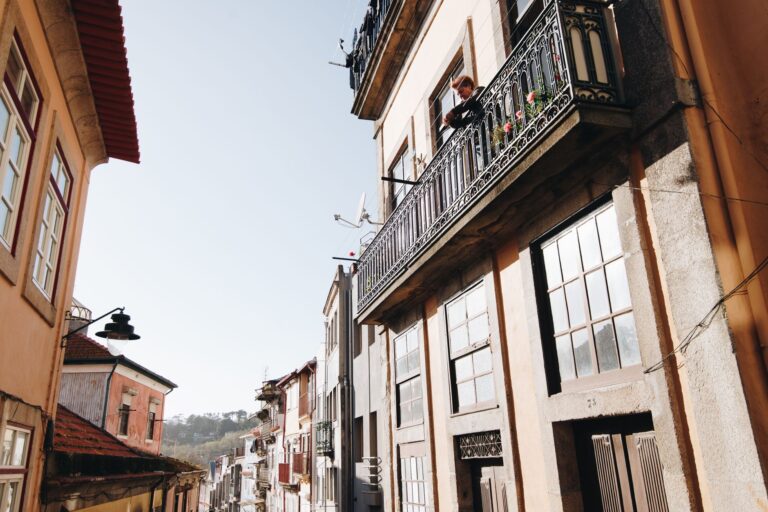
In the southeast of Zealand Island, the course of the Suså River anchors the life of Næstved, a town in Denmark where medieval history and everyday commercial activity flow together naturally. Far from the crowded tourist routes of Copenhagen, this municipality maintains a close connection with its agricultural and riverine surroundings. Mornings begin with the quiet movement of local shops opening their doors beneath historical red-brick facades, a material that has defined the architecture of the region for centuries.
The culinary identity of this area of Denmark cannot be understood without attending to the cycles of land and water. The Suså River, which empties into the Karrebæk Fjord, has historically supplied freshwater species and irrigated the surrounding fields where root vegetables, winter grains, and fruit trees adapted to the Nordic climate thrive. In local markets, offerings shift with meticulous precision according to the agricultural calendar, reminding visitors that sustainability here is not a modern trend, but a discipline inherited from previous generations.
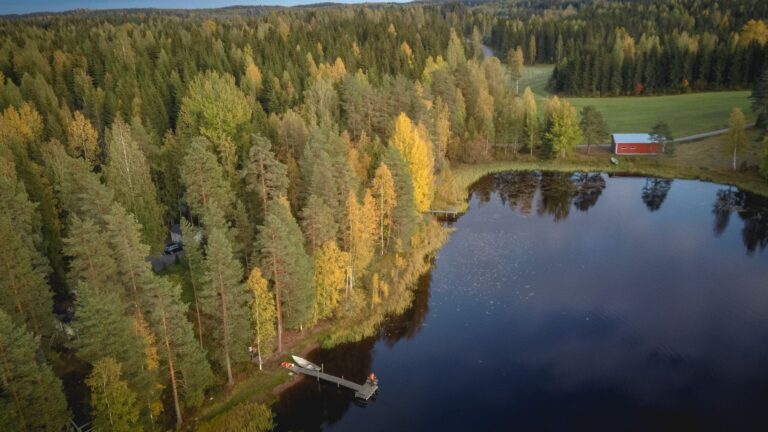
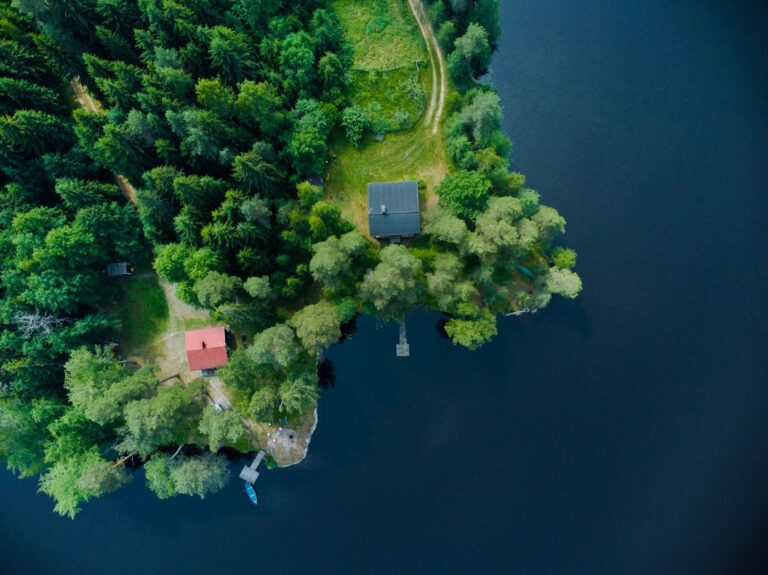
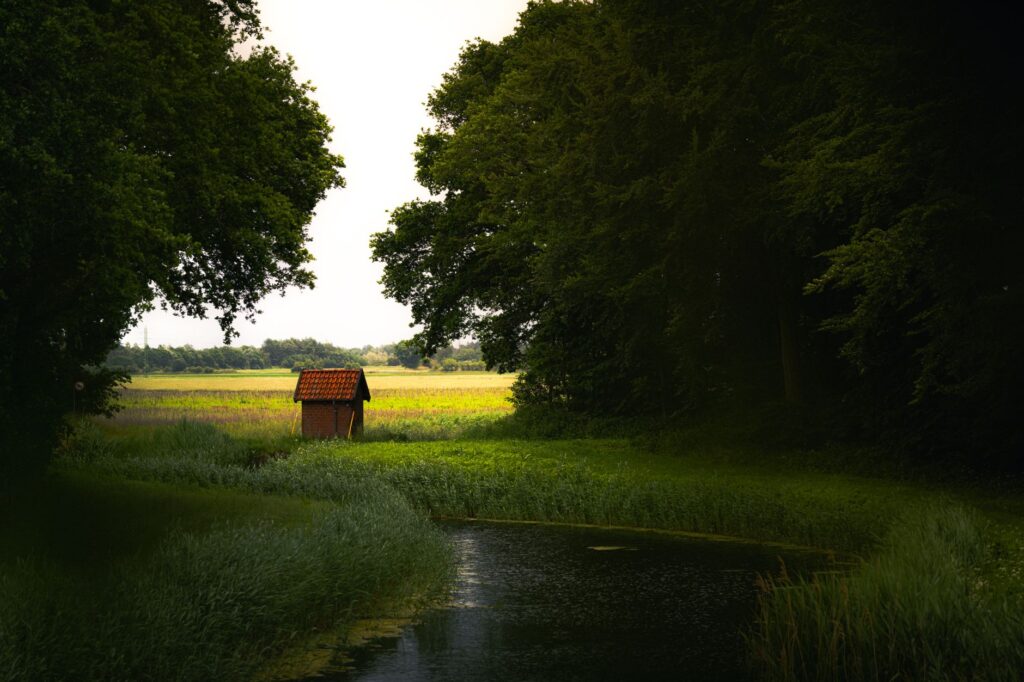
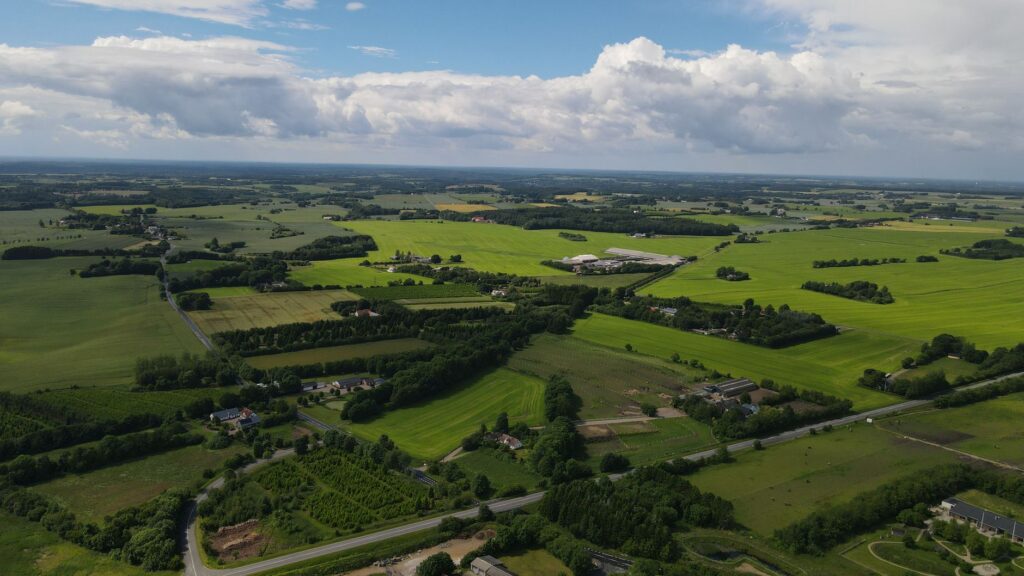
Beyond the immediate riverbanks, the wider landscape of this Danish territory opens into rolling plains and protected wetlands that have shaped settlement patterns for centuries. Farmers across the district have long respected the limits of the soil, ensuring that crop rotation remains a foundational practice. This careful stewardship prevents nutrient depletion and maintains the natural balance of the watershed. Visitors walking along the public paths near the water can observe how the local flora transitions from dense reed beds to open pastures grazed by hardy livestock, reinforcing the visual and ecological harmony of the region.
Architectural Heritage as a Stage for Local Produce
Walking through the streets of Næstved is like stepping into an open-air museum where Gothic brick architecture—known as Baltic Gothic—serves as a backdrop for daily life. Landmark buildings such as St. Peter’s Church and former merchant houses testify to the prosperity of an enclave that was a mercantile powerhouse in the Middle Ages. Today, those same urban spaces house artisanal bakeries and markets where the traceability of food is valued above any aesthetic artifice.
Neighborhood bakeries are true temples of patience. The aroma of rye sourdough and Danish butter fills the cold morning corners. Local bakers work with flours from mills across the Zealand region, maintaining slow fermentation techniques that ensure dense, nourishing loaves designed to accompany fish soups or traditional pork and apple stews.
The preservation of these historical structures requires specialized masonry techniques that use traditional firing methods for bricks, mirroring the dedication found in local food production. Preservation architects and bakers share a common ethos: honoring materials that stand the test of time. As citizens move between ancient courtyards and modern market stalls, the physical fabric of the town continually reminds them of their heritage, grounding modern routines in a deep sense of place and historical continuity.
The Pantry of the Lowlands and the Nearby Sea
The geography of Næstved combines agricultural lowlands with proximity to the Baltic coastline, resulting in a rich culinary duality. On one hand, family farms in the interior provide exceptional dairy products, fermented butter, and seasonal vegetables such as parsnips, turnips, and kale. On the other hand, closeness to the fjord’s waters brings a selection of fish traditionally preserved through smoking or pickling.
This balance between land and sea defines the menus of homes and small eateries that prioritize local sourcing. There is no room for unnecessary exotic ingredients; Næstved’s kitchen relies on the honesty of pure flavor. A clear example is found in the preparation of homemade preserves made from wild berries—such as lingonberries and sea buckthorn—foraged in the surrounding forests to accompany main dishes during the colder months.
Local foragers also gather edible mushrooms, wild herbs, and sea greens along the coast, adding subtle layers of flavor to domestic cooking. These foraged items represent an intimate knowledge of the changing seasons, harvested with strict respect for conservation limits. By integrating wild ingredients into everyday meals, residents maintain a direct nutritional link to the surrounding ecosystems, valuing biodiversity not as an abstract concept, but as a tangible element of their daily diet.
The Leisurely Pace of Provision Markets
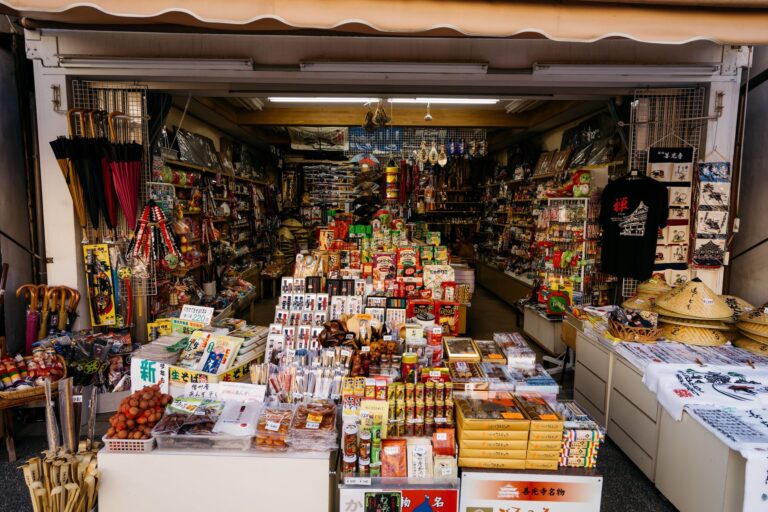
The local market in Næstved functions as the community’s true circulatory system. In outdoor stalls and small grocery shops, the relationship between producer and buyer is built on mutual trust and unhurried conversation. People come here not only to acquire provisions, but to learn the exact origin of what will reach their table that very evening.
Shopkeepers explain in detail which vegetables withstood the latest night frosts best or which fisherman brought the freshest catches from the coast. This commercial transparency fosters responsible, conscious consumption, where food waste is kept to a minimum thanks to the weekly planning done by Danish families, who remain faithful to a tradition of practical resourcefulness.
Market stalls also serve as informal social hubs where neighbors exchange news, recipe ideas, and preservation tips. Older residents frequently share traditional methods for drying or salting food with younger shoppers, ensuring that generational wisdom is passed down through friendly dialogue rather than formal instruction. This interpersonal exchange strengthens community cohesion and reinforces the cultural value of preparing meals from scratch using wholesome ingredients.
The Memory of Guilds and Food Craftsmanship
The history of Næstved is deeply tied to guild labor. In the past, metalworkers, weavers, and bakers structured the social and economic life of the town. Although modern times have transformed these trades, artisanal rigor remains alive in the way cured meats, farm cheeses, and traditional pastries are produced.
Næstved’s cuisine does not seek to impress with modern artifices, but rather to honor the daily effort of those who cultivate, bake, and fish in this corner of Denmark.
This respect for the craft is felt in every workshop and domestic kitchen. Recipes are passed down from parents to children not through large printed cookbooks, but through daily practice and a deep understanding of each ingredient’s properties. Cooking thus becomes an act of cultural continuity.
The legacy of these historical guilds endures in local associations that protect traditional techniques, ensuring that commercial pressures do not compromise the quality of regional goods. Artisans take pride in mastering time-honored processes, whether it is aging cheese in cool cellars or curing meats with select local herbs. This dedication creates a distinct regional profile that distinguishes the products of this municipality from mass-produced commercial alternatives.
Intergenerational Transmission of Nordic Flavors
Understanding the gastronomy of this Danish municipality requires looking inside homes, where traditional recipes are subtly adapted to modern times without losing their essence. Grandmothers and local cooks share a repertoire based on the comprehensive use of every resource. Leftovers from the previous day are transformed into comforting broths or complementary preparations that avoid any form of waste. This mentality, rooted in the rural history of Denmark, guides every decision in the everyday pantry.
Likewise, local school workshops and cultural associations periodically organize gatherings where new generations are taught the art of fermentation and the preservation of fruits and vegetables. These initiatives ensure that the intangible heritage linked to food remains active, connecting young people with the land they inhabit and fostering a deep sense of community belonging.
These educational programs emphasize that cooking is a fundamental life skill that connects health, economy, and environmental care. By involving children in community gardens and kitchen tasks, families instill a lasting appreciation for raw ingredients and the labor required to produce them. This continuous passing of knowledge guarantees that regional culinary traditions will endure amidst changing modern lifestyles.
Sustainability and Responsible Visitor Choices
For the traveler arriving in Næstved to understand its true identity, respecting the local pace is the fundamental rule. Local authorities and neighborhood groups promote low-intensity tourism that values the preservation of historical and natural heritage. This means choosing family-run accommodations, getting around on foot or by bicycle along the paths connecting the town to the fjord, and shopping at neighborhood markets.
The footprint left by visitors should be imperceptible. Buying directly from local producers and avoiding mass-market commercial circuits ensures that Næstved’s economy continues to benefit its permanent residents, preserving the balance between urban development and the protection of the surrounding agricultural landscape.
Responsible tourism also involves minimizing energy and water consumption during one’s stay, respecting wildlife habitats in nearby natural reserves, and adhering to local guidelines regarding waste sorting and recycling. When visitors adopt these mindful habits, they support the municipality’s long-term environmental goals and help maintain the tranquil atmosphere that defines daily life in this part of Denmark.
Practical Guide
- How to get there: Næstved has excellent rail connections from Copenhagen, with frequent trains covering the journey in approximately one hour.
- When to go: Spring and summer offer ideal weather for exploring natural areas, while autumn stands out for the richness of seasonal food markets.
- Accommodation: Opting for small local guesthouses or sustainably managed apartments located in the historic center is highly recommended.
- Essential gastronomy: Taste sourdough dark rye bread, artisanal Zealand cheeses, and local smoked fish preserves.
- Getting around: Bicycles are the most efficient means of transport to explore both the urban center and the rural paths leading toward the coast.
Final Reflection on the Shared Table
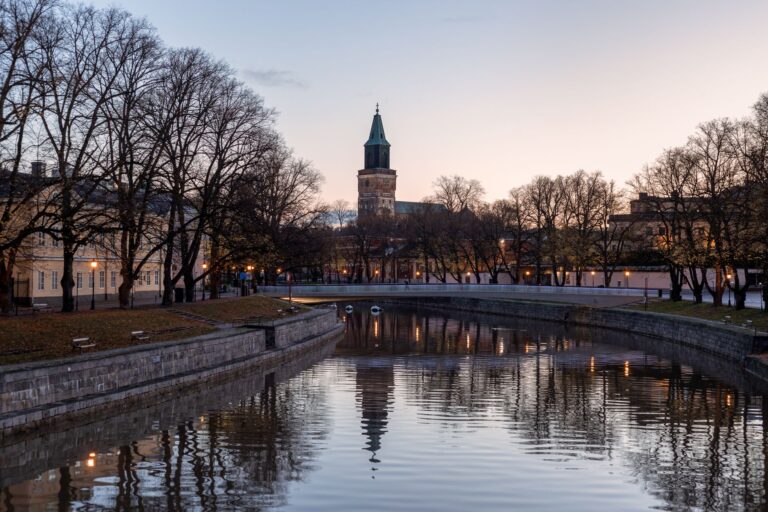
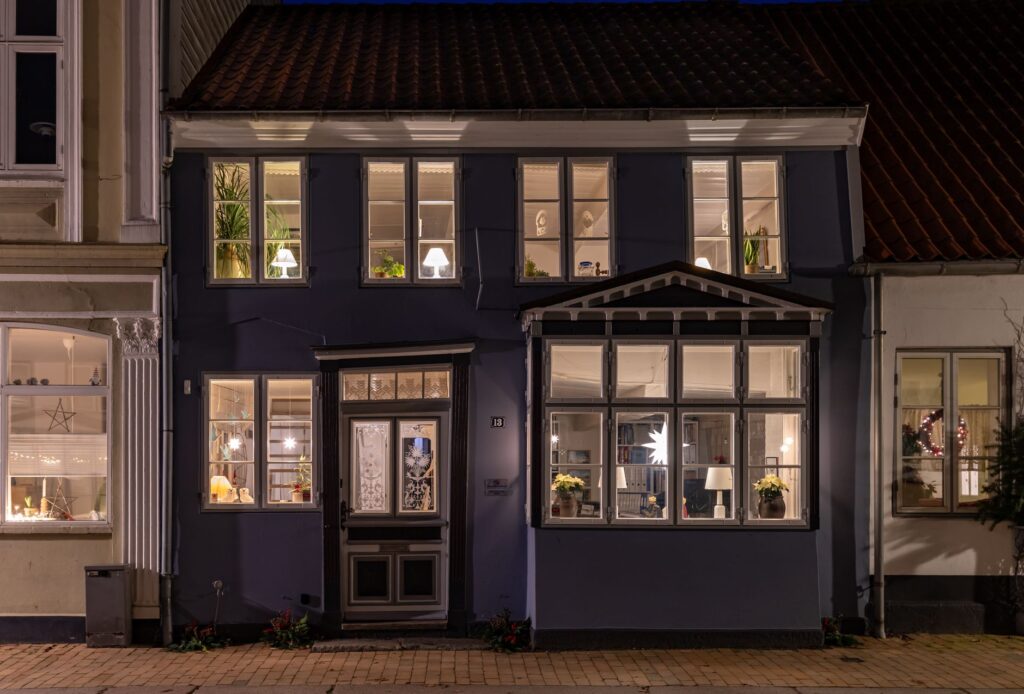
At dusk, when golden light reflects off brick rooftops and the calm waters of the Suså River, Næstved reveals its most intimate face. The lights in the windows of private homes and small neighborhood taverns turn on, announcing dinner time—the moment when the community gathers around simple yet meaningful dishes. There is no great pretense at this Danish table; only the certainty that collective wellbeing is built day by day, dish by dish, respecting the rhythms of nature and the memory of a land that has preserved its authenticity without giving up the future.