Introduction to the Territory of Oshawa in Canada
Situated in the province of Ontario and embraced by the northern strip of Lake Ontario, Oshawa stands as a point of confluence between the rugged nature of the Canadian Shield and the industrial history of North America. With a population exceeding 175,000 residents, this enclave offers much more than its well-known automotive tradition; it deploys a network of riverside parks, winding streams, and natural reserves that demand meticulous planning from the traveler. Planning a journey in this Canadian region requires understanding that the urban environment and wild spaces coexist in a delicate balance shaped by the seasons.
Far from extreme alpine circuits, adventure in Oshawa is experienced at ground level, traversing damp trails, protected marshes, and riverbanks where the lake wind sets the pace. Preparation not only involves having the proper equipment for humidity and thermal variations, but also adopting a respectful attitude toward an ecosystem that supports a rich biodiversity of migratory birds and native flora. Each expedition in this Canadian territory is an exercise in reading the landscape, where urban logistics quickly give way to the solitude of the temperate boreal forests of Ontario.
Furthermore, the geographic configuration of the area invites an understanding of historical settlement patterns. The early paths traced by indigenous communities and later adapted by European settlers took advantage of watercourses as routes for communication and trade. Today, following those routes allows the modern expeditionary to understand how the natural environment conditioned the development of the entire Durham region, establishing a direct link between the subsistence past and the recreational present.
The Geography and Climatic Pulse of Southern Ontario
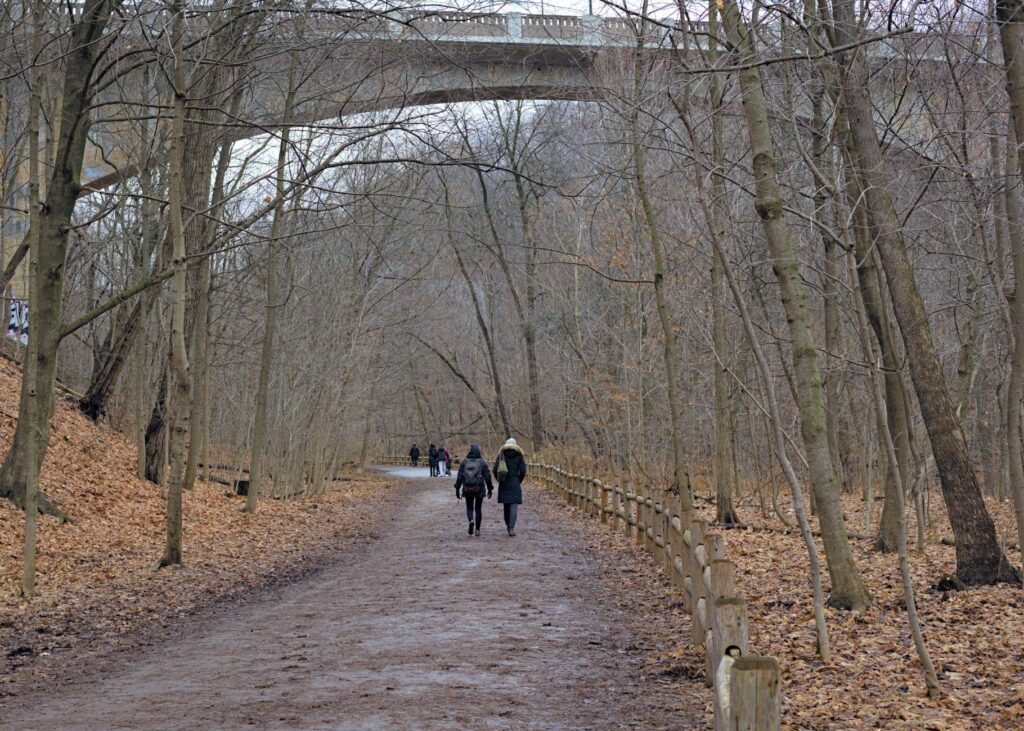
The climate in Oshawa is defined by its continental location moderated by the Great Lakes, translating into warm, humid summers and rigorous winters marked by heavy snowfalls. For any expedition on foot or bicycle through the area’s river valleys, meteorological observation is an inescapable task. Autumn mornings can surprise the walker with dense mists descending from Lake Ontario, reducing visibility on the wooded trails bordering the Oshawa and Farewell creeks.
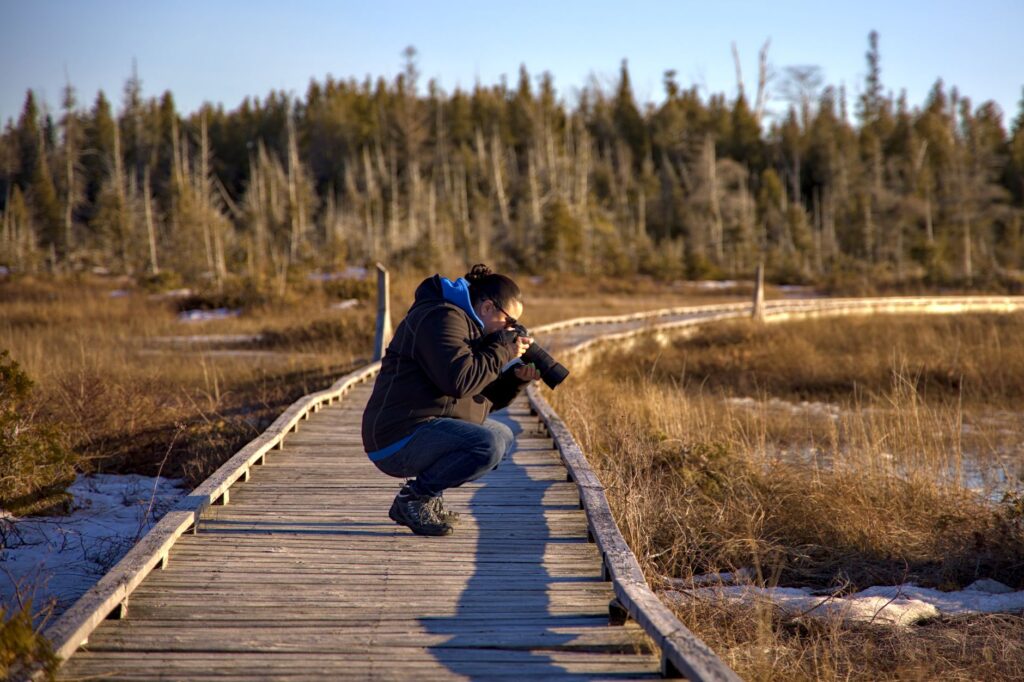
During the colder months, temperatures drop drastically, turning dirt roads into icy surfaces that require footwear with specific traction and layered clothing. Seasonal transition is rapid in this part of Canada, meaning hikers must be prepared to face sudden showers or unexpected temperature drops even in advanced spring. Local climatology is not a mere backdrop, but the primary factor determining the viability of any outdoor route.
The interaction between cold air masses from the north and the relative humidity provided by the lake’s water body generates highly dynamic local microclimates. For this reason, explorers must review updated weather reports before starting any prolonged march, avoiding unpleasant surprises in open terrain where wind protection is scarce or nonexistent.
Logistics and Planning for a Safe Route
Organizing an exploratory outing in Oshawa demands the same rigor as any expedition of greater geographic scale. Although urban services are always close by, venturing into protected green corridors, such as the Second Marsh Valley, requires autonomy and prior planning. It is essential to consult local bulletins regarding the condition of paths, as seasonal flooding of watercourses can inundate entire sections of trails and isolate certain areas of ecological interest.
Public transportation effectively connects the urban core with the main trailheads, but having a secondary transport plan is indispensable when exploring the rural periphery. Self-sufficiency in basic navigation, hydration, and communication equipment is non-negotiable, even when walking just a few kilometers from residential areas. Safety in the Canadian natural environment depends largely on prevention and scrupulous respect for official park signage.

Likewise, it is advisable to inform third parties of planned itineraries and estimated return times, establishing basic emergency protocols for any unforeseen eventuality in the wild environment or peripheral urban transition zones.
Industrial Heritage as a Cultural Compass
Oshawa’s identity is deeply tied to its manufacturing past, a legacy that today intertwines with cultural routes and public memory spaces. Iconic locations like Parkwood Estate, the historic residence of the McLaughlin family, offer a unique architectural and social perspective that contrasts with the wild nature of the lacustre coast. Understanding this heritage enriches any expedition, allowing the traveler to see beyond the natural landscape and connect with the human stories that built the community.
The landscape of Oshawa is not limited to its forests and wetlands; it is a living archive where early 20th-century architecture constantly dialogues with the dynamism of water and wind.
Local museums and heritage trails allow visitors to trace the footprint of Ontario’s economic transformation without abandoning the spirit of discovery. Walking through former industrial zones converted into pedestrian walkways demonstrates how the city has managed to integrate its working-class memory into the current recreational fabric, offering visitors an accessible and rigorous educational tour.
Riparian Ecosystems and Environmental Protection
Oshawa’s natural wealth relies on its valuable coastal wetlands, considered vital refuges for hundreds of species of aquatic birds and small mammals. The Second Marsh area and surrounding sandy beaches represent a fragile ecosystem that supports intense pressure due to urban proximity. For this reason, the code of conduct for any visitor includes the strict prohibition of leaving marked trails or disturbing dune vegetation.
Ontario environmental authorities enforce strict regulations for the conservation of these habitats, and expeditionaries must assume ecological responsibility by minimizing their footprint. Respecting bird nesting periods, avoiding disposable plastics, and refraining from lighting fires outside authorized zones are basic rules ensuring the survival of these landscapes for future generations of travelers.
The integration of active conservation policies demonstrates that public use of these natural spaces can coexist with the preservation of biodiversity, provided there is strict compliance with ecological guidelines dictated by regional and provincial park managers.
Local Gastronomy and Land Products
After a long day of marching through the trails north of the city, Ontario’s regional gastronomy offers a comforting meeting point with local culture. The area’s farmers’ markets are the perfect showcase to savor seasonal products, from orchard fruits to artisanal specialties crafted by neighboring communities. The cuisine of this Canadian region reflects diverse influences, combining British tradition with contributions from multiple immigrant communities that have enriched the country’s cultural mosaic.

Tasting local maple syrups, artisanal cheeses from family farms, or dishes made with freshwater fish provides a complete sensory dimension to the travel experience. Eating here is not just an act of survival, but another way to dialogue with the geographic and productive environment that sustains the Oshawa community throughout the year.
Practical Guide
- How to get there: Oshawa is connected to Toronto via commuter trains and major highways facilitating access in less than an hour.
- Best time to visit: Autumn months (September and October) and late spring offer mild temperatures ideal for outdoor walking.
- Recommended equipment: Waterproof footwear with good soles, breathable layered clothing, physical map, and sufficient water reserve.
- Permits and regulations: Regional park entrance is free, but opening hours and wildlife protection rules must be respected.
- Health and safety: Carry insect repellent in summer and exercise extreme caution on icy shores during winter.
Final Reflection Before Lake Ontario
The journey to Oshawa concludes the same way it begins: contemplating the gray and bluish immensity of Lake Ontario from the solitude of a wind-battered shore. There are no grand summits to conquer or unexplored abysses, but rather the serene satisfaction of having read a subtle landscape where industrial history and lacustre nature merge in a constant embrace. Walking through this corner of Canada teaches that true adventure lies in close attention to detail, respect for climate rhythms, and the understanding of a territory that reveals itself step by step to those who know how to observe it without haste.