Introduction to the Northern Territory
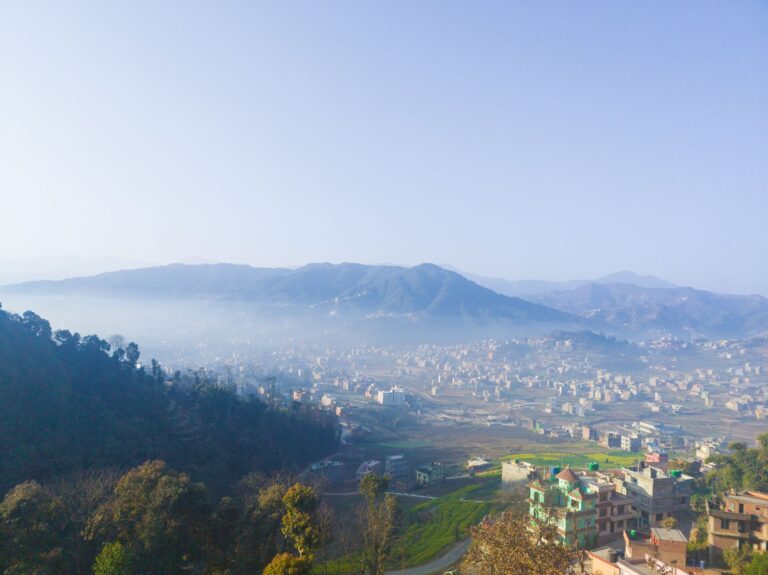
Situated along the Red River, the district of Bac Tu Liem represents one of the most significant transformations in the metropolitan environment of Hanoi, Vietnam. As the capital expands toward its peripheries, this territory has successfully maintained a delicate balance between its rich historical heritage and accelerated modernization. Far from being a mere urban dormitory, the area preserves an identity deeply rooted in agricultural traditions, local festivals, and religious architecture that has remained virtually unchanged for centuries.
Analyzing this space provides insight into the current challenges facing peri-urban communities in Southeast Asia. The arrival of new infrastructure and residential complexes raises questions about heritage preservation and social cohesion. For the curious traveler, exploring these streets reveals a less-traveled side of Hanoi, where daily life unfolds to the rhythm of local markets, artisan workshops, and the genuine hospitality of its residents.
Urban expansion in Vietnam brings both opportunities and complex dilemmas. Local authorities and community leaders continuously navigate the pressures of modern development while striving to protect the invaluable legacy handed down by previous generations. Visitors who take the time to understand these dynamics gain a much deeper appreciation of how contemporary Vietnamese society honors its past while stepping boldly into the future.
The Historical Footprint in Everyday Landscapes
The architectural heritage of Bac Tu Liem stands out for the presence of centuries-old pagodas, communal houses, and shrines dedicated to historical figures who shaped the region’s destiny. These monuments do not act merely as museum relics; instead, they remain integrated into the festivities and rituals of the neighbors. During seasonal celebrations, temple courtyards fill with offerings, traditional music, and community gatherings that reaffirm a collective sense of belonging.

The layout of ancient rural settlements, organized around communal ponds and narrow alleys, persists despite the arrival of wide avenues. This spatial contrast defines the personality of the district. Traditional brick structures with curved tile roofs coexist with the concrete tube houses typical of contemporary Vietnam, creating an evolving visual landscape that reflects the layers of its recent history.
Walking through these neighborhoods offers a tangible connection to bygone eras. Each street corner and ancient brick wall tells a story of resilience and adaptation, illustrating how local communities have woven their heritage directly into the fabric of daily existence without losing sight of their foundational roots.
Local Economy and Traditional Markets
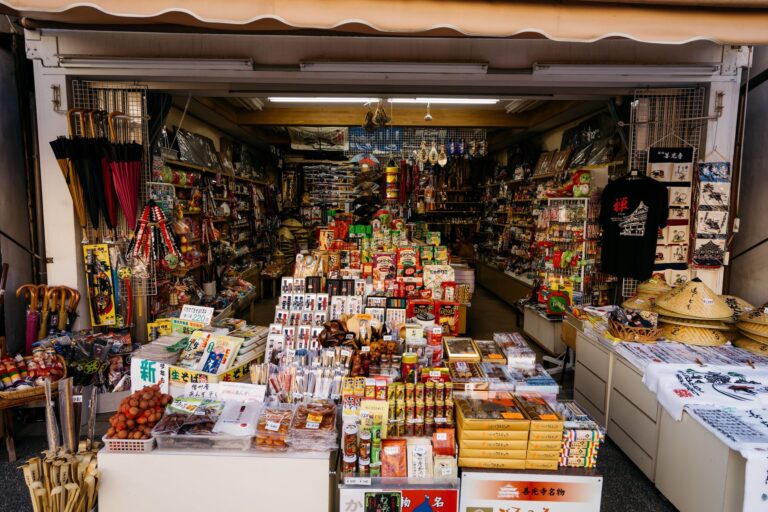
The economic pulse of Bac Tu Liem beats strongly in its street markets and small family-run shops. Early in the morning, makeshift stalls offer fresh produce grown in surrounding peri-urban gardens and fish caught in the waters of the Red River. These commercial spaces act as the true social heart of the district, where residents exchange news and maintain trading practices rooted in a proximity economy.
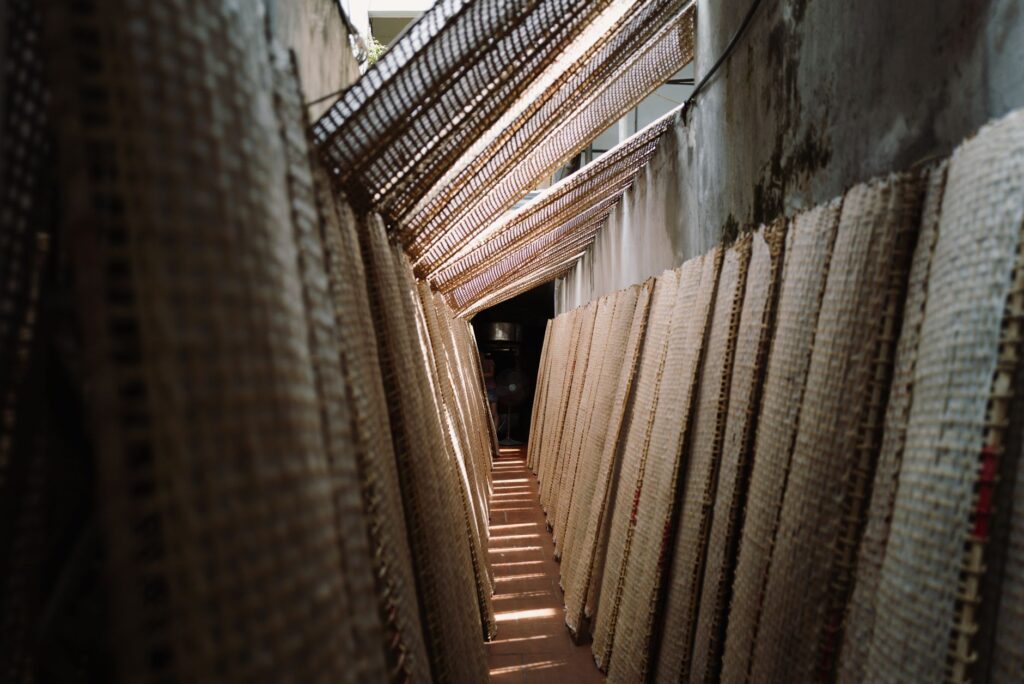
Unlike the large air-conditioned shopping malls proliferating in central Hanoi, the markets in this district maintain a human and direct scale. Here, local craftsmanship, seasonal flower sales, and street food demonstrate the expertise of artisans and cooks who have passed down their knowledge from generation to generation. The relationship between vendor and buyer is built on mutual trust and personal rapport, which is rare in globalized metropolises.
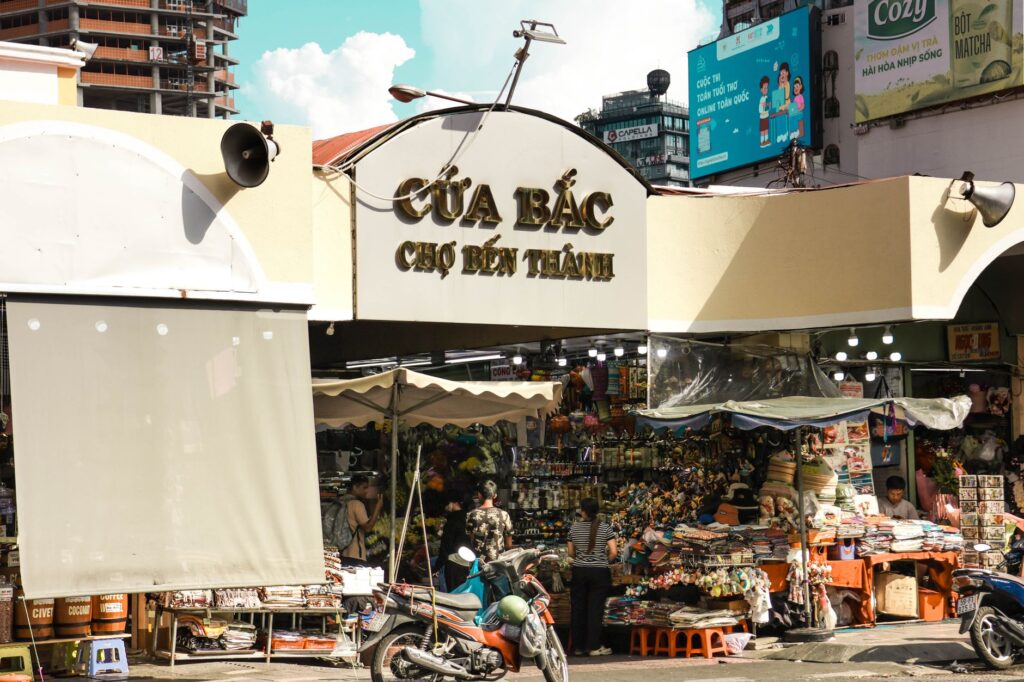
Supporting these traditional commercial ecosystems is a vital component of responsible travel. By purchasing goods directly from local vendors and farmers, visitors contribute actively to the preservation of household economies that sustain the unique character of the district.
Spiritual Heritage and Spaces of Devotion
Spirituality in Bac Tu Liem is manifested in a network of Buddhist temples and family altars dotting the neighborhoods. These sacred enclosures offer a haven of peace amid the bustle of urban traffic. The altars, decorated with incense, fresh flowers, and fruit, are tended daily by neighbors who keep alive the practices of ancestor worship and local deities linked to fertility and harvest protection.
The preservation of these religious sites relies heavily on community effort. Unlike large state-managed national monuments, neighborhood temples receive financial and moral maintenance from the parishioners themselves. This civic involvement ensures that architectural traditions and annual festivals continue to be celebrated with the exact same rigor and devotion as in the past, turning each festivity into an act of cultural resistance.
The memory of a people resides not solely in its grand monuments, but in the silent continuity of its daily gestures and respect for the land that sustains it.
Visitors who enter these sacred spaces are reminded of the profound spiritual dimensions that underpin daily life in Vietnam. Maintaining respectful behavior, observing quiet contemplation, and respecting local customs ensure that these sanctuaries remain protected from the disruptions of mass tourism.
Residential Architecture and Neighborhood Coexistence
The urbanism of Bac Tu Liem is characterized by a gradual transition between traditional rural fabric and urban densification. Single-family homes with interior courtyards, designed to house multiple generations under one roof, are slowly giving way to apartment buildings and modern real estate developments. Nevertheless, street life maintains a strong neighborhood character, where sidewalks transform into extensions of the home and spaces for socialization.
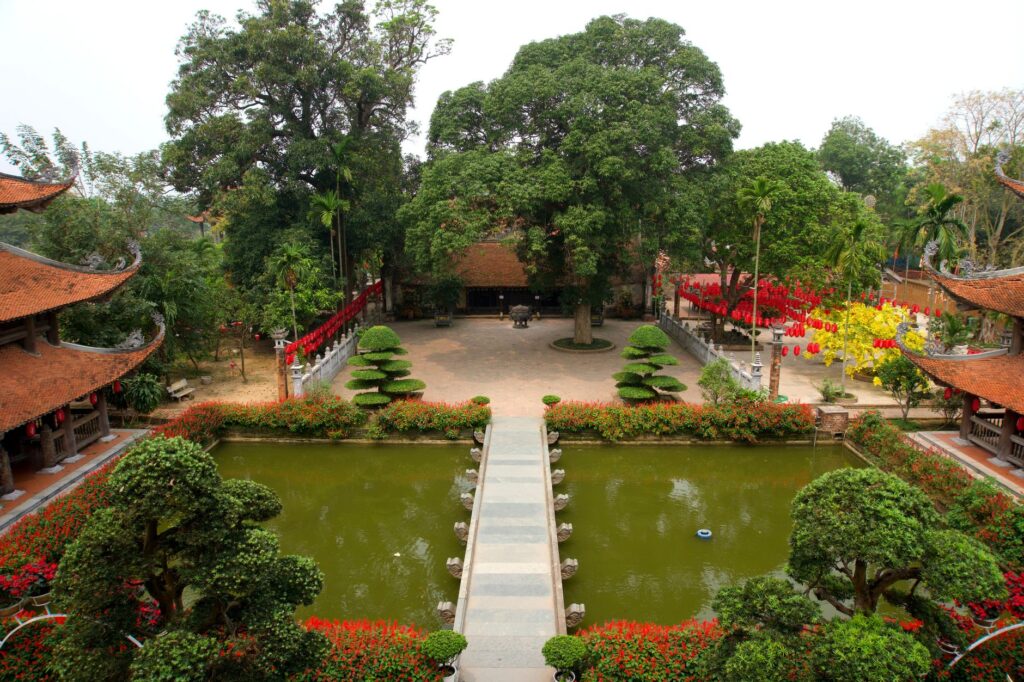
Local families have successfully adapted their traditional dwellings to new economic needs, utilizing ground floors for small businesses or light manufacturing workshops. This urban multifunctionality fosters a dynamic and safe atmosphere, where children play in dead-end alleys and the elderly converse in the shade of century-old trees. Architecture thus responds to a practical need for coexistence and adaptation to change.
This organic evolution of domestic spaces highlights the resourcefulness of the local population. Instead of erasing the past, homeowners integrate modern functionality into ancestral structures, preserving an unbroken architectural lineage that enriches the visual and social landscape of the district.
Environmental Challenges and Urban Sustainability
Hanoi’s rapid growth exerts constant pressure on the natural resources and green spaces of Bac Tu Liem. Water management, protection of peri-urban agricultural zones, and pollution reduction are urgent challenges for local authorities and residents. Despite these obstacles, community-led initiatives promote sustainable urban agriculture and protect local water bodies against environmental degradation.
The balance between development and conservation demands rigorous public policies that evaluate the impact of real estate expansion on ecological and cultural heritage. District inhabitants demand greater participation in urban planning to prevent the irretrievable loss of their farmland and landscape identity. The zone’s future depends on its capacity to integrate modernity without sacrificing the natural elements that sustain its quality of life.
Eco-conscious travelers can support these conservation efforts by minimizing waste, respecting local green spaces, and acknowledging the ecological fragility of peri-urban transition zones.
Practical guide
Getting there: Bac Tu Liem is located in the northwestern sector of Hanoi and is accessible via city buses, taxis, or private transport services from the city center. The journey ranges from thirty to forty-five minutes depending on traffic.
When to visit: The months between November and April offer cooler temperatures and lower humidity, facilitating walking tours through the district’s markets and historical areas.
Recommended gastronomy: It is advisable to sample dishes prepared with local ingredients in traditional markets, highlighting rice noodle soups and hand-rolled fresh spring rolls.
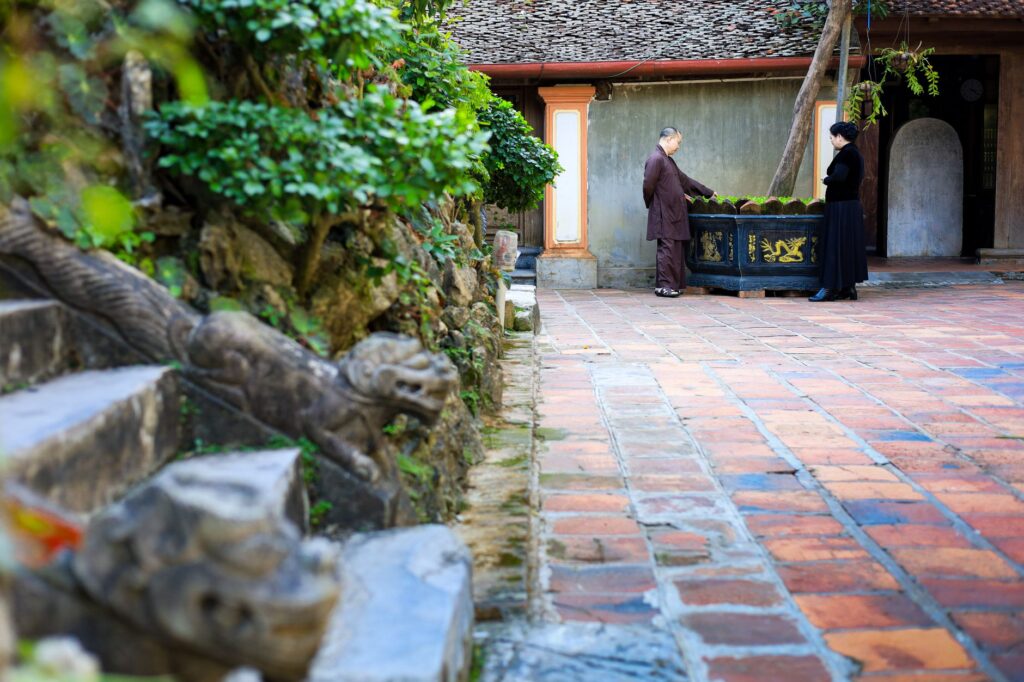
Code of conduct: Visitors should dress modestly, covering shoulders and knees when entering pagodas and communal houses. Asking permission before photographing local residents at their workplaces is mandatory.
Accommodation: Although hotel offerings are limited compared to Hanoi’s Old Town, small family-run guesthouses allow for a more authentic immersion in local life.
Final Reflection on the Northwestern Pulse
The journey through Bac Tu Liem leaves a lasting impression regarding the adaptability and resilience of communities facing global transformations. Amid silent temples, bustling morning markets, and mutating streets, this Vietnamese district demonstrates that progress does not have to erase collective memory. Its greatest wealth lies in its people, whose generosity and attachment to traditions offer travelers an unforgettable lesson in authenticity, balance, and human dignity at the heart of Southeast Asia.