A Territory Shaped by Land and Water
North of Lisbon, the municipality of Loures unfolds a landscape where metropolitan modernity coexists with a deep agricultural and riverine tradition. With a population exceeding sixty thousand inhabitants, this territory has successfully maintained its distinct character, far removed from the purely urban rhythm of the nearby capital. The fertile valleys and slopes descending toward the Tagus estuary have historically shaped the economy and social life of its communities, creating a mosaic of small towns where the land still dictates the rhythm of the seasons.
Water has played a fundamental role in shaping this environment. The streams and tributaries watering the Loures valley allowed, since ancient times, the cultivation of vegetables and greens that supplied the region’s traditional markets. Today, walking through these rural areas or along the banks of its river channels reveals how physical geography conditions urban structure. Ancient orchards, though pressured by decades of demographic growth, remain alive thanks to the efforts of local farmers defending traditional cultivation methods, preserving agrobiodiversity and a heritage of soil management that has been passed down across generations without interruption.
The intricate network of irrigation canals and small water basins reflects an ancestral engineering adapted to the Mediterranean climate of Portugal. These water features not only sustain local crops but also create microclimates that favor specific native flora along the valley floors. For the attentive visitor, observing these agricultural techniques offers a valuable lesson in resource management and environmental adaptation, highlighting the delicate balance between human sustenance and natural preservation.
Neighborhood Identity and Community Life
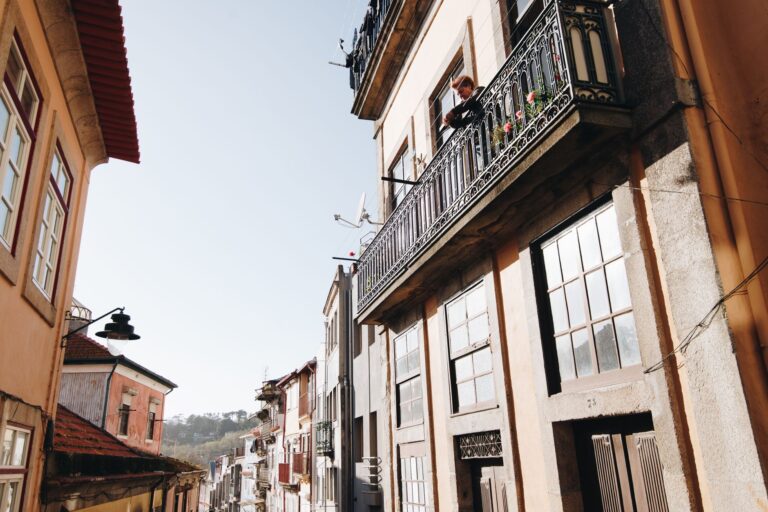
Daily life in Loures is not concentrated in a single core, but disperses into a rich and diverse parish structure. Each neighborhood and locality maintains its own identity, visible in its squares, neighborhood cafes, and cultural associations that drive social life. In these meeting spaces, residents share everything from morning chats to the organization of patron saint festivals that strengthen intergenerational bonds. The human scale of these neighborhoods fosters a mutual support network that contrasts with the anonymity of neighboring large cities.
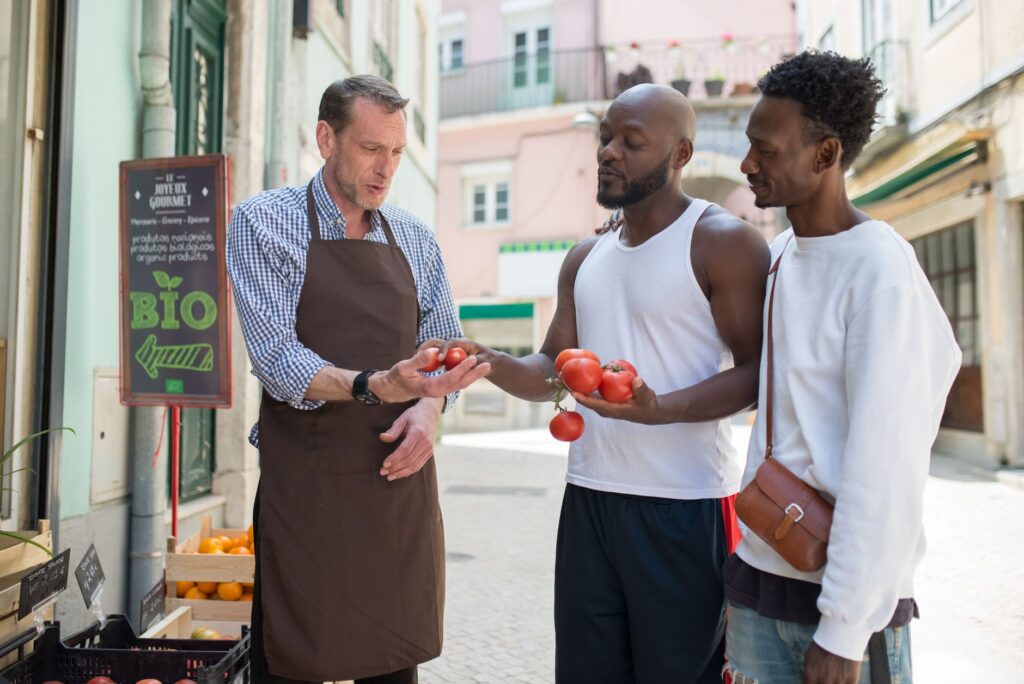
Municipal markets stand out as another fundamental pillar displaying community vitality. Within them, the faces of those who have worked the land for decades intersect with newcomers choosing Loures as their residence. These venues are not merely commercial spaces, but true forums of social exchange preserving popular vocabulary, recipes passed down through generations, and pride in local produce. The freshness of the food directly reflects the proximity of the farmland surrounding the municipality.
Social cohesion in these districts is further reinforced by neighborhood associations and local clubs that organize cultural events, recreational activities, and educational workshops. These entities act as the beating heart of civic participation, ensuring that traditions are kept alive while integrating new residents into the community fabric. Through open dialogue and collective engagement, Loures maintains a strong sense of belonging that resonates in every local celebration and daily interaction.
Architectural Heritage and Traces of the Past
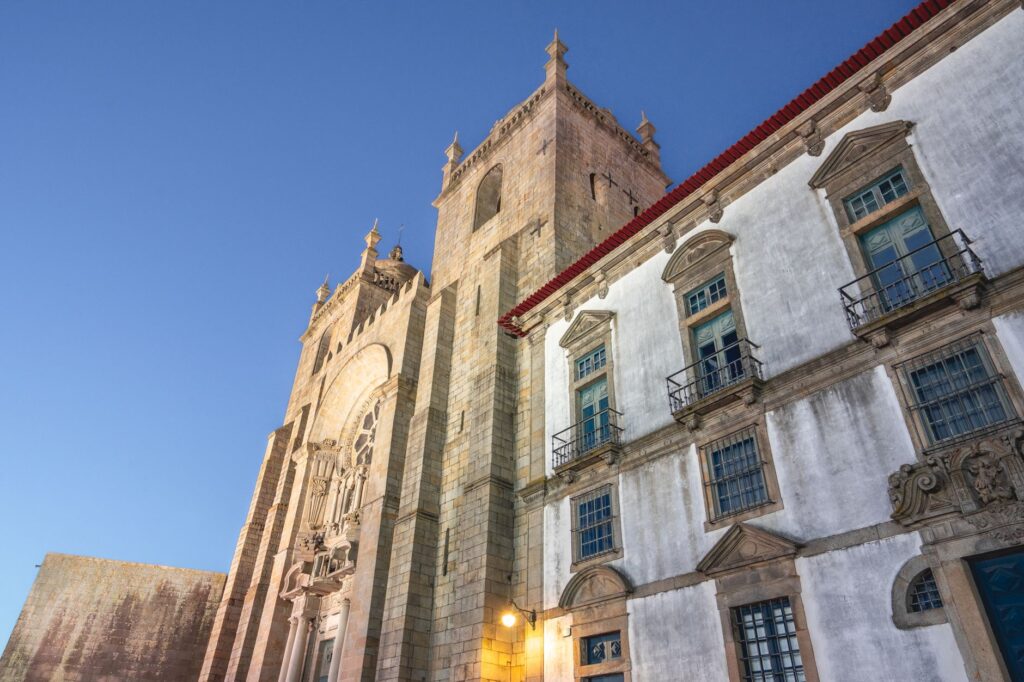
The built heritage of Loures offers a fascinating journey through different stages of Portuguese history. From medieval-origin churches to stately manors that once belonged to Lisbon’s aristocracy, the municipality holds architectural treasures often overlooked by mass tourism. These historic estates, many surrounded by walled gardens and centuries-old groves, remind visitors that this area was once a place of rest and recreation for elites, never losing its productive vocation.
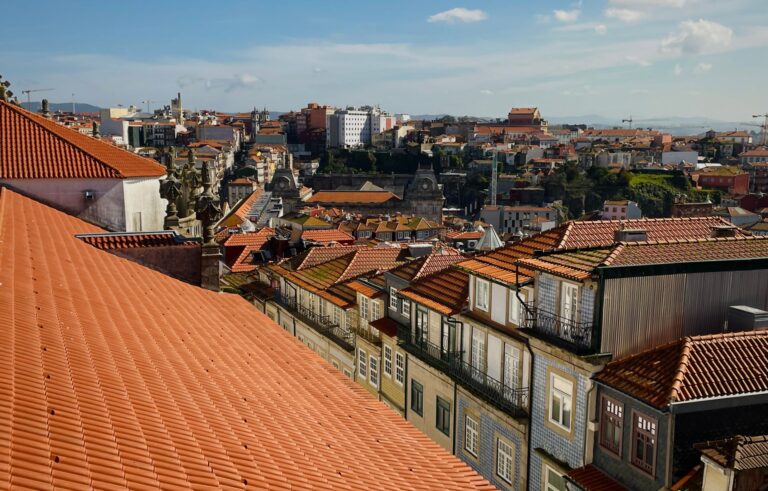
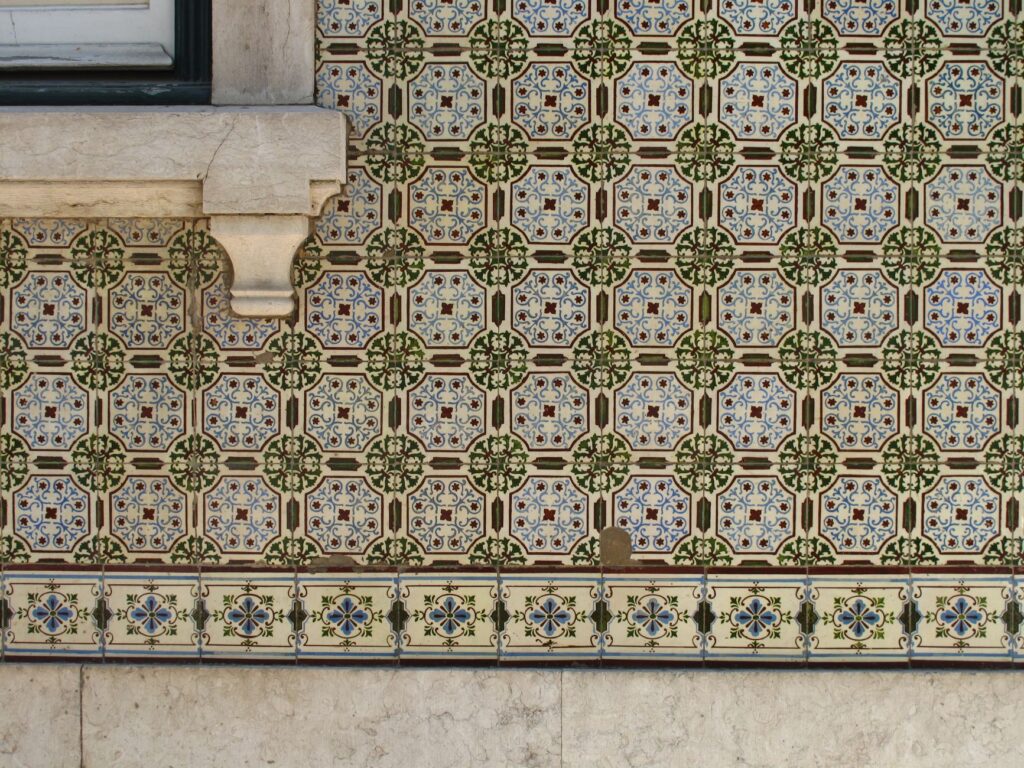
Likewise, religious architecture and small sanctuaries scattered across the hills form routes of great cultural interest. These monuments stand out not only for their artistic value but for their integration into the rural and urban landscape. Limestone, traditional tiles, and ornamental details from past eras speak to the mastery of local artisans who adapted dominant architectural styles to the resources available in the region.
Preserving these historical structures requires ongoing collaboration between local authorities, heritage experts, and the community. Conservation projects focus on maintaining the authentic character of these buildings while adapting them for educational and cultural uses. Visitors exploring these architectural landmarks can appreciate the layers of history embedded in the stone walls, tile panels, and old courtyards that bear witness to centuries of regional evolution.
Gastronomy as a Reflection of the Territory
Understanding Loures inevitably involves sitting at the table and discovering its traditional cuisine, firmly anchored in orchard produce and river proximity. Local dishes emphasize simplicity and absolute respect for seasonal ingredients. Hearty soups, vegetable stews paired with local meats, and fresh fish preparations reflect the culinary heritage of generations who ingeniously utilized the natural resources of their surroundings.
Beyond horticultural production, the municipality has maintained traditions tied to pastry-making and wine production in small family plots. Although vineyard acreage has declined with urban expansion, finding bottles from micro-wineries reviving native grape varieties remains possible. Tasting these wines in a traditional tavern is an exercise in sensory archaeology connecting the visitor directly to northern Lisbon’s gustatory memory.
Culinary traditions here are also celebrated through seasonal gastronomic fairs where local chefs and home cooks share time-honored recipes. These events provide an exceptional platform for safeguarding culinary knowledge, encouraging younger generations to value local ingredients and traditional cooking methods. Eating in Loures is thus transformed into a cultural act that celebrates the bounty of the land and the ingenuity of its people.
The Role of Green Spaces and Sustainability
In recent decades, Loures has intensified efforts to balance urban development with the preservation of its natural heritage. The creation and restoration of urban parks, green corridors, and protected areas aim to provide citizens with recreational spaces ensuring high quality of life. These green lungs not only improve inhabitant well-being but act as refuges for local biodiversity, hosting flora and fauna typical of riverine and agricultural ecosystems.
Local sustainability policies promote citizen participation in environmental management, encouraging urban agriculture initiatives, riverbed cleaning, and carbon footprint reduction. For the responsible traveler, this translates into an offering of slow and conscious tourism, valuing exploration on foot or by bicycle, respecting rural trails, and supporting local commerce without disrupting resident community tranquility.
Environmental education programs implemented in schools and community centers further reinforce this ecological commitment. By fostering awareness of local ecosystems and conservation challenges, Loures ensures that future generations will continue to value and protect the natural assets surrounding their homes, creating a sustainable model for metropolitan coexistence.
Cultural Pulse and Local Festivities
Culture in Loures is actively experienced through a festive calendar respecting secular traditions while opening space for contemporary expressions. Popular celebrations, pilgrimages, and themed fairs mobilize local associations, musicians, and artisans who find these dates ideal for showcasing talent and keeping ancient customs alive. These festivities mirror a community proud of its roots and open to exchange.
Cultural centers and municipal libraries complement this offering with exhibitions, workshops, and literary gatherings attracting diverse audiences. Far from static culture containers, these spaces drive reflection on local identity and future challenges. Youth participation in community art projects guarantees generational handover, ensuring the municipality’s collective memory continues transforming organically and creatively.
Music, theater, and visual arts festivals organized throughout the year offer platforms for both established artists and emerging local talents. These cultural encounters enrich the public sphere, transforming streets and plazas into vibrant stages where community bonds are continually renewed and celebrated.
Practical guide
How to get there: Loures connects seamlessly with Lisbon via an extensive network of urban and metropolitan buses, as well as direct access through major highways and expressways. Lisbon Airport lies approximately ten to fifteen kilometers away, facilitating international access.
When to visit: Any time of year is suitable, though spring and autumn offer optimal temperatures for walking rural trails, urban parks, and local markets without intense summer heat.
Where to stay: The municipality offers accommodation options ranging from small independent hotels to family-run guesthouses, ideal for travelers seeking an authentic experience close to local life.
Recommended gastronomy: Tasting seasonal vegetables in local markets, traditional riverine dishes, and wines produced in the small plots of northern Lisbon’s region is essential.
Responsible behavior tips: Respect private farming spaces, support small shopkeepers and producers in traditional markets, and prioritize travel on foot or via public transport to minimize environmental impact during your stay.
Final Glance Toward a Shared Horizon
«The true wealth of a territory does not reside in its isolated monuments, but in the silent capacity of its people to preserve the dignity of everyday life.»
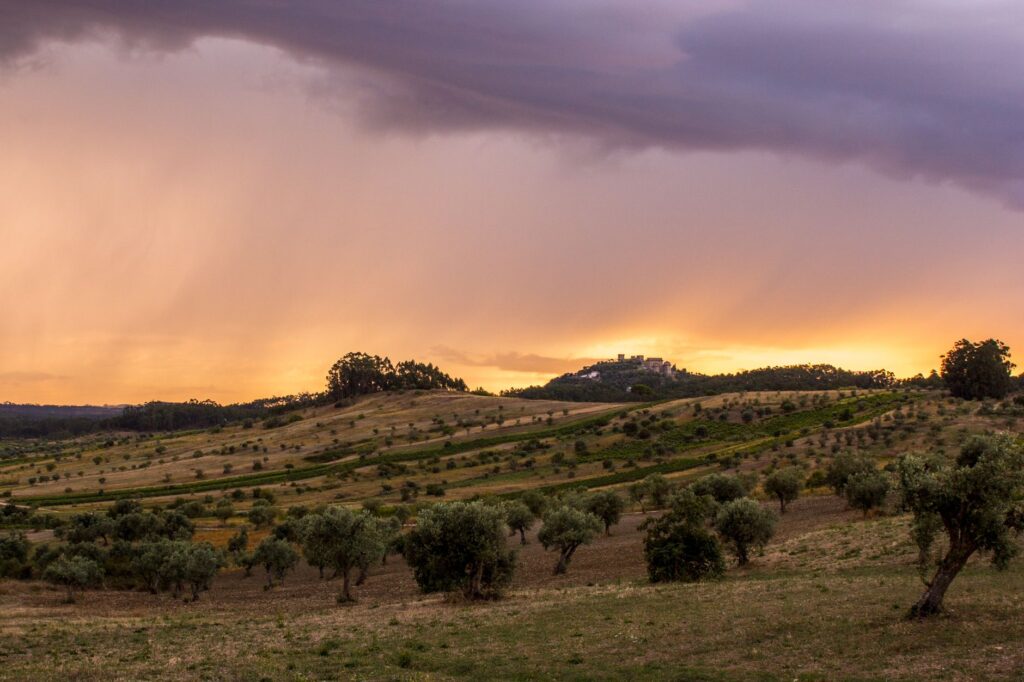
Reflecting on Loures means accepting an invitation to look beyond conventional mass tourist routes. In this municipality situated at the gates of the Portuguese capital, the balance between agrarian memory and present-day challenges is drawn in every corner. Walking along its paths, conversing with neighbors in markets, or watching the sunset over the valleys of northern Lisbon helps travelers understand that authenticity is a fragile asset requiring both respect and sincere curiosity. Here, life follows its course guided by unwavering human values, offering an enduring lesson on how to inhabit the territory with sensitivity and a sense of community.