Brent, United Kingdom: The Urban Identity That Beats in Its Neighborhoods and Memory
A Territory Shaped by History and Movement
Located in the northwest of Greater London, the borough of Brent extends across an urban landscape where past and present are in constant dialogue. With a population exceeding three hundred thousand residents, this corner of the United Kingdom is not defined by a single monument or a static postcard, but by the sum of its communities, street markets, and public spaces. Walking through its streets reveals how a predominantly suburban and industrial area has successfully transformed into a vibrant cultural melting pot, where each neighborhood contributes a unique layer to the collective identity.
The urban layout of Brent reflects the successive waves of transformation that have marked the development of the British capital. From ancient country lanes turned into commercial arteries to residential complexes built throughout the twentieth century, the territory preserves the traces of its demographic and economic evolution. The presence of green spaces, historical canals, and heritage buildings offers visitors an unexpected counterpoint to the fast pace of the metropolis, allowing for a leisurely reading of daily British life.
The historical evolution of the district demonstrates a continuous process of social and economic adaptation. Traditional transport routes and former manufacturing zones have given way to new residential and commercial areas that continue to attract people from diverse backgrounds. This demographic blend shapes a unique atmosphere on every corner, where Victorian architecture shares space with contemporary urban developments designed to meet the demands of a constantly growing population.
Daily Life in Markets and Squares
The pulse of Brent is felt most intensely in its spaces of social exchange. Local markets and the squares of different neighborhoods act as true nerve centers where culinary traditions, accents, and customs from around the world converge. Far from mass tourism circuits, these enclaves showcase the reality of a community that has integrated multiculturalism as its greatest strength. Here, neighborhood commerce and small citizen initiatives sustain a proximity economy that enriches the social fabric.
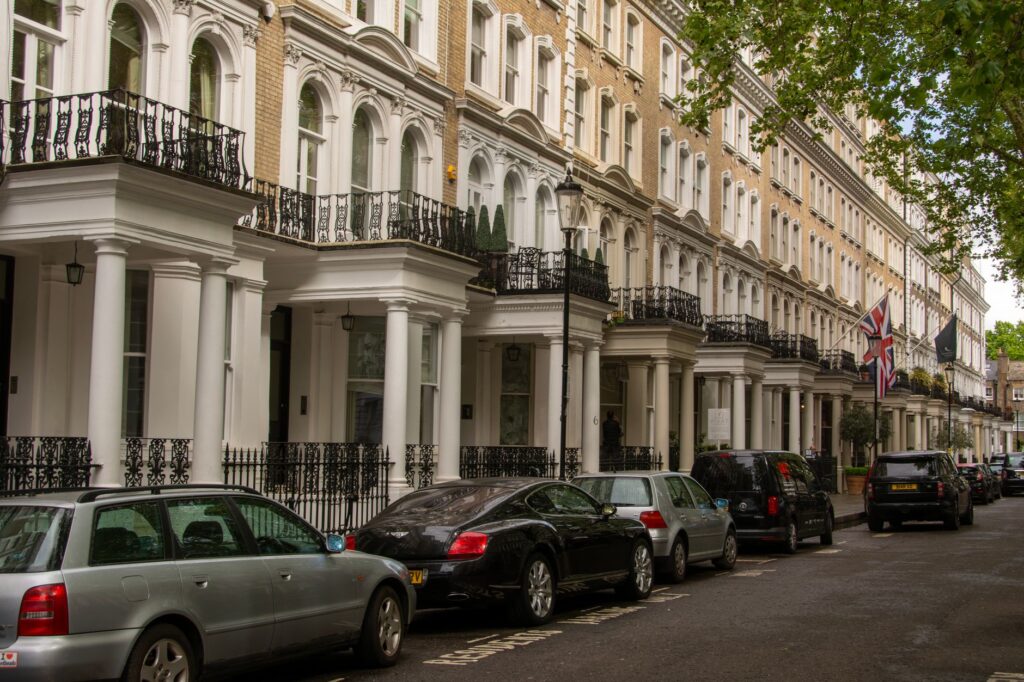
In these meeting points, the surrounding architecture tells the story of generations of workers and traders who chose this borough to establish their homes. Victorian brick facades coexist with mid-century buildings and modern developments, creating a visually heterogeneous landscape that remains coherent in its diversity. Neighborly coexistence manifests in everyday gestures: in morning conversations beside vegetable stalls, in the upkeep of community gardens, and in the preservation of intergenerational gathering spaces.
The commercial dynamism of local markets is complemented by the work of neighborhood associations that promote cultural activities and craft fairs. These initiatives reinforce social cohesion and allow visitors to understand firsthand the richness of daily life in the area, valuing the collective effort to keep traditional trading spaces alive against the homogenization of large retail surfaces.
Architectural and Cultural Heritage
The cultural heritage of Brent ranges from nationally significant architectural landmarks to contemporary artistic expressions that transform the public space. Community centers, local libraries, and district theaters function as platforms for creation and debate, demonstrating that culture in this sector of the United Kingdom is an accessible and participatory asset. Street art and murals decorating gable walls and facades recall the historical memory of the place and pay tribute to key figures in its social development.
The conservation of this legacy does not stem from a museological vision, but from a need for rootedness expressed by its own inhabitants. Local archiving projects and heritage routes invite visitors to look beyond the urban surface, uncovering stories of resistance, integration, and creativity. Citizen commitment to collective memory ensures that the past is not forgotten, but serves as a foundation for the future of the borough.
Furthermore, the programming of cultural events in civic centers fosters the exchange of knowledge and the transmission of artistic traditions originating from the various communities coexisting in the district. In this way, culture becomes a bridge of mutual understanding, accessible to anyone interested in delving into the heritage reality of this British zone.
The Integration of Natural Spaces
Despite its eminently urban character, Brent surprises visitors with the integration of natural spaces that offer breathing room within the metropolitan grid. Parks, local nature reserves, and the banks of historic canals provide ecological corridors where local flora and fauna find refuge. These spaces not only fulfill an environmental function, but are also fundamental to the physical and mental well-being of residents, who use them for sports, walking, or relaxation.
The responsible management of these green environments constitutes a key challenge for local authorities and neighborhood associations. Maintaining the balance between recreational use and biodiversity protection requires active community participation. Volunteer programs and educational initiatives foster respect for the environment from childhood, consolidating an ecological conscience passed down from generation to generation throughout the British territory.
Waterfront walks and botanical trails allow visitors to observe native wildlife and understand the importance of preserving natural habitats within densely populated environments. The shared care of these parks reflects the citizenship’s commitment to sustainable development and the continuous improvement of urban quality of life.
Responsible Decisions for the Visitor
Exploring Brent from a respectful perspective implies adopting an attitude of listening and learning. Travelers who decide to delve into its neighborhoods discover that the true value of the experience lies in understanding the local pace and supporting independent businesses. Tourism sustainability in this type of urban destination relies on minimizing the impact on residents’ daily lives and valuing the authenticity of the environment over large commercial spectacles.
Choosing public transport, shopping at local markets, and respecting community guidelines in parks are essential actions for conscious tourism. In this way, visitors cease to be mere spectators and become respectful actors who contribute to the preservation of the social and cultural fabric of the borough, ensuring that their time in the area is as enriching as it is respectful of those who live there year-round.
Adopting responsible travel practices also involves showing sensitivity toward community rules, avoiding unnecessary crowds in quiet residential areas, and prioritizing respectful dialogue with local merchants and residents during the stay.
Practical Guide and Community Respect
Peaceful coexistence in Brent is sustained by mutual respect among diverse communities. Local regulations promote inclusion and citizen participation in decision-making processes affecting public space. Neighborhood councils and cultural associations organize open forums to debate urban planning, street cleanliness, and public safety, ensuring that every voice is heard in the construction of the borough.
This participatory governance model reinforces the sense of belonging and reduces tensions typical of large metropolitan areas. Collaboration between public institutions and the associative fabric allows for the implementation of effective initiatives for social integration and cultural development, making Brent a benchmark for managing urban diversity with equity and constant dialogue among all sectors.
Active participation in community affairs fosters an atmosphere of trust that facilitates peaceful conflict resolution and consolidates a network of mutual support among neighbors of diverse backgrounds and ages.
Practical Guide
To facilitate a visit to this United Kingdom borough, practical recommendations are detailed below to ensure a respectful and enriching experience with the local reality.
- Getting There: Brent is exceptionally well-connected to central London via multiple underground lines, commuter trains, and buses managed by Transport for London.
- Getting Around: The use of an Oyster card or contactless payment is recommended to use public transport efficiently and economically.
- Accommodation: Various options exist ranging from small independent hotels to family-run accommodations in adapted Victorian houses.
- Gastronomy: Local markets offer an unbeatable opportunity to taste traditional dishes from around the world prepared by local chefs and merchants.
- Opening Hours: Most traditional shops open from nine in the morning to six in the evening, while food markets have specific weekend schedules.
- Local Respect: Avoid excessive use of photographic devices in private residential areas and maintain a moderate tone in public spaces and libraries.
A Horizon Built Together
The future of Brent is shaped in the daily conversations of its squares, in the work of its cultural centers, and in the daily commitment of its residents to keep their identity alive. This London borough demonstrates that urban development is not incompatible with the preservation of historical memory or the welcoming of new communities. Upon finishing the journey, the prevailing feeling is that of having visited a place where the entire world gathers to build, step by step, a coexistence based on respect and diversity.