Mercedes Norte, Costa Rica: Neighborhood Life Woven Through Corners and Traditions
In the canton of Heredia, this Costa Rican corner cultivates a distinct urban identity where neighborly coexistence and everyday heritage shape an endearing human landscape.
25.10.2026 · Camila Reyes · 6 min read
Mercedes Norte, Costa Rica: Neighborhood Life Woven Through Corners and Traditions
A Territory That Beats to the Rhythm of Community
Nestled in the province of Heredia within Costa Rican territory, Mercedes Norte stands as a clear example of how a community can preserve its identity amidst contemporary dynamism. This populated sector, situated over one thousand meters above sea level, combines a gentle topography with an urban layout where the human scale remains the standard. Here, the daily pulse is not measured by large commercial avenues, but by the steady rhythm of its inhabitants as they walk between traditional grocery shops, shared sidewalks, and neighborhood parks.
The recent history of this place is written through small gestures and collective decisions that have shaped its current configuration. Unlike major metropolitan centers that prioritize vehicular traffic, the streets of Mercedes Norte invite leisurely exploration. Daily interactions between veteran neighbors and newer residents sustain a dynamic social fabric manifested in the preservation of local celebrations, farmers’ markets, and public gathering spaces properly integrated into the urban landscape.
Territorial roots are reinforced through active participation in community matters. Local associations coordinate efforts to embellish common spaces, ensuring that residential growth does not dilute social cohesion. This dynamic allows new generations to recognize the value of their immediate surroundings, fostering a deep sense of belonging that transcends the mere act of inhabiting a specific geographic space within Costa Rica.
The Architecture of Proximity and Public Space
Walking through this Heredian district reveals a harmonious transition between mid-twentieth-century buildings and contemporary constructions adapted to the tropical climate. Single-family homes, often surrounded by front gardens and open porches, foster a fluid relationship between private space and the public domain. This architectural setup is no accident; it responds to a constructive tradition where natural ventilation and the shade of native trees determine the comfort of living spaces.
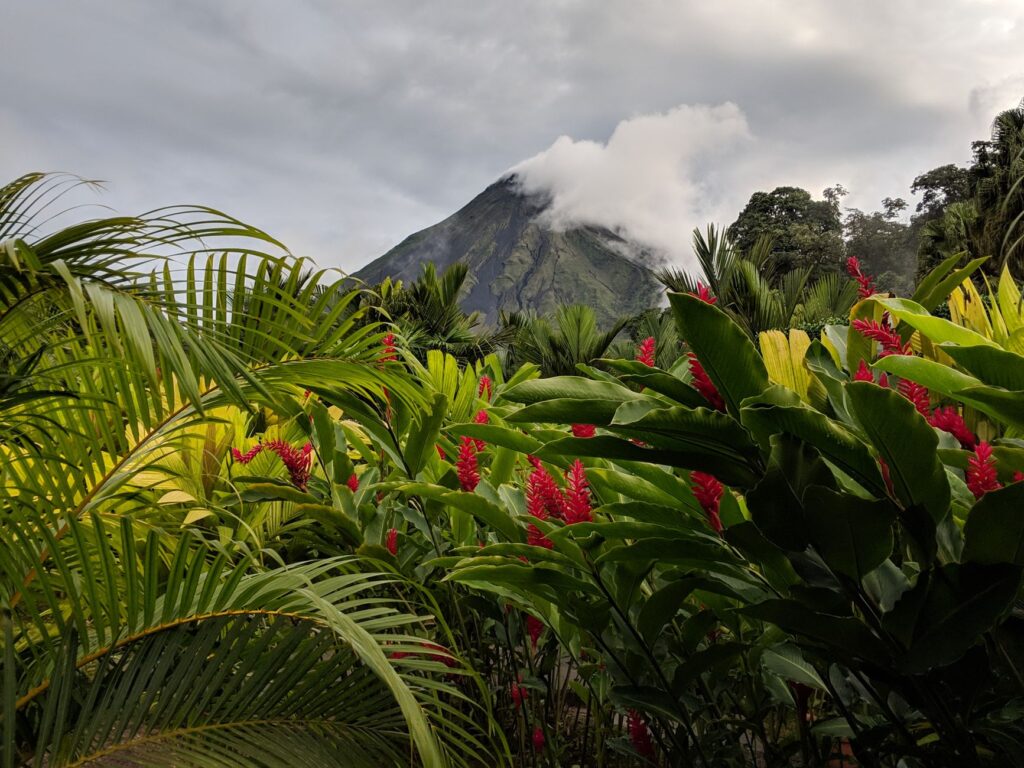
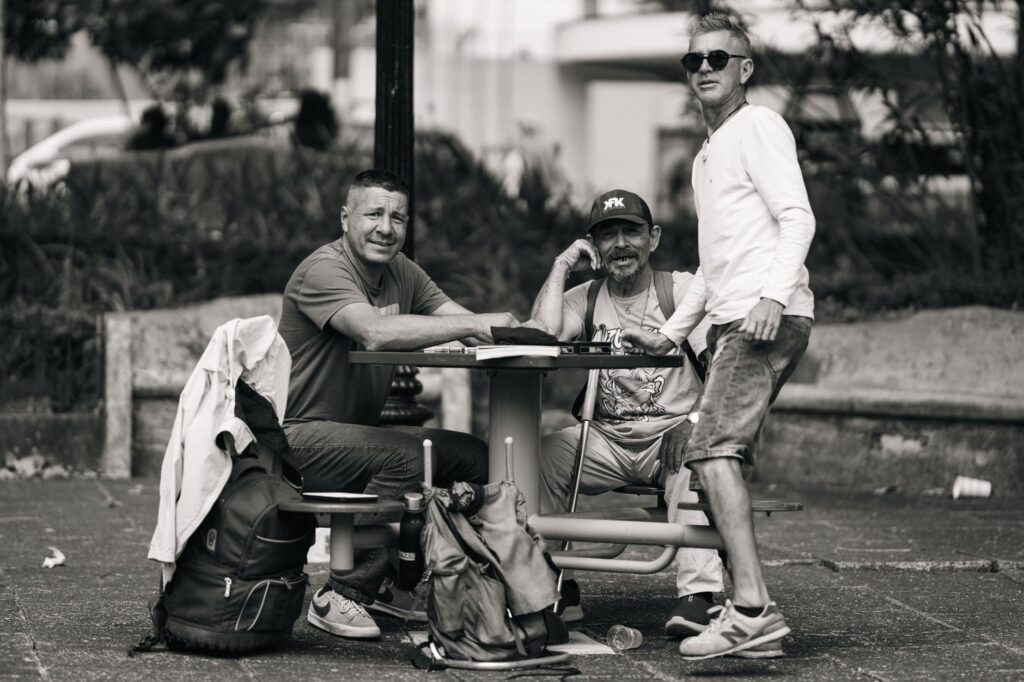
The neighborhood parks and squares act as authentic civic hearts. In the early morning hours, when the morning breeze descends from nearby volcanic slopes, these sites fill with people taking morning walks or simply conversing on the benches. Local authorities and community development associations have promoted initiatives to keep these green areas free of deterioration, promoting the planting of native species that attract local birdlife and embellish the urban environment without altering its residential vocation.
The layout of wide portals and sidewalks encourages cordial greetings and spontaneous conversation, fundamental elements that shape neighborhood life. Unlike segregated urban spaces, here the street remains a safe transit site and neighborhood coexistence, where architecture serves as a bridge rather than a barrier between homes and the community.
The value of a neighborhood does not lie in the monumentality of its buildings, but in the capacity of its streets to foster safe encounters and shared memory among those who inhabit it.
Everyday Gastronomy and Proximity Markets
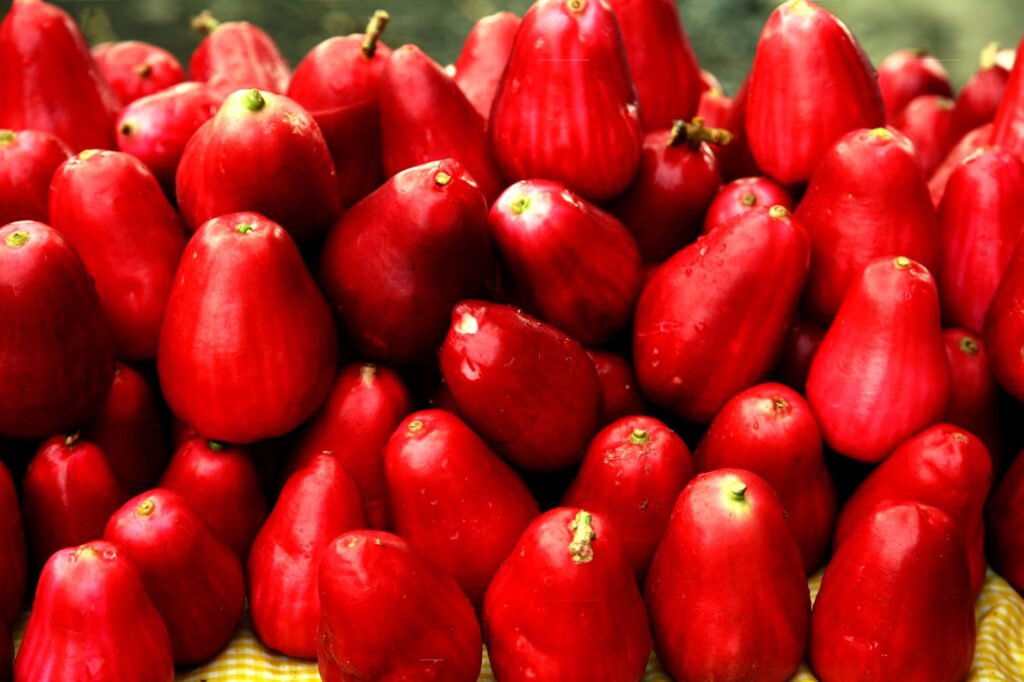
The food culture in Mercedes Norte reflects the agricultural richness of Costa Rica’s central region. Farmers’ markets and nearby agricultural fairs are nodal points where neighbors acquire fresh produce harvested in neighboring cantons. Yucca, culantro, gallo pinto, and seasonal fruits form a varied pantry that local restaurants and family-run sodas transform into traditional preparations of deep popular roots.
Eating in this corner of Heredia is an exercise in cultural recognition. Recipes passed down from generation to generation maintain basic ingredients of Costa Rican cuisine, prepared with techniques that prioritize homemade flavor and the freshness of ingredients. This respect for local produce not only strengthens the economy of small producers, but also ensures that the visitor’s culinary experience is genuine and sustainable.
Homemade food establishments also act as social meeting points. In local sodas, conversations about neighborhood current events flow naturally among diners, turning the act of eating into a community experience where stories, recipes, and regional traditions are shared.
Living Heritage and Local Artistic Expressions
Beyond its architecture and gastronomic offerings, the district harbors cultural expressions rooted in collective memory. Craft workshops and self-managed artistic initiatives occupy a prominent place in social life. Local painters, musicians, and artisans find spaces in community centers to exhibit their works and transmit their knowledge to new generations, ensuring that intangible heritage remains active and in constant evolution.
These manifestations do not seek to attract mass tourism, but rather to consolidate a sense of belonging among residents. Patron saint festivities and cultural gatherings held throughout the year combine religious elements with contemporary popular expressions, generating an intergenerational bridge where traditions are reinterpreted without losing their original essence.
The recording of oral memory and the preservation of ancient tales about the development of the sector complement this cultural wealth. Through community projects, older residents share their experiences regarding the agricultural past of the area, allowing intangible heritage to endure and dialogue with the needs of the present.
Responsible Tourism and Respectful Coexistence
For the traveler arriving in Mercedes Norte, the key to an enriching stay lies in adopting an attitude of respect toward the daily life of the place. Since it is not an exclusively tourist enclave, visitors must understand that their presence is inserted into an already established community dynamic. Walking through the neighborhood, using public transport consciously, and consuming in local establishments are practices that foster a balanced exchange.
The impact of tourism in residential areas must be measured through the minimization of disturbances and the appreciation of local resources. Conscious travelers find here a unique opportunity to observe unvarnished Costa Rican daily life, valuing the natural hospitality of its people and indirectly contributing to the sustenance of the local economy through neighborhood commerce.
The adoption of respectful guidelines ensures that the arrival of visitors does not alter the harmonious peace of the neighborhood. Attention to local rules of coexistence and the measured use of public spaces guarantee that the travel experience is both enriching for the outsider and sustainable for those who permanently reside in the district.
Urban Sustainability and Environmental Challenges
The management of the natural environment and the administration of green spaces represent fundamental priorities for residents. Neighborhood initiatives focused on waste reduction, recycling, and the protection of local water channels demonstrate an active commitment to the ecological well-being of the territory. These collective actions seek to mitigate the impact of urban growth and preserve natural resources for future generations.
Likewise, sustainable mobility gains ground through the promotion of walking and the use of bicycles for short journeys. This approach reduces vehicular congestion and diminishes acoustic pollution, favoring a calmer and healthier environment in the residential streets of this Heredian sector.
Practical guide
How to get there: From San José, access is available by bus via lines connecting the capital with Heredia and its northern districts, or by private vehicle taking the northern route through the province of Heredia.
Best time to visit: The dry season, spanning from December to April, offers clear mornings and optimal conditions for exploring the district on foot.
Accommodation: Family-run guesthouses and small residential lodgings predominate, guaranteeing a quiet stay close to local life.
Recommended gastronomy: Visit traditional sodas to taste homemade dishes prepared with ingredients from the central region.
Respect recommendation: Avoid unnecessary noise in residential areas during the night and respect the privacy of private homes.
At the end of the journey, when the evening light dyes the rooftops and treetops with golden tones, Mercedes Norte reveals its most intimate dimension. Front doors open to bid farewell to the day, greetings between neighbors linger on street corners, and silence naturally begins to claim ground. In that instant, the visitor understands that the true wealth of this urban landscape does not lie in grand monuments, but in the peaceful daily routine of a neighborhood that knows how to keep its soul.
A journey through the London borough where cultural diversity, historical heritage, and community life build a living portrait of contemporary the United Kingdom.
Nestled in the Atacama Desert, this town in the Antofagasta Region blends mining tradition with traditional markets, adobe architecture, and a deep-rooted heritage in…
An exploration of the Andean foothills of Floridablanca in Colombia, examining their geological formations, high-altitude ecosystems, and contemporary challenges in natural preservation.
In the Biobío region, Concepción blends a historical grid urban layout, an intense cultural life centered around its university, and a constant proximity to…