A Territory That Extends Beyond Tourist Maps
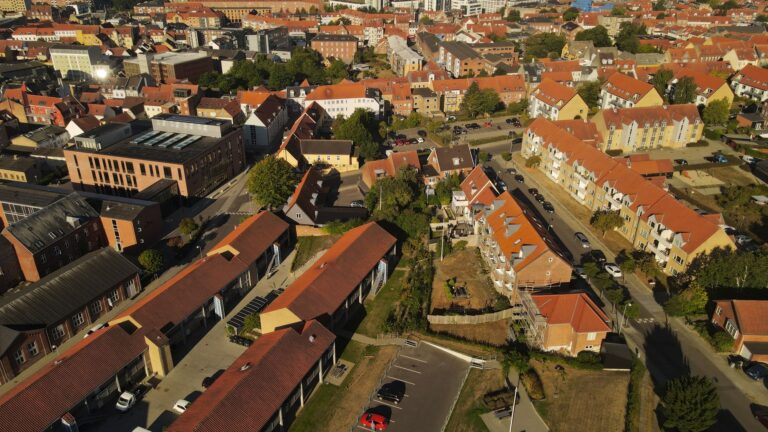
Located in the canton of Bern, the municipality of Köniz represents one of those Swiss enclaves that escape mass tourism routes while harboring an intense daily life. With a population exceeding forty thousand inhabitants, this expansive municipality combines consolidated residential areas, protected green spaces, and a historical past dating back centuries. Unlike the hustle and bustle of denser urban centers, the pulse here is set by daily public transport commutes, pauses at local markets, and the conservation of a natural environment that slopes gently toward the streams crossing the region.
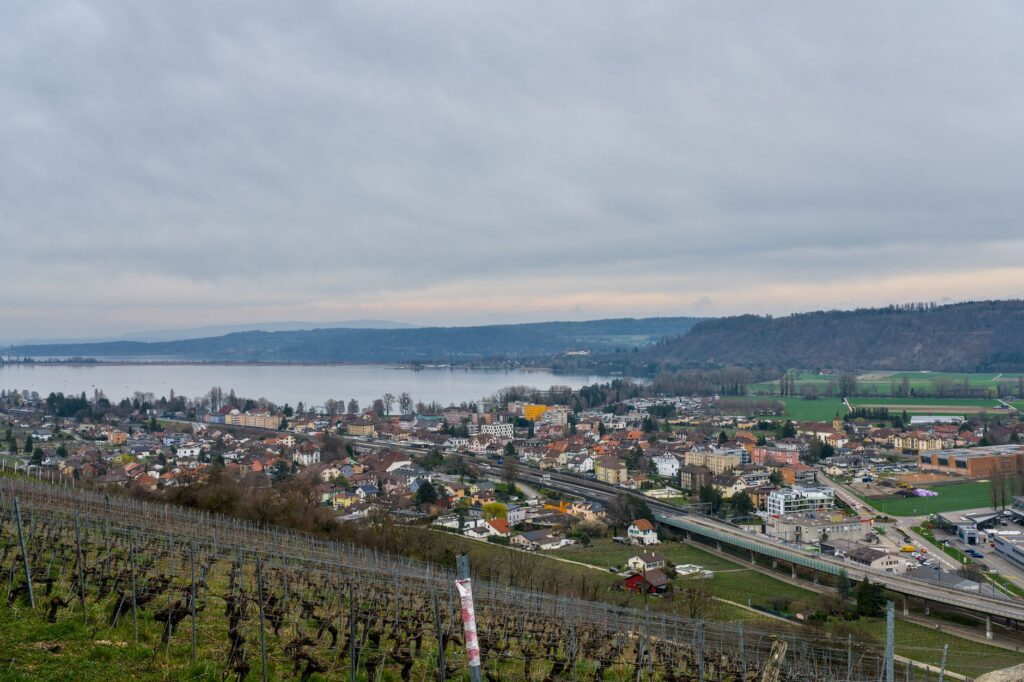
The geography of the place defines its character. Situated at an average altitude of around five hundred and seventy meters, the municipal territory ranges from hillsides historically dedicated to agriculture to urbanized zones where residential architecture reflects various stages of twentieth-century expansion. For the traveler seeking to understand Swiss reality beyond traditional postcards, Köniz offers a clear perspective on how suburban communities manage their growth without sacrificing local identity.
Furthermore, the municipality acts as a bridge between the intense rhythm of nearby urban centers and the tranquility of the Bernese countryside. Local planning emphasizes maintaining distinct boundaries between built-up areas and green perimeters, avoiding chaotic sprawl. This deliberate territorial management ensures that natural resources remain intact and accessible to all citizens who value open landscapes for their daily well-being.
Visitors who take the time to explore beyond the main avenues will discover a landscape sculpted by generations of farmers, planners, and community organizers. Every district within Köniz maintains its own distinct atmosphere, contributing to a diverse mosaic that defies the notion of a uniform suburb. It is precisely this structural variety that enriches the visitor experience, providing numerous entry points for quiet observation and leisurely discovery.
The Medieval Footprint in Everyday Landscapes
The historical heritage of the area finds one of its greatest expressions in the former commandery of the Teutonic Order, an architectural ensemble anchoring the medieval roots of the municipality in the present. Such buildings do not act merely as static monuments; rather, they form part of the living fabric of the locality, integrating into hiking trails and urban walks that allow visitors to explore centuries of history without crowds.
Walking near these historic buildings reveals an architectural continuity that respects the human scale. Local authorities and residents have promoted strict preservation regulations for decades, preventing real estate development from altering the physiognomy of the old centers. This attention to heritage detail turns every stroll into a lesson in civic history and sustainable urban planning.
In addition to major historical landmarks, smaller rural structures, old farmhouses, and traditional way markers scattered throughout the municipality remind observers of the agricultural foundations upon which modern Köniz was built. These historical assets are carefully inventoried and protected, ensuring that future generations can trace the evolution of the local built environment from feudal times to the industrial and post-industrial eras.
Educational walking trails equipped with informative signage offer self-guided insights into these architectural layers. Rather than cordoning off history behind glass, the municipality integrates its heritage into daily life, allowing locals and travelers alike to brush past ancient stone walls on their way to modern bakeries or transit stops.
Community Life and Spaces for Gathering
Daily rhythm in Köniz is organized around neighborhood squares, community centers, and a network of rural and pedestrian paths connecting different districts. Local markets, held periodically, bring together regional producers and residents seeking proximity products, consolidating a model of conscious consumption that forms part of the municipal sustainability guidelines.
Public spaces are designed to encourage intergenerational coexistence. Well-maintained children’s playgrounds, busy municipal libraries, and neighborhood meeting centers showcase an organized and participatory society. Social cohesion in Köniz relies on robust public infrastructure ensuring accessibility and well-being for all its residents.
Civic associations play an active role in shaping local events, ranging from seasonal celebrations to neighborhood forums where public matters are openly discussed. This grassroots involvement strengthens trust among neighbors and ensures that municipal policies reflect actual community needs rather than top-down mandates.
Public plazas function as open-air living rooms where seniors gather to chat, children play safely, and local artisans occasionally display their craft. By prioritizing human-scale interaction over vehicular dominance in these central areas, Köniz fosters an environment where genuine human connection remains at the forefront of daily existence.
“The true identity of a municipality does not lie in its most celebrated monuments, but in the capacity of its inhabitants to care for shared space day in and day out.”
Integrated Mobility and Territorial Sustainability
One of the most notable aspects of management in Köniz is its transport network and road planning. Due to its direct influence under the federal capital, the municipality handles significant commuter traffic flows. The institutional response has focused on boosting the use of trams, intercity buses, and segregated bike lanes, reducing dependence on private vehicles for internal journeys.
This commitment to sustainable mobility not only relieves congestion but also transforms the experience of touring the municipality. Visitors can easily move between the different nuclei making up Köniz using only integrated public transport, enjoying a landscape where the green of surrounding fields and forests is never too far away.
Pedestrian connectivity receives equal attention, with continuous sidewalks, well-lit underpasses, and dedicated walking paths ensuring that non-motorized travel remains safe and attractive throughout all seasons. Traffic-calming measures implemented in residential quarters further enhance neighborhood safety, discouraging through-traffic and prioritizing residents on foot or bicycle.
Collaboration with regional transit authorities guarantees seamless ticketing and synchronized schedules, making transfers between local buses and high-capacity rail lines effortless. This holistic approach to getting around demonstrates that suburban mobility can be both efficient and environmentally responsible.
Peri-urban Agriculture and Green Lungs
The natural environment of Köniz plays a fundamental role in local quality of life. The agricultural strips still stretching between residential neighborhoods act as an ecological buffer and recall the municipality’s rural past. These lands are farmed under strict environmental regulations protecting biodiversity and ensuring local food production.
The forests and hills bordering the municipal territory offer a trail network highly valued by both hikers and cyclists. The conservation of these natural spaces responds to an active soil protection policy, halting uncontrolled urban expansion and ensuring residents have leisure areas minutes from their homes.
Local farmers receive support to implement sustainable agricultural practices, such as crop rotation, reduced pesticide use, and the maintenance of hedgerows that provide habitats for native wildlife. These working landscapes are not merely picturesque backdrops; they represent a vital economic and ecological component of the region.
Environmental education programs often utilize these peri-urban farms and protected woodlands to teach younger generations about food origins, conservation, and ecosystem interdependence. In this way, nature acts as an active classroom embedded directly within the community.
Residential Architecture and Urban Evolution
The urban development of Köniz throughout the twentieth and early twenty-first centuries offers an interesting case study on the integration of single-family housing blocks and modern residential complexes. Far from the monotony of dormitory suburbs, the locality has fostered neighborhoods with distinct personalities, where common spaces and building energy efficiency are priorities.

New real estate developments must meet rigorous ecological and landscape integration standards, ensuring the municipality’s architectural profile maintains visual harmony. This care in urban design prevents negative visual impact and promotes an aesthetic environment consistent with the Swiss tradition of order and functionality.
Retrofitting older housing stock with modern insulation, solar panels, and energy-efficient heating systems has also been a major focus for local homeowners and municipal authorities alike. Financial incentives and technical guidance facilitate these upgrades, reducing overall carbon emissions across the residential sector.
Urban planners strive to maintain a balance between density and breathing room, ensuring that every new block of flats is accompanied by adequate green landscaping, bicycle storage, and communal recreational areas. This thoughtful approach prevents the sterile uniformity often associated with rapid suburban growth.
Culture and Local Traditions in the Twenty-First Century
The cultural life of Köniz draws both from the secular traditions of the canton of Bern and from the diversity brought by new generations of residents. Local festivals, neighborhood associations, and small-format musical events fill the locality’s annual calendar, offering cultural alternatives away from mass commercial circuits.
This cultural programming fosters a sense of belonging and allows visitors to delve into authentic Bernese community life. Local artistic expressions and craft fairs reflect a deep respect for traditional knowledge, naturally adapted to the demands of a contemporary, open society.
Libraries and community centers frequently host exhibitions featuring local artists, historical retrospectives, and literary readings, reinforcing the intellectual vitality of the municipality. These events provide spaces for dialogue where residents of diverse backgrounds can share perspectives and celebrate common interests.
Gastronomic traditions are similarly preserved and celebrated through seasonal events highlighting regional recipes, local wines, and artisanal cheeses. By keeping these culinary customs alive, Köniz ensures that heritage remains a sensory, lived experience rather than a mere historical abstraction.
Practical guide
- Getting there: Köniz is perfectly connected to the city of Bern via regular bus and tram lines operating continuously throughout the week.
- Local transport: The best way to explore the municipality is on foot or using the public transport network integrated into Bern’s canton-wide fare system.
- When to visit: Spring and autumn months offer pleasant temperatures and ideal landscapes for exploring natural trails and agricultural areas.
- Accommodation: Although local hotel options are limited, proximity to Bern allows travelers to base themselves in the capital and reach the municipality in minutes.
- Gastronomy: Local restaurants and area farms offer zero-kilometer dairy products and traditional Bernese specialties.
The Reflection of a Community in Equilibrium
Observing Köniz at dusk, when golden light illuminates traditional roofs and the fields of the Bern-Mittelland district, conveys a sense of order and serenity. This is not a stage designed for tourism, but a shared home where every administrative decision, every bus route, and every protected tree tells the story of a community dedicated to preserving its well-being.
At the end of the journey, the locality reveals itself as a destination inviting pause and reflection on the value of local coexistence. Between its medieval heritage, its agricultural spaces, and the daily commitment of its inhabitants, Köniz demonstrates that true travel consists of understanding how those who have learned to balance respect for memory with the demands of the present live.
Ultimately, a visit to this Swiss municipality leaves travelers with a renewed appreciation for deliberate, sustainable community planning. It proves that progress and heritage preservation can coexist harmoniously when guided by civic responsibility and long-term vision.