City of Port Phillip in Australia is a dynamic coastal region where intense urban living meets delicate marine ecosystems. Situated in the state of Victoria, this metropolitan municipality spans heavily populated neighborhoods and scenic waterfronts. Managing the balance between human activity and environmental preservation requires coordinated action from local government bodies, scientists, and the community. The territory faces ongoing challenges related to coastal erosion, storm surges, and the protection of native biodiversity that thrives just steps away from commercial hubs and residential zones. Through rigorous monitoring and public engagement, the region strives to maintain its ecological health while accommodating both residents and seasonal visitors.
An Urban Coastline Under the Lens of Urban Ecology
The coastal strip stretching across City of Port Phillip in the state of Victoria, Australia, represents a setting where urban density and the fragility of marine ecosystems converge daily. With a population exceeding one hundred and twelve thousand residents and an average elevation that sits barely above sea level, this territory is not merely a recreational zone for Melbourne, but a living laboratory of environmental governance. Here, fine sandy beaches and ancient urban wetlands coexist with port infrastructure and waterfronts heavily transited by residents and visitors alike. Urban planners must constantly evaluate how infrastructure development affects local hydrology and sediment transport along the shore.
The primary challenge lies in mitigating the impact of human activity on a coastal environment highly vulnerable to erosion and climatic shifts. Unlike natural reserves far removed from urban centers, this Australian municipality manages its biodiversity just metres away from residential and commercial areas. The pressure on sandy shores, retaining walls, and remnants of native vegetation forces a permanent rethinking of public policies and community involvement in the stewardship of their local environment. Strategic initiatives focus on reinforcing natural defenses, reducing runoff pollutants, and ensuring that public spaces are utilized sustainably.
Citizen Science as the Backbone of Governance
To address the complexity of its coastal ecosystems, local authorities and conservation groups have firmly embraced participatory science. This approach integrates neighbors, students, and volunteers into water quality monitoring, migratory bird censuses, and the assessment of dune health. The systematic collection of data carried out by the community allows for the detection of ecological alterations with a speed that municipal services alone could hardly achieve. Local universities often partner with civic groups to analyze water samples and track macroinvertebrate populations.
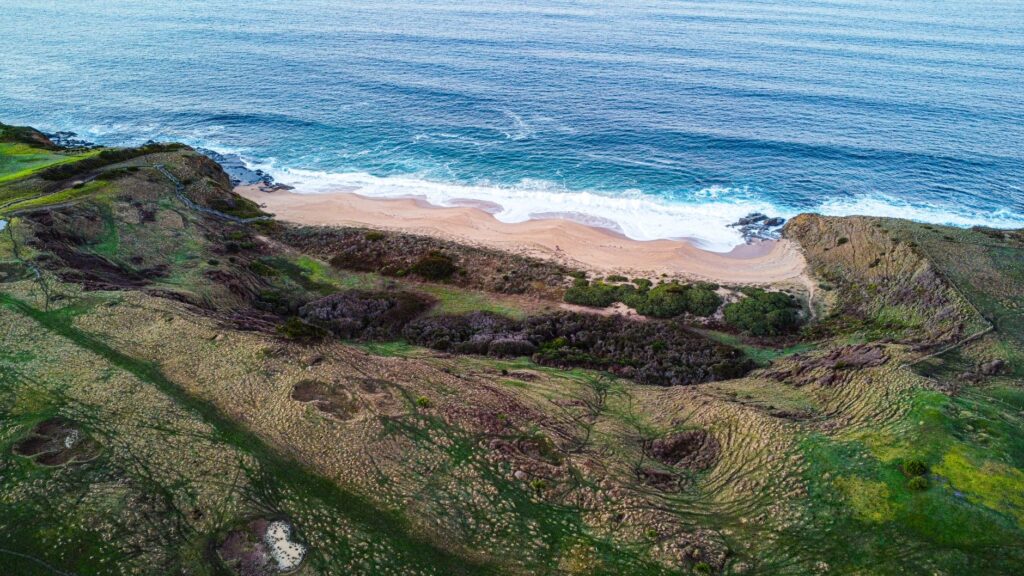
Biological sampling programs organized along the coastline foster a profound understanding of local natural cycles. When a group of residents documents the presence of microplastics on the shore or maps the recovery of halophytic vegetation after a storm, they generate information directly applicable to administrative decision-making. This constant exchange between scientific knowledge and everyday experience consolidates a management model where territorial protection ceases to be a bureaucratic imposition and becomes a shared commitment. Workshops and training sessions empower citizens to become active observers of environmental health.
Restoration and Defense of Coastal Wetlands
The urban wetlands of the area constitute authentic refuges of biodiversity and natural barriers against spring tides. For decades, Melbourne’s growth fragmented these habitats, reducing them to small surfaces isolated by asphalt and concrete. Today, ecological restoration projects focus on reconnecting these damp spaces through green corridors that facilitate species flow and improve soil infiltration capacity. These wetlands also serve as vital resting stops for migratory bird species traveling along the East Asian-Australasian Flyway.
Recovery efforts involve the removal of invasive plant species, such as certain exotic grasses that displace native flora, and their replacement with endemic shrubs and trees adapted to salinity and sea breezes. These interventions not only benefit local birdlife and benthic invertebrates but also act as natural carbon sinks and cushion the impact of stormwater surges originating from neighboring districts. Specialized conservation teams monitor soil chemistry and hydrological flows to ensure long-term ecosystem resilience against changing climatic patterns.
Historical Heritage and Landscape Transformation
The identity of City of Port Phillip cannot be explained without understanding its nineteenth-century maritime and residential past. The original piers, warehouses converted into cultural centers, and Victorian-style buildings flanking the coast narrate the evolution of a community historically turned toward maritime routes. This architectural heritage now engages with the new demands of urban sustainability, forcing planners to protect historic structures against rising sea levels without distorting their scenic value. Local heritage committees work alongside environmental engineers to design adaptive solutions.

The conservation of this legacy includes safeguarding wooden piers and historic promenades that have defined the coastal skyline for generations. Restoration work on these structures employs materials compatible with the marine environment and techniques that respect the original morphology, avoiding purely utilitarian solutions that would disrupt the visual harmony of the waterfront. Thus, the material memory of the area becomes an educational and cultural resource that reinforces inhabitants’ sense of belonging. Heritage walking trails provide interpretive signage detailing the region’s maritime history and architectural evolution.
Tourism Pressure and Seasonal Leisure
With the arrival of warmer months, the municipality’s floating population increases significantly, attracting thousands of swimmers, athletes, and visitors from other parts of the metropolitan area. This massive influx generates tensions over local infrastructure, waste management, and the tranquility of seabird nesting grounds. Reconciling the right to leisure with the preservation of fragile habitats requires strict regulation of beach access and ongoing public awareness campaigns. Park rangers and volunteers conduct outreach activities during peak weekends to educate beachgoers.
Municipal ordinances limit transit in sensitive dune areas through elevated wooden walkways and informative signage explaining the importance of respecting flora in regeneration phases. Additionally, the use of public transport and cycling networks to access the coastline is encouraged, reducing private vehicle congestion and pollutant emissions near the shore. The success of these measures depends as much on institutional oversight as on the adoption of responsible consumption guidelines by those enjoying public space. Waste reduction initiatives and community clean-up events further mitigate the environmental footprint of seasonal tourism.
Environmental Education and Community Roots
Long-term sustainability in such a densely populated environment requires ongoing educational work that begins in classrooms and extends to all sectors of society. Educational institutions in the region regularly collaborate with municipal conservation programs, turning beaches and coastal parks into open-air classrooms where students learn marine ecology firsthand. School curricula integrate local environmental challenges to foster a deep connection between students and their surrounding natural habitats.

The early involvement of younger generations ensures that coastal stewardship is not perceived as a restriction, but as an essential element of urban quality of life. Recycling workshops, informative talks on local fauna, and voluntary beach clean-up days gather hundreds of people each season, weaving a network of neighborhood solidarity that transcends generational differences and consolidates a culture grounded in environmental respect. Public libraries and community centers also host exhibitions and lecture series focusing on urban conservation strategies and marine biodiversity.
Practical guide
How to get there: City of Port Phillip is integrated into the Melbourne metropolitan area, accessible via urban tram systems and the suburban rail network operated by Metro Trains Melbourne.
When to visit: The months of the Australian spring and summer (from October to March) offer the best weather conditions for exploring the coastline, although autumn stands out for its tranquility and migratory bird watching.
Sustainable mobility: The area features an extensive network of bicycle lanes and a flat topography ideal for active travel on foot or two wheels.

Conservation rules: Access to marked dune areas and littering on beaches and protected wetlands are strictly prohibited.
Accommodation and services: The hotel and gastronomic offerings prioritize local establishments with sustainability certifications and efficient management of water and energy resources.
The Serene Pulse of Water and Earth
Contemplating the sunset over the waters of Port Phillip from the stone dikes offers a perspective where nature and the city seem to reach a tacit agreement. In this corner of the state of Victoria, where the marine horizon merges with metropolitan bustle, environmental conservation is not an abstract ideal, but a daily task woven with patience, community science, and respect for the memory of the landscape. At the end of the day, when the tide recedes and silence reclaims dominion over the dunes, the coastline proves that it is possible to inhabit the territory without sacrificing its future. This delicate equilibrium remains a testament to what dedicated urban communities can achieve when they embrace their ecological responsibilities.