The Northern Gateway of Jordan Between History and Present
Irbid, located in the northernmost tip of Jordan, unfolds as a territory where ancient stone coexists with the dynamic pulse of a major university city. With an altitude of around five hundred and seventy metres above sea level, this settlement acts as a fundamental node connecting the Jordan Valley with the surrounding plateaus. Its streets, traversed daily by thousands of students and residents, preserve vestiges of ancient civilizations that chose this crossroads to establish agricultural and commercial settlements. The geographical positioning of Irbid within the Jordanian landscape has continuously defined its character as a meeting point for diverse communities.
Unlike other capitals or prominent tourist enclaves in the country, Irbid maintains a markedly everyday character. Mornings begin early, as traditional shops lift their metal shutters and the aroma of cardamom-spiced coffee fills the sidewalks. Urban mobility relies on a network of buses and shared taxis connecting residential neighbourhoods with the historic centre and the large academic institutions that have transformed local demographics in recent decades. The daily routine is marked by the steady movement of citizens going about their regular activities without the theatricality often found in purely touristic destinations across Jordan.
Urban Fabric and Life on the Streets
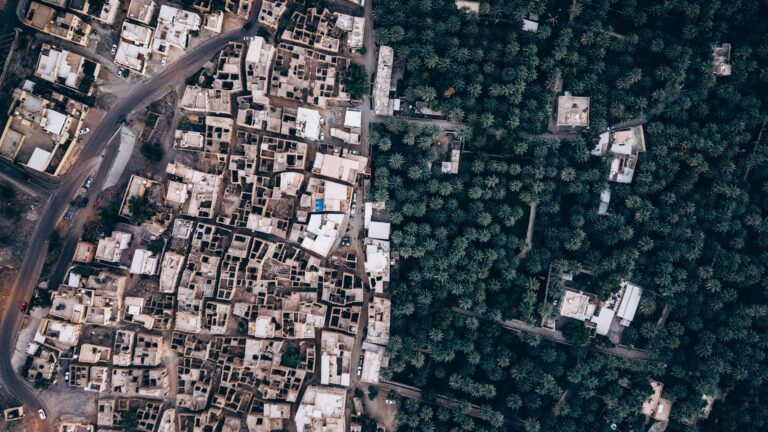
Strolling through the centre of Irbid reveals how transport and coexistence are organised in a city that has grown steadily. Main thoroughfares concentrate private vehicle and public transport traffic, while pedestrian alleys invite visitors to discover small workshops, open-air fruit stands and handicraft stalls. Architecture combines light-coloured limestone buildings with modern concrete structures reflecting rapid urban expansion. This juxtaposition of traditional building techniques and contemporary urban planning creates a visually distinct environment that tells the story of the city’s continuous evolution.
Traditional markets, locally known as souks, represent the commercial heart where both city residents and visitors from neighbouring rural towns stock up on goods. In these spaces, human interaction defines the daily rhythm: unhurried negotiations, cordial greetings and the constant movement of merchandise arriving from various points of the governorate. Planning urban travel is essential to navigate peak hours smoothly around main roundabouts and avenues. Merchants and buyers engage in polite exchanges that form the social fabric of these bustling spaces, offering a genuine glimpse into local commerce.
Historical Heritage and Regional Connections
Irbid’s geographical position has determined its vocation as a transit point since antiquity. Known in classical times as Arbela, the region has witnessed trade routes linking the Mediterranean with the interior of the Near East. Today, although transport has evolved towards widespread private car and medium-distance bus use, the essence of that ancient crossroads remains alive in the collective memory of its inhabitants. The pathways that once carried caravans of traders now facilitate the movement of modern commuters and travellers exploring the northern territories of Jordan.
Journeys towards Amman or the northern borders take place along well-paved roads crossing landscapes of rolling hills and olive groves. For travellers seeking to understand Jordanian geography beyond conventional circuits, Irbid offers an authentic perspective on how local communities manage mobility, trade and cultural heritage without tourism artifice. The remnants of past eras are not merely displayed behind glass but are integrated into the living, breathing environment of the streets and surrounding countryside.

University Life as a Driver of Dynamism
The presence of Yarmouk University and other educational institutions imparts an unmistakable youthful energy to Irbid. Bookshops, literary cafes and meeting spaces multiply around the campuses, generating a constant exchange of ideas and customs. This student population, hailing from diverse corners of the country and abroad, uses local transport daily, adapting to its schedules and dynamics. The intellectual atmosphere encourages public debates, small cultural exhibitions, and artistic gatherings that enrich the social fabric of the city.
This steady flow of young people not only boosts the local economy but also fosters an active cultural life based on debates, exhibitions and small artistic initiatives. The result is a city breathing a unique balance between traditional roots and the intellectual openness typical of a major academic hub in northern Jordan. Students mingle with long-term residents in public squares, creating a vibrant demographic blend that influences everything from local culinary offerings to public transport routes and schedules.
Landscapes and Horizons of the Governorate
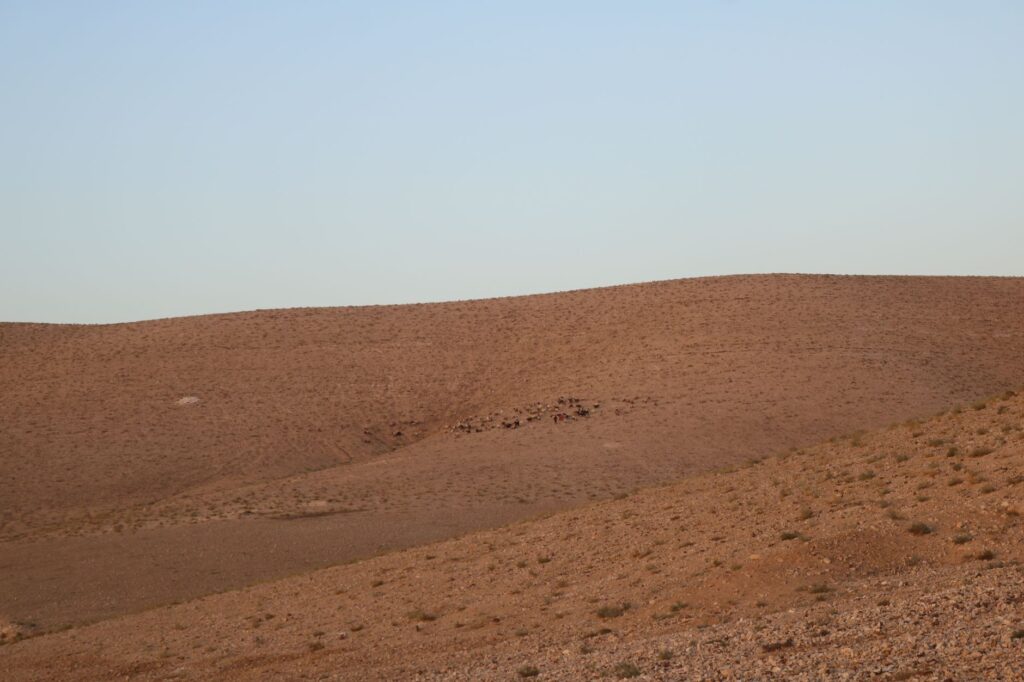
Beyond the urban core, the governorate of Irbid offers a natural environment characterised by fertile lands, gentle slopes and views stretching across surrounding valleys. Routes connecting the city with county villages wind through centuries-old olive groves and agricultural terraces cultivated for centuries. These road trips allow observers to appreciate the transition between urban bustle and rural tranquillity that defines the Jordanian landscape. The visual contrast between the densely built city centre and the open, green horizons of the governorate provides a comprehensive view of the region’s geography.
Short journeys across this region are ideal for those wishing to explore traditional rural architecture, where adobe and stone houses preserve construction methods adapted to the local Mediterranean climate. Preserving these agricultural landscapes remains a priority for local communities valuing their historical bond with the land. Walking along country lanes reveals the careful management of water resources and soil conservation techniques that have sustained agricultural traditions in northern Jordan for generations.

Practical Daily Mobility and Coexistence
Coexistence in Irbid relies on unwritten rules of mutual respect and hospitality facilitating the integration of any visitor. Using public transport requires patience and observation, as stops and signage codes respond more to popular custom than rigid printed schedules. Asking drivers or local merchants is the most direct way to navigate the city. Commuters share spaces in a cooperative manner, often offering guidance to newcomers who might be unfamiliar with the informal routes and pickup points.
This unhurried yet steady pace invites travellers to pause over small details: the sound of a bicycle bell, a street vendor’s call or a relaxed chat under a tree’s shade in a public square. The experience of exploring Irbid lies precisely in surrendering to this structured and genuine everyday rhythm. Observing the daily interactions among residents highlights the strong sense of community and mutual aid that underpins urban life in this part of Jordan.
Practical Guide
How to get there: Irbid is well connected by road with Amman and other major cities in the country through regular bus services and shared service taxis operating throughout the day.

When to go: Spring months (March to May) and autumn (September to November) offer very pleasant mild temperatures for walking and touring the region without intense summer heat.
Urban transport: The centre can be comfortably explored on foot. For longer distances or trips to university campuses, local taxis offer an economical and accessible fare.
Accommodation: Hotel options range from small family-run establishments in the old quarter to modern hotels geared towards business and academic travellers.
Local gastronomy: Do not miss trying traditional dishes of Jordanian cuisine in small downtown restaurants, where fresh produce and local spices are valued.
Final Reflection on the Northern Pulse
Irbid demonstrates that a city can beat strongly without requiring massive pharaonic infrastructures. Its capacity to integrate students, merchants and travellers into the same social fabric turns every journey through its streets into an exercise of unhurried discovery. Ultimately, the true value of this northern enclave lies in its intact authenticity and the daily hospitality of its inhabitants. Every pathway taken within its boundaries reflects a deeper connection to the history and geography of Jordan.