A Valley Sculpted by Water in the Highlands of Amman
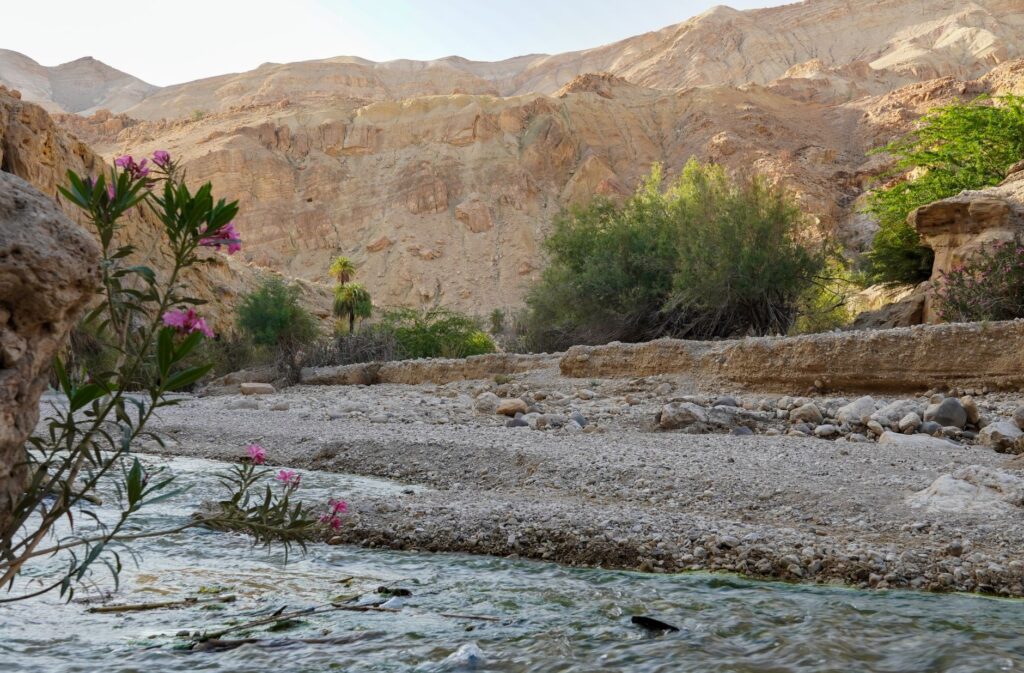
In the heart of Jordan’s highlands, where the arid plateau of Amman descends westward toward the Jordan Valley, the depression of Wādī as Sīr unfolds a landscape radically different from the surrounding geography. Here, underground springs flowing with a millennia-old consistency have allowed the flourishing of a green corridor rare in the region. The limestone slopes, shaped by the slow and steady erosion of streams, harbor an aquatic and terrestrial ecosystem where riparian vegetation contrasts vividly with the stony steppes characterizing the country’s central interior. This natural balance is not the result of chance, but the outcome of a historic interaction between available water and the local communities that have inhabited the valley for generations, harnessing its fertility without depleting its resources.
The very name of the place evokes the abundance of watercourses and the historical presence of water conduits connecting ancient settlements with farming fields. At an average altitude of around seven hundred and sixty meters above sea level, Wādī as Sīr enjoys a slightly cooler and more humid microclimate than the national capital. This climatic condition favors the formation of small seasonal wetlands and microhabitats where various species of migratory and resident birds thrive, alongside a rich variety of flora adapted to the constant moisture of the streams. Water thus acts as the backbone of a territory where biodiversity and human activity have shared the same physical space since remote times.
Historic Springs and the Persistence of Traditional Orchards
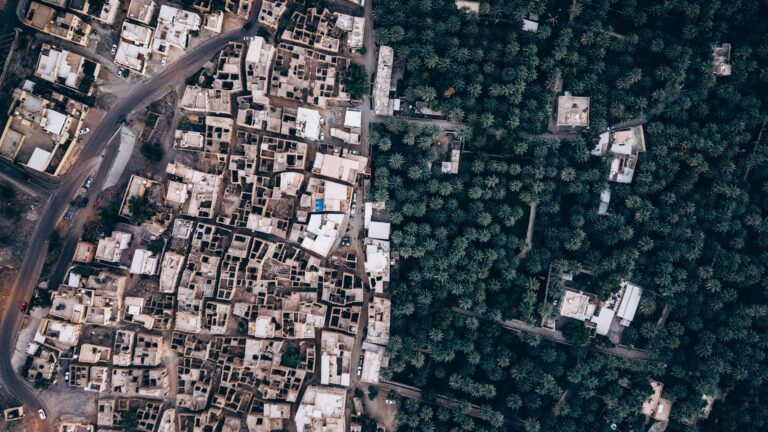
The relationship between the inhabitants of Wādī as Sīr and their water environment is embodied in the terraced orchards descending the valley slopes. For centuries, local farmers have designed gravity-fed irrigation systems that make use of every single litre originating from the main springs. This traditional utilization has given rise to a mosaic agricultural landscape, where centennial olive trees, citrus groves, and vegetable plots alternate with small patches of wild vegetation. Far from representing an aggressive transformation of the environment, these farming practices have acted as a protective belt that curbs soil erosion and maintains the permeability of the local aquifer.

The conservation of these traditional orchards constitutes a fundamental pillar for the ecological stability of the valley. At a time when many rural areas of the Near East suffer accelerated processes of desertification and agricultural abandonment, Wādī as Sīr keeps alive a model of subsistence polyculture and proximity. The stone and earth channels, cleared and repaired collectively before each planting season, distribute water with astonishing efficiency. This community management of water resources demonstrates that sustainability is not a modern concept in these lands, but an inherited practice that has guaranteed the survival of agricultural ecosystems and the biodiversity associated with the canal margins.
Riparian Flora and Fauna in the Heart of the Jordanian Steppe
Along the watercourses crisscrossing Wādī as Sīr, riparian vegetation creates a biological corridor essential for wildlife. Tree species such as willow and poplar, accompanied by reed beds and thorny shrubs, offer shelter and food to numerous bird species, small mammals, and pollinating insects. For the avifauna traversing the African-Asian Rift Valley migratory corridor, this valley functions as an indispensable oasis to refuel before continuing their journey over the vast arid expanses of the region. The continuous presence of surface freshwater allows amphibians and reptiles to find optimal conditions for reproduction here.
However, this delicate biological balance faces significant contemporary challenges. Population growth in surrounding settlements and urban pressure in the upper zones of the municipality threaten to alter the natural recharge patterns of the aquifers. Surface runoff derived from paving and solid waste management in nearby urbanized areas raise questions about the long-term quality of spring water. For this reason, ecologists and local administrations underline the need to implement rigorous protection measures that restrict disorderly construction on the valley margins and safeguard the ecological corridors allowing the free flow of wildlife.
Architectural Heritage and Ancient History Along the Watercourses
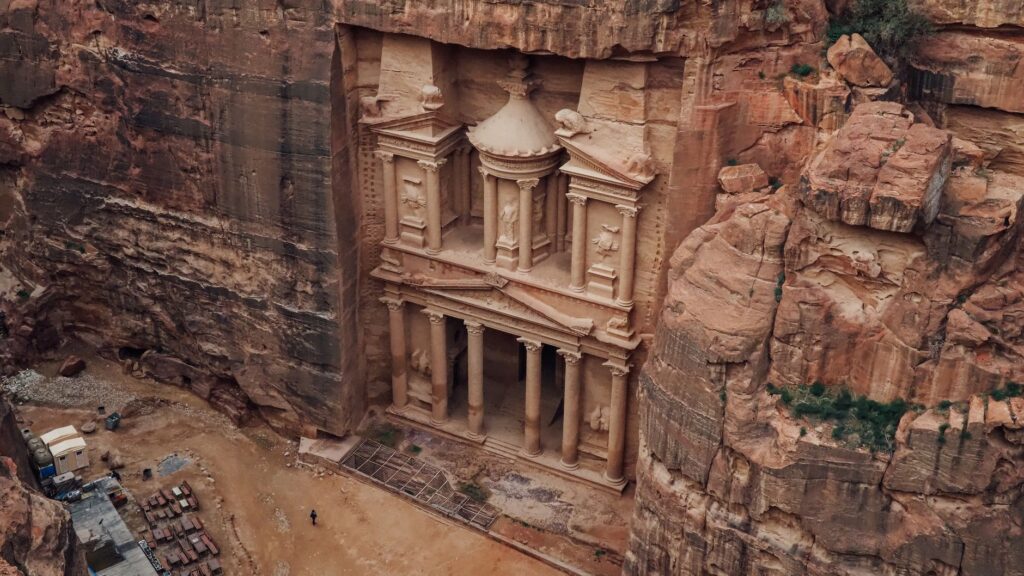
The value of Wādī as Sīr transcends its purely ecological and agricultural dimension; the valley is also an open-air archaeological archive. In its vicinity stands the monumental site of Qasr al-Abd, a Hellenistic palace dated to the 2nd century BCE, whose limestone ruins rise above a landscape once surrounded by artificial ponds. This architectural work reflects the strategic and economic importance the valley possessed in antiquity, when control of water sources and trade routes between the Mediterranean coast and the interior of the Arabian Peninsula determined the rise of civilizations.
The interaction between monumental remains and the natural environment reinforces the uniqueness of Wādī as Sīr’s cultural landscape. Visitors walking the trails near the ruins can observe how carved stone from the Hellenistic era coexists with agricultural terraces still in use and geological formations shaped by the ancient action of water. This historical continuity makes the valley a privileged study space to understand the evolution of water management techniques and human adaptation to a semi-arid environment. The preservation of this heritage requires a comprehensive approach protecting both archaeological monuments and the aquatic ecosystems giving them context.
Low-Impact Tourism and Visitor Responsibility
With the increasing interest in nature tourism in Jordan, Wādī as Sīr has begun to receive travelers interested in exploring its geological and scenic heritage. Nevertheless, this influx poses the challenge of avoiding overcrowding and environmental deterioration. Unlike the country’s major archaeological enclaves, this valley lacks massive visitor infrastructure, which constitutes an advantage for those seeking a respectful experience with the environment, yet demands a high degree of self-discipline from those traversing it. Respect for private property, the use of established trails, and the absolute prohibition of littering are basic rules to guarantee the conservation of the place.
Ecotourism-oriented initiatives in the area promote guided walks led by local residents, allowing economic benefits from tourism activity to remain within the community and reinforce the value of conserving the landscape. These walking routes enable an understanding of the complex aquatic ecosystem without disturbing wildlife tranquility or interfering with agricultural chores in the orchards. By prioritizing leisurely contact and learning about traditional water management, the visitor becomes an active ally in protecting this fragile oasis, demonstrating that it is possible to travel without altering nature’s delicate pulse.
Conservation Practices and Future Challenges for the Municipality
The future of Wādī as Sīr depends largely on the capacity of authorities and civil society to coordinate effective environmental management policies. Among the priorities pointed out by conservation experts is the improvement of sanitation networks in upper urban areas to prevent contaminating leaks toward aquifers feeding the springs. Likewise, awareness campaigns directed at resident communities are promoted regarding the importance of using irrigation water with efficiency criteria, reducing waste and protecting riparian vegetation against indiscriminate logging.
Another key front is the strict delimitation of protected areas around springs and the best-preserved sections of the stream. These measures seek to curb uncontrolled urban expansion and ensure subterranean hydrological flows maintain historical replenishment levels. The challenge consists of reconciling socioeconomic growth of an expanding population with the preservation of a natural and cultural heritage constituting the true identity of the valley. Cooperation between farmers, institutions, and local associations is the only viable path to ensure future generations continue finding in Wādī as Sīr a refuge of greenery and life amid the steppe.
Practical guide
How to get there: Wādī as Sīr is located in the western outskirts of Amman. The most practical way to access it is by private vehicle or taxi from the center of the Jordanian capital, in a journey typically lasting between thirty and forty minutes depending on urban traffic.
When to go: The spring months (from March to May) and autumn (from September to November) offer the mildest temperatures for walking through the valley and enjoying agricultural landscapes in full activity. During summer, the central hours of the day can be hot.
What to bring: Comfortable, sturdy footwear for walking on dirt and stone trails, light clothing suitable for sun protection, and a reusable water bottle to stay hydrated. Carrying cash in Jordanian dinars is recommended for small expenses at local shops.
Environmental respect rules: Respect the crops and private property of local farmers. Do not leave waste under any circumstances and avoid excessive noise to prevent disturbing local wildlife, especially in areas close to watercourses and springs.
A Refuge of Life That Endures in the Memory of the Landscape
In short, Wādī as Sīr stands as an eloquent testimony to the capacity of nature and human beings to weave a lasting coexistence in a challenging environment. Far from conventional tourist circuits, this Jordanian valley invites travelers to slow their pace and contemplate the subtle architecture of an ecosystem sustained by the persistence of water. Every spring, every cultivated terrace, and every strip of riparian vegetation remind us that the true wealth of these places lies in their fragility and the daily care bestowed upon them by their inhabitants. By venturing along its trails with respect and attention, the traveler understands that biodiversity conservation and cultural heritage preservation are inseparable tasks, essential for the green heartbeat of Wādī as Sīr to continue resounding in the highlands of Jordan.