In New Zealand, Auckland occupies a narrow isthmus between two waters: the Hauraki Gulf to the east and the Manukau Harbour to the west. That geography explains much of its character. The city grew over a volcanic field of dormant cones, and today it combines a financial centre of tall towers with neighbourhoods where life unfolds at the scale of pavements, markets and wharves. For those arriving from afar, the first surprise is not modernity but the ease with which the volcanic landscape slips between the houses.
Auckland is also one of the most diverse cities in the Pacific. The Māori population, Pacific communities and a large Asian immigrant presence coexist in an urban fabric that changes from neighbourhood to neighbourhood. This report proposes a slower reading: understanding the city through its volcanic heritage, its markets, its historic districts and the responsible choices a visitor can make so as not to remain at the level of the postcard.
An isthmus built on lava
Auckland sits on the volcanic field of the same name, a line of cones and craters that the city has gradually absorbed into daily life. Many of those cones are now public parks, viewpoints and Māori ceremonial spaces. The relationship between the city and its volcanoes is not decorative: it shapes street layouts, the height of some buildings and the way neighbourhoods organise around the elevations.
For the visitor, that geological condition offers an unusual advantage: it is possible to read the history of the place on foot. The cones allow an understanding of how the isthmus formed and how the city chose to occupy it. Walking on their slopes is a way of grasping that Auckland was not built on neutral ground but on a geological structure that remains present in the landscape and in local memory.
This also explains a practical detail that surprises many travellers: the city is not flat. Short distances on a map can involve steep slopes, stairways and uneven paths. Choosing comfortable shoes and allowing extra time is not a minor formality but part of understanding how the city works. The same relief that offers views also imposes limits on how neighbourhoods connect, and that helps explain why local life is often organised at a small scale, close to home.
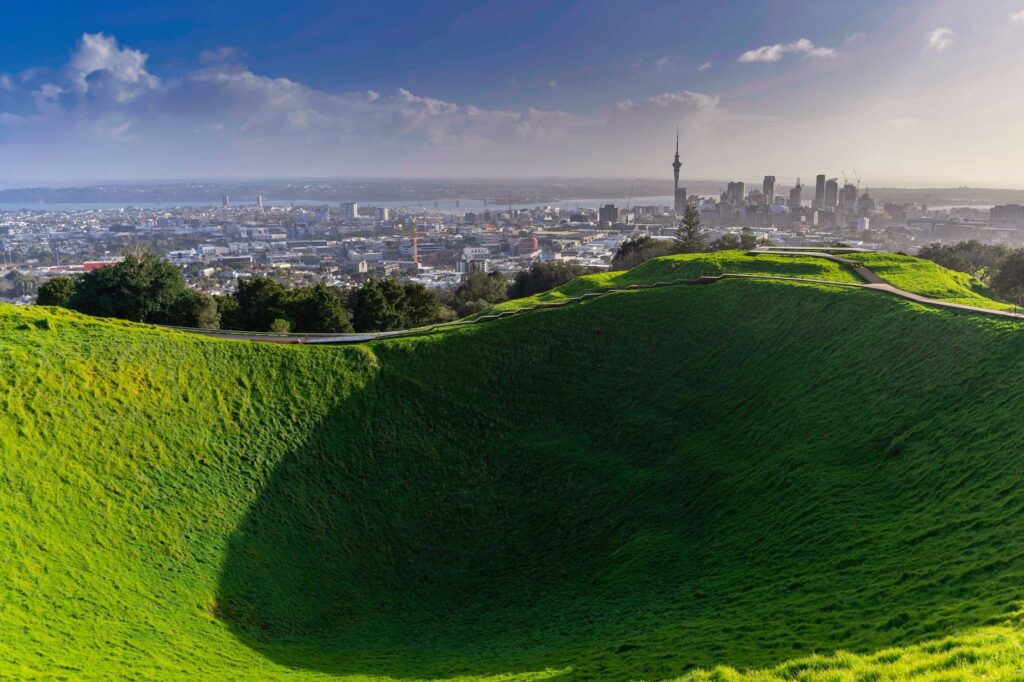
Auckland’s identity is not explained by its harbours alone: it also lies in the volcanoes the city learned to weave into everyday life.
The harbour as gateway and memory
The Port of Auckland has historically been the country’s gateway. Goods, migrants and vessels connecting New Zealand with the rest of the Pacific passed through its wharves. Today the port area coexists with pedestrian spaces, ferries and maritime activity that remains central to the regional economy.
Walking the waterfront reveals that coexistence between industry and leisure. It is not merely a scenic promenade: it is also a workplace. That mix explains why the port retains a functional character that resists touristic prettification. For the visitor, the recommendation is to observe without interrupting and to understand that the wharf is, above all, a productive space.
The waterfront also functions as a point of orientation. From the water, the relationship between the centre and the coastal neighbourhoods becomes clearer, and the scale of the isthmus stops being an abstraction. Observing the movement of ferries and cargo gives a sense of the city’s rhythm, which is less about spectacle than about routine. Understanding that rhythm helps visitors plan their days without fighting the city’s own pace.
Neighbourhoods where the city becomes everyday
Beyond the centre, Auckland is organised into neighbourhoods with distinct identities. Ponsonby, Grey Lynn, Parnell and Kingsland show different layers of urban history: nineteenth-century wooden houses, former shops turned into cafés and a neighbourly life sustained by tree-lined streets.
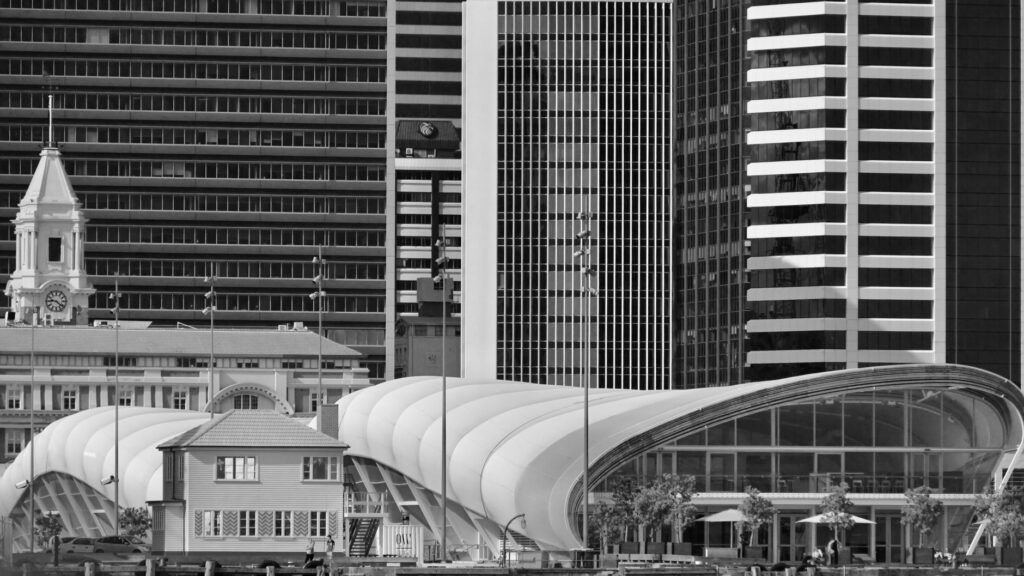
These districts allow an understanding of how the city has grown without entirely losing its human scale. Walking through them is one of the best ways to approach everyday local life. The key is to do so calmly, respecting narrow pavements and residents’ schedules, and avoiding treating residential streets as a stage set.
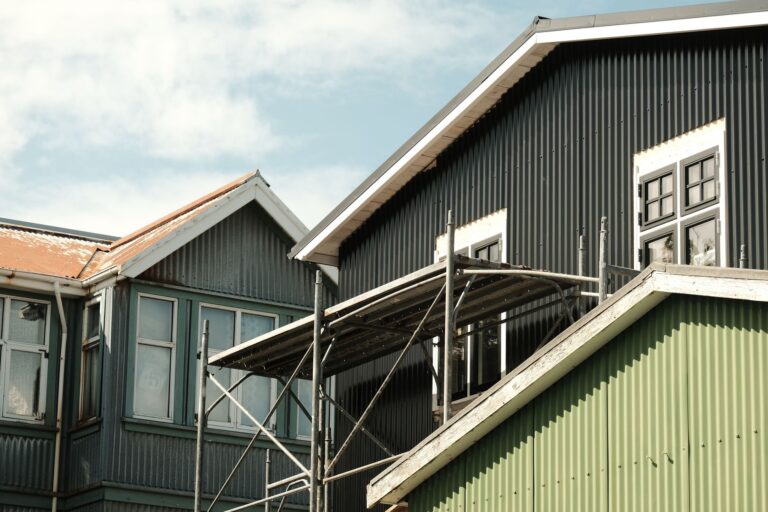
Wooden houses, small front gardens and verandas are a recurring feature of these districts, and they say something about how the city built its domestic life. Many of those homes are private property, which means the visitor’s role is to observe from the street and not beyond it. That simple boundary is one of the clearest ways in which tourism can coexist with ordinary life.
- Explore the neighbourhoods on foot during daylight hours.
- Respect pavements and the entrances to private homes.
- Frequent local markets rather than chain stores.
- Use public transport for longer journeys.
Markets and food of diverse origin
Auckland’s diversity is clearly expressed in its food. Neighbourhood markets, bakeries and small restaurants reflect a blend of Māori, Pacific, Asian and European traditions. That culinary coexistence is not a spectacle for tourists: it is part of daily life for many families.
For the visitor, the best way to approach that cuisine is to frequent weekly markets and neighbourhood spots, where prices and opening hours respond to local routines. It is worth checking ahead, since many markets operate only on specific days and at specific times.
Food is also a way of reading the city’s history. Ingredients and recipes that arrived with different communities have been adapted over time, and that process of adaptation is visible in everyday menus. Approaching that food with curiosity, asking about what is served and accepting that some dishes belong to family traditions rather than to a tourist offer, is a more honest way of getting to know the city than following a list of recommendations.

Māori heritage and visitor choices
Auckland is a city with a significant Māori presence. Māori heritage is not confined to museums: it is present in place names, in ceremonial spaces and in the way community life is organised. Visitors can approach that heritage with respect, informing themselves about protocols and avoiding treating sacred spaces as attractions.
A responsible choice is to favour experiences managed by local communities and to read carefully the indications at each site. Another is to accept that not all heritage is open to the public. That restraint is part of respect and improves the experience.
Place names are a good starting point. Many of them carry meanings linked to the landscape, to events or to the relationship between communities and their territory. Paying attention to those names, and to how they are written and pronounced, is a small but meaningful way of recognising that the city has a history older than its streets. It also helps the visitor move beyond a purely visual reading of the place.
Travelling thoughtfully in Auckland means accepting that some spaces are not designed for tourist consumption but for community life.
Getting around without haste
Auckland is a sprawling city with a terrain that shapes movement. Public transport, ferries and pedestrian routes allow visitors to combine neighbourhoods and wharves without depending on a car. For longer journeys, it is worth checking timetables and planning with a margin, since the city can be unpredictable at peak hours.
The ferry is one of the most pleasant ways to understand local geography: it connects the centre with coastal neighbourhoods and allows the city to be seen from the water. It is also a practical option for avoiding traffic and for observing the relationship between the city and its harbours.
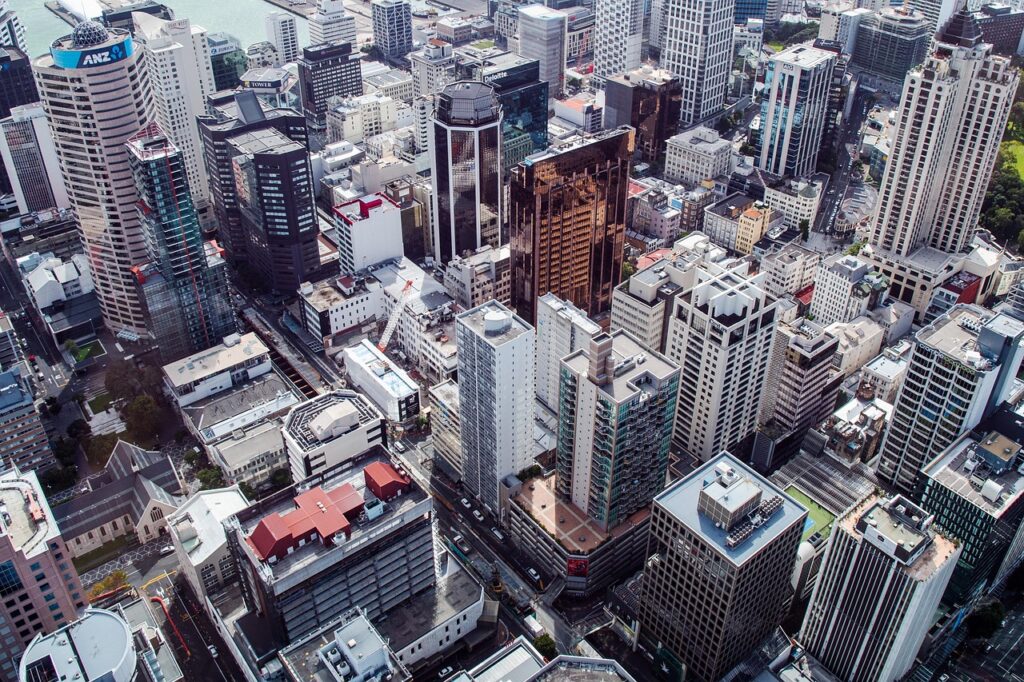
Walking remains the best tool for short distances, but it requires planning. Combining a stretch on foot with a ferry crossing or a bus ride often gives a more complete picture than trying to cover everything on foot. The important thing is not to treat transport as a mere transfer but as part of the experience: the way the city is crossed says a great deal about how it is lived.
Weather, seasons and the pace of the day
Auckland’s climate is changeable, and that shapes daily life more than any itinerary. Rain can arrive with little warning, and wind is a constant presence near the water. For the visitor, this means dressing in layers and carrying protection rather than planning rigid schedules. Local life adapts to these conditions, and doing the same makes the trip calmer.
Seasons also change the city’s rhythm. The southern summer concentrates activity on the waterfront and in outdoor spaces, while quieter months favour neighbourhood life and indoor spaces. Neither is better in absolute terms: they are simply different ways of experiencing the same place. Adjusting expectations to the season is a form of respect for the city’s own tempo.
A closing by the water
At the end of the day, Auckland offers a simple scene: water, wind and the lights of the wharves. That image sums up the city better than any brochure. It is not a static postcard but a place where everyday life and volcanic landscape intersect daily.
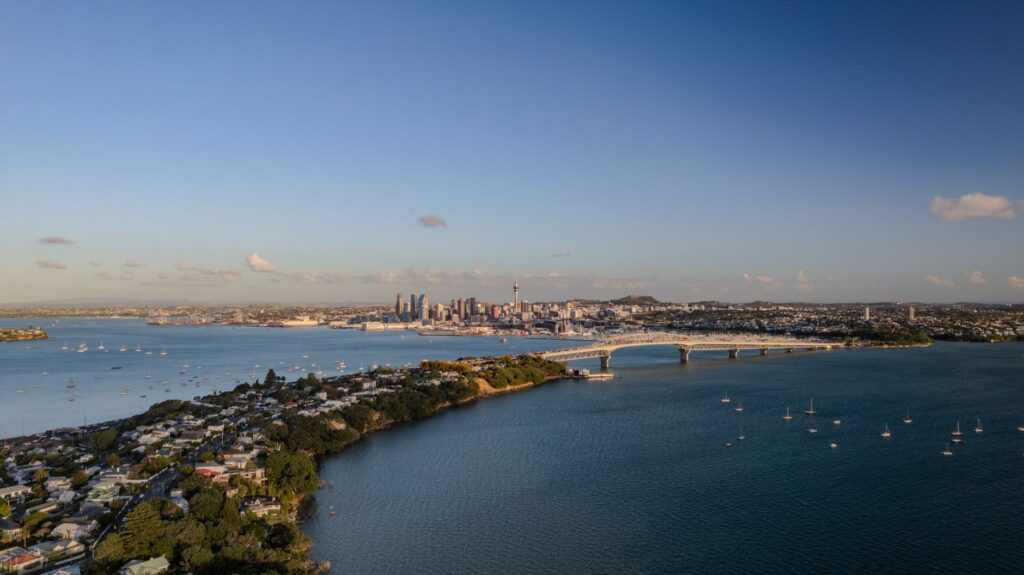
For the visitor, the lesson is clear: Auckland is best enjoyed when explored at a leisurely pace, when the life of its neighbourhoods is respected and when it is accepted that local heritage is not always signposted for tourism. That attitude turns a trip into a more honest experience and a more useful one for those who live there.
Practical guide
The best time to visit Auckland depends on the kind of trip. The southern summer, from December to February, offers long days and mild temperatures but concentrates more visitors. Spring and autumn are quieter and allow neighbourhoods and trails to be explored with fewer people. It is worth packing warm clothing and rain protection in any season, as the weather can change quickly.
To get around, public transport and ferries are practical options. It is advisable to check timetables before setting out and to book ahead in high season. As for etiquette, it is worth respecting local rules in natural and ceremonial spaces, leaving no waste and following the indications at each site. Neighbourhood markets usually operate on specific days, so it is useful to check before visiting.
- Check ferry and public transport timetables before setting out.
- Bring waterproof clothing and comfortable shoes.
- Respect ceremonial spaces and local indications.
- Frequent neighbourhood markets on their operating days.
- Avoid treating residential streets as tourist attractions.
With these precautions, Auckland reveals itself as a complex and welcoming city, where volcanic heritage, port life and cultural diversity coexist without fuss. That simplicity is, perhaps, its best introduction.