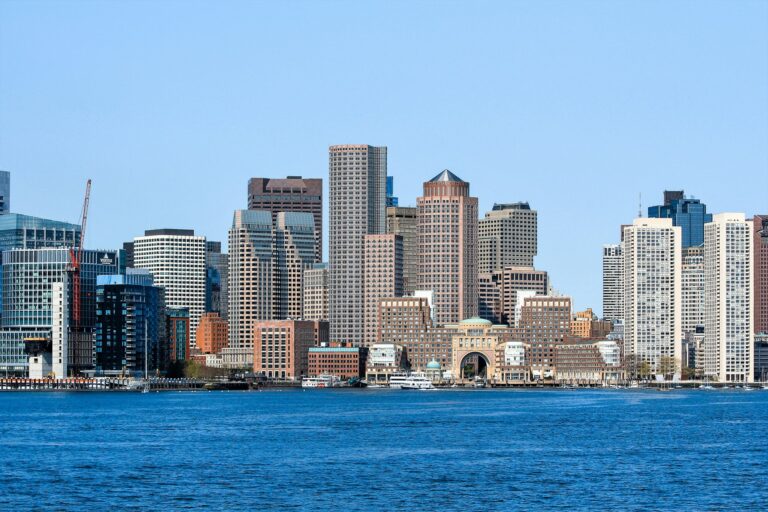
Geneva sits in Switzerland’s far southwest, where the Rhône leaves Lake Léman. With roughly 200,000 residents in the municipality and an urban area that spills into France, it is a city easily crossed on foot and yet demanding of time. Its old town rests on a stone hill; below, the lake and its quays set the rhythm of the day.
The city is known for diplomacy and watchmaking, but its daily life is best understood in neighborhood markets, in the trams that climb toward Carouge and on the terraces that fill when the north wind grants a truce. This report looks at Geneva through heritage and the visitor’s responsible choices: what to see, how to move and what to leave untouched.
A stone hill that orders the city
The old town hill concentrates Geneva’s urban origins. Around Saint Peter’s Cathedral, narrow streets preserve stone houses, inner courtyards and passages linking small squares. This is not a stage set: it is an inhabited neighborhood, with schools, shops and offices sharing space with tourism.
Walking here without a rigid map pays off. Place du Bourg-de-Four, a former market square, works as the old town’s living room: terraces, fountains and a steady flow of residents. A few steps away, the Reformation Wall recalls the city’s weight in Protestant Europe, with a sculptural ensemble best observed slowly and without haste.
Geneva’s heritage is not viewed from afar: it is crossed daily, among errands, trams and conversations in several languages.
For visitors, the practical advice is simple: comfortable shoes, water and an hour without an agenda. The slopes are real and the cobblestones punishing. Mornings are quieter; at midday, squares fill with workers and students.
Lake Léman as a public square
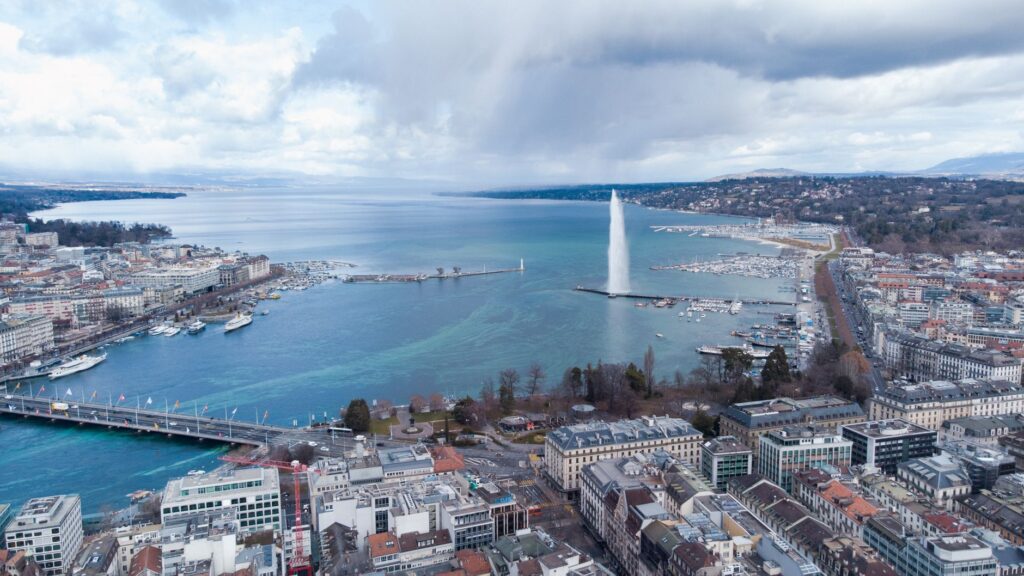
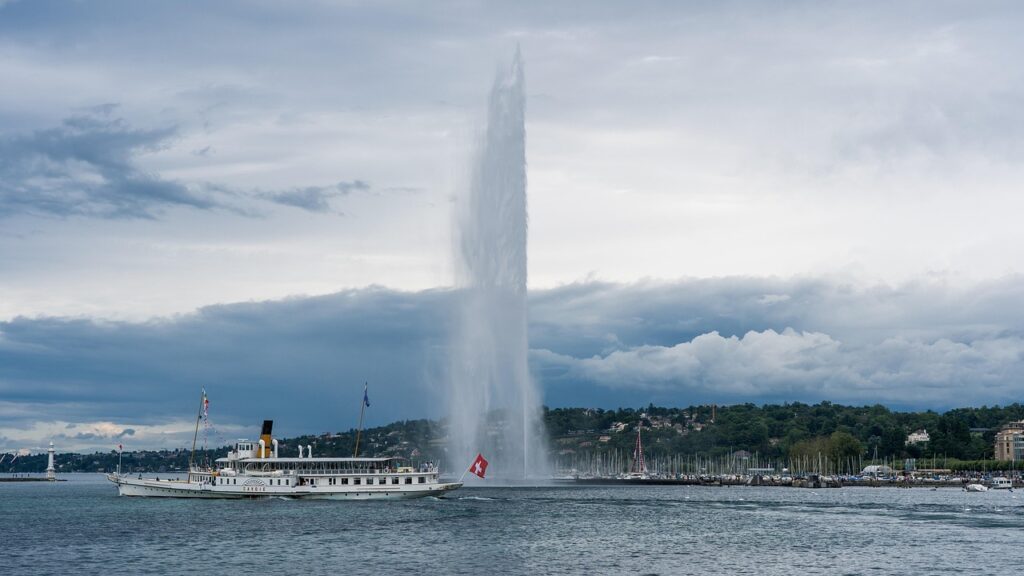
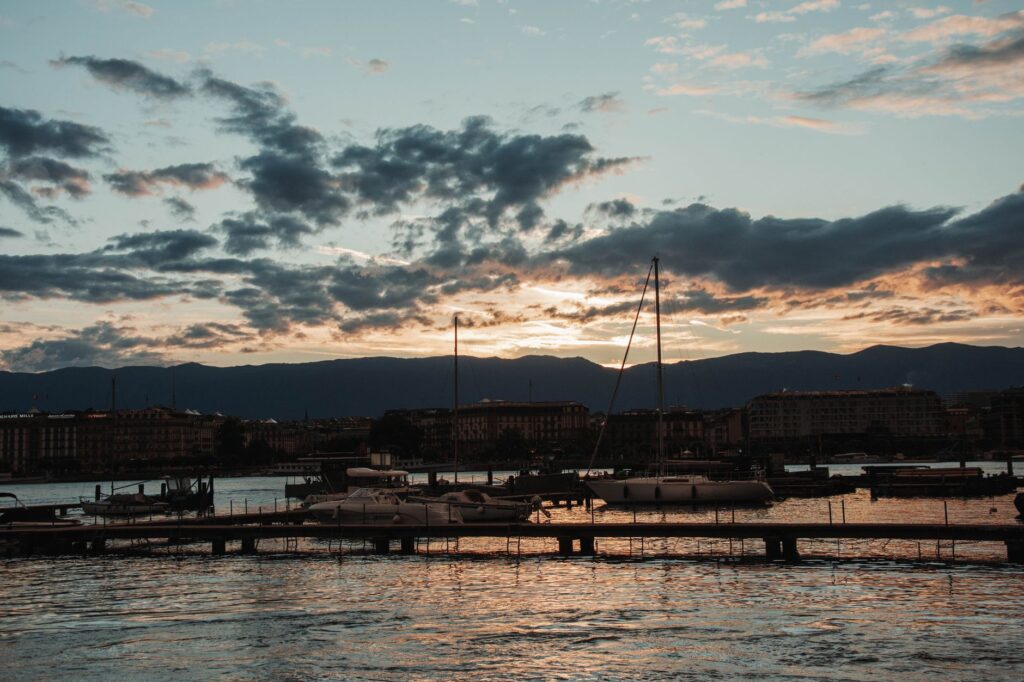
Lake Léman is not a scenic backdrop: it is everyday infrastructure. On its shores people run, swim in summer and take scheduled boats linking riverside towns. The Jet d’Eau, the water jet that has become an emblem, is best seen from the quays and the park around it.
The shoreline offers a lesson in urbanism: tree-lined promenades, benches, fountains and a mix of residents, office workers and visitors sharing space without apparent friction. On clear days, the Alps close the horizon; on breezy days, the water changes color and the walk grows shorter.
What to watch and what to avoid
- The Mont-Blanc quays and their surroundings draw walkers; early hours are calmest.
- Scheduled boats are public transport, not a tourist attraction: check timetables and respect queues.
- Swimming in the lake is regulated; designated zones are marked.
Geneva’s relationship with water also explains its history: port, trade and refuge. Today, the lake works as a democratic space where heritage and daily life meet.
Clocks, workshops and an inherited identity
Watchmaking is one of the city’s most solid narratives. It is not only luxury shop windows: behind them are technical schools, repair workshops and a chain of crafts including micro-mechanics, enameling and adjustment. The Patek Philippe Museum gathers historic pieces and explains the craft’s technical evolution without falling into advertising.
For visitors, the key is to distinguish between the consumer object and the knowledge that sustains it. Museums and training schools explain why Geneva identifies with measured time, and why that identity still generates skilled employment.
In Geneva, a watch is not just an object: it is a chain of crafts that is learned, taught and passed on.
Workshop and museum visits require booking and specific hours; check before traveling and do not assume availability. The city also offers industrial architecture routes and temporary exhibitions that complement the view.
Neighborhoods that show the other Geneva
Beyond the center, Carouge keeps a village feel with low streets, artisan workshops and market squares. Its history links to the old Kingdom of Sardinia and to an urban fabric different from the old town. It is a good place to eat slowly and observe neighborhood life.
On the other side, areas such as Les Pâquis concentrate diversity, local shops and a nightlife best explored with respect for those who live there. The mix of languages and kitchens is part of the daily landscape of an international city that nonetheless keeps a human scale.
A possible two-day route
- Day one: old town, cathedral, Reformation Wall and lakeshore.
- Day two: Carouge, neighborhood markets and a museum linked to watchmaking or local history.
- Move by tram and on foot; a car is unnecessary in the center.
This outline does not exhaust the city, but it reveals its logic: heritage uphill, water below and neighborhoods read at street scale.
Eating in Geneva: markets, bread and seasons
Local food is best understood in markets rather than luxury menus. Neighborhood markets offer cheeses, breads, seasonal vegetables and local products. Bread and dairy carry weight in the Swiss pantry, and in Geneva they combine with French and Italian influences.
For visitors, responsible choices mean favoring neighborhood establishments, respecting opening hours and avoiding waste. Inns and cafés in Carouge or Les Pâquis often offer more affordable lunch menus than tourist areas. Check prices and book when needed.
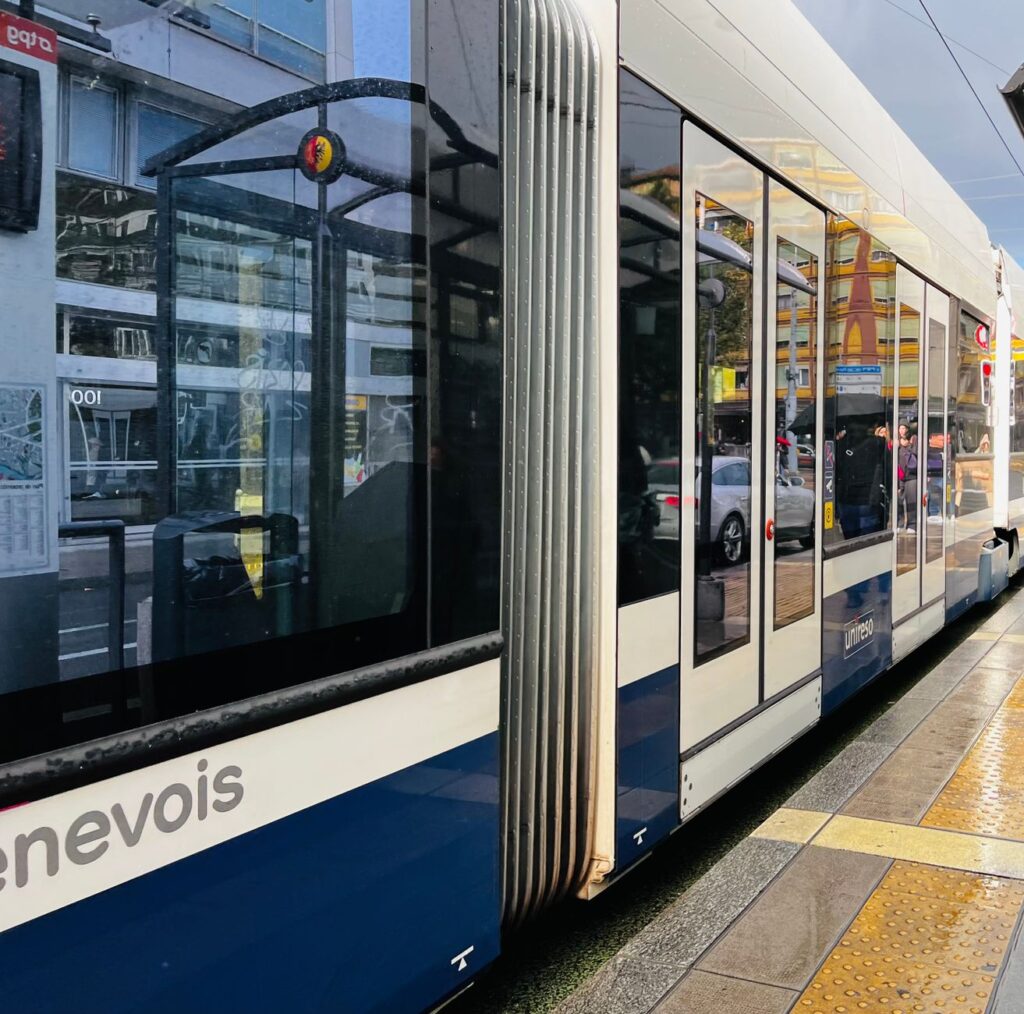
Table notes
- Lunch menus are usually cheaper than evening à la carte.
- Tap water is drinkable and commonly served; asking for it is standard practice.
- Tipping is not mandatory but appreciated when service justifies it.
The city also invites tasting seasonal specialties and checking product origins. That attention to provenance is part of a food culture that values traceability.
Getting around: trams, bicycles and choices
Geneva has a tram and bus network linking the center with neighborhoods and the French border. Public transport is the most efficient way to move; tickets are bought at machines and via apps, and validation is required where the system demands it.
Cycling gains ground with lanes and rental stations, though hills and traffic require caution. Walking remains best for the old town and shores. For visitors, responsible choices mean reducing unnecessary trips and grouping visits by area.
Mobility tips
- Check updated timetables and maps at transport offices.
- Avoid peak hours if traveling with luggage.
- Respect access rules for quays and swimming areas.
The city rewards patience: a short trip can become a pleasant walk if the route is well chosen.
Heritage, diplomacy and everyday life
Geneva hosts international institutions and a diplomatic tradition that has marked its history. That dimension coexists with neighborhood life organized around schools, markets and associations. Visitors can approach institutional history through museums and archives, but should not confuse the official city with the inhabited one.
Saint Peter’s Cathedral, the Reformation Wall and local history museums allow that story to be reconstructed without mythologizing it. The advice is to read before arriving, respect spaces and avoid treating neighborhoods as sets.
Practical guide
Before traveling, check museum hours, entry requirements and guided visit availability. The city is safe, but requires attention to coexistence rules: quiet in residential areas, respect on public transport and care for shared space.
- When to go: spring and autumn offer mild temperatures; summer concentrates visitors and lakeside activity.
- What to bring: comfortable shoes, a light layer and a reusable water bottle.
- Language: French is the main language; English is used in tourist settings.
- Budget: check current prices; the city is expensive for lodging and restaurants.
- Respect: do not enter private property, do not block access and follow local signs.
The best way to know Geneva is to accept its scale: two well-planned days cover the essentials, but a week reveals its rhythm. Responsible travel starts with information and ends with leaving the place as you found it.
A city that says goodbye slowly
At day’s end, the lakeshore regains its calm. Trams keep running, terraces empty and the water reflects lights from the other side. Geneva does not give itself at once: it is read in the stones of the old town, in watchmaking workshops and in neighborhood markets.
Those who visit in a hurry leave with a postcard. Those who walk it attentively take away a lesson on how a city can be international without losing its everyday life.