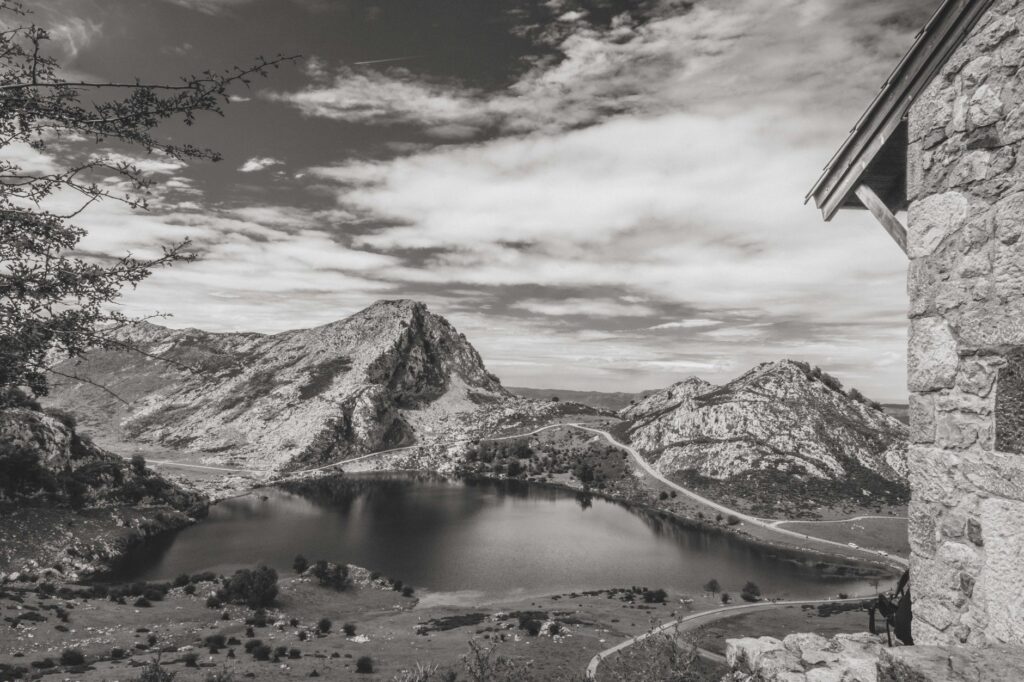
The wind sweeping down through the deep gorges of the Picos de Europa carries not only the echo of Atlantic storms but also the testament of a millennia-old relationship between humanity and the mountains. At over one thousand meters of altitude, where limestone rock defies the sky and vast expanses of green stone dominate the horizon, high-altitude pastures have sustained a way of life forged by isolation and resilience for centuries. Today, however, this protected territory in the Cantabrian Cordillera faces a silent transformation. Against the backdrop of rural depopulation and the subsequent invasion of scrubland, a coalition of traditional livestock farmers, young shepherds, and forestry technicians is rewriting the future of conservation through the recovery of regenerative grazing and controlled transhumance.
For decades, environmental conservation policies swung between the strict prohibition of human activity and passive resignation in the face of demographic desertification in mountain villages. The thesis defended today by park managers and shepherd guilds is radically different: the landscape of the Picos de Europa is not a pristine sanctuary devoid of human intervention, but rather a co-evolved ecosystem. Without the selective pressure of native equine, bovine, and ovine livestock, alpine grasslands vanish beneath impenetrable blankets of shrub biomass, increasing the risk of catastrophic wildfires and drastically reducing the habitat of keystone species such as the Cantabrian capercaillie, the chamois, and the brown bear. The restoration of ancient transhumance paths and the use of remote GPS tracking collars to monitor livestock have become the cutting-edge tools of this green revolution.
The Economy of the High Pasture: Beyond the Pastoral Postcard
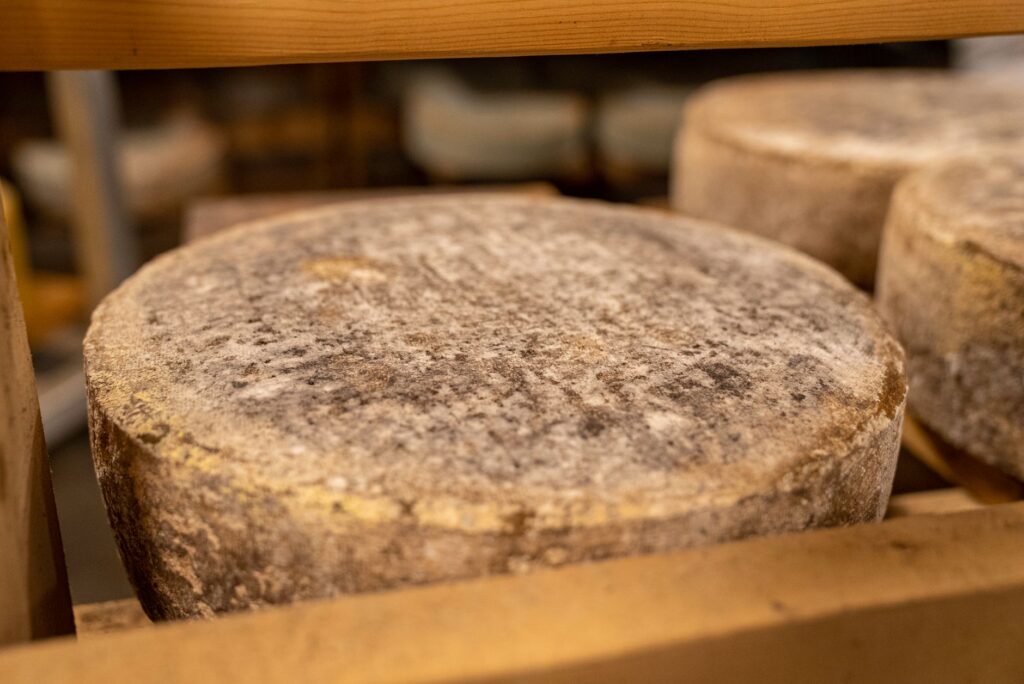
To understand the magnitude of this shift, one must descend on foot along the cobbled trails connecting the summer high ports with the valleys of Liébana, Valdeón, or Cabrales. In these shepherd settlements, where stone huts shelter past herding tools, the economy no longer relies exclusively on subsidies or milk volume. The new generations of livestock farmers have embraced diversification and quality certification. The production of protected designation of origin cheeses, such as the famous Cabrales or Gamonedo, acts as the financial engine sustaining the practice of extensive grazing. Each wheel of cheese aged in natural limestone caves represents a direct pact between the consumer and the preservation of the open landscape.

The ecological value of the herd lies in its capacity to act as a natural landscape engineer. Unlike intensive indoor livestock farming, animals in partial liberty disperse native alpine flora seeds over miles, fertilize soils diffusely, and prevent the unchecked growth of boxwood and broom. Botanical studies conducted by the Spanish National Research Council in the Áliva high ports confirm that areas subjected to planned rotational grazing exhibit a floral richness up to forty percent higher than abandoned areas. This plant diversity not only feeds wild fauna but also increases the water retention capacity of mountain soils, mitigating torrential erosion effects during recurrent autumn storms.
Satellite Technology and Ancestral Wisdom in the High Ports
One of the most fascinating aspects of this rural renaissance is the integration of cutting-edge technologies with knowledge passed down through generations. Shepherds who once relied solely on sight and sound to locate their flocks in the impenetrable mountain mists now use mobile applications connected to solar-powered GPS tracking devices installed on lead animals. This connectivity does not seek to dehumanize the profession; rather, it provides the viability needed to attract new professional profiles from cities—young people seeking a life project tied to agroecology and food sovereignty.
blockquote>The mountain is not protected by decrees drafted in an urban office; it is cared for by the hooves of cattle and the boots of a shepherd who knows every spring, every sinkhole, and every weather shift on the summit.
This symbiosis between tradition and modernity also extends to the management of communal pastures. Neighborhood councils, institutions of medieval origin regulating public utility mountain use, have adapted their ordinances to scientific criteria for sustainable stocking rates. Resting areas for livestock are designated during periods of maximum soil fragility, and ecological corridors are established to facilitate the safe transit of wildlife. The result is a decentralized governance model demonstrating how local communities can lead biodiversity protection without sacrificing economic viability.
Scientific Tourism and Territory Pedagogy
The impact of this transformation transcends the boundaries of livestock farming, directly influencing how travelers approach the National Park. Mass tourism that clogs parking lots in the main valleys during summer months contrasts sharply with the offerings of scientific tourism and slow observation. Several local cooperatives organize guided routes alongside shepherds and biologists, allowing visitors to understand the ecological complexity of transhumance. These experiences do not seek the quick consumption of nature, but rather an educational immersion in the processes keeping the territory alive.
Hikers traversing the Cares Trail or ascending toward Naranjo de Bulnes discover that each dry-stone wall patiently built over centuries fulfills a hydraulic and micro-faunal refuge function. The dissemination of these values transforms the casual tourist into an active ally of conservation. Direct consumption of local products in traditional markets in Arenas de Cabrales or Potes is encouraged, closing a virtuous circle where every euro spent directly contributes to maintaining the cabins, trails, and livestock keeping the ecological balance of the park alive.
Climate Challenges and Community Resilience
Despite progress made, the future of the Picos de Europa is far from guaranteed. Climate change manifests harshly across Cantabrian summits through increasingly warm winters, a drastic reduction in accumulated snowpack, and summer drought episodes stressing high-altitude pastures. Traditional springs, which once flowed uninterrupted year-round, show signs of premature depletion, forcing livestock farmers to redesign watering routes and invest in solar-powered water capture systems in the highest settlements.
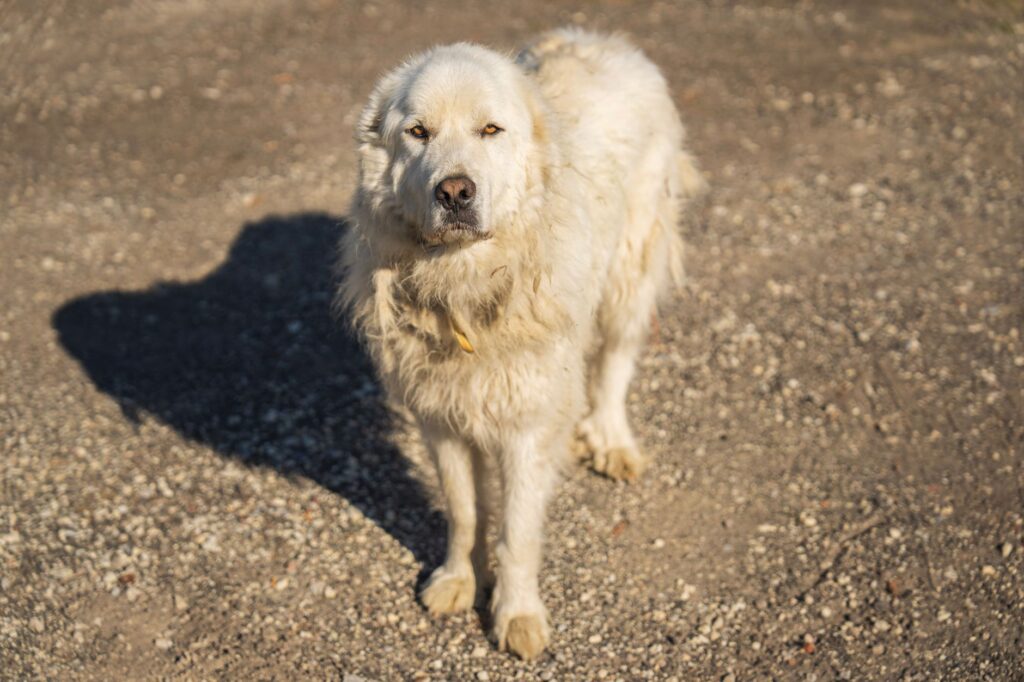
The pressure from protected wildlife, particularly the recovery of the Iberian wolf and increasing populations of wild boars and deer, adds complexity to the daily routine of extensive farming. While the presence of large predators is an undisputed indicator of ecosystem health, collateral damage to livestock demands agile and effective compensation systems, alongside the continued use of properly selected and trained livestock guardian dogs. The survival of this precarious balance depends on the administration’s capacity to listen to demands from a sector acting as the first line of defense against environmental degradation in high mountains.
blockquote>Conserving nature in Europe without including those who have inhabited and shaped it for millennia is a historical error leading inevitably to the fossilization and burning of our landscapes.
The experience accumulated in the Picos de Europa demonstrates that true sustainability is not an abstract concept devised in offices, but a daily practice based on mutual respect, empirical knowledge, and adaptability to the environment. When a visitor watches the sunset over limestone massifs and hears the distant chiming of cowbells echoing in the silence of the high ports, they are witnessing the result of a daily victory against oblivion. It is the steady heartbeat of a pastoral culture that, by reinventing itself, guarantees the survival of one of the most beautiful and complex landscapes on the continent.
Practical guide
How to get there
The Picos de Europa National Park spans across Asturias, León, and Cantabria. Main road access is via the A-8 highway to Unquera, entering the Hermida Gorge (N-621) toward Potes, or via the A-8 to Llanes, taking the AS-114 toward Cangas de Onís and Arenas de Cabrales.
Best time to visit
The months between June and September offer optimal conditions for exploring high ports and observing livestock activity in mountain settlements. During spring and autumn, lower valleys showcase peak scenic splendor, though high-altitude weather can change rapidly.
Sustainable accommodation and gastronomy
Overnight stays are recommended in small rural lodgings integrated into the park’s Sustainable Tourism Network or in mountain refuges managed by mountaineering federations. Consuming certified local products, such as three-milk cheeses from Valdeón, Cabrales, and Gamonedo, and purchasing extensive farming-labeled meat at regional markets is essential.
Code of conduct in the protected area
Leaving marked trails, lighting fires, camping outside authorized areas, or disturbing domestic livestock and wildlife is strictly prohibited. Dogs must be kept on leashes at all times, and the use of drones without express authorization from the national park administration is forbidden.