The Awakening of a New Era on Rails
For decades, low-cost air travel and the expansion of daytime high-speed rail lines relegated European night trains to an almost nostalgic category. Many historic routes were dismantled, fleets aged, and national railway companies slashed budgets for this service. However, the growing climate urgency and the fatigue associated with peripheral airports have catalyzed an unprecedented paradigm shift in continental mobility.
Today, the night train has transformed into the symbol of more conscious tourism, where the journey ceases to be a mere administrative hurdle and becomes a fundamental part of the travel experience. This renaissance is not a passing trend, but the result of strategic investments driven by public and private operators reshaping Europe’s rail map.
The Backbone of the System: Nightjet and New Corridors
The main architect of this resurrection is ÖBB, the Austrian Federal Railways, whose Nightjet program has demonstrated massive, profitable demand for long-distance nocturnal journeys. With the gradual introduction of next-generation trains featuring aerodynamic design, advanced safety systems, and a notable reduction in noise pollution, traveling by night is no longer an endurance test.
These modern formations connect key capitals such as Vienna, Berlin, Zurich, Amsterdam, Paris, and Rome. The expansion of the network has allowed cities that once required complex transfers to be linked by a single steel thread, facilitating cleaner and more predictable tourist and commercial flows.
Accommodation Types and Onboard Comfort
Understanding the different travel categories is essential to ensure a satisfying experience. Unlike the past, when the only option was the classic six-berth compartment, current offerings are divided into three distinct levels:

- Reclining seats: The most economical option, suitable for short journeys or travelers on very tight budgets.
- Couchettes: Compartments with four or six bunks, ideal for groups or families, including basic bedding and a light breakfast.
- Private sleeper cabins: The highest standard of comfort, featuring private bathrooms, showers, independent climate control, toiletries, and a full breakfast served in the cabin.
This diversity seeks to democratize train access, allowing backpackers, professionals, and couples on romantic getaways alike to find accommodations matching their expectations and financial means.
Logistics and Planning: Securing Seats and Fares
High demand and limited capacity on night trains require rigorous planning. Unlike daytime high-speed tickets, which can often be bought weeks in advance, tickets for major night corridors must be booked months ahead, especially during peak summer and Christmas holiday periods.
Reservations typically open between 90 and 180 days prior to departure. Using official railway operating company platforms or accredited centralized portals prevents intermediary surcharges and guarantees access to promotional fares known as ‘Sparpreis’ or equivalents.
The Human Experience: Onboard Coexistence and Rhythm
Traveling in a sleeper car or couchette fosters a particular form of sociability. Sharing a corridor with passengers of diverse nationalities transforms the journey into a cultural microcosm. It is common to encounter cyclists transporting their gear, professionals avoiding a morning airport meeting, or families preferring the unhurried pace of the railway.
The crew plays a decisive role in journey quality. From the initial welcome on the platform to delivering breakfast at dawn, the staff assists with logistical, border, and comfort matters, ensuring safety throughout sleeping hours.
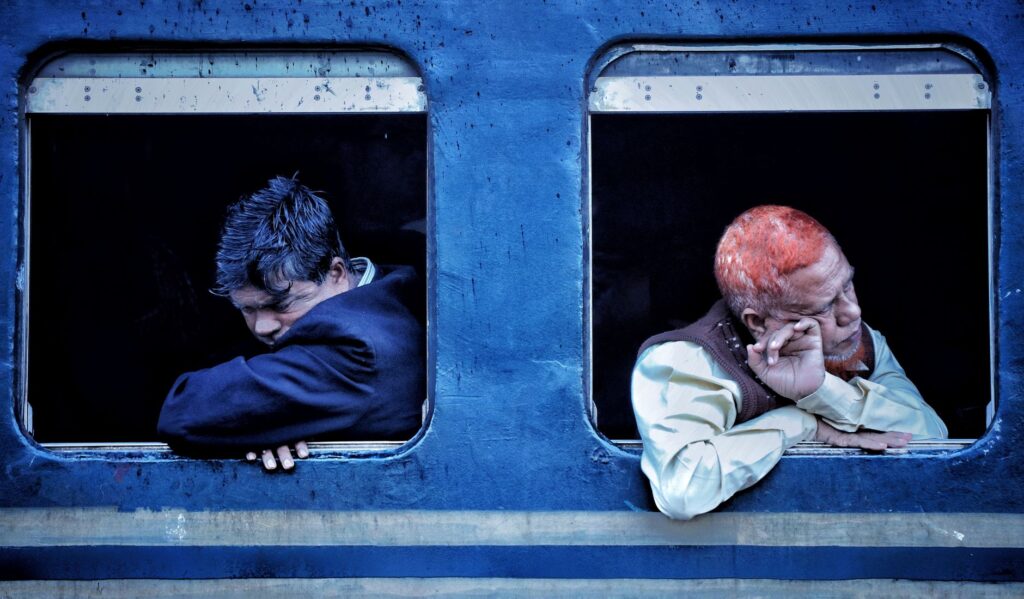
The night train restores the true distance between places, allowing travelers to comprehend Europe’s geographic scale while they rest.
Sustainability and Carbon Footprint
From an environmental standpoint, the contrast between flying and taking a night train is staggering. While commercial aviation remains one of the fastest-growing sources of greenhouse gas emissions, most European rail networks operate on electricity sourced from renewables or low-carbon mixes.
Choosing the train not only reduces CO2 emissions per passenger, but also eases tourist pressure on urban centers overwhelmed by mass air travel, promoting stations located in the heart of cities.
Current Challenges and Network Limitations
Despite widespread optimism, the sector faces considerable structural challenges. Track infrastructure in certain cross-border corridors remains congested or undergoing modernization, which can cause unexpected delays.
Likewise, the lack of full technical interoperability between different European national signaling systems forces technical stops or locomotive changes that reduce the overall efficiency of the transport system.
Practical Information for the Traveler
Before embarking on a nocturnal adventure across Europe, it is advisable to keep a series of fundamental operational guidelines in mind:
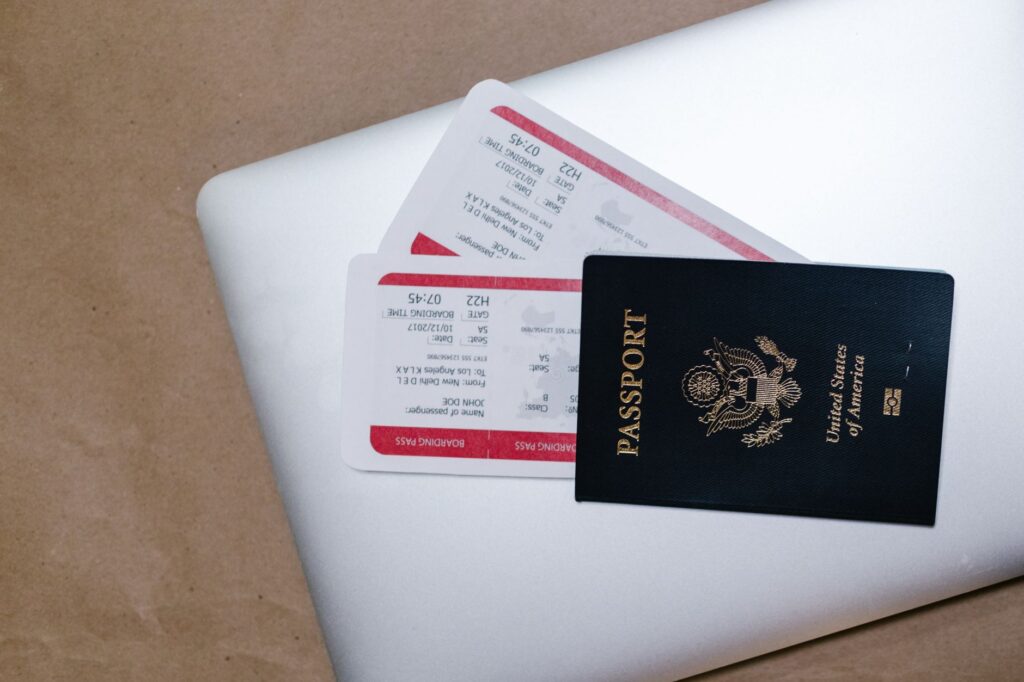
- Documentation: Although the Schengen area facilitates free movement, carrying a valid passport or national ID is mandatory, as border authorities may conduct nighttime checks onboard.
- Luggage: While weight restrictions are not as strict as on airlines, cabin space is limited. Traveling with medium-sized suitcases or backpacks that easily fit under the bunk is strongly recommended.
- Connectivity: Mobile phone signals can drop in rural areas or alpine tunnels. It is prudent to download maps, electronic tickets, and entertainment beforehand.
- Food and Drink: Although some cabins include basic catering, many trains lack a full restaurant car, so bringing water and snacks is a wise decision.
The Future of Slow Mobility
The sustained success of night trains proves that speed is not always the most valued factor for contemporary travelers. The convenience of falling asleep in one capital and waking up in the historic center of another offers an irreplaceable alternative that redefines the modern concept of getaways and sustainable transport in Europe.